Industrial Compressors: Types and How to Choose the Right One
In the realm of industrial operations, compressors play a pivotal role in powering machinery and processes. These devices convert power into potential energy stored in pressurized air or gas, which can then be used in a wide range of applications. Given their critical importance, selecting the right industrial compressor is a decision that requires careful consideration.
Types of Compressors for Industrial Use
1. Reciprocating Compressors
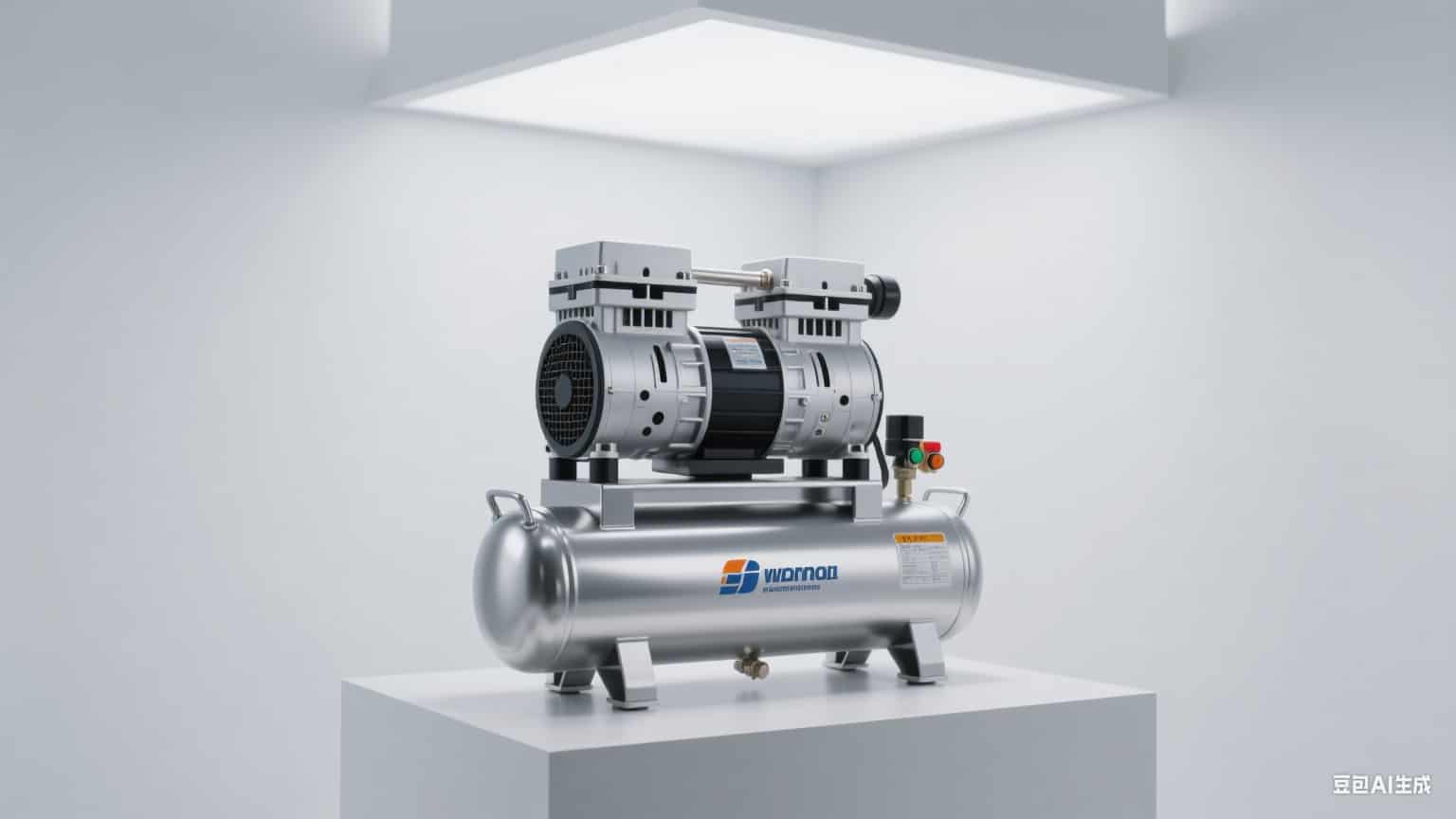
Also known as piston compressors, reciprocating compressors are among the most common types used in small to medium-sized industrial settings. They work by drawing air into a chamber, where it is compressed by a reciprocating piston. These compressors are known for:
- High-pressure capabilities
- Good efficiency
- More frequent maintenance needs due to moving parts
2. Rotary Screw Compressors
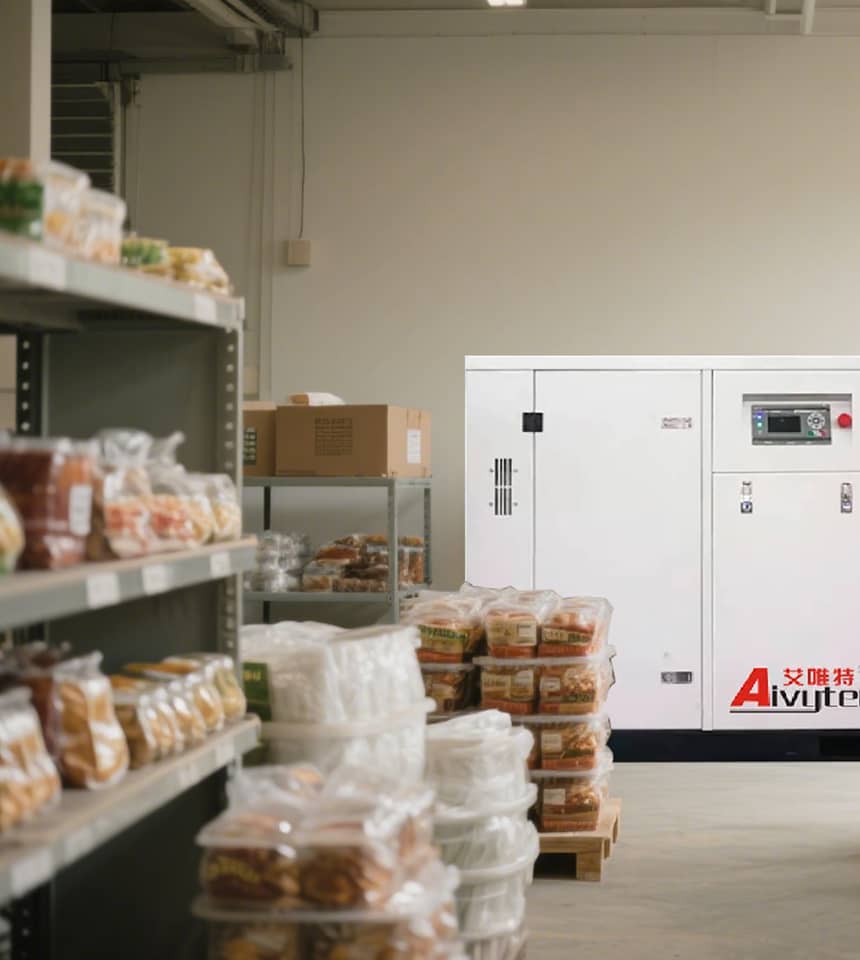
Rotary screw compressors are widely used in industries that require a continuous air supply at moderate pressures. They operate by trapping air between two meshed rotors, reducing its volume as they turn. Benefits include:
- Reliable continuous operation
- Low maintenance requirements
- Quieter operation compared to piston compressors
3. Centrifugal Compressors
For applications requiring high flow rates of air or gas at relatively lower pressures, centrifugal compressors are the preferred choice. They operate on the principle of dynamic compression, converting velocity into pressure. Advantages include:
- High efficiency
- Best suited for large-scale industrial applications (e.g., power plants, chemical manufacturing)
- Ideal for continuous, high-capacity operations
Factors to Consider When Choosing an Industrial Compressor
1. Application Requirements
Understand your operational needs in terms of:
- Required pressure (PSI)
- Required flow rate (CFM)
- Whether oil-free or oil-injected air is needed
2. Efficiency and Operating Costs
Energy efficiency affects long-term operating costs. Look for compressors with higher efficiency ratings and consider total maintenance requirements. Some compressors may have a higher purchase price but lower maintenance expenses over time.
3. Installation Space
Ensure that you have sufficient space for the compressor and its accessories. Centrifugal compressors, for example, generally require more installation space than compact rotary screw models.
4. Noise Levels
In noise-sensitive workplaces, quieter models like rotary screw or scroll compressors may be preferable over noisier reciprocating types.
5. Reliability and Durability
Choose a compressor from a brand with a strong reputation for reliability. Read reviews and case studies to understand long-term performance in similar applications.
Conclusion
There is no one-size-fits-all answer to selecting the best industrial compressor. Your choice will depend on specific application requirements, efficiency goals, available space, and desired reliability. By weighing these factors against what each type of compressor offers, you can make an informed decision that ensures optimal performance while minimizing operating costs—resulting in a long-term, cost-effective solution for your industrial operations.
about
Aivyter
We provides trusted air compressors and mining equipment, engineered for durability, efficiency, and demanding industrial applications.