Laser cutting is a widely used technology in modern manufacturing due to its high precision, efficiency, and versatility. From sheet metal fabrication to automotive and electronics industries, it has become an essential production method. However, laser cutting also comes with several harmful side effects that should not be ignored. Understanding these risks is crucial for maintaining workplace safety and ensuring long-term health protection.
1. Laser Radiation Hazards
Direct or reflected laser beams pose significant health risks:
- Eye damage – including corneal burns and retinal injuries, which may cause partial or permanent blindness.
- Skin burns – exposure to high-power lasers can damage tissue.
Operators must always wear certified laser safety glasses and follow proper shielding practices.
2. Toxic Fumes and Airborne Particles
Laser cutting releases hazardous gases and fine dust when processing different materials:
- Cutting PVC generates hydrogen chloride gas, which is highly corrosive and toxic.
- Cutting galvanized steel produces zinc oxide fumes, potentially leading to metal fume fever.
- Prolonged exposure can cause respiratory irritation, asthma, and long-term lung issues.
To reduce risks, workplaces should install industrial fume extractors and maintain adequate ventilation systems.
3. High Temperature and Fire Risks
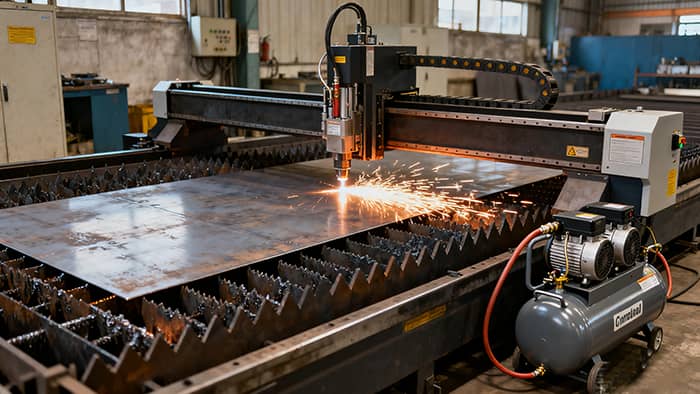
Laser cutting generates extreme heat, often exceeding several thousand degrees Celsius:
- Molten metal and sparks can cause fire hazards if near flammable materials.
- Improper handling of cut parts can result in serious skin burns.
Strict fire safety protocols and protective clothing are essential in laser cutting environments.
4. Noise Pollution
Although the laser itself is quiet, auxiliary equipment such as air compressors and exhaust systems can produce high noise levels:
- Long-term exposure above 85 dB may lead to hearing loss.
Noise-reducing enclosures and hearing protection are recommended for operators.
5. Mechanical and Electrical Risks
Laser cutting machines involve high-voltage power supplies, pressurized gases, and moving parts:
- Electrical components can cause shock hazards if mishandled.
- Improper handling of assist gases (oxygen, nitrogen) may result in explosions.
Regular maintenance, safety interlocks, and operator training are crucial for accident prevention.
Conclusion
Laser cutting provides unmatched efficiency and accuracy, but it also presents significant health and safety risks. Companies can minimize these hazards by:
- Wearing proper protective equipment
- Installing fume extraction and ventilation systems
- Implementing strict fire safety measures
- Conducting regular operator training
By addressing these issues, manufacturers can benefit from laser cutting technology while maintaining a safe and healthy workplace.
about
Aivyter
We provides trusted air compressors and mining equipment, engineered for durability, efficiency, and demanding industrial applications.