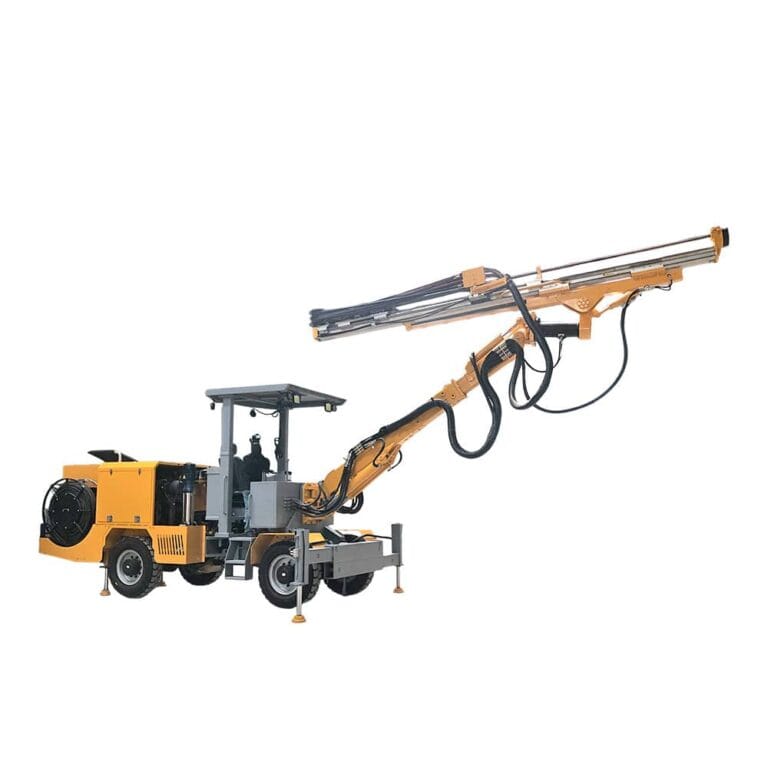
In block caving, sublevel stoping, or mine development, the productivity of your operation is directly tied to the performance of your drill rigs and the reliability of your equipment partner. Choosing the right underground drilling rig supplier is no longer a procurement decision—it is a strategic move that affects safety, advance rates, and total cost of ownership. Based on field data from hard-rock mines in South America and the Nordic region, this article breaks down the engineering and logistical factors that separate top-tier suppliers from the rest.
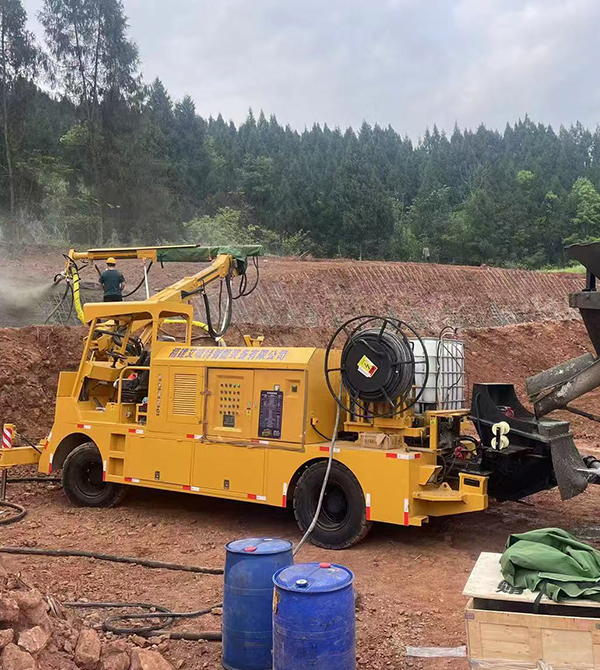
1. Beyond Percussion: The Engineering Shift in Underground Drilling
Modern underground drilling rigs are mechatronic systems that integrate high-frequency rock drills, real-time measurement-while-drilling (MWD) sensors, and semi-autonomous booms. A competent underground drilling rig supplier must demonstrate proficiency in three core areas: drilling precision (deviation < 2% in 30 m holes), rod handling automation, and dust suppression systems that comply with MSHA or EU directives. For example, face drilling jumbos used in 5×5 m drifts now feature anti-collision algorithms and adaptive feed force control, reducing carbide wear by up to 18% in abrasive quartzites.
2. The 7 Non‑Negotiable Criteria for Supplier Evaluation
When your project timeline depends on 24/7 operation, a generic brochure is useless. Use this technical checklist during audits:
- Automation Level (ISO 17757 compliance): Can the rig perform autonomous tramming and semi‑automatic drilling cycles? Does the supplier provide retrofit kits for existing fleets?
- Ground Adaptability: Supplier‑specific drifter configurations for compressive strength ranging from 50 MPa (shale) to 350 MPa (banded iron formation).
- Safety Architecture: Proximity detection, automatic brake tests, and FOPS/ROPS certified cabins – non‑negotiable for deep mines.
- Drill String Lifecycle Support: Availability of hardened shanks, couplings, and bits; average lead time for critical spares.
- Digital Integration: Ability to export MWD logs to mine planning software (Deswik, Datamine) for blast optimization.
- Energy Source Flexibility: Diesel‑electric hybrids or battery‑electric options for ventilation‑constrained operations.
- Local Service Footprint: Response time for on‑site technicians and stocked warehouses within 500 km of the project.
A supplier that transparently shares data on mean time between failures (MTBF) for their feed beams and rock drills demonstrates the confidence expected from a long‑term partner.
3. Industry Pain Points: How the Right Supplier Mitigates Technical & Operational Risks
3.1 Unplanned Downtime in Remote Locations
Data from Chilean copper operations shows that every hour of jumbo downtime costs approximately $12,000 in lost development. A reliable underground drilling rig supplier addresses this through predictive maintenance modules—analyzing hydraulic oil contamination and vibration patterns to schedule interventions before failure. Aivyter integrates IoT-ready controllers that alert both mine control and the supplier’s support team simultaneously, shrinking reaction time.
3.2 Drilling Through Fault Zones and Variable Ground
Switching from competent granite to fractured andesite can jam rods and cause deviation. Advanced suppliers offer drifter control software that automatically adjusts impact pressure and rotation speed based on MWD feedback. This feature, available on platforms like the AZT1‑7200, reduces stuck rod incidents by 34% in complex geologies.
3.3 Compliance with Stricter Ventilation and Diesel Regulations
With diesel particulate limits tightening, many mines are transitioning to electric‑hydraulic or pure battery rigs. A forward‑thinking underground drilling rig supplier provides validated zero‑emission platforms that maintain tramming speeds and drilling torque comparable to diesel versions. Aivyter offers a modular electric drivetrain that fits their jumbo range, already tested at 1,200 m depth in Canadian nickel mines.
4. Case Application: Meeting Production Targets with Aivyter AZT1‑7200
When a Zambian underground copper mine faced 25% dilution due to overbreak, they re‑evaluated their drilling accuracy. After trials, they selected the underground drilling rig supplier Aivyter and its AZT1‑7200 twin‑boom jumbo. The rig’s computer‑controlled positioning system achieved 99.3% drilling accuracy in 4.5 m rounds. Within six months, the mine reduced overheads support costs by 22% and increased advance per shift from 3.8 m to 4.6 m. The integration of Aivyter’s drill telematics with the mine’s dispatch system also allowed real‑time reconciliation of drilled meters versus plan.
5. Financial Implications: TCO Analysis of Supplier Partnerships
Evaluating an underground drilling rig supplier solely on initial CAPEX is a common pitfall. A detailed total‑cost‑of‑ownership model must include:
- Fuel/energy consumption per meter drilled (electric rigs can cut energy cost by 40%).
- Drifter rebuild intervals (typically 3,000–5,000 operating hours).
- Resale value – suppliers with wide installed base yield higher buyback offers.
- Training costs: simulation‑based training reduces on‑rig learning from 12 weeks to 3.
Suppliers like Aivyter provide transparent TCO calculators based on your rock type and shift schedule, helping mine owners justify equipment upgrades to boards.
6. Strategic Partnership: More Than a Hardware Transaction
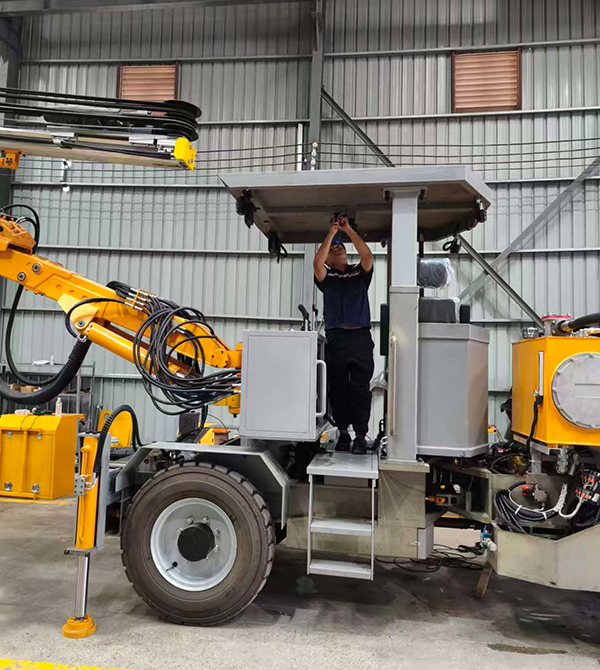
The complexity of underground infrastructure—narrow veins, steep ramps, backfilling sequences—demands that an underground drilling rig supplier acts as a consultant. During pre‑feasibility, the supplier should advise on drift cross‑sections to accommodate the most efficient jumbo geometry. During production, they should offer continuous improvement teams that analyze drilling data to optimize cut patterns. This collaborative approach is what separates component vendors from true development partners.
7. Conclusion: Aligning Supplier Competencies with Mine Plan Objectives
Whether you are developing a decline in a greenfield project or expanding an existing block cave, the selection of your underground drilling rig supplier determines schedule adherence, safety performance, and ore recovery. Prioritize suppliers who invest in R&D for automation, offer transparent lifecycle data, and maintain regional support hubs. With the right partner, your drill rig fleet becomes a source of competitive advantage rather than a recurring problem.
Frequently Asked Questions (FAQs)
Q1: How does a supplier’s local service center affect my project’s uptime?
A1: A supplier with a warehouse and technicians within 500 km can reduce spare parts lead time from 7–10 days to 24 hours. For critical components like drifters or control units, this proximity can improve annual fleet availability by 8–12%, directly impacting development meters.
Q2: What is the typical ROI period for automated drilling features?
A2: Based on data from Australian hard‑rock mines, semi‑automatic drilling cycles reduce re‑positioning time by 30% and improve round accuracy, yielding payback on the automation premium within 10–14 months. Additional savings come from reduced rod and bit consumption.
Q3: Can an underground drilling rig supplier customize a jumbo for narrow‑vein mining (vein width < 1.5 m)?
A3: Yes, specialized suppliers offer compact electric‑hydraulic rigs with articulated carriers and small‑profile booms. Look for suppliers with documented experience in narrow‑vein applications, as they will understand constraints like minimum turning radius and operator visibility.
Q4: How do I validate a supplier’s safety certifications?
A4: Request ISO 12100 (risk assessment) and ISO 17757 (autonomous machine safety) certificates. Additionally, check if the supplier’s drill rigs have been tested by independent bodies such as MSHA (US) or INERIS (EU) for fire suppression and exhaust gas treatment.
Q5: What are the key indicators of a reliable spare parts supply chain?
A5: Inquire about the supplier’s inventory turnover ratio for wear parts (shanks, bits, seals) and their network of regional hubs. A supplier with a web‑based parts portal and real‑time stock visibility, like Aivyter, enables mine planners to schedule maintenance without guesswork.
Q6: How does MWD data from the rig improve blasting efficiency?
A6: Measurement‑while‑drilling data (penetration rate, torque, percussive pressure) identifies variations in rock mass. Modern underground drilling rig suppliers provide software that converts this data into 3D rock strength models, allowing blasting engineers to adjust powder factors in real time, minimizing dilution and overbreak.
about
Aivyter
We provides trusted air compressors and mining equipment, engineered for durability, efficiency, and demanding industrial applications.