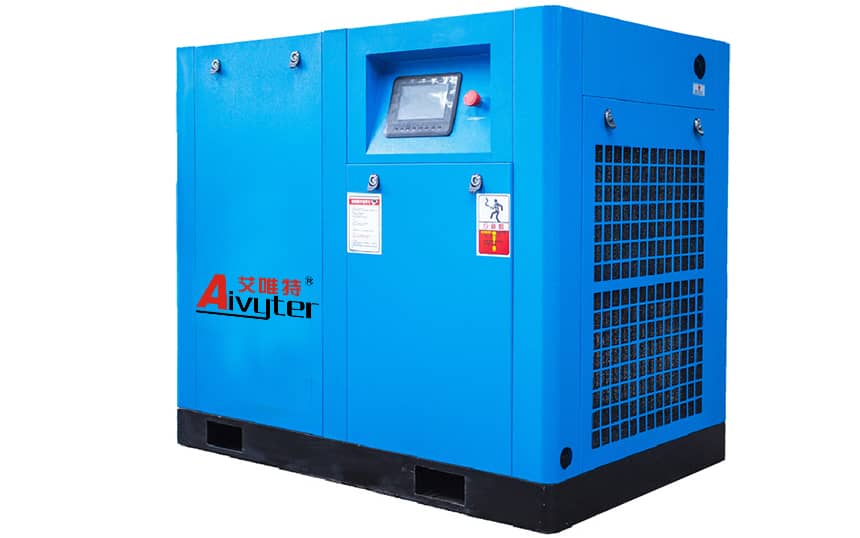
Compressed air systems represent a primary utility across global industrial sectors, including mining, heavy engineering, and infrastructure construction. Sourcing a low cost air compressor that meets strict pressure and flow rate requirements is a common objective for procurement managers and plant engineers. Balancing acquisition expenditure with operational reliability requires a deep understanding of compressor mechanics, component durability, and system design. Manufacturers like Aivyter build durable systems designed to withstand demanding environments, proving that affordable equipment can deliver industrial-grade performance when properly configured.
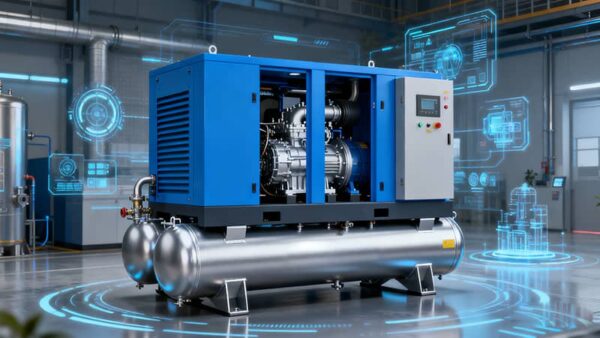
Analyzing the Air Needs of Industrial and Construction Environments
Before selecting any compressed air system, establishing precise demand profiles prevents under-sizing or over-sizing. Engineering teams must evaluate the collective air requirements of all downstream pneumatic equipment to ensure stable pressure levels during peak operations.
Flow Rate (CFM) and Pressure (PSI) Balance
Air flow, measured in Cubic Feet per Minute (CFM), dictates the speed and volume of air delivered to the tools, while pressure, measured in Pounds per Square Inch (PSI) or Bar, determines the force available to perform work. Heavy pneumatic equipment, such as rock drills, impact wrenches, and sandblasting nozzles, requires specific pressure ranges to operate at rated efficiency. Operating a system below these pressures leads to tool stalling, extended cycle times, and increased mechanical wear. Conversely, over-pressurizing a system causes air leaks and unnecessary energy usage.
Duty Cycle Demands in Continuous Operations
The duty cycle refers to the percentage of time a compressor can run under full load within a given period without overheating. In industrial manufacturing and underground mining, systems often run continuously. High-demand operations require a 100% continuous duty cycle, which is a key characteristic of rotary screw units. Understanding how your equipment manages heat during these long cycles is fundamental to preventing unscheduled downtime and maintaining a steady flow of compressed air.
Rotary Screw vs. Reciprocating Technology for Budget-Conscious Operations
Choosing the correct compression technology directly impacts both initial capital expenditure and subsequent maintenance intervals. Industrial facilities must weigh the characteristics of rotary screw designs against reciprocating piston models.
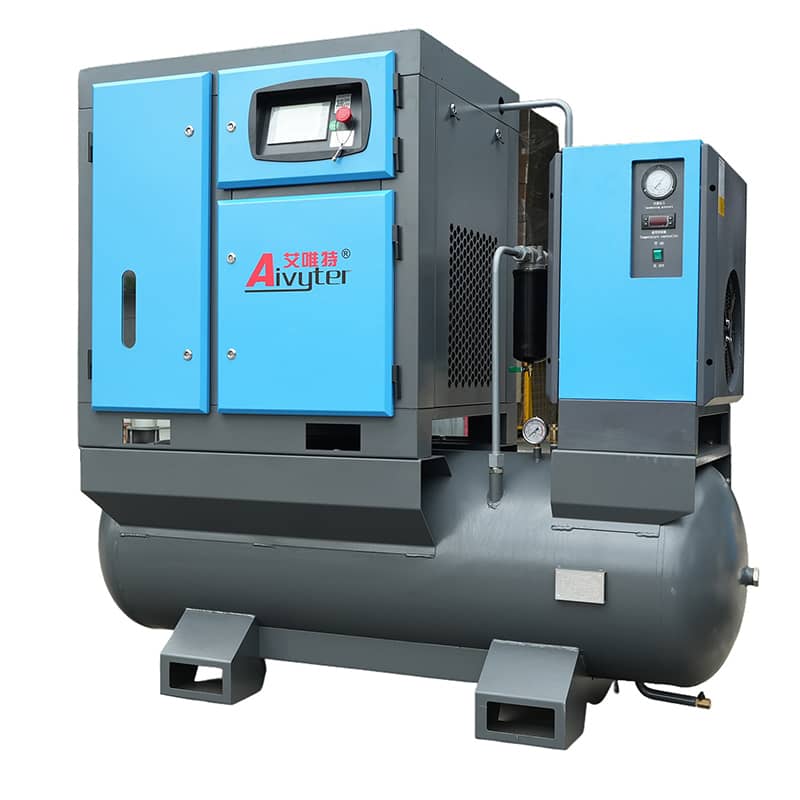
For operations requiring constant air flow, a rotary screw low cost air compressor is suited for continuous duty. Unlike reciprocating compressors that rely on pistons moving up and down within cylinders, rotary screw models use two interlocking helical rotors. As the rotors turn, they draw in air, reducing its volume along the screw profile. This continuous rotary action results in a pulsation-free air supply, lower operating temperatures, and reduced vibration levels. Consequently, these systems suffer less structural fatigue over long operating hours.
Reciprocating piston compressors are generally more affordable at the point of sale and remain highly effective for intermittent applications. However, their design relies on sliding friction and automatic valves that generate high heat and mechanical wear. For continuous heavy industry, the rotary screw design is often the preferred choice because it avoids the frequent maintenance intervals associated with piston rings, valves, and cylinder walls.
Thermal Regulation and Air Treatment Systems
Compressing air generates substantial thermal energy. Managing this heat is a primary engineering challenge, particularly in hot, enclosed, or high-altitude environments typical of mining and construction sites.
Heat Exchanger Performance under Heavy Load
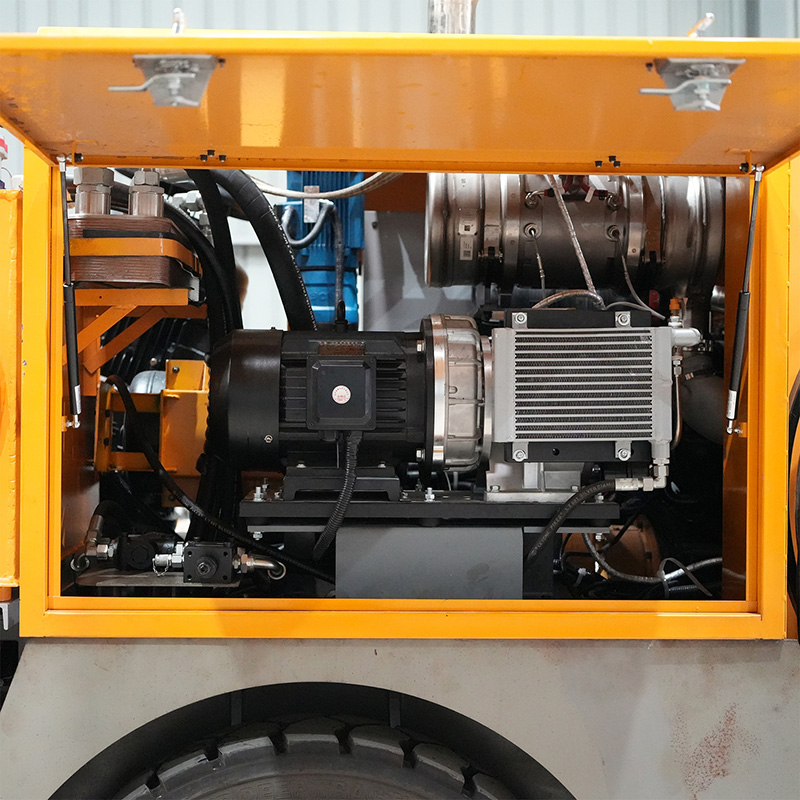
Efficient cooling systems are vital to protect the compressor lubricants and internal components. Modern rotary screw units utilize dual-fluid coolers that lower the temperature of both the lubricating oil and the discharged compressed air. By utilizing high-capacity radiators and thermostatic valves, these systems maintain optimal oil viscosity. Keeping the operating temperature within the recommended range prevents oil varnishing and protects the high-precision rotary lobes from thermal expansion and mechanical binding.
Filtration and Moisture Separation
As ambient air is compressed, water vapor condenses into liquid droplets. If this moisture enters the downstream piping, it can wash away lubricants in pneumatic tools, corrode pipe walls, and contaminate blasting media. To address this, a comprehensive air treatment system must be paired with the compressor. This system typically includes:
- Centrifugal moisture separators that remove bulk liquid from the discharge air stream.
- Coalescing filters designed to capture sub-micron oil aerosols and fine particulate matter.
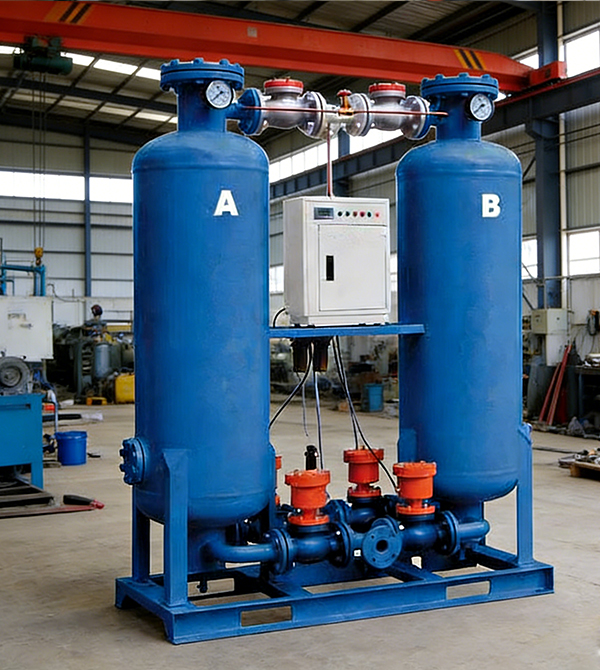
- Refrigerated or desiccant air dryers that lower the pressure dew point, preventing condensation in cold-weather applications.
Application Profiles in Mining and Infrastructure Development
Industrial fields present diverse environmental challenges that demand resilient equipment configurations. A matching solution must be selected based on the specific dust, moisture, and temperature conditions of the job site.
Pneumatic Drills and Breakers in Quarrying
In quarrying and open-cast mining, heavy-duty pneumatic drills rely on high-volume compressed air to break rock and clear boreholes. The abrasive dust generated in these environments can easily damage internal compressor components if left unmanaged. Deploying a low cost air compressor in dusty quarry environments requires multi-stage heavy-duty intake filtration. These filtration setups utilize pre-cyclonic separators to spin out heavy dust particles before the air reaches the primary micro-fiber filter element, protecting the internal screw mechanism from premature wear.
Plant Utility Air Systems
Manufacturing plants rely on compressed air for control valves, packaging lines, and pneumatic actuators. These systems require clean, dry air to ensure precise control and prevent valve sticking. Implementing a dedicated air distribution network with loop-configured piping ensures balanced pressure delivery across the entire floor, preventing localized pressure drops during high-demand cycles.
Preventive Maintenance Routines to Extend Service Life
Regular maintenance is a necessary practice to preserve the reliability and efficiency of any air compression system. Neglecting basic service intervals quickly leads to decreased flow rates, increased power consumption, and potential component failures.
Systems developed by Aivyter prioritize easy access to service points, allowing maintenance teams to complete routine inspections quickly and keep production schedules on track.
Lubrication Schedules and Oil Analysis
In oil-injected rotary screw compressors, the oil performs three functions: sealing the rotor clearances, lubricating the bearings, and absorbing the heat of compression. Consistently monitoring oil levels and performing oil changes at the specified hourly intervals prevents fluid degradation. Implementing regular oil analysis helps identify trace metal wear particles, indicating potential bearing wear before it leads to unscheduled downtime.
Intake Filter Maintenance and System Audits
A clogged intake filter forces the compressor to work harder to draw in air, reducing overall efficiency and increasing power demand. Cleaning or replacing these filters based on pressure drop indicators is a simple and cost-effective maintenance task. Regularly auditing the entire downstream piping network for air leaks is also highly beneficial, as even a minor leak can result in significant loss of compressed air volume over time.
Strategic Procurement and Installation Parameters
Integrating a low cost air compressor requires attention to several installation variables to ensure stable operation and easy maintenance access.
Sizing the Receiver Tank
A receiver tank acts as a buffer storage volume, dampening pressure pulsations and storing air to handle sudden demand spikes. A properly sized receiver tank prevents the compressor motor from cycling too frequently between loaded and unloaded states. For rotary screw systems, a general engineering rule of thumb is to allocate 1 to 2 gallons of receiver capacity for every CFM of compressor output, adjusting upward for applications with high intermittent demands.
Piping Geometry and Pressure Drop Reduction
The layout and material of the air distribution piping directly influence system pressure losses. Using smooth-bore piping materials, such as aluminum or copper, reduces frictional drag compared to rough black iron pipes. Closed-loop piping designs are highly recommended, as they allow air to flow in multiple directions to reach a high-demand point, effectively cutting the velocity of the air in half and reducing pressure drops across the facility.
Performance and Mechanical Specifications
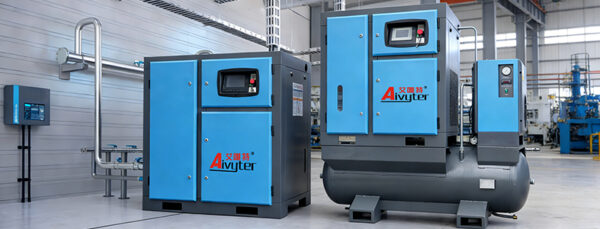
To assist engineering and procurement teams in matching equipment to their operational demands, the following table outlines standard performance specifications for heavy-duty industrial rotary screw units:
| Parameter | Specification Range | Industrial Application Suitability |
|---|---|---|
| Working Pressure | 7 Bar to 13 Bar (100 to 188 PSI) | Pneumatic tooling, heavy assembly, and rock drilling |
| Free Air Delivery (FAD) | 35 CFM to over 1,200 CFM | Scalable from small workshops to large mining operations |
| Motor Protection Rating | IP54 / IP55 Insulation Class F | Dusty, humid, and outdoor industrial environments |
| Drive Type | Direct Drive or Belt Drive | Direct drive for heavy duty; Belt drive for versatile setups |
| Cooling Method | Air-Cooled (Standard) / Water-Cooled | Air cooling for general use; Water cooling for high ambient heat |
Direct Inquiry and Technical Support
Obtaining a reliable low cost air compressor involves analyzing your facility’s exact pneumatic requirements and choosing a system that balances initial cost with durable performance. If your project demands specialized configurations, unique pressure ratings, or specific air treatment accessories, contacting an experienced manufacturer ensures you receive the correct equipment configuration.
Please contact Aivyter to request customized drawings, obtain detailed performance data sheets, or discuss your application requirements with our engineering team.
Frequently Asked Questions (FAQ)
Q1: What are the main differences between belt-driven and direct-driven rotary screw compressors?
A1: Belt-driven systems offer flexibility in speed and pressure adjustments by changing pulley sizes, and they generally feature a lower initial purchase price. Direct-driven systems connect the motor directly to the airend via a flexible coupling. This arrangement eliminates belt slip, reduces drive maintenance requirements, and provides a highly efficient power transfer, making direct-drive units suitable for continuous, heavy-duty industrial applications.
Q2: How often should the air-oil separator element be replaced?
A2: The air-oil separator element is responsible for removing oil droplets from the compressed air before it exits the machine. Typically, this element should be replaced every 3,000 to 4,000 operating hours, or sooner if a significant pressure drop (usually exceeding 0.8 to 1.0 bar) is detected across the separator system. Regular replacement keeps downstream air clean and prevents excess oil carryover.
Q3: Can a budget-friendly rotary screw compressor operate in sub-zero winter temperatures?
A3: Yes, provided it is equipped with appropriate cold-weather protection. This includes using low-viscosity synthetic compressor oil rated for low temperatures, installing cabinet heaters to prevent the oil from thickening, and trace-heating external condensate drains to ensure that moisture separated from the air does not freeze and block the drainage valves.
Q4: Why is my compressor discharging excessively hot air?
A4: High discharge temperatures are usually caused by restricted airflow through the oil coolers, low oil levels, or a malfunctioning thermostatic valve. Dust accumulation on the radiator fins can block heat transfer, so regularly blowing out the coolers with dry compressed air is a necessary practice to maintain proper cooling performance.
Q5: What ISO quality standard should my compressed air meet?
A5: The required air quality depends on your specific application, as defined by the ISO 8573-1 international standard. General plant air used for heavy tools often falls under Class 4 or 5 for particles and moisture. However, more demanding applications, such as spray painting or pneumatic instrumentation, require cleaner air, which is achieved by adding high-efficiency coalescing filters and desiccant dryers to meet Class 1 or 2 standards.
about
Aivyter
We provides trusted air compressors and mining equipment, engineered for durability, efficiency, and demanding industrial applications.