Procuring heavy machinery for subterranean excavation involves high stakes. Underground mining and tunneling run on razor-thin project timelines where unexpected downtime can cost tens of thousands of dollars per shift. Whether you are driving an access decline through hard granite or securing a civil transit tunnel, machine reliability dictates project profitability.
The global machinery market contains hundreds of trading intermediaries, brand assemblers, and regional workshops. Sifting through vendors to find an authentic underground drill rig factory requires due diligence. Sourcing directly from an established source ensures structural longevity, lower lifecycle costs, and dedicated engineering support.
Equipment procurement officers and mine managers cannot afford to choose hardware based on glossy brochures or rock-bottom price tags. You must evaluate a manufacturing partner through three operational pillars: structural build quality, active safety engineering, and international regulatory compliance. Before finalizing equipment orders for your fleet, send an inquiry to Aivyter to review factory build sheets, verify export qualifications, and inspect working machinery designs.

1. Physical Manufacturing Scale and Production Quality
A true heavy equipment source does not merely assemble off-the-shelf components in a rented garage. Reliable rock excavation machinery demands an underground drill rig factory backed by massive capital investments, certified fabrication machinery, and direct quality control across the production line.
Modern Plant Infrastructure and In-House Capacity
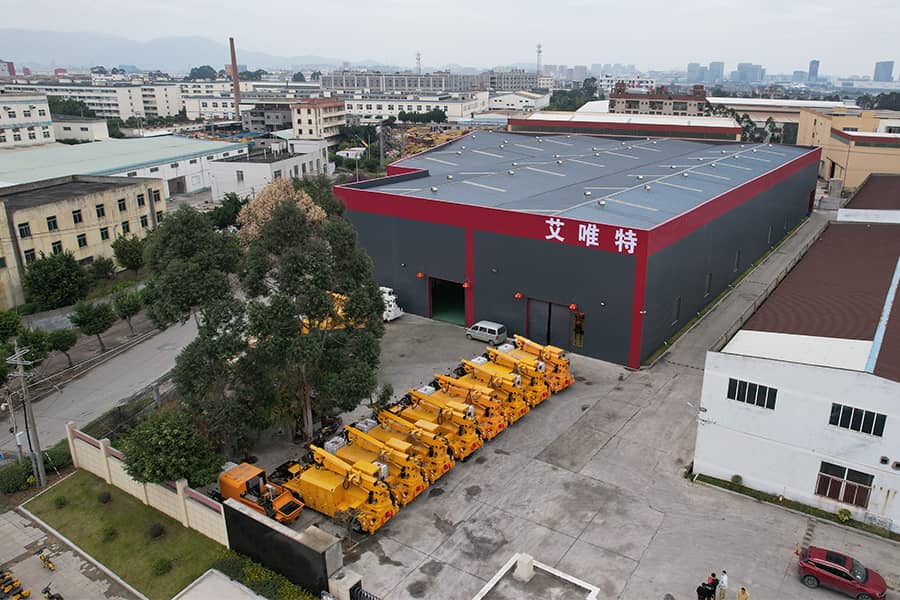
Always inspect the physical footprint and processing machinery of the facility. Look for a manufacturer operating modern industrial plants exceeding 10,000 square meters. Facilities of this scale house CNC vertical machining centers, robotic welding cells, and automated ultrasonic test beds for heavy steel plates.
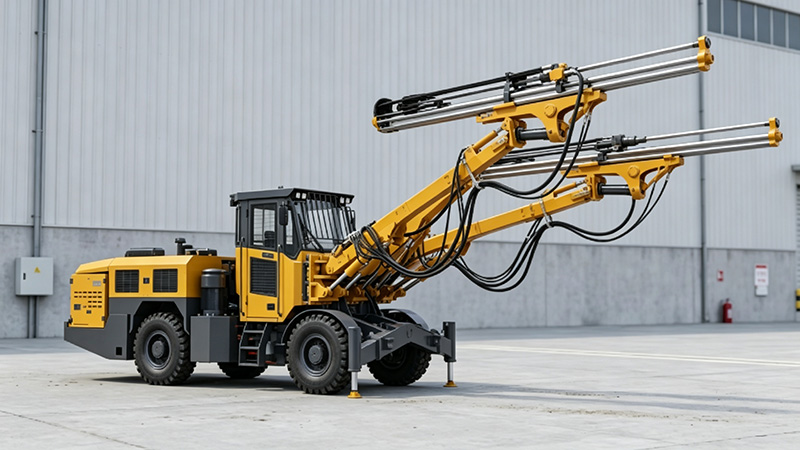
Original equipment builders like Aivyter develop integrated operations. With dedicated production lines spanning drill jumbos, wet shotcrete spraying machines, and screw air compressors, integrated builders control component tolerances down to the micron. This mechanical synchronization eliminates common hydraulic interface problems and pneumatic pressure drops on the job site.
Chassis Engineering and Heavy Structural Metallurgy
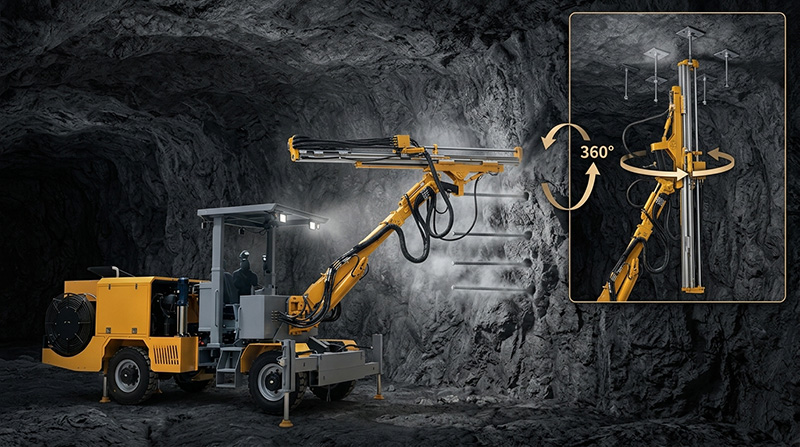
Underground drill jumbos face cyclic stress, corrosive mine water, and aggressive ground vibrations. Substandard fabrication results in micro-fissures across the feed beam and chassis within hundreds of operating hours.
- High-Strength Structural Steel: Verify that the fabricator forms booms, feed carriages, and articulated chassis frames from high-yield steels (such as Q355B or equivalent structural grades) with verified tensile strength.
- Stress-Relieved Weldments: Large weldments on drill booms must undergo post-weld heat treatment or shot-peening to eliminate internal mechanical stress.
- Protective Coatings: Underground environments contain high humidity, sulfur, and acidic drainage. Ensure the manufacturer applies multi-stage epoxy zinc-rich primer and heavy polyurethane topcoats.
- Hydraulic and Electrical Routing: Premium builders protect critical hydraulic hoses inside boom channels and place wiring harnesses inside flame-retardant, sealed conduits.
2. Life-Critical Safety Engineering for Underground Works
Safety is the primary baseline for subterranean operations. A qualified underground drill rig factory designs machinery to shield personnel from rock falls, seismic tremors, mechanical pinning, and hydraulic flash fires. Prioritize factories that meet strict MSHA and international mining safety frameworks.
Certified Operator Cabin Protection (ROPS/FOPS)
Falling rock represents the most severe hazard in unbolted headings. Never purchase a jumbo rig without certified structural protection. The operator canopy or enclosed cabin must meet ISO 3471 (Roll-Over Protective Structures) and ISO 3449 (Falling-Object Protective Structures) standards.
Reputable builders construct cabs out of reinforced structural tubing, backed by dynamic impact test data. The glass must feature multi-layer laminated polycarbonate to withstand blunt face impacts without splintering inward.
Fire Mitigation and Emergency Arrest Systems
High-pressure hydraulic fluids adjacent to hot turbochargers or electrical junction boxes create persistent fire hazards. An advanced underground drill rig factory installs automated multi-point fire suppression systems (such as Ansul or certified dry-powder/foam loops).
Machines must also feature failsafe braking configurations. Spring-applied, hydraulic-release (SAHR) wet multi-disc brakes are essential on every wheel hub. If hydraulic pressure drops, the mechanical springs engage immediately to immobilize the carrier on steep declines.
Anti-Jamming Hydraulics and Ergonomic Controls
Modern rock drilling demands electronic intelligence. Hydraulic rock drills operate at frequencies between 40 to 60 Hz. Hitting fractured fault zones or soft clay veins causes drilling steel to bind, damaging rotation motors and bending feed beams.
Verify that the factory integrates automated anti-jamming valves. When rotation pressure spikes or percussion backpressure spikes abnormally, the feed system should automatically reverse the rock drill until rotation stabilizes. Furthermore, dual-axis proportional joysticks allow operators to drill rounds smoothly, reducing fatigue during long 12-hour shifts.
3. International Compliance, Certifications, and Verification
Sourcing machinery globally requires strict adherence to import and site-entry regulations. Mining operators cannot risk holding customs shipments due to absent safety markings or non-compliant emissions components. A compliant underground drill rig factory possesses verifiable accreditation for every major jurisdiction.
Essential Manufacturing Certifications
When vetting a machinery source, demand certified copies of their quality and environmental management systems:
- ISO 9001:2015: Confirms that production lines adhere to documented quality management processes, from steel intake to final factory acceptance tests (FAT).
- ISO 14001 & ISO 45001: Validates environmental management protocols and occupational health frameworks inside the production plant.
- CE Certification: Essential for European operations and increasingly demanded across Latin America, Southeast Asia, and the Middle East. Drill jumbos must comply with the Machinery Directive (2006/42/EC) and relevant harmonized standards like EN ISO 19296 for underground mining machines, available through the ISO Standards Catalogue.
Third-Party Factory Audits: SGS and TÜV
Never rely on digital certificates without third-party validation. Reputable machinery exporters invite global inspection bodies like SGS, TÜV Rheinland, or Bureau Veritas to complete unannounced site inspections and structural test reports.
For over a decade, Aivyter has maintained full international compliance portfolios, holding verified CE, ISO, TÜV, and SGS accreditations. When you partner with a fully certified drill jumbo manufacturer, your customs clearances move swiftly, and your site safety audits pass without regulatory bottlenecks.
4. Custom OEM/ODM Capabilities and System Integration
No two mines feature identical ground conditions. Tunnel dimensions, cross-sections, turn radii, rock hardness (UCS), and available electrical voltages vary radically from South American copper mines to Scandinavian transport tunnels. A rigid, single-spec manufacturer cannot address these operational realities.
An agile underground drill rig factory employs experienced mechanical, hydraulic, and electrical engineers to configure custom OEM solutions.
Subterranean Customization Checkpoints
Evaluate whether the factory’s engineering team can adapt equipment to your project requirements:
- Variable Boom Geometry: Sizing single-boom, double-boom, or service basket configurations to fit drift cross-sections from 2×2 meters up to 8×8 meters.
- Power Pack Selection: Supplying diesel-electric hybrid configurations that execute travel operations via low-emission diesel engines and run drilling cycles via clean electric power grids.
- Voltage Adaptability: Custom winding electric drive motors to operate on 380V, 440V, 550V, 660V, or 1000V site grids at 50Hz or 60Hz.
- Drill String Tailoring: Customizing feed beams to handle R32, T38, or T45 drill rods for face blasting, benching, or long-hole rock bolting.
Complete Underground Equipment Workflows
Rock drilling is only one phase of the excavation cycle. Top-tier equipment manufacturers engineer integrated equipment systems. A complete workflow relies on synchronized machinery:
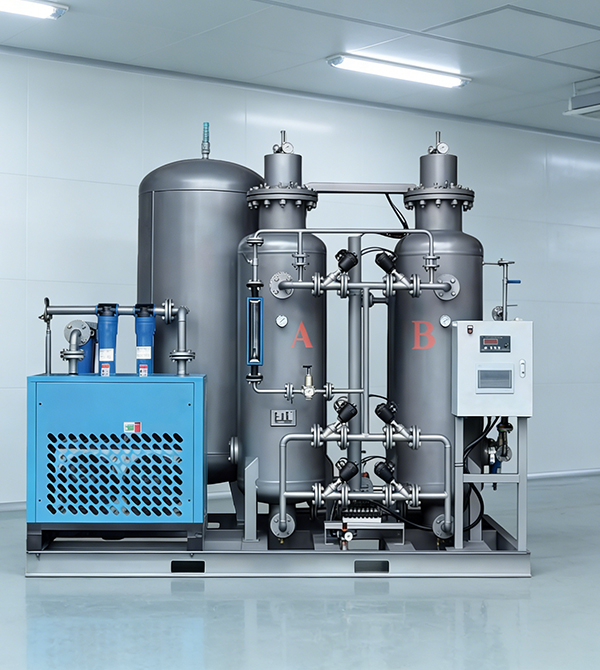
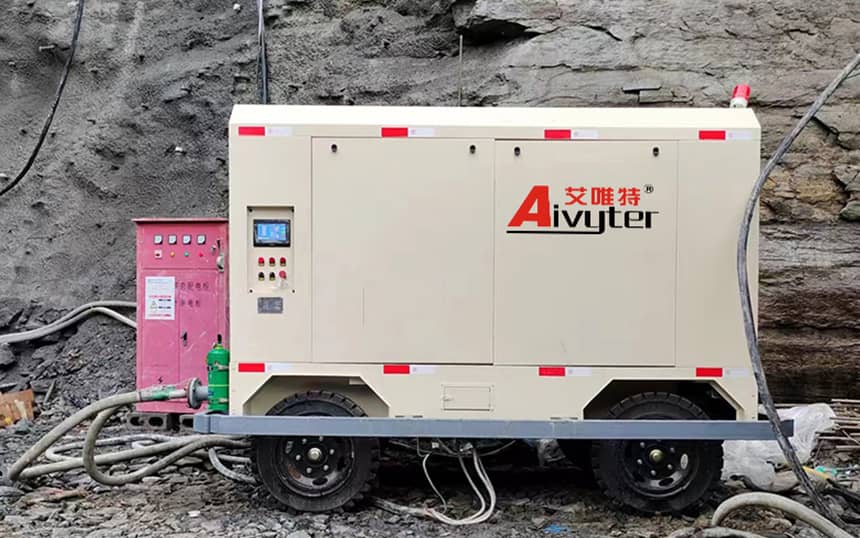
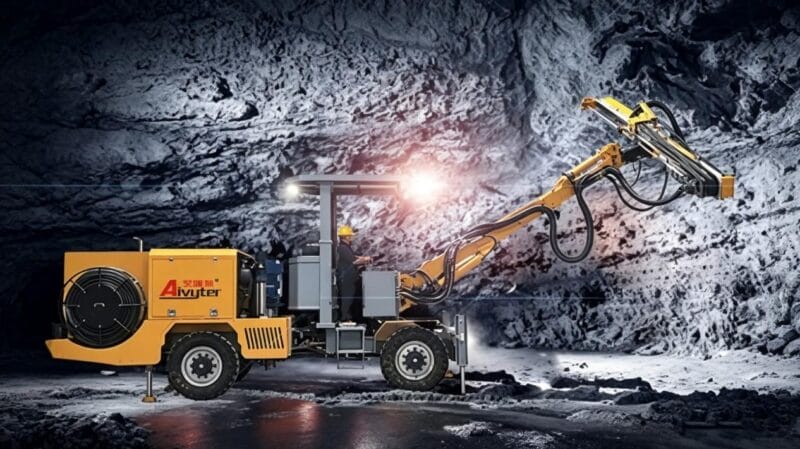
First, drill jumbos drill the blastholes. Next, after blasting and mucking out, heavy-duty shotcrete spraying equipment applies reinforced concrete along the roof and walls. Supporting both operations requires continuous, heavy-duty compressed air from industrial screw air compressors.
Sourcing your drill jumbos, wet concrete sprayers, and screw compressors from a single specialized underground drill rig factory eliminates brand fragmentation. It unifies training for your mechanics and standardizes preventative maintenance components across the job site.
5. Global Logistics, Spares Delivery, and Lifecycle Costs
The total cost of ownership (TCO) outstrips the initial equipment purchase price within three years of heavy mining operations. If your machine breaks down underground and spare rock drill seals take six weeks to arrive by air, your real project costs escalate drastically.
Direct Export Authority and Rapid Shipping Protocols
Middlemen frequently struggle with export documentation, delaying shipments at ports. An industrial-scale underground drill rig factory must hold independent import and export rights. This licensing allows direct logistics handling, prompt bill of lading issuance, and fast-track shipping options for emergency parts.
Founded in 2009, Aivyter has refined global distribution channels spanning five continents. By securing supply lines, the company maintains continuous stocks of consumable wear parts—such as bronze wear pads, seal kits, drill bushings, hydraulic filters, and feed wire ropes—ready for dispatch to international hubs.
Comprehensive Factory Documentation
Every drill rig must arrive with detailed operational documentation. Demand full hydraulic schematics, ladder logic electrical diagrams, illustrated parts manuals with clear OEM part numbers, and comprehensive torque tables. Without these direct factory references, local field mechanics lose precious hours troubleshooting control valve issues.
Key Metrics: Choosing the Right Underground Drill Rig Factory
Use this evaluation matrix to screen equipment candidates during the RFP phase:
- Factory Footprint: Greater than 10,000 square meters of verified manufacturing infrastructure.
- In-House Manufacturing: Complete fabrication of heavy chassis, booms, and matching compressed air systems.
- Safety Certifications: Real physical FOPS/ROPS structural test data and SAHR wet multi-disc braking systems.
- Export Compliance: Fully verified CE, ISO, and third-party inspection certifications from SGS or TÜV.
- Engineering Customization: Proven OEM flexibility to match local mine tunnel profiles and electrical grids.
- Operational Track Record: Minimum 10+ years of operational machinery performance across underground mining and tunneling sectors.
Frequently Asked Questions (FAQ)
Q1: How do I verify if a supplier is a real factory or just a trading company?
A1: Request an unedited, continuous video walkthrough of the fabrication facilities, or commission a factory audit through SGS or TÜV. A genuine underground drill rig factory easily shares manufacturing business licenses, provides pictures of laser cutting tables and welding bays, and provides certificates containing their exact corporate factory address.
Q2: Why are independent air compressors important for underground drill jumbos?
A2: Underground drill rigs need constant, high-pressure compressed air for lubrication oil mist delivery to the rock drill shank, shank seal protection against rock dust intrusion, and hole flushing. Sourcing rigs from a factory that also engineers industrial screw air compressors guarantees that air volume (CFM) and pressure profiles perfectly protect expensive hydraulic drifter internals.
Q3: What safety standards apply to underground tunneling jumbos?
A3: Essential international benchmarks include ISO 3449 (FOPS falling object protection) and ISO 3471 (ROPS roll-over protection) for operator cabins. In Europe and aligned markets, equipment must comply with the Machinery Directive and EN ISO 19296 safety requirements for mobile underground mining machines.
Q4: What is the typical lead time for a customized underground drill jumbo?
A4: For standardized drill rigs, lead times usually range from 30 to 60 days. Highly customized rigs requiring non-standard carrier widths, specialized boom lengths, non-standard voltages, or bespoke telematics packages take between 60 to 90 days. Always confirm parts lead times with your underground drill rig factory before setting development deadlines.
Q5: How does anti-jamming functionality protect the drill rig?
A5: Anti-jamming systems monitor drilling rotation and percussion line pressures. If the drill bit enters fractured or swelling ground, the rod can seize instantly. Anti-jamming circuits instantly reverse feed direction and lower percussion pressure until the bit frees itself. This prevents snapped drill steel, burnt rotation motors, and bent feed beams.
Secure Your Underground Equipment Fleet Today
Mining profitability depends directly on fleet readiness and operator safety. Sourcing your machinery directly from an established underground drill rig factory protects your investment through reinforced structural engineering, international compliance, and lower maintenance costs.
Aivyter has manufactured heavy mining machinery and pneumatic systems since 2009. Our state-of-the-art production base spans over 10,000 square meters, turning out heavy-duty drill jumbos, wet shotcrete spraying machines, and screw air compressors certified by CE, ISO, TÜV, and SGS. We support leading mine developers, tunnel contractors, and global machinery distributors with robust equipment tailored to harsh worksites.
Contact our engineering sales team today to request comprehensive drill rig catalogs, discuss your custom OEM requirements, or arrange a detailed technical consultation for your underground project.
about
Aivyter
We provides trusted air compressors and mining equipment, engineered for durability, efficiency, and demanding industrial applications.