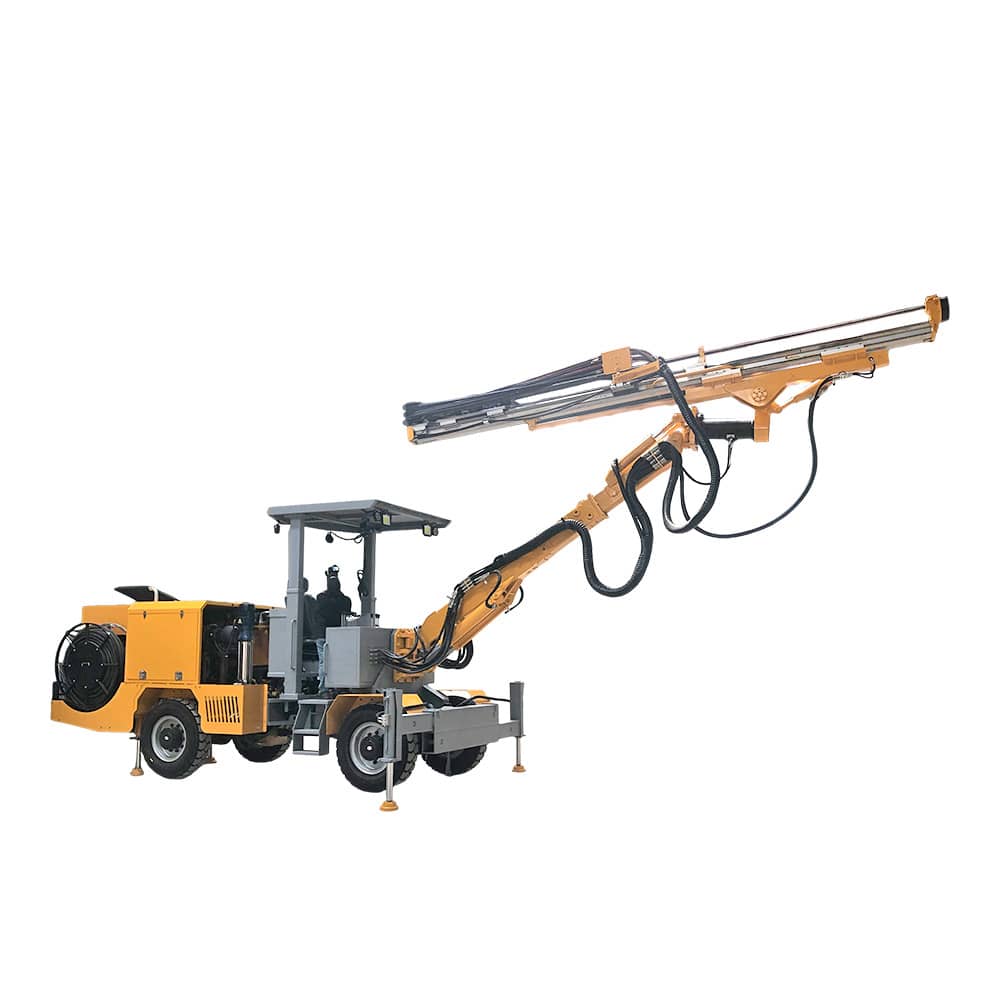
Mining operations face a brutal reality underground. Deposits sit deeper than ever, ground stress runs high, and ambient temperatures challenge human endurance. At the same time, veteran drillers are retiring, leaving mines with an acute shortage of skilled labor. In this environment, relying on manual drilling practices inflates cost per meter, drives up overbreak, and puts workers in high-risk zones.
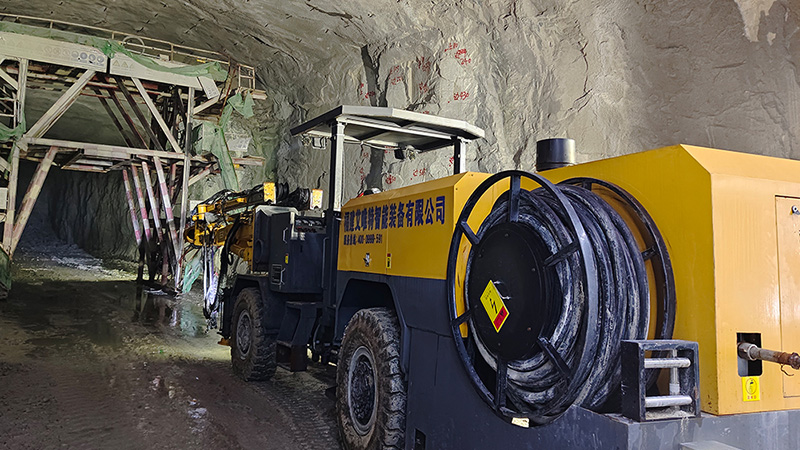
Modern underground rock drill rigs have evolved past simple hydraulic workhorses. Today, they serve as integrated digital platforms designed to pull operators out of harm’s way and stabilize cycle times. Forward-thinking equipment manufacturers like Aivyter design these machines to convert erratic underground conditions into predictable, repeatable production cycles.
Whether you manage fleet procurement, underground development, or mine safety compliance, assessing safety and automation packages is now critical to capital expenditure planning. If you plan to upgrade your fleet or evaluate upcoming tenders, review how these ten modern features protect your workforce and your bottom line.
1. Tele-Remote and Autonomous Operation
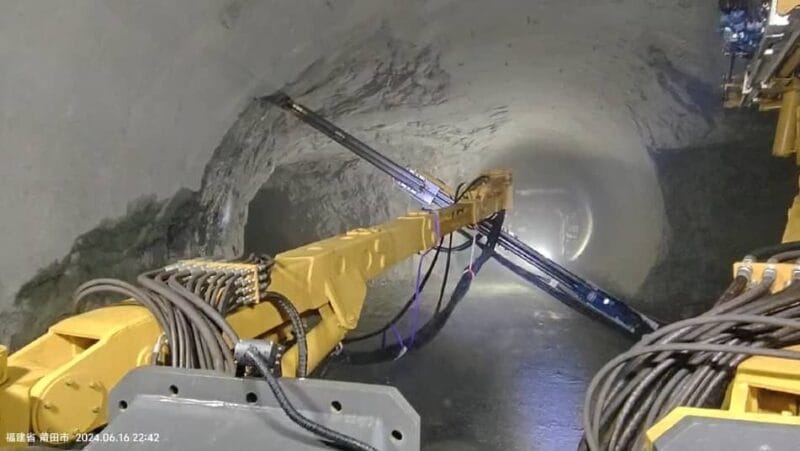
Direct exposure to unsupported ground remains one of the largest safety liabilities in hard rock mining. Tele-remote rock drilling breaks this exposure link completely. By relocating operators from the machine seat to an air-conditioned surface station or a secure refuge chamber underground, the driller steps clear of rockburst and roof-fall hazards.
This decoupling delivers operational continuity:
- Zero-delay shift handovers: Autonomous drilling continues straight through blasting clearances and shift changes when personnel cannot be underground.
- Multi-rig supervision: A single qualified operator can monitor two or three automated underground mining rigs simultaneously.
- Reduced physical fatigue: Ergonomic operator stations cut down on worker strain and lost-time injuries.
By keeping the drill bit moving during ventilation clears, mines recapture up to two extra hours of production every single day.
2. Automated Drill Plan Navigation and Boom Positioning
Manual collar spotting burns production time and causes uneven advance. Smart jumbo drills now integrate digital drill plans directly into the on-board navigation software. The rig uses total station positioning or absolute angle sensors to align its chassis against tunnel survey markers automatically.
Once referenced, the booms articulate autonomously to locate hole collars and match programmed angles, depths, and cut geometry. This precision curbs overbreak and underbreak, which frequently add massive downstream costs.
A half-meter overbreak per round demands thousands of extra tons of mucking, hauling, and shotcreting over a typical decline. High-accuracy navigation keeps your profile tight to design, saving substantial ground-support expenses.
3. Auto-Anti-Jamming and Adaptive Rock Drilling
Ground conditions shift within a single drill hole. Entering a soft seam, void, or fractured zone with full feed pressure instantly binds the drill string. This leads to stuck steel, broken shank adapters, and unplanned downtime.
Modern underground rock drill rigs deploy closed-loop, adaptive torque control. Pressure sensors continuously track hydraulic rotation pressure, percussion feed pressure, and penetration rate:
- The system detects pressure spikes within milliseconds of hitting fractured ground.
- It dials back feed force and momentarily ramps up flushing to clear cuttings.
- If binding starts, the system automatically reverses the feed direction until rotation pressure normalizes.
This automated response preserves drill steel, extends drifter maintenance intervals, and spares your mechanics from manually retrieving jammed strings.
4. FOPS/ROPS Certified Ergonomic, Pressurized Cabins
Compliance with stringent underground drilling safety standards begins with the cabin structure. Falling Object Protective Structures (FOPS) and Roll-Over Protective Structures (ROPS) provide mandatory survival space in case of seismic ground movement or severe rollover events.
Modern cabin design goes well beyond simple structural steel. Long hours underground expose operators to fine particulate matter, including silica dust and diesel particulates, alongside extreme decibel levels. Modern cabins feature high-capacity HEPA filtration units that run positive internal pressure, blocking contaminated drift air from entering.
Integrated rubber isolation mounts decouple the operator from carrier vibration, dropping noise levels well below 75 dB(A). Operators remain alert, make fewer operational errors, and face substantially fewer occupational health claims.
5. Proximity Detection and Collision Avoidance Systems (PDS)
Restricted sightlines and narrow headings make tramming a massive hazard. Drill rig proximity detection systems create dynamic, layered safety zones around the machine using industrial radar, LiDAR, and RFID technology.
When an individual wearing a safety tag enters the warning zone, the machine flashes external warnings and alerts the operator via the in-cabin screen. If the person steps into the hazard zone, the system takes direct control:
- It restricts tramming speed automatically.
- It locks out boom swing and feed extensions.
- It drops the emergency braking system if an immediate collision threat registers.
These interlocks help mining operations satisfy MSHA, OSHA, and global safety mandates by removing human error from pedestrian detection.
6. Automated Rod Handling Systems (RHS)
Handling heavy drill rods by hand on long-hole or bolting rigs creates persistent pinch-point and crush-injury risks. Automated rod handling carousels eliminate manual rod handling entirely.
The mechanical gripper arm pulls rods from the onboard cassette, aligns them with the drill center, and threads them under controlled hydraulic torque. When pulling back steel, the carousel disassembles and racks each rod smoothly. Mechanizing this routine delivers distinct gains:
- It removes personnel from the active rotation and feed area.
- It trims auxiliary rod-addition cycles by more than 30%.
- It keeps thread torque consistent, preventing stripped couplings and dropped steel down the hole.
Field data confirms that automation of heavy handling significantly lowers lost-time injury rates across underground drill teams, while keeping cycling times consistent.
7. Integrated Automatic Fire Suppression Systems
Fires in confined underground headings can prove catastrophic. With high-pressure hydraulic circuits routed near hot turbochargers and exhaust manifolds, immediate fire protection is non-negotiable.
Modern systems feature dual-zone linear heat detection cables paired with optical infrared sensors. These monitors track temperature spikes across the engine bay and hydraulic pump compartments around the clock.
When fire registers, the system triggers audio-visual alarms, cuts fuel flow, trips the engine shutoff, and discharges dry chemical powder along with liquid agent. Reliable manufacturers like Aivyter integrate these systems directly into machine CAN-bus networks. This integration ensures that the carrier grounds itself safely, depresses line pressures, and sends an alert over the mine network before the fire spreads.
8. IoT Telematics and Predictive Fleet Maintenance
Unplanned machine downtime wrecks mining schedules. Smart underground rock drill rigs function as mobile data hubs, logging hundreds of operating variables across every shift. Onboard telematics track drifter strike hours, hydraulic fluid temperatures, spool valve response times, and fuel or battery consumption rates.
Fleet managers leverage these metrics to change their maintenance approach:
- Predictive component wear: Mechanics receive automated flags when percussion pump pressure ripples indicate impending seal failures.
- Consumable tracking: Systems track rock drill meterage to pull drifters for resealing precisely when needed, preventing internal core failures.
- Operational audits: Managers identify operational issues, like excessive percussion idling or inadequate flushing, before they damage equipment.
Telematics turns unscheduled breakdowns into planned workshop visits, which keeps parts supply chains lean and protects machine availability.
9. Battery-Electric (BEV) Architecture and Zero-Emission Drilling
Ventilation remains one of the largest capital and operational expenditures in underground mining. Running diesel engines in dead-end drifts requires massive airflow volumes to dilute diesel particulate matter (DPM), nitrogen oxides, and waste heat.
Battery-electric underground rock drill rigs solve this ventilation bottleneck at the source:
- Zero direct emissions: Operators run equipment without breathing toxic exhaust gases.
- Lower heat generation: Electric drivetrains run far cooler than internal combustion engines, cutting cooling plant loads.
- Regenerative tramming: Heading down ramp inclines recharges the onboard battery system, recovering energy for production shifts.
Deploying BEV rigs cuts drift power requirements and can trim millions off mine-wide ventilation fan operations over the life of a development project.
10. 3D Face Profiling and Geological Measurement-While-Drilling (MWD)
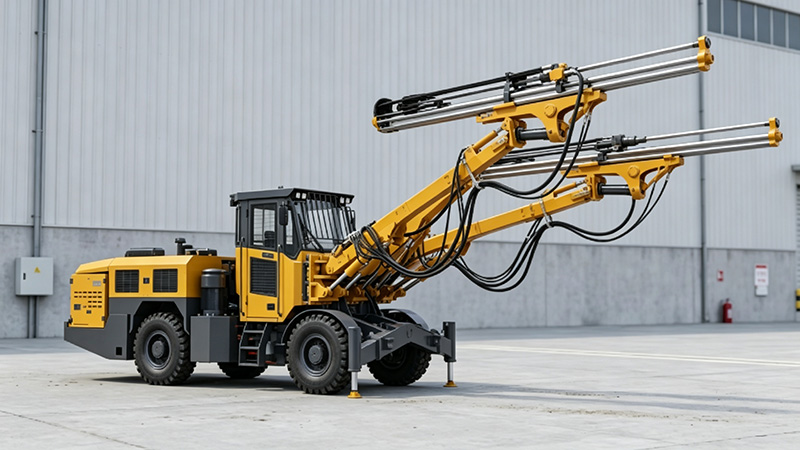
The rock mass rarely behaves uniformly. Modern drill rigs take the guesswork out of structural geology by executing 3D face scanning and logging Measurement-While-Drilling (MWD) data as holes are bored.
High-resolution LiDAR scans the face to map geological discontinuities, rock contours, and previous blast results. As the drill rod advances, the control system samples penetration rate, feed pressure, rotation torque, and water back-pressure every few millimeters. The system translates this data into a digital rock-hardness profile across the face.
Engineers use this live data to adjust blast design:
- They optimize explosive loading per hole, avoiding over-charging soft ground and under-charging hard ribs.
- They quickly modify ground support patterns by identifying hidden faults, voids, or water-bearing zones.
- They improve muck pile fragmentation, lowering crusher wear and mucking cycle times.
Data-driven decisions directly improve heading stability and lower total cost per blasted ton.
Drive Down Your Total Cost of Ownership
Evaluating underground rock drill rigs strictly on purchase price overlooks total operating realities. Initial capital costs represent a small slice of total machine lifecycle expense. Unplanned maintenance, overbreak repairs, bit replacement, and workplace injuries quickly drain your budget over time.
Investing in automation and integrated safety pays dividends across your income statement. Mechanized rod systems, automated drilling paths, and remote capabilities transform your production rates. Brand options like Aivyter bring these advanced capabilities to real-world mining sites, helping operators balance upfront capital outlays with rugged, long-term field performance.
Ready to upgrade your drilling operations? Reach out to our technical team today to request equipment specifications, discuss operational challenges, or receive a tailored return-on-investment calculation for your mine site.
Frequently Asked Questions (FAQ)
Q1: How does automated boom navigation directly reduce development costs?
A1: Automated boom navigation follows 3D digital drill plans with pinpoint accuracy, avoiding collar drift and angled hole errors. This keeps drilling profiles within strict engineering tolerances, which slashes overbreak. Minimizing overbreak limits the volume of excess rock that must be hauled, crushed, and replaced with expensive shotcrete and ground support materials.
Q2: Can older mines with limited network connectivity support tele-remote drill rigs?
A2: Yes. While full surface-to-face tele-operation runs best over high-bandwidth LTE or underground Wi-Fi networks, remote rigs also operate through local line-of-sight consoles or autonomous onboard programs. The rig continues its programmed cycle safely even if network dropouts occur, using local sensors to stop safely whenever needed.
Q3: What are the primary maintenance differences between standard hydraulic and automated drill rigs?
A3: Automated rigs rely more heavily on electronic sensors, linear transducers, and digital valves. While mechanical components like drifters, feeds, and chassis frames remain familiar, your maintenance teams will focus more on calibration, cable integrity, and control modules. Onboard telematics simplifies this transition by pointing technicians straight to the failing component.
Q4: How do automated rock drills adjust to unexpected ground fractures?
A4: Closed-loop anti-jamming controls monitor rotation torque and percussion pressures continuously. When the bit hits a fracture zone or void, feed force instantly drops, and the machine modulates water flushing pressure. If binding persists, the feed pulls back momentarily to clear the bit face before resuming forward drilling.
Q5: What return on investment (ROI) timeframe can mines anticipate from safety and automation upgrades?
A5: Most mining operations realize full payback within 12 to 24 months. These savings stem from reduced overbreak concrete costs, longer drill steel life, eliminated non-operational shift change windows, and fewer structural equipment impacts. Preventing even one serious lost-time injury or chassis collision often offsets the entire upfront automation investment.
about
Aivyter
We provides trusted air compressors and mining equipment, engineered for durability, efficiency, and demanding industrial applications.