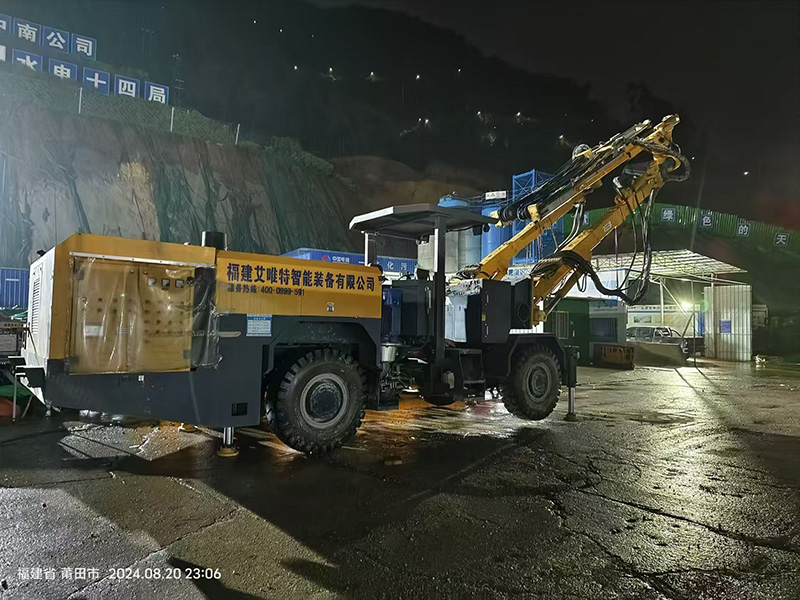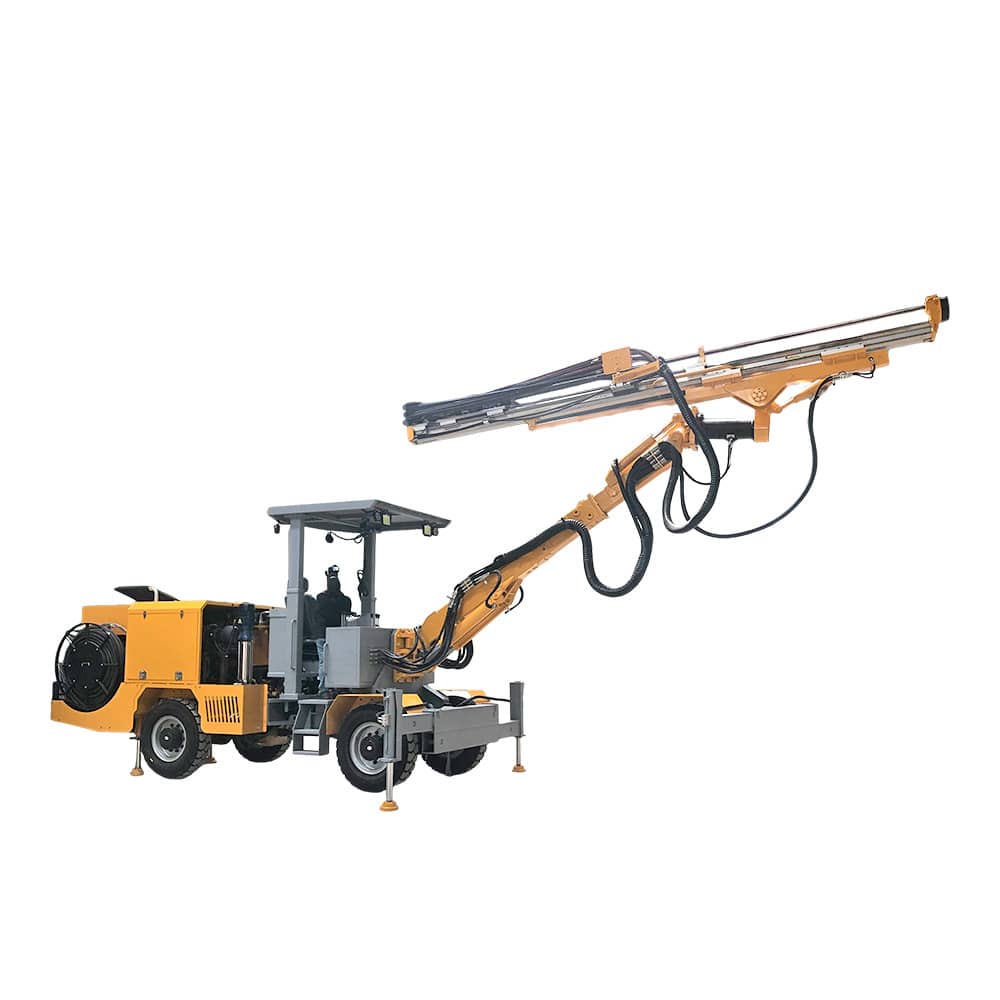
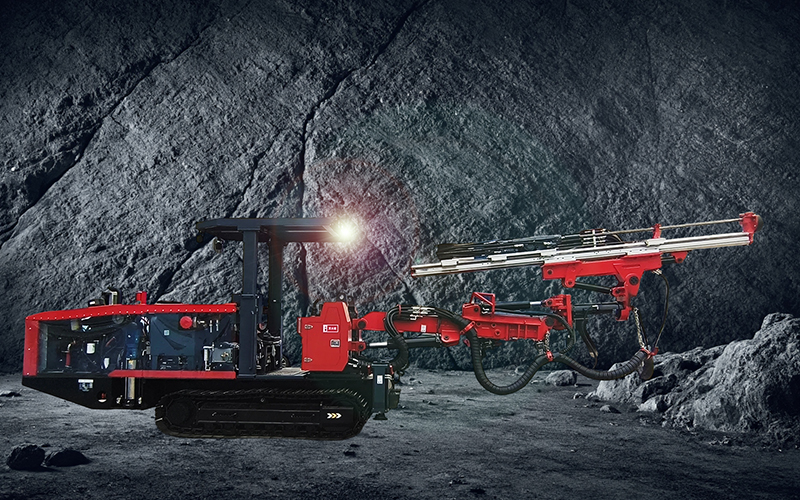
Working at the excavation face remains one of the most hazardous assignments in heavy civil infrastructure and underground mining. Operators position heavy machinery directly beneath newly blasted, unsupported rock mass to drill blast holes or install ground support. When crews run a heavy face drill rig in these tight, subterranean headings, mechanical power and geological instability exist side by side. Safety cannot remain a paper exercise or an afterthought.
For tunneling contractors and project directors, comprehensive safety protocols represent a direct operational safeguard. A single catastrophic incident halts tunnel advancement, triggers regulatory investigations, and generates crushing financial liabilities under Engineering, Procurement, and Construction (EPC) contracts. Manufacturers like Aivyter continuously refine equipment architecture to isolate operators from physical harm, but machine safety features must pair with strict, repeatable jobsite procedures.
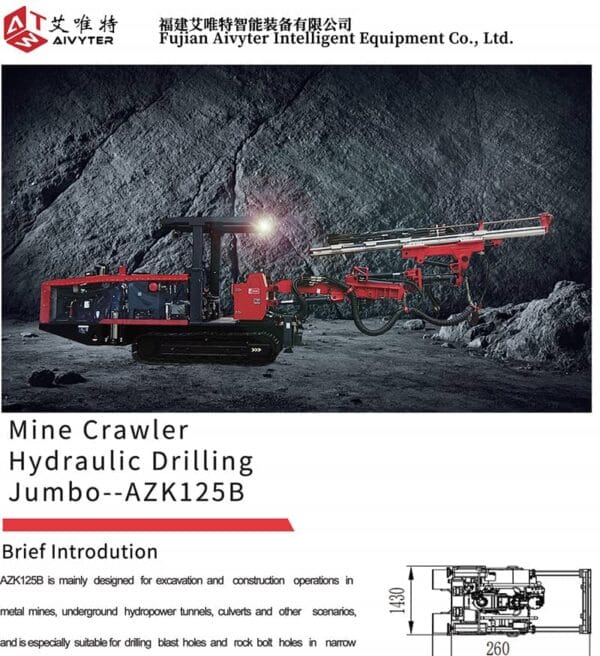
1. The Harsh Reality of the Tunnel Face: High Inherent Risks
The tunnel heading—commonly referred to as the face—is a dynamic environment under continuous ground stress redistribution. Once a blast cycle clears and initial mucking finishes, the exposed rock mass shifts. Geotechnical engineers classify these zones as high-threat working areas for several reasons:
- Uncontrolled Rockfalls and Rockbursts: Spalling slabs and deep rockbursts pose an immediate threat. Even small wedges of falling rock dropping from five or six meters can breach substandard protective structures.
- Hydraulic Fluid Injection: A modern face drill rig relies on high-pressure hydraulics operating at 150 to 250 bar. A pinhole leak in a degraded hydraulic line can discharge fluid with enough kinetic energy to penetrate personal protective gear and human skin, causing severe tissue necrosis.
- Respirable Crystalline Silica (RCS): Percussive drilling pulverizes quartz-bearing rock into sub-micron dust. Without aggressive suppression, operators risk developing irreversible silicosis.
- Acoustic and Vibrational Exposure: High-frequency drifters generate noise levels exceeding 100 dB(A) and severe low-frequency mechanical vibrations, degrading operator alertness over a ten-hour shift.
When an accident occurs at the heading, the consequences ripple across the entire operation. Beyond the tragic human toll, operations cease. The subsequent site lockdown, forensic investigations, and equipment repairs quickly erode project margins. Implementing rigorous protocols for the face drill rig safeguards human life while protecting valuable heavy machinery from avoidable damage.
2. Pre-Shift Defensive Measures: The Pre-Operational Checklist
Safety begins long before the operator turns the ignition key or activates the electric power pack. Pre-operational inspections create a protective barrier against human error and mechanical breakdown. Tunneling teams must complete three core inspection categories prior to every drilling round.
Strata and Ground Condition Assessment
Never move a heavy drill jumbo into an unsecured heading without thorough verification of the surrounding rock. Operators and shift bosses must confirm that mechanical scaling has thoroughly brought down loose slabs from the crown and sidewalls. Check the status of installed rock bolts, shotcrete lining, and steel arches from the prior round. If the face weeps water unexpectedly or displays freshly opened fissures under geological stress, halt operations and notify ground control engineers immediately.
Mechanical and Hydraulic Self-Checks
Walk around the face drill rig to inspect mechanical assemblies, feed beams, and rock drill units. Verify the following items methodically:
- Inspect drifter mounting brackets, feed chains, and slide pads for excessive play or cracking.
- Check all high-pressure hydraulic hoses for weeping, outer sheath abrasion, or structural kinking.
- Test every emergency stop (E-stop) button, including cabin switches, carrier-mounted mushroom buttons, and remote tether switches.
- Verify that boom interlock valves prevent unintended drift or dropping when hydraulic controls rest in neutral.
- Examine the high-voltage trailing cable for cuts, jacketing abrasions, or moisture ingress around coupling glands.
FOPS and ROPS Cabin Structural Integrity
The operator cabin functions as the final survival cell against falling ground or vehicle rollover. Confirm that the cabin structure displays clear certification compliance with ISO 3449 (Falling Object Protective Structures – FOPS Level II) and ISO 3471 (Roll-Over Protective Structures – ROPS). Never operate a face drill rig if the structural pillars show cut marks, bent members, or field welds that lack manufacturer authorization. Verify that safety glazing panels remain clean, scratch-free, and securely latched.
3. Active Operation Protocols: Balancing Manual Vigilance and Machine Logic
During live drilling, operators coordinate multiple booms simultaneously to execute complex blast patterns. The combination of dynamic boom articulation and percussive drilling stresses the entire carrier assembly. Adhering to strict operational guidelines prevents collisions, structural rollovers, and severe health hazards.
Anti-Jamming Controls and Multi-Boom Coordination
Modern drifters strike rock surfaces thousands of times per minute while rotation motors deliver continuous torque. If the drill string strikes broken ground or clay seams, it risks seizing. Operators must rely on automated anti-jamming (anti-stuck) hydraulic circuits that reverse feed pressure and increase rotation relief automatically. When operating a two-boom or three-boom face drill rig, maintain clear working zones for each feed beam. Crossing boom envelopes blindly can cause steel-on-steel collisions, snapping feed rails and bending boom cylinders.
Wet Drilling and Environmental Control
Dry percussive drilling is impermissible in underground headings. Operators must maintain correct water pressure and volume at the drill bit collar to suppress dust at the source. The air-water flushing cycle must clear drill cuttings efficiently without generating airborne respirable dust. Where water availability is constrained, verify that the drill rig misting systems and external suction hoods operate within regulatory limits. Cabins must maintain positive air pressure with working HEPA filtration to prevent micro-dust infiltration.
Exclusion Zones and Trailing Cable Management
Establish strict physical exclusion zones around the drill rig during operation. Ground personnel must never enter the articulation radius of the booms or approach the carrier’s rear swing zone without positive radio confirmation from the operator. Keep trailing electrical cables off the tunnel floor wherever possible using cable hangers. Running over a live 1000-volt drill jumbo trailing cable with support vehicles can cause sudden phase-to-ground flashovers and catastrophic site-wide power failure.
4. The Engineering Shift: Tele-Remote Operation and Sensor Integration
The underground tunneling sector continues to transition from manual, reactive operations to digitized, automated processes. Heavy equipment manufacturers, including Aivyter, build advanced sensory infrastructure directly into new-generation machinery to shift human crews away from the immediate hazards of the rock face.
Tele-remote control represents a major leap forward for crew safety. By utilizing secure wireless industrial fieldbus networks or underground fiber drops, operators can pilot a modern face drill rig from an enclosed control cabin hundreds of meters back in supported ground—or even from a surface control center. This eliminates direct worker exposure to falling ground, toxic blast fumes, noise, and vibration.
Smart on-board safety systems further reduce reliance on operator reaction time alone:
- Proximity Detection Systems (PDS): Radar, ultra-wideband (UWB), and RFID transponders continuously track personnel around the machine, dropping hydraulic pilot pressure if someone enters the danger zone.
- Geometric Anti-Collision Algorithms: On-board processors map feed beams and boom locations in real time, preventing operators from driving booms into one another, the carrier roof, or the tunnel walls.
- Digital Logging and Telemetry: Real-time alerts warn fleet supervisors of excessive hydraulic oil temperatures, low lubrication levels, and dangerous carrier inclinations before structural failures occur.
5. Maintenance and Lifecycle Management: Preventing Catastrophic Failures
Preventive maintenance on a face drill rig is an indispensable safety procedure. High-cycle percussive drilling introduces severe structural fatigue, loosening bolts and breaking seals across the carrier frame and feed assemblies.
Establish strict component retirement schedules based on operating hours rather than run-to-failure practices. High-pressure hydraulic lines must be replaced before their rated service life expires, regardless of visual appearance. Install protective burst sleeves over all hydraulic lines routed adjacent to the operator cab to divert high-velocity fluid jets away from personnel during sudden ruptures.
Schedule regular non-destructive testing (NDT) on critical load-bearing assemblies. Technicians should conduct magnetic particle or ultrasonic inspections on boom swivel pins, feed rail mounts, and chassis welds every 1,000 percussion hours. Microscopic fatigue cracks propagate quickly through high-tensile steel under underground impact loads; finding them early prevents disastrous boom collapses inside the heading.
6. Safety as a Strategic Bidding Asset
For tunneling contractors, strict safety standards go beyond regulatory compliance. Project owners, national transport authorities, and major mining houses scrutinize Lost Time Injury Frequency Rates (LTIFR) and equipment maintenance records during the procurement process. A flawless safety record, underpinned by robust face drill rig protocols and well-maintained machinery, forms a decisive competitive advantage when bidding on complex underground ventures.
When you protect the operator, you secure project milestones, avoid costly stop-work directives, and prolong machine working life. Reliable, well-built machinery from trusted manufacturers like Aivyter, combined with disciplined site crews, ensures that heavy infrastructure progress does not come at the expense of human safety.
Action Step: Implement these procedures immediately by standardizing daily safety audits across all active headings. Equip your site crews with systematic checklists, reinforce exclusion zones, and partner with equipment specialists who prioritize operator safety in every design detail.
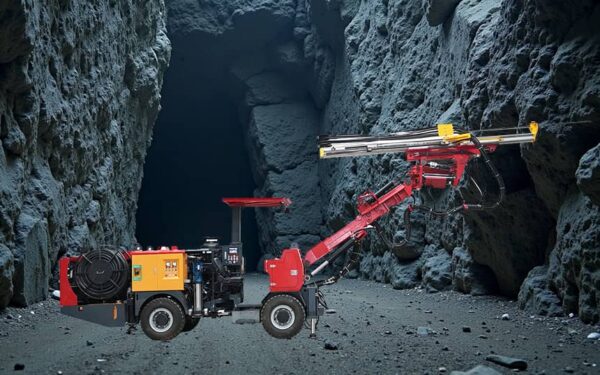
Frequently Asked Questions
Q1: What is the single most critical safety inspection to perform before operating a face drill rig?
A1: Confirming the structural stability of the unsupported heading. Even the most structurally resilient equipment cannot withstand major, catastrophic cave-ins. Verifying mechanical scaling and installed ground support comes first, followed directly by functional tests of the rig’s emergency stop circuits and FOPS/ROPS cabin integrity.
Q2: How often should high-pressure hydraulic hoses on a drill jumbo be replaced?
A2: Follow the manufacturer service manual, which typically prescribes hydraulic hose replacement every 1,000 to 2,000 operating hours or every 12 to 24 months, whichever comes first. Replace hoses immediately if you observe external blister formation, wire braid exposure, or fluid weeping along crimped fittings.
Q3: How does automated drilling improve underground jobsite safety?
A3: Automation software and pre-programmed drill plans allow the face drill rig to collar, drill, and flush blast holes with minimal manual adjustment. This permits the operator to remain inside an isolated, climate-controlled, FOPS/ROPS-certified cabin—or outside the hazardous zone entirely via tele-remote control.
Q4: Why is FOPS Level II required for underground tunneling face drill rigs instead of Level I?
A4: FOPS Level I (ISO 3449) is designed primarily for light construction applications against small falling tools or loose aggregate. Underground tunneling and mining demand Level II certification, which tests cabin roofs against high-energy impacts from heavy, falling boulders typical of unsupported rock headings.
Q5: What dust suppression measures are mandatory for drill rig operators?
A5: Constant water flushing at high pressure delivered straight through the hollow drill steel to the bit collar is mandatory. In addition, the rig should utilize cabin positive-pressure ventilation fitted with HEPA filtration, coupled with periodic tunnel air scrubbing and downstream misting curtains.
Elevate Your Project Standards Today: Are you looking to upgrade your tunneling fleet or need compliant, high-performance drilling machinery? Contact our engineering team at Aivyter to request detailed face drill rig specifications, arrange operator safety training modules, or discuss automated machinery solutions tailored to your ground conditions.
about
Aivyter
We provides trusted air compressors and mining equipment, engineered for durability, efficiency, and demanding industrial applications.