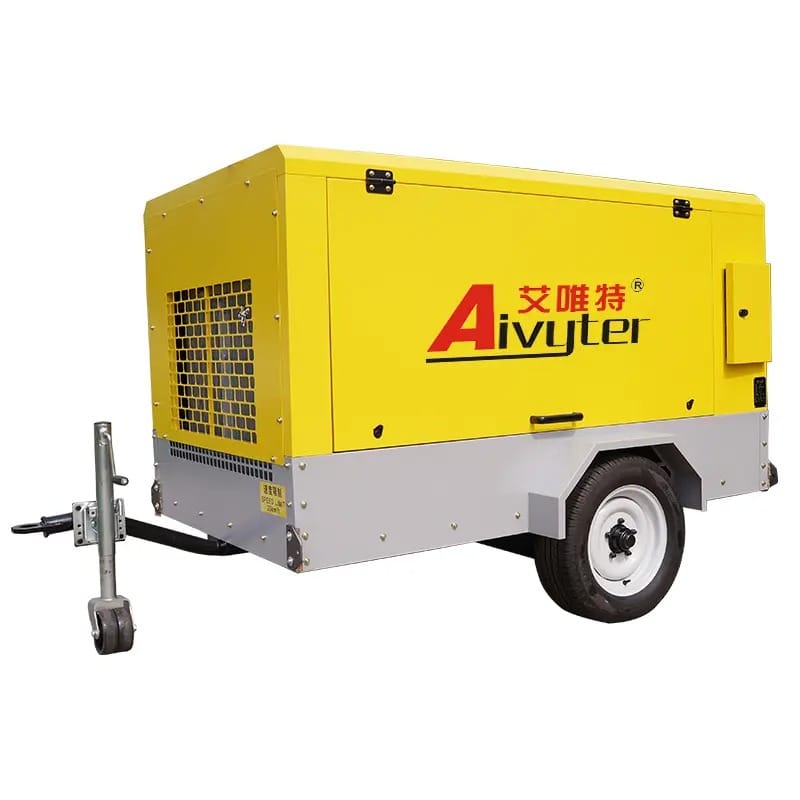
Industrial manufacturing, civil engineering, and mining operations rely heavily on continuous pneumatic power. In these demanding environments, the acquisition of reliable machinery requires a balance between budget allocation and operational reliability. Sourcing high-performing discount air compressors has become a standard practice for operators aiming to maintain robust production capabilities without exceeding capital expenditure targets. Achieving this balance requires a deep understanding of compressor design, engineering specifications, and the mechanical requirements of heavy-duty applications.
Selecting budget-friendly pneumatic machinery does not require accepting inferior construction. On the contrary, understanding the mechanical design of rotary screw and reciprocating compressors allows procurement teams to identify robust, high-efficiency systems sold at competitive prices. By examining the structural integrity of the air end, the efficiency of the motor, and the integration of protective control systems, industrial operators can deploy reliable air delivery systems that withstand harsh working environments.
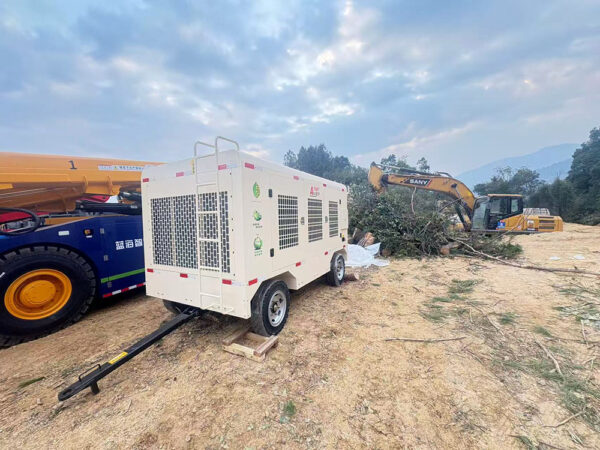
Evaluating the Engineering Specifications of Industrial Compressors
To identify high-performing systems within the budget segment, engineers must analyze primary performance parameters. The performance of any compressor is determined by its ability to deliver a specific volume of air at a consistent pressure, measured in Cubic Feet per Minute (CFM) and Pounds per Square Inch (PSI). These figures must match the requirements of the connected pneumatic tools or process machinery to prevent system starvation or pressure drops.
The duty cycle of the machine is another vital parameter. While light-duty applications can utilize reciprocating compressors with a 50% to 60% duty cycle, continuous industrial processes require a 100% duty cycle. Rotary screw machines are designed for continuous operation because the cooling fluid absorbs heat directly at the compression source. This thermal stability allows the equipment to run continuously without overheating, making the rotary screw configuration the preferred choice for manufacturing facilities and large-scale engineering sites.
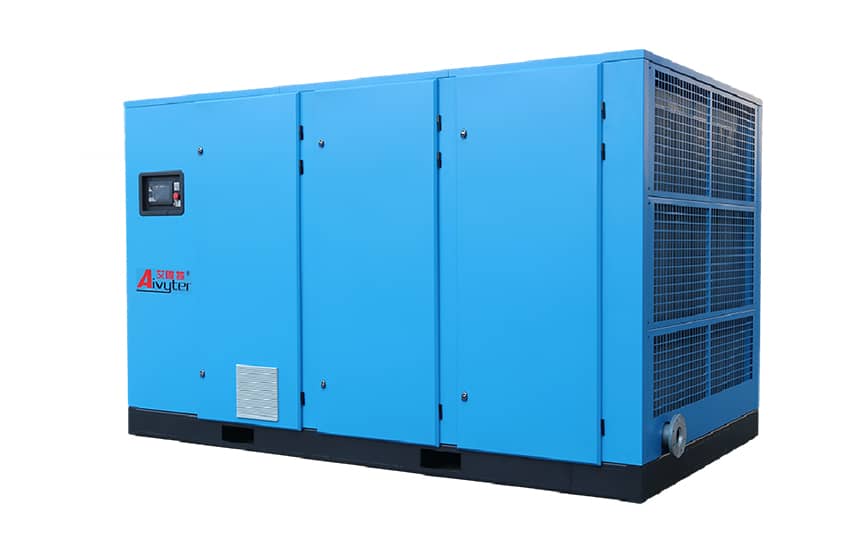
The design of the air end, specifically the rotor profile, determines the overall efficiency of the rotary screw system. High-quality systems utilize asymmetrical rotor profiles that minimize internal blow-by and maximize volumetric efficiency. When evaluating budget-friendly equipment, verifying that the air end features precision-ground rotors and high-grade roller bearings ensures long-term operational stability. Precision manufacturing processes prevent premature wear and maintain tight clearances within the compression chamber over thousands of operating hours.
Industrial Applications and Demanding Operational Environments
Pneumatic systems face diverse challenges depending on the industry in which they are deployed. Understanding these application scenarios helps determine the physical configuration and auxiliary systems required for the compressor installation.
Mining and Quarrying Operations
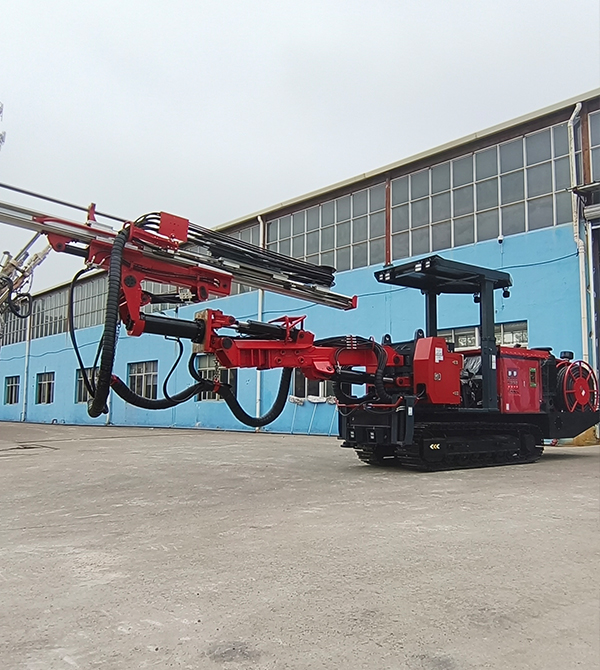
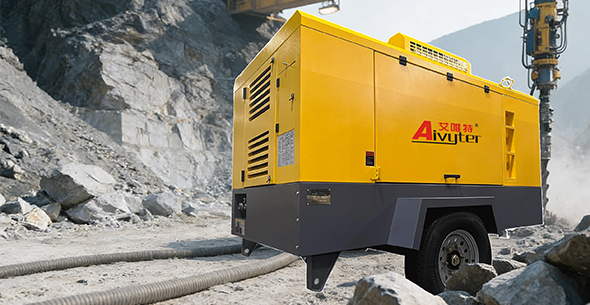
In underground and open-cast mining, compressed air powers heavy drilling rigs, ventilation systems, and pneumatic pumps. These environments are characterized by high levels of airborne particulate matter, extreme temperature fluctuations, and significant vibration. Air compressors deployed in mining require heavy-duty intake filtration systems to prevent fine dust from entering the compression chamber. High-efficiency multi-stage air filters remove particulates before they can reach the rotors, protecting the internal components from abrasive wear.
Construction and Civil Engineering
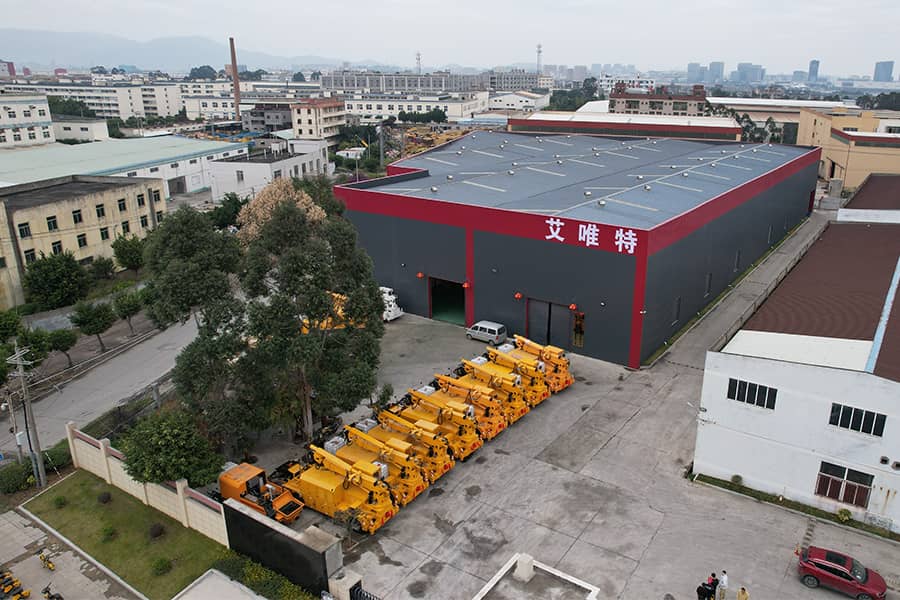
Construction sites require portable, rugged pneumatic sources to operate breakers, jackhammers, and shotcrete equipment. Road construction and bridge repair demand mobility and rapid deployment. Portable rotary screw systems, manufactured by specialists like Aivyter, are engineered to handle these dynamic conditions. These units feature robust canopies, durable running gear, and centralized control panels designed to withstand transport over uneven terrain and exposure to outdoor weather conditions.
In these mobile applications, utilizing durable discount air compressors allows operators to maintain high productivity across multiple job sites. The integration of high-capacity fuel systems, water separators, and heavy-duty chassis designs ensures that the machinery performs reliably under varying load demands and environmental conditions, preventing unscheduled downtime during time-sensitive construction phases.
Core Operational Challenges in Heavy-Duty Pneumatic Infrastructure
Operating industrial compressors involves managing several environmental and physical factors that can affect system life and efficiency. Addressing these challenges requires integrating proper auxiliary equipment and adhering to disciplined maintenance practices.
- Contamination and Moisture Management: Compression naturally concentrates moisture and ambient contaminants. Unmanaged water leads to rust in downstream piping, frozen air lines, and damage to pneumatic tools. Implementing high-efficiency aftercoolers and moisture separators immediately after the discharge port removes a significant percentage of condensed water.
- Thermal Management: Continuous compression generates substantial heat. Air-cooled systems require adequate ventilation and clean heat exchangers to prevent thermal shutdowns. In dusty environments, oil coolers can become restricted, leading to elevated discharge temperatures and accelerated lubricant degradation.
- Power Supply and Motor Protection: Fluctuations in electrical supply can damage compressor motors. Utilizing motors with IP55 protection and Class F insulation safeguards the electrical wind against dust ingress and high temperature rises.
By implementing targeted filtration and drying systems, operators can mitigate these issues. Sourcing dependable discount air compressors that feature built-in pre-filtration and robust thermal management systems ensures that downstream processes remain free of liquid water, oil aerosols, and particulates, protecting sensitive instrumentation and production quality.
Procurement Strategies for Industrial Air Compressors
When searching for cost-effective pneumatic equipment, procurement specialists must look beyond initial pricing and examine the build quality and engineering support. Highly efficient manufacturing plants leverage simplified component layouts and standardized production lines to produce reliable systems without unnecessary complexity. This manufacturing efficiency allows buyers to secure capable machinery at highly competitive price points.
To ensure a successful procurement process, buyers should evaluate several design characteristics of the machinery:
- Component Accessibility: Check that routine maintenance parts, such as oil filters, air filters, and separator elements, are positioned for easy access. Simplified service access reduces maintenance labor time and encourages operators to perform scheduled servicing.
- Standardized Spare Parts: Select systems that utilize standard, widely available fittings, valves, and electrical components. This avoids reliance on proprietary parts, simplifying future maintenance and repairs.
- Heavy-Duty Canopy Construction: For outdoor or industrial environments, a powder-coated steel or aluminum enclosure protects internal components from corrosion and physical impacts while reducing operational noise levels.
By focusing on these parameters, it is possible to integrate discount air compressors into industrial workflows without sacrificing mechanical reliability. Established manufacturers such as Aivyter employ robust engineering principles to deliver high-output rotary screw machines that satisfy these industrial standards, providing reliable air delivery under continuous operation.
System Configuration and Auxiliary Equipment Integration
A compressor does not operate in isolation; it functions as the heart of a complete pneumatic network. Proper system design requires integrating auxiliary equipment to treat, store, and regulate the compressed air before it reaches the end-use applications.
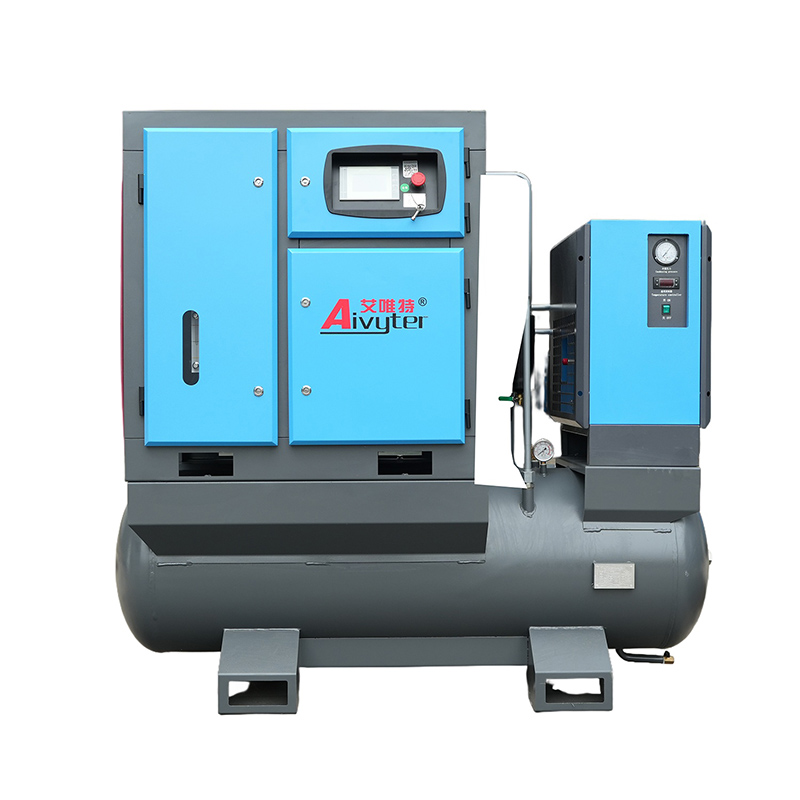
Air receiver tanks are vital for system stability. They act as pressure buffers, dampening pressure pulsations from the compressor and storing volume to meet sudden peaks in demand. A properly sized receiver tank prevents excessive compressor cycling, reducing wear on the intake valve and motor starters. For standard industrial installations, a receiver capacity of 3 to 5 gallons per CFM of compressor output is recommended.
Downstream filtration and drying are determined by the air quality requirements of the application. While basic construction tools can operate with simple water separators, precision manufacturing, packaging, and electronics assembly require high-efficiency refrigerated or desiccant air dryers and multi-stage coalescing filters. These systems reduce the pressure dew point and filter oil carryover down to fractions of a part per million, ensuring compliance with ISO 8573-1 air quality standards.
Industrial Inquiry and Consultation
Selecting the correct compressor configuration requires an accurate assessment of flow requirements, operating pressures, and environmental conditions. Over-specifying results in underutilized capacity and increased power consumption, while under-specifying leads to system pressure drops and accelerated equipment wear.
The engineering division at Aivyter provides comprehensive support to help specify the precise machine configuration for your application. To request engineering documentation, consult on specific flow demands, or obtain detailed specifications for our series of discount air compressors, contact our application specialists today. We will assist in selecting the ideal pneumatic system tailored to your exact operational and environmental parameters.
Frequently Asked Questions
Q1: What is the primary difference between direct-drive and belt-drive rotary screw compressors?
A1: Direct-drive systems connect the motor directly to the air end via a flexible coupling, offering high transmission efficiency and reduced maintenance because there are no belts to wear or align. Belt-drive systems use pulleys to transmit power, allowing for easy adjustment of output speeds, though they require routine belt tensioning and replacement.
Q2: How does ambient temperature affect the performance of a rotary screw compressor?
A2: High ambient temperatures reduce air density, which slightly lowers the volumetric efficiency of the compressor. More importantly, high temperatures limit the heat-rejection capability of the oil cooler, leading to higher discharge temperatures. Industrial compressors require adequate ventilation and regular radiator cleaning to operate reliably in hot climates.
Q3: Why is a minimum pressure valve necessary in a rotary screw compressor system?
A3: The minimum pressure valve, typically set around 50 to 60 PSI, maintains a minimum pressure inside the separator vessel during startup and unloaded operation. This pressure is required to force lubricant through the cooling and injection circuits, ensuring the air end remains lubricated before the system reaches full operating pressure.
Q4: How often should the compressor lubricant and separator element be replaced?
A4: Replacement intervals depend on the lubricant type and operating conditions. Standard synthetic lubricants typically last between 4,000 and 8,000 hours of operation. The oil separator element is generally replaced every 3,000 to 4,000 hours, or sooner if the pressure drop across the separator exceeds 10 to 15 PSI.
Q5: Can these compressors be used in high-altitude environments?
A5: Yes, but modifications may be required. At higher altitudes, lower atmospheric pressure decreases air density, which reduces the mass flow rate (CFM) of the compressor and affects motor cooling. The motor may require derating, and the pressure settings may need adjustment to ensure stable operation and prevent motor overloading.
about
Aivyter
We provides trusted air compressors and mining equipment, engineered for durability, efficiency, and demanding industrial applications.