In industrial manufacturing, mining operations, and heavy engineering construction, compressed air systems are foundational utilities. The continuous operation of rotary screw and reciprocating machinery relies heavily on the wear-resistance of individual components. Over time, friction, thermal stress, and environmental contaminants degrade internal surfaces, leading to reduced volumetric efficiency. To maintain operational continuity, procurement managers and maintenance engineers must prioritize high-grade compressor spare parts that meet precise mechanical tolerances.
For decades, industrial operators have relied on manufacturing partners like Aivyter to supply durable replacement components designed for harsh operating environments. Understanding the mechanics of component wear is the first step toward optimizing system longevity and preventing unscheduled operational interruptions.
1. Thermodynamics and Tribology of Compression Systems
Industrial compression systems operate on basic thermodynamic principles where gas volume is reduced to increase pressure. This reduction in volume generates high heat of compression. In rotary screw compressors, oil is injected into the compression chamber to absorb this heat, seal the clearances between the helical rotors, and lubricate the bearings. In oil-free variants or reciprocating pistons, mechanical clearances and specialized sealing rings prevent metal-on-metal contact.
As these systems operate continuously, they face severe mechanical stresses:
- Frictional Wear and Clearances: Rotors spin with clearances measured in microns. Any wear on the bearings or rotor profiles alters these clearances, causing internal backflow (slippage), which reduces volumetric efficiency and increases discharge temperatures.
- Thermal Degradation of Lubricants: The combination of high temperature and pressurized oxygen accelerates oil oxidation. Worn or cheap oil filters fail to remove oxidized byproducts, leading to sludge and varnish deposits on internal surfaces, which further restricts oil flow and heat dissipation.
- Abrasive Contamination: Ambient air drawn into the system contains microscopic particles. If the intake filter fails to capture particles in the 3 to 10-micron range, these particulates mix with the lubricant, turning it into an abrasive polishing compound that erodes rotor coatings and bearing surfaces.
To prevent these failure modes, selecting precise replacement components is vital for maintaining the original design parameters of the system.
2. Component Breakdown and Performance Criteria
Maintaining the design efficiency of industrial compressors requires an understanding of how individual components function under load.
Air-Oil Separators
These components employ mechanical coalescing principles. As the mixture of compressed air and oil enters the separator vessel, it undergoes a direction change to remove bulk oil. The air then passes through multi-layered borosilicate glass fiber media. This media captures microscopic oil aerosols through three physical mechanisms: direct interception, inertial impaction, and Brownian diffusion. The coalesced oil collects at the bottom of the filter and is returned to the lubrication circuit via a scavenge line. Properly engineered separators keep oil carryover below 3 parts per million (ppm) while maintaining a low pressure drop.
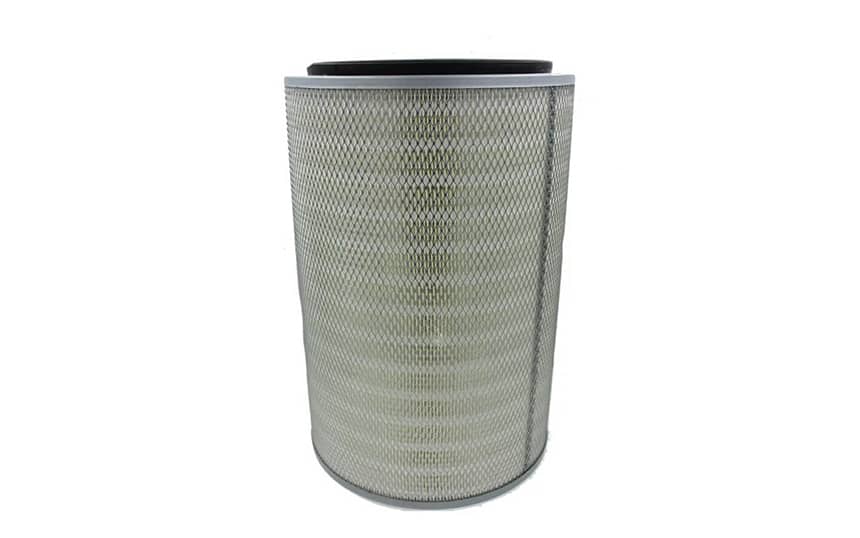
Air Inlet Filters
The intake filter is the first line of defense. High-quality filters utilize pleated cellulose or synthetic composite media with high dust-holding capacity and low initial resistance. They must withstand moisture without collapse and prevent dust passage that could contaminate downstream filters and lubricated zones.
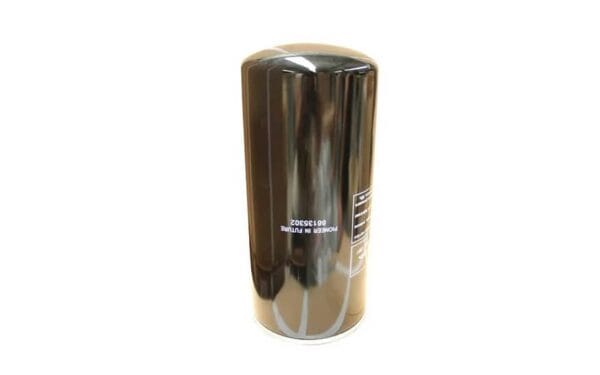
Oil Filtration Elements
These elements must withstand high system pressures and fluid bypass conditions during cold starts. High-durability oil filters include high-strength bypass valves, high-efficiency synthetic media, and heat-resistant elastomeric seals to prevent internal bypass and leaks.
Control Valves and Thermostatic Elements
Thermostatic valves regulate oil temperature by directing flow to either the air-cooled heat exchanger or directly back to the air-end. Intake regulation valves control the volume of air entering the compressor to match system demand. Spring fatigue or seal degradation in these valves leads to pressure instability and overheating.
When sourcing compressor spare parts, procurement teams should prioritize components designed to match the original physical dimensions, operating pressures, and material specifications of the machinery.
3. Environmental Challenges Across Key Heavy Industries
Industrial operations face distinct environmental variables that influence component wear rates.
Mining and Quarrying
These environments present high concentrations of abrasive airborne dust, coal particles, and rock fines. Heavy-duty dual-stage air filtration systems with centrifugal pre-cleaners are necessary to remove larger particles before they reach the main filter element. Vibrational forces from blasting and heavy machinery also require robust mounting brackets and reinforced filter housings to prevent mechanical fatigue.
Infrastructure and Construction
Mobile compressors used in road building and structural construction are exposed to fluctuating ambient temperatures, dust, and rain. The rubber hoses, couplings, and synthetic seals used in these systems must maintain flexibility and physical integrity across temperatures ranging from sub-zero winter conditions to intense summer heat.
Chemical Processing and Refining
In chemical facilities, the intake air may contain trace corrosive gases, acidic vapors, or solvent fumes. These compounds can chemically attack standard nitrile gaskets and polyurethane filter media. Under these conditions, fluoroelastomer (FKM) gaskets and specially treated stainless steel separator frames are necessary to prevent degradation.
To support these varied industrial applications, Aivyter manufactures high-durability replacement parts designed to withstand extreme environments, ensuring continuous air supply in the most demanding conditions.
4. Materials Engineering and Quality Standards
The performance of replacement components depends entirely on the quality of materials and manufacturing tolerances.
- Metallurgy and Structural Integrity: Rotary screw shafts, gears, and valve bodies must be manufactured from high-tensile strength alloys capable of enduring continuous torsional and cyclic stresses. Heat treatment processes, such as gas nitriding or induction hardening, are used to increase surface hardness and wear resistance without making the core brittle.
- Precision Dimensional Tolerances: Component dimensions must be accurate to the micron. Minor variations in the diameter of a shaft seal, the pitch of a thread, or the thickness of a valve plate can cause internal friction, oil leakage, or premature component failure. Advanced coordinate measuring machines (CMM) are used during manufacture to verify dimensional accuracy.
- Elastomer and Seal Chemistry: Seals and O-rings must be chemically compatible with the specific compressor lubricant. Synthetic lubricants, such as polyalphaolefins (PAO) or polyol esters (POE), can cause standard rubber compounds to shrink, swell, or crack. Fluorocarbon (Viton) and polytetrafluoroethylene (PTFE) are preferred for high-temperature, synthetic oil applications due to their broad chemical resistance and wide thermal operating range.
By purchasing compressor spare parts that adhere to these strict metallurgical and chemical standards, operators can maintain the mechanical efficiency of their air-ends and minimize unplanned downtime.
5. Preventive Maintenance Protocols and Fluid Analysis
Implementing a proactive maintenance schedule based on operating hours is the most effective way to protect capital assets.
Scheduled Interventions
- 2,000 Hours: Replace intake air filters and oil filters. Conduct lubricant sampling to analyze viscosity, acid number, and wear metals.
- 4,000 Hours: Replace the air-oil separator element and clean the return line nozzle. Service the thermostatic valve and minimum pressure valve with new spring and seal kits.
- 8,000 Hours: Perform a complete service of the intake valve, oil stop valve, and check valves. Replace flexible drive couplings and check motor alignment.
The Role of Fluid Analysis
Regular oil analysis acts as an early warning system. An increase in iron or copper PPM indicates bearing wear, while a drop in lubricant viscosity indicates thermal shearing or chemical contamination. This data allows maintenance managers to plan component replacements before a catastrophic mechanical failure occurs.
Energy Efficiency Considerations
A clogged air-oil separator or air filter increases the pressure drop across the system. For instance, an additional 0.1 bar pressure drop across a dirty filter forces the compressor to work harder, consuming approximately 1% more electrical energy at the motor. Regular replacement of filtration components keeps energy consumption at baseline levels.
Utilizing premium compressor spare parts from reliable suppliers like Aivyter ensures that scheduled maintenance intervals are met with reliable components, safeguarding downstream pneumatic equipment.
6. Industrial Sourcing and Inquiry Guidelines
Industrial operators require a dependable supply chain for replacement parts to maintain operational continuity. Sourcing components from a manufacturer with deep engineering expertise ensures that replacement parts perform reliably under continuous heavy load.
Whether managing a fleet of mobile construction compressors, a deep-shaft mining ventilation system, or a high-capacity manufacturing plant, having access to custom-engineered parts, exact-specification matching, and rapid shipping is vital.
To discuss your specific equipment requirements, request detailed part cross-references, or obtain bulk pricing for your maintenance schedule, please submit an inquiry to our application engineering department. We provide tailored solutions to match your operating parameters.
Frequently Asked Questions
Q1: What is the primary cause of oil carryover in compressed air systems?
A1: Oil carryover is usually caused by a saturated or damaged air-oil separator element, an obstructed scavenger line, or operating the compressor outside its designed pressure limits. When the scavenger line is blocked, coalesced oil cannot return to the compressor oil circuit and is carried downstream with the compressed air. Selecting high-grade compressor spare parts with durable borosilicate media and ensuring regular maintenance of the return line prevents this issue.
Q2: How does temperature affect the lifespan of compressor seals and gaskets?
A2: High operating temperatures accelerate elastomeric degradation. Standard nitrile rubber (NBR) seals lose their elasticity, become brittle, and crack when exposed to continuous temperatures above 100 degrees Celsius. For high-temperature environments, fluoroelastomer (Viton) or PTFE seals must be used, as they maintain physical properties up to 200 degrees Celsius and are highly resistant to synthetic compressor oils.
Q3: Why is pressure drop across filtration elements an important operational metric?
A3: Pressure drop (Delta P) represents the resistance to airflow through a filter. As filters accumulate dust or oil residues, the resistance increases. A higher pressure drop forces the compressor to operate at a higher discharge pressure to deliver the required pressure at the point of use. This increases energy consumption and places additional thermal and mechanical strain on the motor and drive components.
Q4: What is the difference between cellulose and synthetic glass fiber media in oil filters?
A4: Cellulose media consists of natural wood fibers, which are relatively thick and irregular, offering lower filtration efficiency and dust-holding capacity. Synthetic glass fiber media consists of much thinner, uniform fibers that provide higher pore density. This allows synthetic filters to capture smaller particles (down to 1-3 microns) with lower initial resistance and greater durability under mechanical stress and high temperatures.
Q5: How do environmental conditions in mining operations impact air inlet valve performance?
A5: Mining environments feature high levels of abrasive particulate matter. If these particulates bypass the primary air filter, they can lodge in the seat of the intake control valve, preventing it from closing fully during unload cycles. This leads to system over-pressurization and motor overload. Using dual-stage air intake elements and durable replacement valve kits is vital to prevent operational failures in these dusty environments.
about
Aivyter
We provides trusted air compressors and mining equipment, engineered for durability, efficiency, and demanding industrial applications.