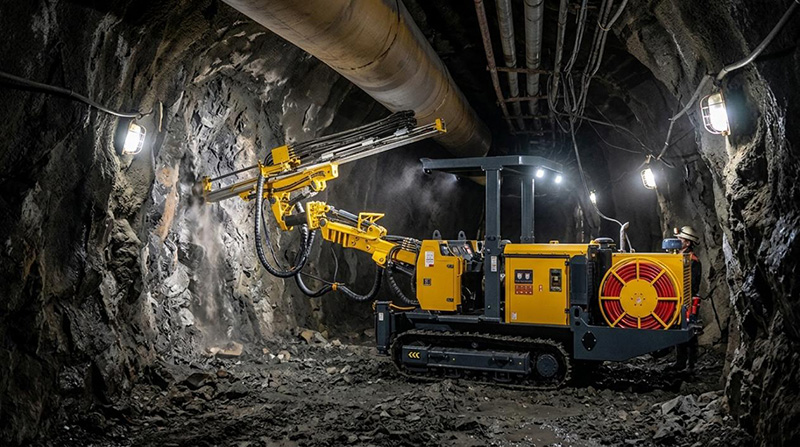
Mining operations and tunneling infrastructure projects in 2026 face unprecedented engineering pressures. Orebodies run deeper, ground conditions are more volatile, and strict global safety standards leave no room for equipment failure. In this demanding environment, your choice of equipment partner directly impacts your cost per meter and overall project profitability.
A single week of unplanned downtime caused by a broken hydraulic rock drill or an unresponsive vendor can cost tens of thousands of dollars. Finding a dependable underground drilling rig supplier is no longer just a purchasing routine. It is a critical operational decision that dictates your underground advance rate and crew safety.
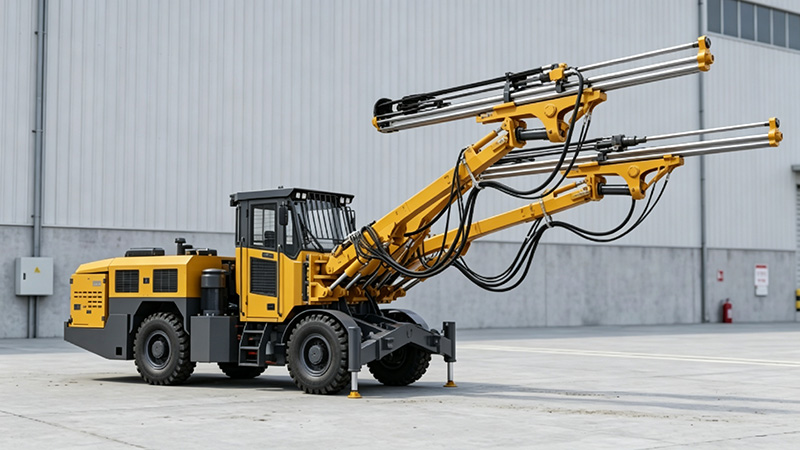
Whether you need a single-boom face drilling jumbo for rapid tunnel advance or a fleet of production rigs for narrow-vein stoping, working directly with established manufacturers like Aivyter ensures technical precision and factory-direct support. If you are preparing your procurement plans for upcoming tenders, submit an inquiry to our technical team today for equipment specifications and direct factory quotes.
The 2026 Underground Shift: Why Supplier Selection Has Changed
Deep mining projects across South America, Africa, Australia, and Northern Europe now encounter extreme rock mechanics. High rock stress, thermal gradients, and narrow headings require drilling rigs with better structural rigidity and higher hydraulic efficiency. At the same time, regional carbon mandates and underground ventilation costs force contractors to scrutinize equipment power consumption.
A conventional middleman or trading company cannot solve these complex underground challenges. They supply off-the-shelf catalog units without understanding geotechnical conditions, hydraulic backpressure, or local carrier emission regulations. When a boom cylinder cracks or an electrical fault stalls a jumbo deep inside a decline, trading firms usually point fingers at third-party factories.
To secure a reliable return on investment, procurement managers now bypass brokers. They deal directly with heavy equipment manufacturers that design, fabricate, test, and support machinery throughout its operating lifecycle.
5 Critical Criteria for Evaluating an Underground Drilling Rig Supplier
To help mine owners, project directors, and engineering contractors select the right manufacturing partner, we have outlined five foundational benchmarks for your supplier evaluation process.
1. True Manufacturing Infrastructure and Supply Chain Control
The industrial machinery market contains many firms claiming to be original equipment manufacturers (OEMs). In reality, many are small assembly workshops or trading intermediaries operating with outsourced labor and uncertain component sources. Sourcing heavy drilling assets from an unverified workshop brings massive risks in weld integrity, metallurgy standards, and hydraulic assembly cleanliness.
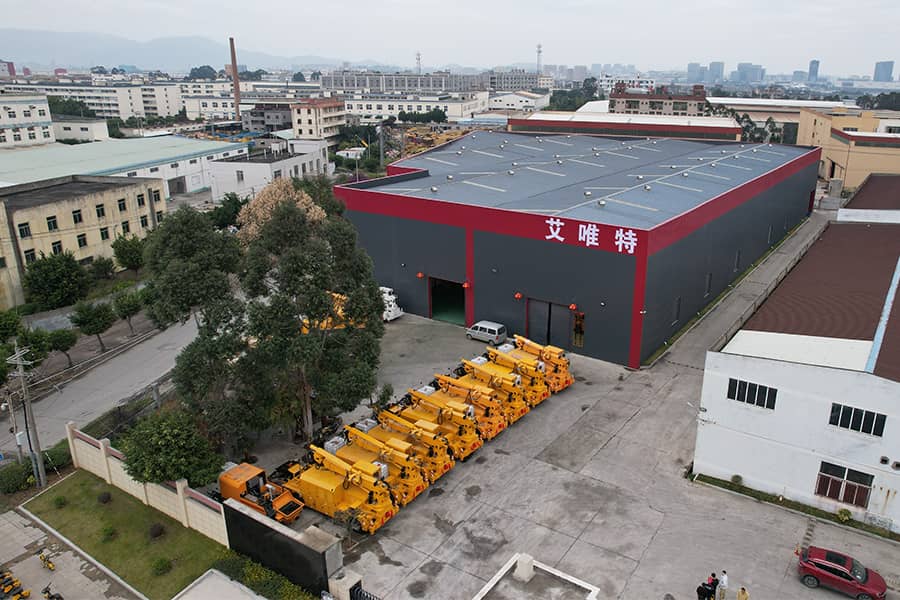
Always demand proof of physical production capability. A qualified mining drilling equipment supplier must own and run their own heavy fabrication facilities, robotic welding stations, precision CNC machining shops, and dedicated testing bays. Controlled internal manufacturing guarantees that structural components—such as heavy box-section booms and structural chassis—can handle thousands of hours of percussive impact without structural fatigue.
Established in 2009, Aivyter operates an advanced manufacturing facility spanning over 10,000 square meters. Every piece of equipment, from the initial steel plate cutting to final hydraulic pressure bench testing, runs under a closed-loop quality management protocol. This physical footprint gives our global clients direct production oversight and rock-solid supply chain predictability.
2. International Safety Compliance and Technical Certifications
Underground machinery operates in high-risk zones subject to stringent statutory oversight. A rig that lacks recognized engineering certifications can trigger costly customs hold-ups, fail site safety audits, and even void contractor insurance policies. When vetting an international supplier, verify that their technical design and electrical safety systems comply with destination-market mandates.
Your equipment partner should hold verified credentials, including:
- ISO 9001:2015: Verifies consistent manufacturing quality control across all production phases.
- CE Certification: Essential for European operations and increasingly recognized globally for machinery directive compliance, falling object protective structures (FOPS), and rollover protection (ROPS).
- Third-Party Inspection Approvals: Verification from global inspection bodies such as TUV and SGS for structural welding and electrical insulation integrity.
- Underground Flameproof Standards: Proper isolation for electrical control panels, explosion-proof motors, and low-smoke hydraulic hoses.
Never rely on PDF certificates alone. Ask the supplier for their certification registration numbers and verify them directly with the issuing agencies before issuing a purchase order.
3. Custom Engineering and OEM/ODM Adaptability
No two underground projects share identical cross-sections or geological formations. A standard underground tunneling rig built for a 5m x 5m civil tunnel will struggle inside a 2.5m x 2.5m sub-level gold vein. Similarly, drilling through fractured granite requires different drifter impact energies and feed beam configurations than drilling through soft sedimentary rock.
An exceptional OEM drill jumbo manufacturer must employ an experienced in-house engineering team capable of customizing chassis widths, boom pivot points, drill feeds, and operator cabin profiles. Key customization queries to pose include:
- Can you reconfigure the boom geometry to drill flat lifeline holes near the tunnel roof and wall corners?
- Can your electrical control architecture operate on non-standard mine voltages (e.g., 660V, 1000V, or 1140V at 50Hz/60Hz)?
- Do you provide flexible carrier options, including articulated diesel chassis or zero-emission battery electric platforms?
- Can the rig accept specific automated drilling and anti-jamming hydraulic circuits tailored to unstable ground conditions?
Aivyter works directly with project contractors to adapt our equipment platforms. Our engineers assess your tunnel dimensions, rock hardness (Protodyakonov scale / UCS), and ventilation restrictions to deliver bespoke boom configurations and hydraulic systems that match your mine design.
4. Equipment Ecosystem Synergy: Face Drilling, Shotcreting, and Air Power
Modern underground excavation is a rapid cyclic process: drill, blast, muck, scale, and support. A drill jumbo cannot generate production value in isolation. If your support cycle falls behind because your concrete spraying system breaks down, your high-speed drilling rig sits idle in the tunnel drift.
Forward-thinking mine procurement teams avoid sourcing disparate machines from five different vendors. Sourcing your face drill jumbo from one broker, your wet shotcrete sprayer from a second, and your industrial air compressor from a third creates maintenance bottlenecks. It leads to fragmented spare parts inventories, conflicting service engineers, and mismatched operating pressures.
Prioritize an equipment partner that provides a unified underground working ecosystem. For example, Aivyter manufactures an integrated underground equipment portfolio:
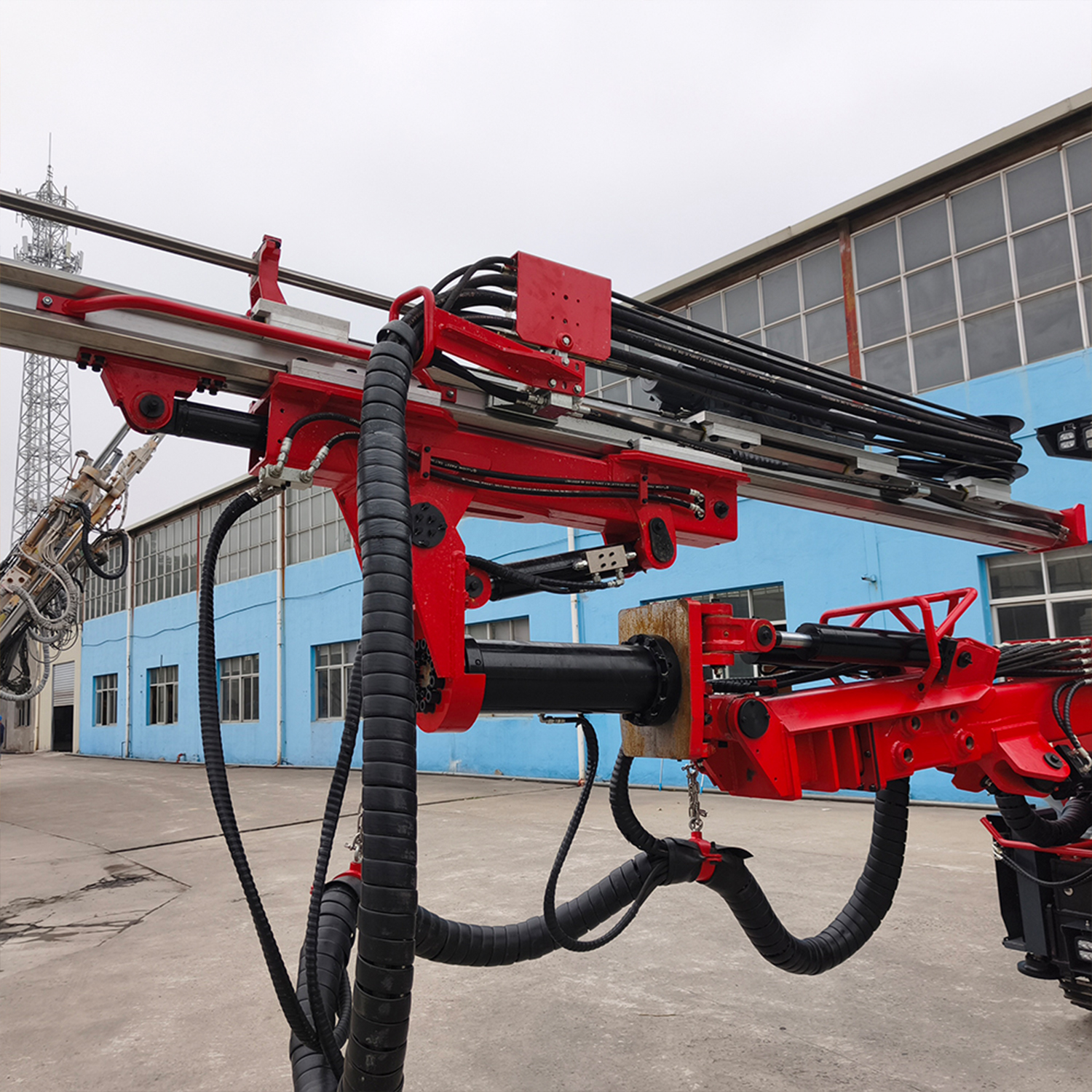
- Drill Jumbos: High-frequency percussive face drilling rigs and rock bolting units engineered for fast cycle times and precise hole alignment.
- Wet Shotcrete Manipulators: Heavy robotic concrete spraying trucks that follow close behind the advance face to provide structural ground support with low rebound rates.
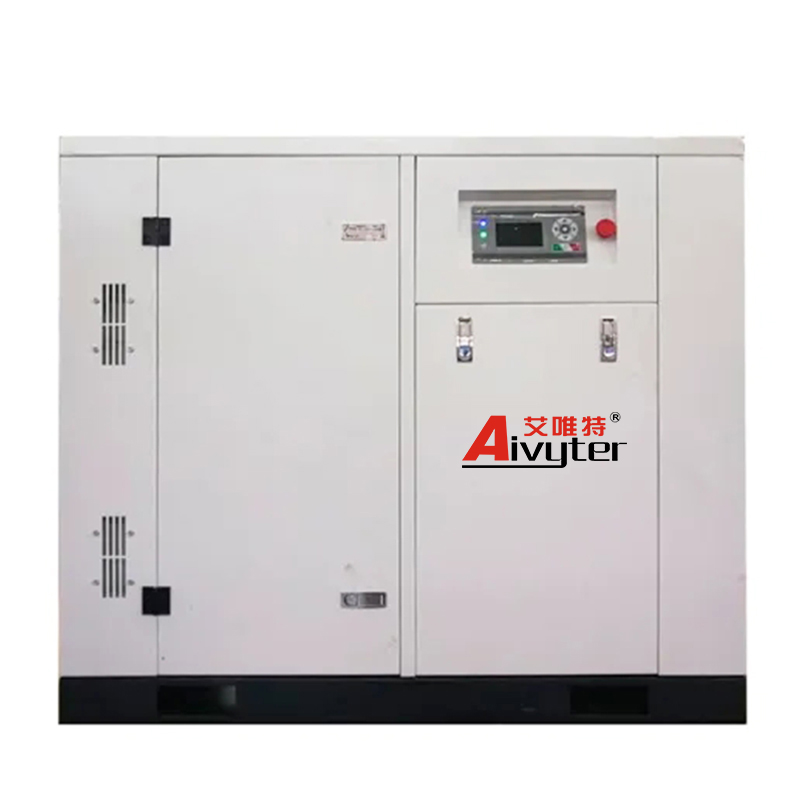
- Industrial Screw Air Compressors: Heavy-duty, skid-mounted or stationary screw air compressors that supply clean, dry, high-pressure air for rock drill flushing, shotcrete atomization, and underground pneumatic tools.
This holistic manufacturing approach allows mine operators to source their main development assets from a single trusted supplier. It unifies operator control logic, centralizes replacement filters, and ensures your air volume matches your drilling and shotcreting demands precisely.
5. Total Cost of Ownership (TCO) and Global After-Sales Support
The upfront purchase price of an underground rig typically represents only 20% to 30% of its total lifecycle cost. The remaining 70% goes into hydraulic rock drill consumables, wear components, replacement seals, hydraulic oil, electrical parts, and field service labor.
A low initial price tag from an irresponsible supplier turns into an expensive trap when replacement drifter parts take ten weeks to arrive, or when the vendor cannot provide an English-speaking hydraulic engineer to troubleshoot a main control valve failure. When assessing prospective manufacturers, look closely at their commercial logistics and international trade capabilities.
An experienced hydraulic rock drill supplier must maintain clear service policies:
- Direct Export Credentials: Independent import and export rights to eliminate export-agent markups and prevent export licensing delays.
- Spare Parts Availability: Guaranteed stock levels of high-wear parts, including drifter diaphragm seals, shank adapters, rotation chucks, and hydraulic filters.
- Rapid Technical Dispatch: A dedicated engineering team available for overseas site commissioning, operator training, and remote diagnostic support via encrypted industrial telemetry.
- Component Traceability: Transparent use of globally supported Tier-1 hydraulic valves, hydraulic pumps, and diesel powertrains, ensuring that replacement elements can be obtained locally if emergency needs arise.
On-Site and Virtual Supplier Audit Checklist
Before transferring advance payments or signing letters of credit for major underground machinery, execute a formal audit. Use the following practical checklist whether you visit the factory in person or perform a live video audit:
- Structural Raw Materials: Confirm the grade of steel plate used on the main chassis and boom assemblies. Ensure the supplier uses high-strength structural alloy steel rather than commercial-grade carbon steel.
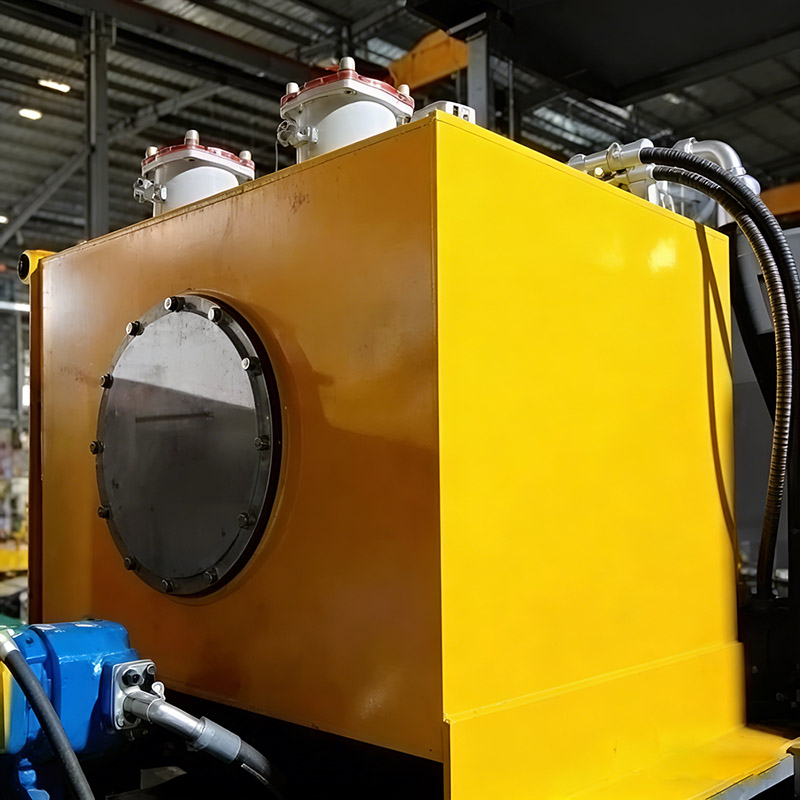
- Hydraulic Assembly Environment: Check the assembly area for hydraulic valves and drifters. Is the workshop dust-free and equipped with precision fluid filtration benches? Contamination during assembly causes premature valve failure.
- Full-Power Load Testing: Does the factory test machines under full load before dispatch? Demand to see running pressure data, boom deflection records, and hydraulic oil temperature stability runs on a live test wall.
- Traceable Component Sourcing: Inspect brand names on hydraulic pumps, pilot joysticks, electrical switchgear, and diesel engines. Top manufacturers build using reputable components that comply with international industrial standards.
- Direct Contact with Factory Engineers: Insist on discussing technical specs directly with the lead design engineer. If your primary contact is a sales intermediary who cannot explain hydraulic circuit diagrams without consulting an external third party, look elsewhere.
Comparison Matrix: Factory-Direct Supplier vs. Equipment Broker
To help guide procurement meetings, consider these operational differences between dealing directly with a manufacturing partner versus a broker:
- Engineering Customization: Factory-direct suppliers design custom boom spreads, carrier widths, and working voltages in-house. Brokers can only supply fixed standard units from third-party catalogs.
- Pricing Structure: Direct manufacturers offer factory pricing with no middleman margins. Brokers charge substantial distribution markups that inflate acquisition costs.
- Quality Assurance: Manufacturers perform direct ultrasonic weld testing, multi-stage pressure tests, and run factory FAT sign-offs. Brokers rely on second-hand assurances from external factories.
- Lead Times for Parts: Real manufacturers supply factory-original rock drill components and machined wear sleeves directly from active inventory. Brokers must place back-to-back purchase orders, introducing multi-week shipping delays.
- Technical Accountability: When using direct manufacturers, one company takes full responsibility for machine warranty, chassis performance, and electrical systems. Brokers often blame component suppliers or sub-assemblers when faults occur.
Frequently Asked Questions (FAQ)
Q1: What is the average manufacturing and delivery lead time for an underground drilling jumbo?
A1: For standard single-boom or double-boom drill jumbos, an established manufacturing plant generally takes between 45 and 75 days to complete production, quality bench tests, and pre-shipment crating. Highly customized units—such as rigs requiring explosion-proof cabins, unique mine rail gauges, or specialized boom extensions—can take 90 to 120 days. Planning your procurement four to six months ahead of your projected underground heading start date helps avoid shipping delays.
Q2: How do I choose between an electric-hydraulic drill jumbo and a diesel-driven underground rig?
A2: Most standard underground face drill jumbos use an electro-hydraulic design. They travel between headings using a low-emission diesel carrier engine, but plug into the underground mine electrical grid (typically 380V to 1000V) via a trailing cable reel during active drilling. This dual setup keeps underground air clean and reduces ventilation costs while drilling. Fully diesel-powered drilling rigs are typically reserved for remote exploration or tunnel sites without electrical substation infrastructure.
Q3: Why is hydraulic rock drill (drifter) selection so critical when evaluating suppliers?
A3: The hydraulic drifter is the mechanical heart of any drilling rig. It converts hydraulic fluid power into high-frequency impact energy and rotation torque to penetrate hard rock. A poorly engineered drifter suffers from seal degradation, excessive shank wear, and low penetration rates. Verify that your equipment partner manufactures or integrates proven, high-frequency drifters with reliable damping systems that protect the feed beam from destructive shockwaves.
Q4: Can standard drill jumbos be adapted to operate in narrow-vein mining applications?
A4: Yes, but only if you work with an equipment builder capable of custom mechanical engineering. Narrow-vein mines require ultra-compact chassis (often less than 1.3 to 1.6 meters wide), reduced turning radii, and custom protective canopies. Standard tunneling rigs cannot fit into these small headings. Clarify your minimum tunnel cross-section dimensions with your supplier so they can select or engineer a compact articulated carrier.
Q5: What initial spare parts package should we order alongside a new underground drill jumbo?
A5: When mobilizing equipment to remote mine locations, always order a “First-Year Critical Maintenance Package.” This package should include dynamic seal kits for hydraulic drifters, rotation chucks, strike bars (shank adaptors), slide pads for the aluminum feed beam, replacement pilot joysticks, proximity sensors, hydraulic filter elements, and spare pressure gauges. Working with an original manufacturer ensures that every spare part matches your machine’s engineering serial numbers.
Secure Your 2026 Mining Equipment Fleet with Aivyter
Selecting the right mining machinery partner determines your advance rates, operational safety records, and equipment return on investment. For operations aiming to eliminate costly machinery breakdowns and secure direct technical accountability, partnering with an experienced direct manufacturer is essential.
Aivyter brings over a decade of heavy manufacturing expertise, ISO-certified production facilities, and a complete portfolio of high-efficiency drill jumbos, wet concrete spraying manipulators, and industrial screw air compressors. We understand the harsh realities of modern underground operations and build machinery tough enough to withstand them.
Contact our international engineering sales division today. Submit your tunnel drawings, rock formation profiles, or upcoming equipment tenders to receive a detailed technical recommendation and a competitive factory-direct quote.
about
Aivyter
We provides trusted air compressors and mining equipment, engineered for durability, efficiency, and demanding industrial applications.