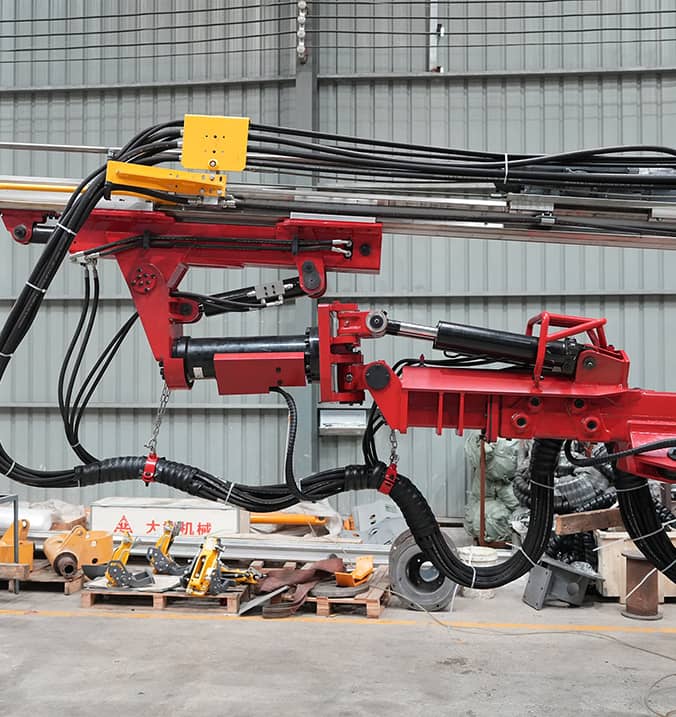
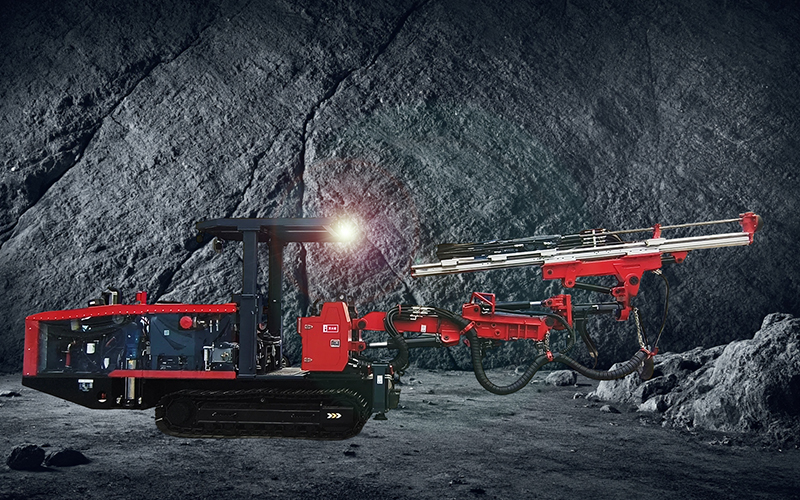
Excavating through hard rock formations like granite, quartzite, and basalt demands rugged, dependable machinery. In underground development, drilling cycle speed directly controls project profitability.
Modern operations rely on high-performance underground rock drill rigs to slash face cycle times, minimize overbreak, and safeguard drill crews from hazardous ground conditions.
Whether you manage a deep gold vein or drive a rail tunnel through solid quartz, choosing the right machinery is critical. Contact our engineering team at Aivyter today to evaluate equipment specs or request an immediate quote for your project.

Critical Factors When Evaluating Underground Rock Drill Rigs
Hard rock drilling subjects machinery to massive dynamic loads, high water volumes, and abrasive stone dust. Standard construction rigs cannot endure these underground conditions.
Mining engineers and project managers evaluate several technical factors before buying a hydraulic drill jumbo:
- Tunnel Cross-Section and Boom Reach: The boom must reach the perimeter profile effortlessly. Operators should avoid constantly repositioning the carrier just to reach contour holes.
- Percussion Power and Rock Hardness: For rock with a Protodyakonov rating of f≥10–14, high impact pressure (up to 230 bar) is essential to maintain high penetration rates.
- Carrier Dimensions and Tramming: Narrow access declines require tight turning radiuses, articulated steering, and robust climbing gradeability.
- Powertrain and Ventilation Standards: Tier 3, Tier 4, or Stage IV engines with hydrostatic drives reduce diesel particulate matter in confined stopes.
- Multi-Tasking Capability: Rigs should quickly convert from face blast hole drilling to rock bolting and ground support installation.
Top 5 Underground Rock Drill Rigs for Hard Rock Mining & Tunneling
The market offers various designs, but only a few deliver reliable uptime and low cost per meter drilled. Below are the five best hydraulic underground rock drill rigs engineered for demanding underground conditions.
1. Aivyter AZT-125: The Versatile Production Workhorse
The AZT-125 serves as an all-around production machine for small-to-medium mining operations. It balances a compact footprint with heavy-duty structural rigidity.
This model is built for mines running headings between 2×2 meters and 5×4 meters. It maneuvers tight haulage drifts easily without sacrificing face coverage.
- Coverage Area: Up to 24 m²
- Applicable Cross-Section: 2×2 m to 5×4 m
- Hole Diameter: 45–115 mm
- Powertrain: Hydrostatic tramming with a Yuchai 55.8 kW diesel engine (Stage IV compliant)
The AZT-125 shines in room-and-pillar or sublevel stoping. Its high-efficiency hydraulic rock drill cuts maintenance costs, while the clean-burning engine reduces stope ventilation demands.
2. Aivyter AZK-125B: Narrow-Vein Mining Specialist
Narrow-vein mining requires specialized machinery. Standard drill jumbos are simply too bulky for these spaces, often causing massive ore dilution.
The AZK-125B solves this challenge. It navigates entries as narrow as 2×2 meters while extending its boom to cover a generous 30 m² working face.
- Coverage Area: Up to 30 m²
- Applicable Cross-Section: 2×2 m minimum opening
- Hole Diameter: 45–102 mm
- Powertrain: Full hydrostatic transmission system
Contractors working in narrow gold, silver, and polymetallic veins favor this rig. Its boom reaches tough perimeter angles, allowing clean contour drilling with minimal overbreak.
3. Aivyter AZT1-6500: Single-Boom Power for Mid-Size Headings
Civil tunneling jobs like hydro access headings, utility drifts, and mid-sized mine drifts need maximum reach from a single-boom platform.
The AZT1-6500 provides this reach with a heavy-duty telescopic boom. It easily drills up to a working height of 6.5 meters.
- Coverage Area: Up to 5 × 6.5 m
- Applicable Cross-Section: 3×3 m to 5×6.5 m
- Hole Diameter: 43–102 mm
- Powertrain: Water-cooled turbocharged diesel engine with hydrostatic drive
The turbocharged engine thrives at high altitudes and in hot underground headings. Operators can drill face holes, cut holes, and bolt holes without leaving the safety canopy.
4. Aivyter AZT2-9700: Heavy-Duty Twin-Boom Tunneling Juggernaut
When high daily advance rates are mandatory, single-boom rigs cannot keep up. The AZT2-9700 dual-boom jumbo is built for large cross-section tunnels.
This rig handles railway tubes, highway bypasses, and large underground storage caverns. Dual independent booms work the face simultaneously to slash drilling cycle times in half.
- Drilling Speed: 0.8–2.0 meters per minute
- Impact Pressure: Maximum 230 bar
- Hole Diameter: 45–76 mm
- Powertrain: 129 kW water-cooled turbocharged engine
Pushing up to 230 bar of hydraulic impact pressure, the AZT2-9700 cuts through massive basalt and abrasive quartz. The synchronized booms deliver fast cycles, keeping excavation projects on schedule.
5. Aivyter Intelligent Automated Series: Precision and Digital Control
Automated underground rock drill rigs are transforming hard rock excavation. This intelligent series brings high accuracy to deep extraction projects.
Built-in computer control systems read drill plans directly. The rig positions its boom, collars holes, and adjusts feed rates with minimal operator intervention.
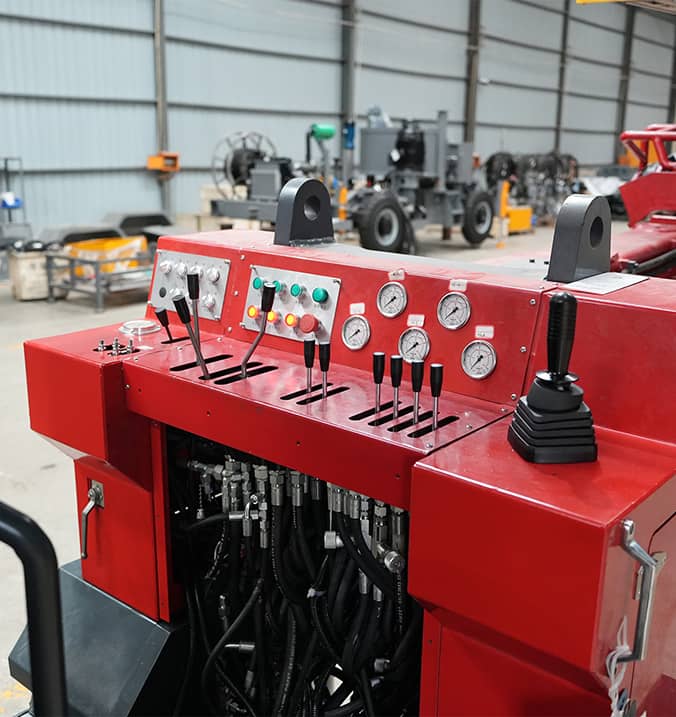
- System Integration: Full electro-hydraulic controls with multi-tier anti-jamming safeguards
- Cross-Section Flexibility: Configurable from 2×2 m to 5×6.5 m
- Drilling Diameter Range: 43–115 mm
- Guidance: Millimeter-accurate laser positioning with real-time profile projection
Automated anti-jamming systems monitor rock changes instantly. If the drill steel meets fractured strata, the hydraulic system drops feed pressure and increases flush volume, preventing stuck tools.
Technical Comparison Matrix
Review the primary technical specifications below to match these underground rock drill rigs to your mine’s geology and gallery cross-sections:
| Model | Drift Section | Drilling Coverage | Hole Diameter | Drive System | Recommended Application |
|---|---|---|---|---|---|
| AZT-125 | 2×2 – 5×4 m | 24 m² | 45–115 mm | 55.8 kW Stage IV Diesel | Small-to-medium mines, tight drifts |
| AZK-125B | From 2×2 m | 30 m² | 45–102 mm | Hydrostatic Diesel | Narrow-vein mining, low profile veins |
| AZT1-6500 | 3×3 – 5×6.5 m | 5 × 6.5 m | 43–102 mm | Turbo Diesel Hydrostatic | Hydro tunnels, main haulage access |
| AZT2-9700 | Large Profile | Twin-Boom Span | 45–76 mm (230 bar) | 129 kW Turbocharged | High-speed tunneling, large stopes |
| Intelligent Series | 2×2 – 5×6.5 m | Full adaptive face | 43–115 mm | Electro-Hydraulic Hybrid | Automated mining, precision profiling |
Why Contractors Partner with Aivyter for Underground Excavation
Selecting an equipment provider is about more than mechanical specifications. Mining operations need reliable uptime and responsive technical support.
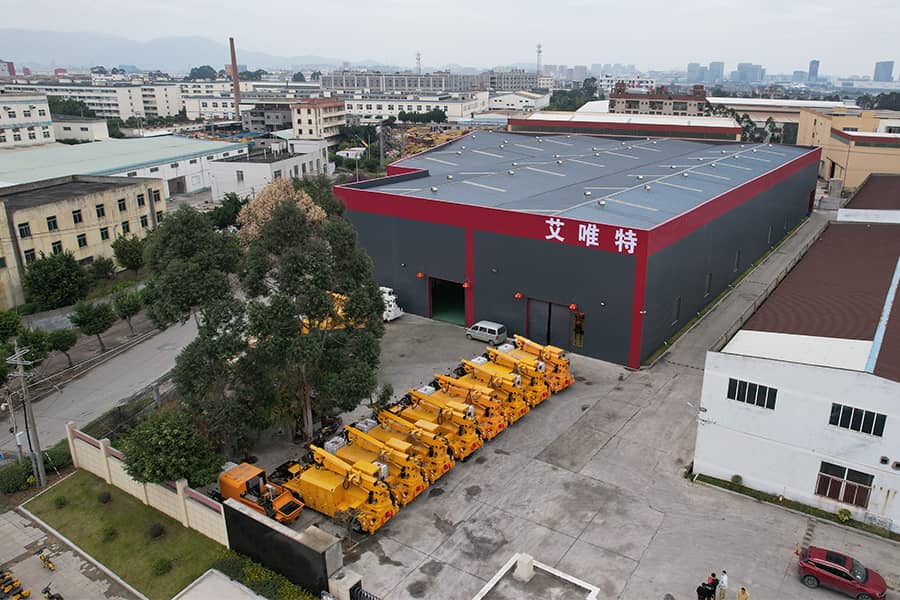
Aivyter manufactures industrial mining machinery across an advanced 10,000+ square-meter production facility. Every chassis, boom arm, and hydraulic circuit undergoes strict stress tests before shipping.
- Certified Manufacturing Quality: Machinery complies with ISO9001, CE, TUV, and SGS international safety certifications.
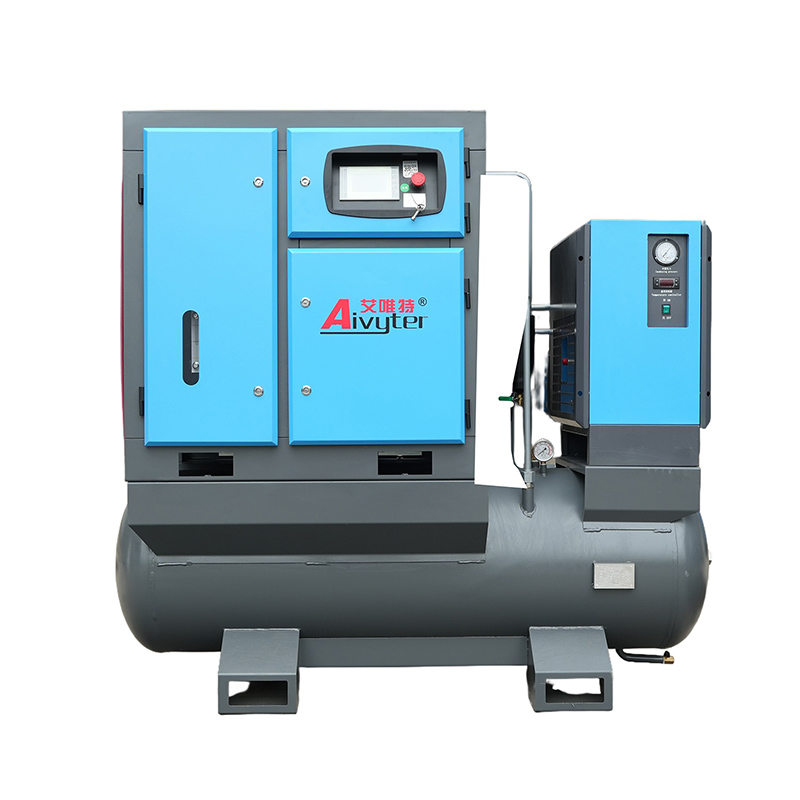
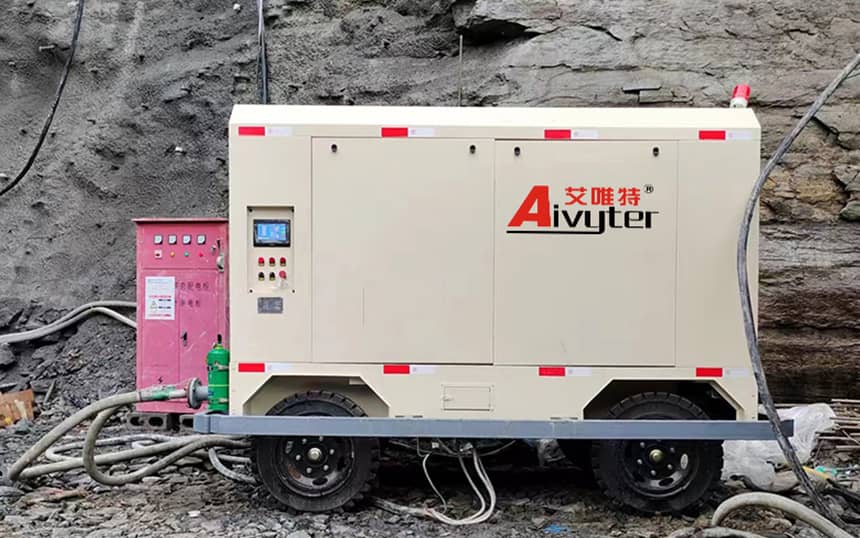
- Integrated Equipment Ecosystem: We supply matching screw air compressors and shotcrete equipment for a unified drilling, blasting, and ground support package.
- Factory Direct Customization: Engineers modify boom lengths, chassis widths, and electrical systems to match your mine’s exact requirements.
- Global Spare Parts Support: Fast-wearing components, hydraulic pumps, and rock drill parts dispatch quickly to prevent project downtime.
Frequently Asked Questions (FAQ)
Q1: What is the optimal hole diameter range for underground blast hole drilling in hard rock?
A1: Most underground blast hole drilling uses diameters between 43 mm and 64 mm. Larger cut holes often range from 76 mm to 102 mm to create void space for initial rock relief during detonation.
Q2: How does rock hardness impact drill consumption and percussion settings?
A2: Rocks with high silica content or a Protodyakonov rating above f=12 cause rapid gauge wear on carbide bits. Operators must increase water flushing rates and balance percussion pressure to avoid damaging drill steel.
Q3: Why is hydrostatic tramming preferred over standard mechanical gearboxes underground?
A3: Hydrostatic systems deliver smooth, stepless speed control on steep underground declines. They eliminate mechanical clutches, provide dynamic braking, and perform better in wet, muddy conditions.
Q4: Can these underground rock drill rigs also install rock bolts?
A4: Yes. While dedicated bolters exist for large installations, these drill jumbos readily drill bolt holes and push mechanical or split-set bolts into place across the hanging wall and roof.
Q5: What daily maintenance do hydraulic underground rock drill rigs require?
A5: Daily checks include greasing boom joints, inspecting high-pressure hydraulic hoses, testing the anti-jamming valve response, checking rock drill accumulator pressures, and topping off shank lubrication oil.
Secure Your Heavy-Duty Underground Equipment Today
Equipping your project with the right underground rock drill rigs prevents costly delays and lowers drill bit consumption across difficult formations.
Talk to the mining engineering team at Aivyter today. Share your drift cross-sections, rock test data, and project deadlines, and we will send you a tailored technical proposal and cost estimate within 24 hours.
about
Aivyter
We provides trusted air compressors and mining equipment, engineered for durability, efficiency, and demanding industrial applications.