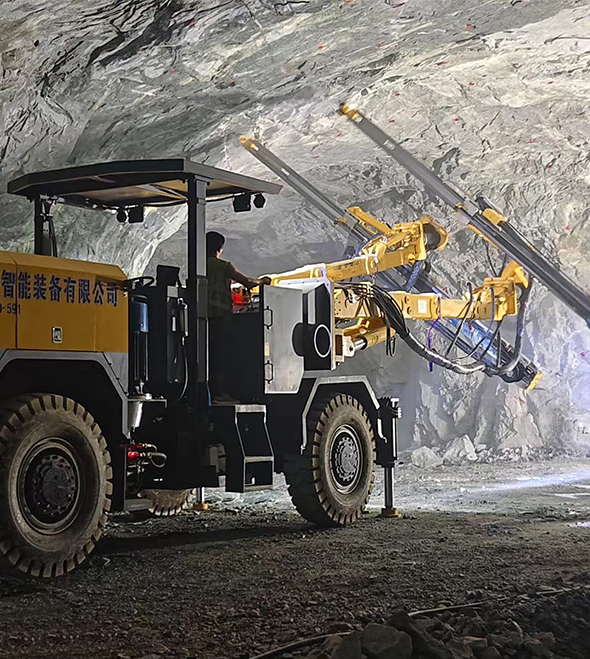
The decision to acquire a new or used mining jumbo for sale is one of the most capital-intensive choices facing mine operators and tunneling contractors. Beyond the initial price tag, the selected rig must deliver sustained drilling performance, minimize downtime, and adapt to varying ground conditions. This article provides a data-driven analysis of the critical engineering parameters, application fit, and ownership considerations that separate a sound investment from a costly misalignment. Drawing on field experience and equipment specifications, we outline a framework for evaluating these complex machines.
1. Deconstructing the Mining Jumbo: Types and Core Specifications
A mining jumbo for sale typically refers to a self-propelled hydraulic drilling rig used for face drilling, roof bolting, or production in underground mines and tunnels. However, the term encompasses a wide variety of configurations. To select appropriately, one must first match the machine type to the intended application.
1.1 Boom Configuration: Single, Twin, and Multi-Boom Rigs
The number of booms directly dictates coverage area and advance rate.
- Single-boom jumbos: Ideal for narrow veins, small drifts (under 15 m²), or secondary drilling tasks. They offer high maneuverability in confined spaces.
- Twin-boom jumbos: The most common configuration for standard development drifts (15–40 m²). They balance productivity and cost, allowing two operators or one operator with semi-automatic controls to drill a full round efficiently.
- Multi-boom (triple or more) jumbos: Reserved for large civil tunnels and high-production mining headings (>50 m²). They dramatically cut drilling time but require wider drifts and more sophisticated control systems.
1.2 Drifter and Feed System Specifications
The rock drill (drifter) is the heart of the jumbo. Key parameters to evaluate when scanning a mining jumbo for sale include:
- Impact energy and frequency: Measured in kW or joules, this determines penetration rate in hard rock. High-impact drifters (20–30 kW) are necessary for granites and massive sulfides.
- Rotation torque and speed: Affects bit life and the ability to drill in fractured or abrasive ground.
- Feed length and force: Determines maximum rod length and collaring accuracy. Long feeds (up to 6 m) reduce rod changing time.
Advanced rigs from manufacturers like Aivyter integrate fully hydraulic drifters with anti-jamming automation, which continuously adjusts feed and rotation to maintain optimal drilling parameters.
2. Technological Advancements Driving Efficiency and Safety
Modern jumbos are no longer simple hydraulic carriers. They incorporate digital systems that address two persistent industry pain points: drilling accuracy and operator safety.
2.1 Automation and Computer-Assisted Drilling
When evaluating a mining jumbo for sale, inquire about the level of automation available. Systems range from basic boom pendulums to full computer-aided drilling. Key benefits include:
- Automatic parallel holding: Maintains the drill angle regardless of boom movement, ensuring uniform hole direction.
- Drill pattern navigation: Onboard computers guide the operator to position each hole according to a pre-loaded blast plan, reducing overbreak and improving fragmentation.
- Data logging: Modern rigs record penetration rates, torque, and depth per hole, providing geological data and supporting predictive maintenance.
These features not only boost productivity but also reduce the physical and cognitive load on operators, contributing to a safer work environment.
2.2 Full Hydraulic Systems and Reliability
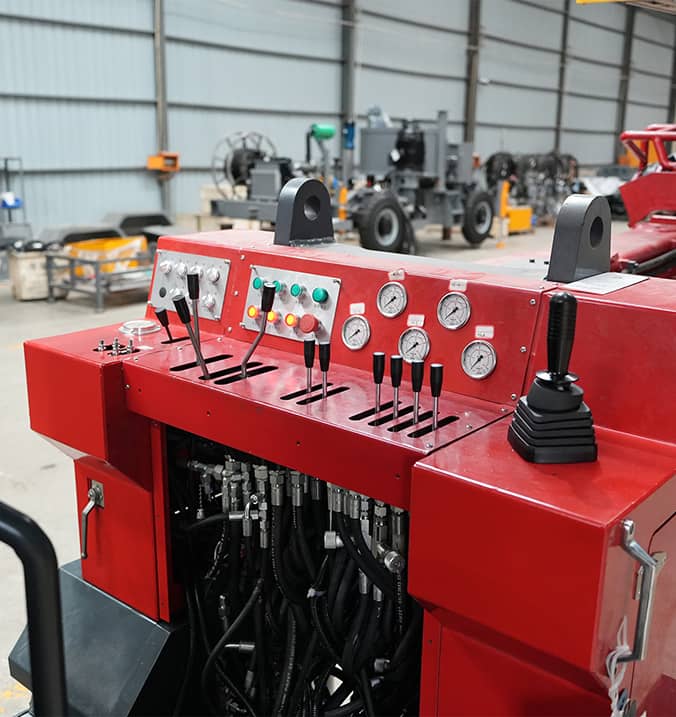
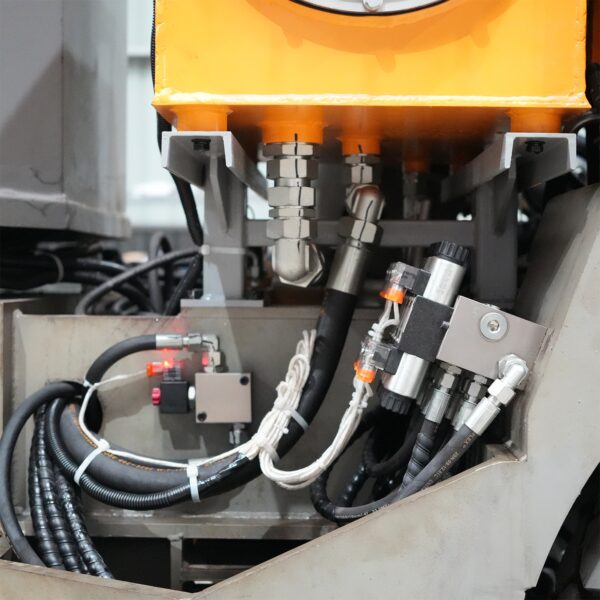
The shift from pneumatic to full hydraulic technology has been a game-changer in underground drilling—though we avoid that exact term. Hydraulic systems provide smoother control, higher energy efficiency, and lower operating costs. When inspecting a mining jumbo for sale, examine the hydraulic architecture:
- Load-sensing pumps and proportional valves ensure that hydraulic flow matches demand, reducing heat generation and fuel consumption.
- Centralized filtration and contamination control are critical for component longevity. Ask about filtration ratings (e.g., ISO 4406 cleanliness codes).
- Serviceability: Look for grouped test points and easy access to pumps and valves—this directly impacts mean time to repair (MTTR).
3. Application-Specific Considerations and Common Pitfalls
The suitability of a mining jumbo for sale depends heavily on the geological and operational context. Below we analyze three common scenarios and the associated risks of mismatched equipment.
3.1 Development Drilling in Hard Rock Mines
In metal mines (e.g., copper, gold) where rock compressive strength exceeds 150 MPa, a jumbo must deliver high impact energy and robust boom stability. A common mistake is selecting a machine with insufficient drifter power, leading to slow penetration and excessive steel breakage. The solution is to specify a rig with at least a 20 kW hydraulic drifter and a heavy-duty feed. Aivyter’s AZT series, for example, is engineered with reinforced boom structures to handle high thrust forces without flex, ensuring hole straightness.
3.2 Tunneling in Variable Ground Conditions
Civil tunneling projects often encounter mixed faces—from soft clay to fractured rock. Here, versatility is paramount. A jumbo equipped with a rotary-percussive drifter that can switch to pure rotation mode is advantageous. Additionally, boom coverage must account for overbreak control; precise boom positioning minimizes the need for shotcrete. When reviewing a mining jumbo for sale for such projects, verify the boom’s coverage envelope and the availability of optional rock drills suitable for soft ground.
3.3 Narrow-Vein Mining and Space Constraints
In narrow-vein operations, the physical dimensions of the jumbo—height, width, and turning radius—are critical. Compact electro-hydraulic jumbos with articulated carriers are preferred. A frequent oversight is neglecting tramming clearance and gradeability. Always request the machine’s tramming dimensions and compare them with your drift profiles. A rig that is too wide will cause costly delays and ground support damage.
4. Total Cost of Ownership: Beyond the Purchase Price
A low initial quote for a mining jumbo for sale can be deceptive if it leads to high operating costs or frequent breakdowns. A thorough TCO analysis should include:
4.1 Energy Consumption and Diesel vs. Electric
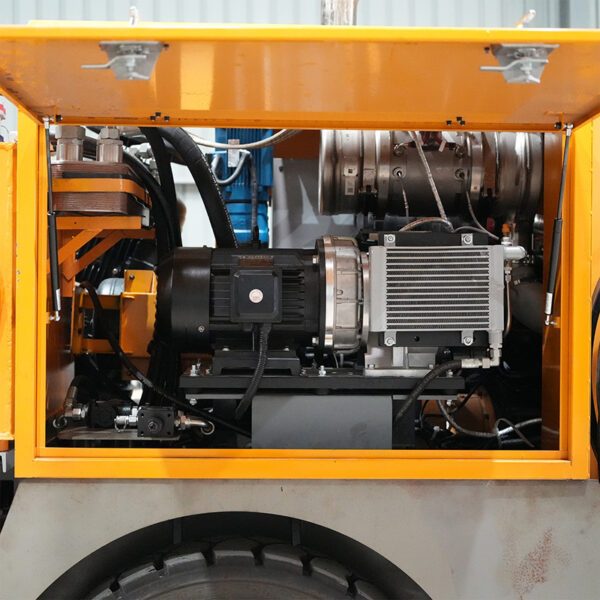
Electric-hydraulic jumbos offer lower ventilation costs and reduced emissions, which is increasingly important in deep mines. Diesel-powered carriers provide flexibility but increase heat and exhaust. Compare the specific energy consumption (kWh per drilled meter) of the models under consideration. Some manufacturers offer hybrid solutions that combine a diesel tramming engine with electric drilling—an option worth investigating.
4.2 Consumables and Spare Parts Availability
The cost of drill steel, bits, and hydraulic hoses accumulates quickly. When evaluating a mining jumbo for sale, ask about:
- Standardization: Does the rig use common shank sizes and couplings that are readily available from multiple suppliers?
- Parts lead times: What is the typical delivery time for wear parts? A supplier with a local distribution center, like Aivyter’s global network, can significantly reduce downtime.
- Maintenance intervals: Longer intervals between scheduled services (e.g., 500 hours instead of 250) lower labor costs and increase availability.
4.3 Resale Value and Technological Obsolescence
Mining equipment depreciates, but some models retain value better due to robust construction and ongoing manufacturer support. Consider whether the rig’s control system can be upgraded with future software or if it relies on obsolete components. A machine with a modular, open-architecture control system is a safer long-term investment.
5. Used vs. New: A Risk-Based Assessment
The market for used mining jumbo for sale is active, offering potential savings but also higher risk. Key due diligence steps for used equipment:
- Hour meter verification: Cross-check engine hours with overall machine condition. Look for signs of wear on boom pins, tracks, and feed beams.
- Service history: Request records of hydraulic oil changes, component replacements, and any major repairs.
- Inspection by a qualified engineer: A thorough inspection should include hydraulic pressure tests, drifter performance checks, and structural crack detection (dye penetrant or ultrasonic).
- Availability of manuals and training: Ensure the seller provides operation and maintenance manuals, and that parts diagrams are legible.
Ultimately, whether purchasing new or used, the goal is to secure a machine that aligns with your specific rock conditions, development plan, and maintenance capabilities. Engaging with reputable manufacturers and distributors who offer technical support and commissioning services is essential.
6. Frequently Asked Questions (FAQ)
- Q1: What is the typical production rate of a twin-boom mining jumbo in a 5m x 5m drift?A1: In competent rock with a well-trained operator and a 16-18 ft round, a twin-boom jumbo can drill 90-110 holes (approximately 250-300 drilled meters) in 2-2.5 hours. This translates to 2-3 complete rounds per shift, depending on blasting and mucking cycles.
- Q2: What are the most important safety features to look for in a mining jumbo for sale?A2: Essential safety features include a FOPS/ROPS certified cabin, automatic boom interlocks to prevent unintended movements, emergency stop buttons on each platform, and a comprehensive dust suppression system (water mist) to control respirable silica. Machines with remote-control capabilities allow operators to work from a safe distance in unstable ground.
- Q3: How do I determine the required boom coverage for my tunnel profile?A3: Request a coverage diagram from the manufacturer. Overlay this diagram on your maximum tunnel cross-section, accounting for the jumbo’s positioning in the drift. Ensure that the outer perimeter holes can be drilled without having to reposition the carrier excessively. A common rule is that the booms should cover the entire face from one central setup for at least 80% of the round.
- Q4: What are the advantages of fully hydraulic systems over older pneumatic jumbos?A4: Hydraulic drifters deliver 2-3 times higher penetration rates in hard rock compared to pneumatics. They also consume less energy per meter drilled, generate less noise and vibration, and offer precise control over impact and rotation. This precision translates to better hole accuracy and longer drill steel life. Additionally, hydraulic systems eliminate the need for large compressors and reduce ventilation demand.
- Q5: What kind of after-sales support should I expect from a manufacturer like Aivyter when purchasing a mining jumbo?A5: Comprehensive after-sales support typically includes on-site commissioning and operator training, a stock of critical spare parts at regional warehouses, and access to technical documentation and remote diagnostics. Reputable manufacturers offer service contracts with scheduled maintenance visits and 24/7 phone support. When considering a mining jumbo for sale, always clarify the warranty terms and the response time for field service engineers.
Selecting the right mining jumbo for sale requires a deep understanding of your operational demands and the machine’s technical capabilities. By focusing on drifter performance, automation features, and total cost of ownership, you can invest in equipment that will drive productivity for years. For projects demanding high reliability and advanced engineering, exploring options from established manufacturers ensures that your drilling fleet is built to withstand the toughest underground conditions.
about
Aivyter
We provides trusted air compressors and mining equipment, engineered for durability, efficiency, and demanding industrial applications.