In underground construction, tunnel boring follow-up, and slope stabilization, the shotcrete sprayer represents the single most influential piece of equipment for achieving durable, high-strength linings. Over the past decade, the convergence of robotics, real-time accelerator dosing, and high-output pumping systems has transformed what was once a highly manual, inconsistent operation into a data-driven, low-rebound process. For project owners, contractors, and mining operators, selecting the right spraying platform directly correlates with schedule adherence, material cost savings, and long-term ground control reliability.
This technical deep-dive covers the engineering principles behind modern spraying units, critical application scenarios in hard-rock mining and civil tunneling, quantifiable performance metrics, and selection criteria that align with lifecycle cost strategies. Drawing from field data and equipment innovations from leading manufacturers such as Aivyter, we examine why today’s systems outperform conventional methods by margins that redefine project feasibility.
1. The Engineering Core: Wet-Mix Versus Dry-Met Processes
Every shotcrete sprayer operates on one of two fundamental principles: dry-mix or wet-mix. The choice dictates rebound rates, dust generation, final strength, and logistical complexity. Dry-mix systems convey pre-blended dry materials through a hose, with water added at the nozzle. While historically favored for small-scale repairs and low-output sites, they suffer from higher dust levels (often exceeding 20 mg/m³ without ventilation) and operator-dependent consistency. Wet-mix systems, conversely, pump pre-mixed concrete through a delivery line, with liquid accelerator injected precisely at the nozzle. This method yields superior bonding, minimal dust, and rebound rates as low as 5–8% compared to 15–25% in dry applications.
Modern wet-mix shotcrete sprayer configurations integrate variable-frequency drive pumps, enabling output capacities from 5 to 25 m³/h. The addition of fiber reinforcement—macro-synthetic or steel—further enhances flexural toughness, a critical factor in seismically active zones and high-stress mining drifts. The engineering shift toward wet-mix dominance is reflected in global infrastructure standards: over 85% of large-scale tunneling projects now specify wet-mix spraying for primary lining due to its predictability and lower total applied cost.
2. Critical Application Scenarios: Where High-Output Sprayers Prove Indispensable
2.1 Underground Hard-Rock Mining
In mining, ground support must keep pace with rapid development. A shotcrete sprayer equipped with a robotic arm and bi-axial rotation allows for fast coverage of drifts, crosscuts, and ramps. With cycle times reduced by up to 40% compared to manual nozzle handling, mines can maintain advance rates exceeding 8 meters per day even in weak ground conditions. The ability to spray from a distance using remote control also eliminates operator exposure to unsupported ground—a critical safety advantage.
2.2 Tunnel Boring Machine (TBM) Backup Support
For TBM-driven tunnels, segmental lining is common, but in mixed-face conditions or fault zones, an initial layer of fiber-reinforced shotcrete is often applied as immediate support. High-capacity spraying units integrated into the backup train provide continuous, uninterrupted application, preventing standstills. Data from European Alpine base tunnels show that robotic shotcrete sprayers reduced non-productive time by 28% during fault-crossing operations by enabling faster initial stabilization.
2.3 Civil Infrastructure: Slope Stabilization and Hydropower
From open-cut slope reinforcement to powerhouse caverns, large-scale shotcrete operations require equipment with extended reach and articulation. Units with telescopic arms reaching up to 16 meters and 360-degree rotation deliver uniform coverage on steep faces without the need for scaffolding, significantly reducing setup hazards.
3. Industry Pain Points: Rebound, Dust, and Operational Inconsistency
Conventional shotcreting workflows suffer from three persistent challenges that impact both profitability and worker health:
- Excessive Rebound: In dry-mix operations, rebound (material that bounces off the substrate) can consume 20–30% of total material. This not only inflates material costs by thousands of dollars per kilometer but also creates cleanup logistics that delay subsequent work.
- Dust and Silica Exposure: Manual nozzle operation in poorly ventilated headings generates respirable dust concentrations that often exceed occupational exposure limits. Regulatory pressure is driving mandatory adoption of dust-suppressed wet spraying and remote-controlled equipment.
- Thickness Variability: Hand-directed nozzles result in inconsistent layer thickness, leading to over-spray in some zones and under-thickness in others, compromising structural capacity and requiring rework.
Advanced shotcrete sprayer systems directly address these pain points through closed-loop accelerator control, which automatically adjusts dosage based on flow rate, ensuring set-on-demand performance. Moreover, robotic arms equipped with laser profiling provide real-time feedback on applied thickness, allowing operators to achieve precisely the design thickness with ±5 mm accuracy. This technology reduces material waste by up to 18% while guaranteeing compliance with design specifications.
4. Technological Evolution: From Manual Nozzles to Intelligent Robotic Sprayers
The modern shotcrete sprayer has evolved into a mechatronic platform integrating several subsystems:
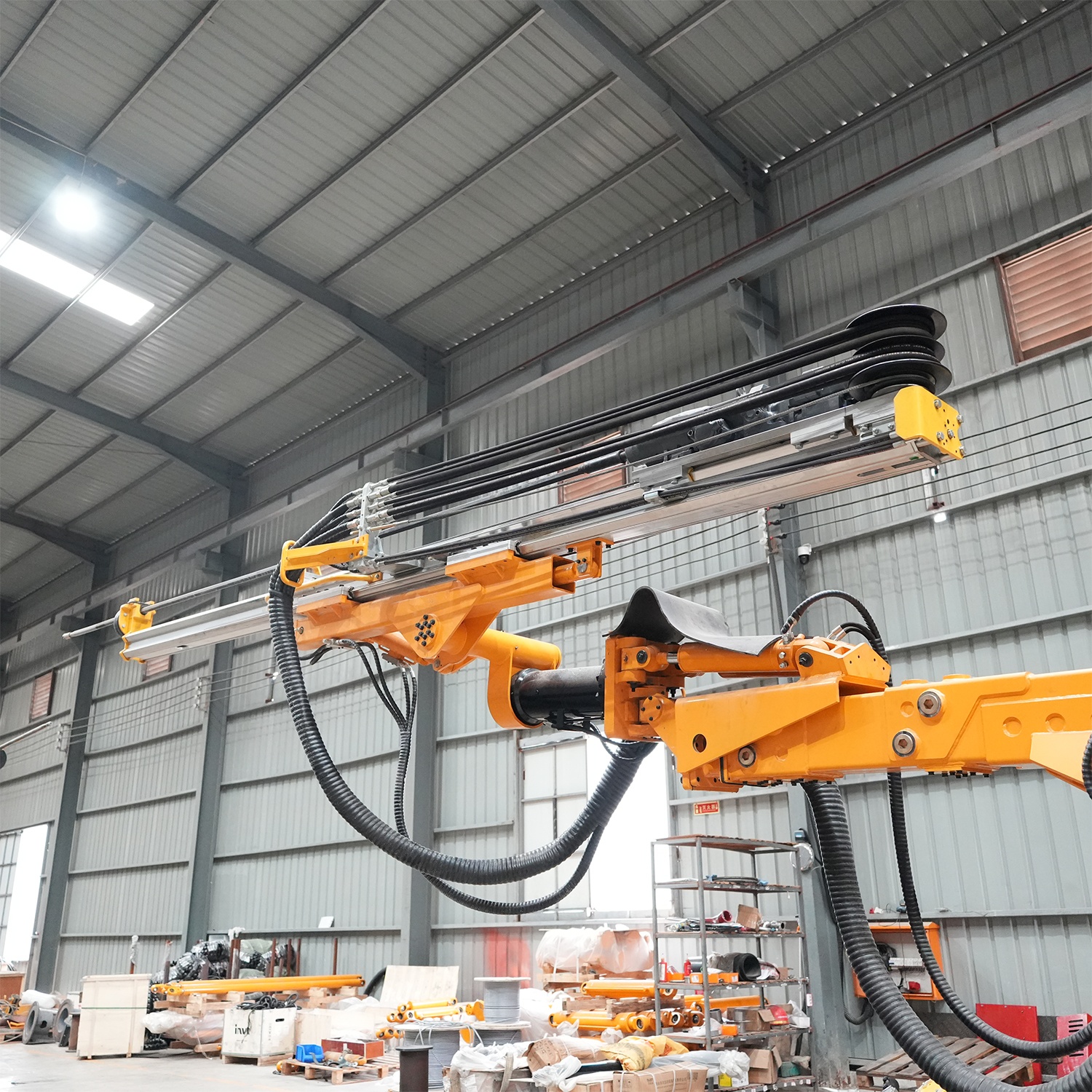
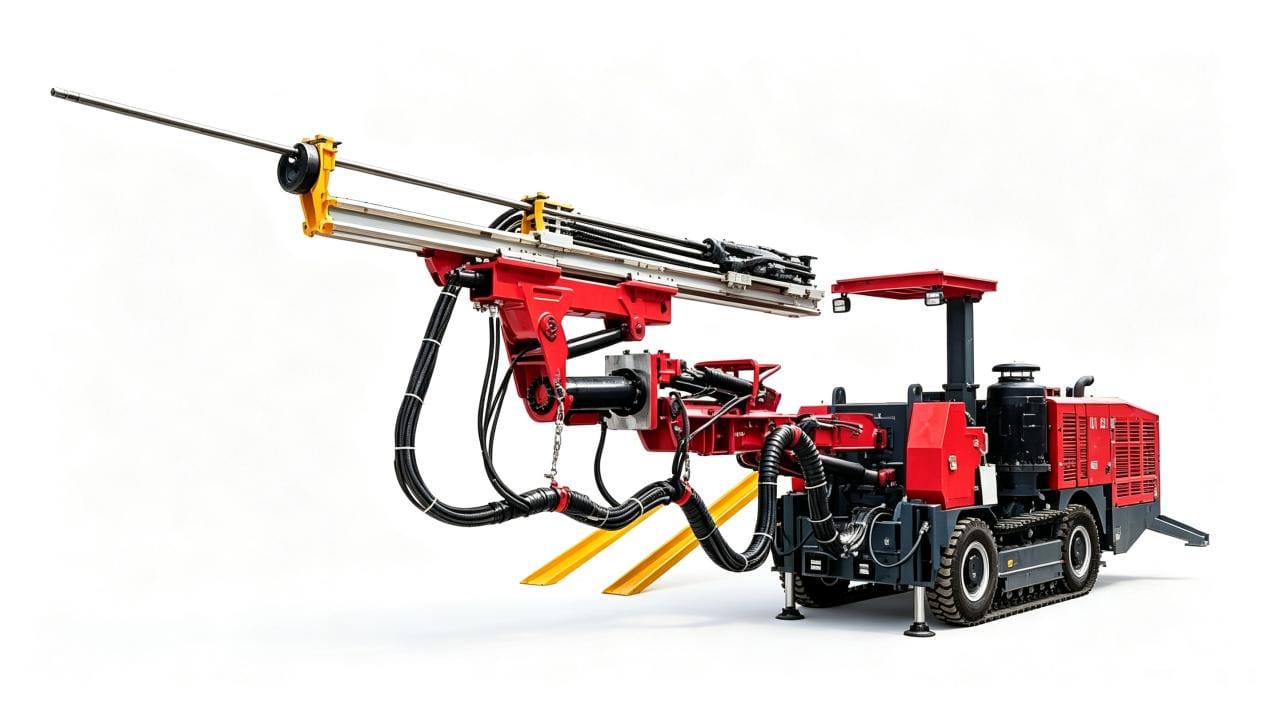
- Robotic Manipulators: 6-axis articulated arms with wireless remote control allow precise nozzle positioning, eliminating operator fatigue and improving coverage uniformity. Advanced units from manufacturers like Aivyter incorporate telescopic booms that combine high reach with compact transport dimensions for underground access.
- Accelerator Dosing Systems: Volumetric or mass-flow-based dosing pumps maintain an exact accelerator-to-concrete ratio (typically 3–7% by cement weight), preventing flash setting in the line while ensuring rapid adhesion after discharge.
- Real-Time Monitoring & Telemetry: Onboard PLCs log parameters such as output rate, accelerator flow, air pressure, and nozzle distance. These logs provide traceability for quality assurance and predictive maintenance scheduling.
- Electric-Drive Versions: Battery-electric and tethered electric sprayers are gaining traction in mines with strict diesel emission limits, offering zero local emissions and reduced ventilation costs.
These integrated technologies mean that a single shotcrete sprayer now performs the work of a multi-person crew while generating data that feeds into digital twin models of the underground structure.
5. Quantifying Performance: Field Data on Productivity and Cost Efficiency
A 2023 comparative study conducted in a Canadian gold mine evaluated a conventional dry-process setup against a modern robotic wet-mix shotcrete sprayer over a 500-meter development drift. The results demonstrated:
- Rebound reduction from 24% to 7%, saving 320 m³ of material over the 500-meter length, translating to $48,000 in direct material savings.
- Application speed increased from 4.5 m³/h to 11.2 m³/h, cutting spraying cycle time by 58% and allowing faster re-entry for bolting and mucking.
- Dust levels measured at the operator station fell from 14 mg/m³ to <1.5 mg/m³, eliminating the need for forced ventilation upgrades.
- Rework for thickness non-conformance dropped to zero, as the robotic unit’s laser-guided arm maintained consistent standoff distance and application angle.
Furthermore, when factoring in reduced labor requirements—two crew members instead of five—the total cost per linear meter of supported ground declined by 34%. This type of quantifiable return on investment is driving accelerated fleet replacement cycles across mining and tunneling contractors.
6. Selecting the Optimal Shotcrete Sprayer: Key Specifications and Lifecycle Considerations
Procurement decisions for spraying equipment should be based on operational parameters, not initial capital cost alone. Critical criteria include:
- Output Capacity: For development headings, units with 15–20 m³/h output match advance rates; for large caverns, 25 m³/h units with high-pressure pumping ensure continuous operation.
- Arm Geometry and Reach: Evaluate vertical reach, horizontal coverage, and rotation angles relative to the cross-section profile. Articulated arms with auto-parallel nozzle movement simplify complex geometry spraying.
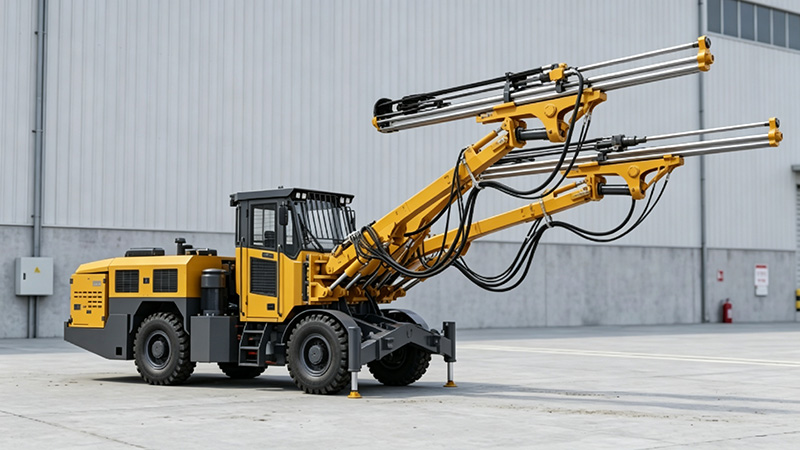
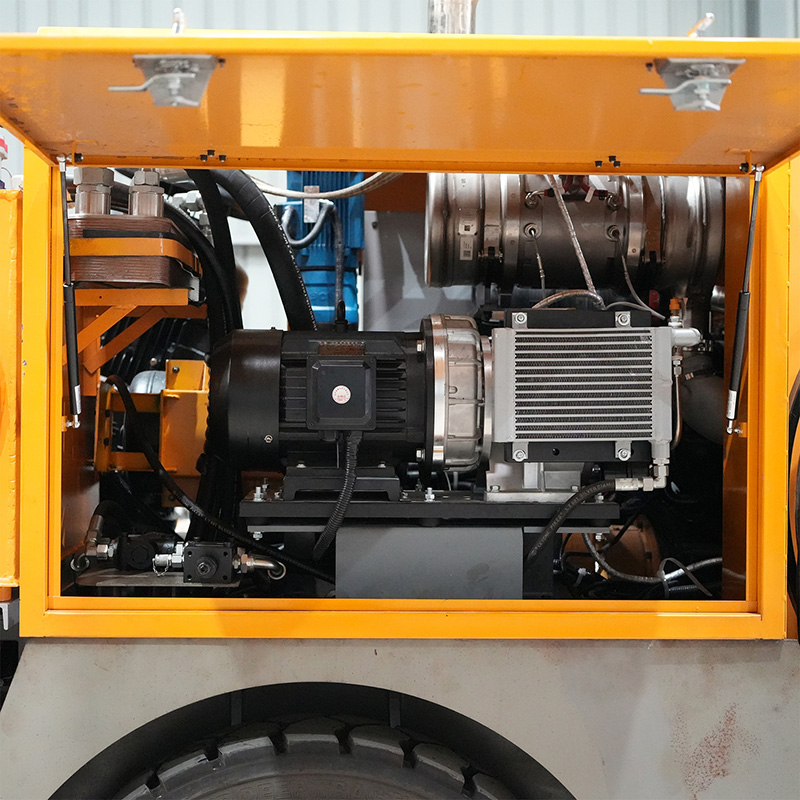
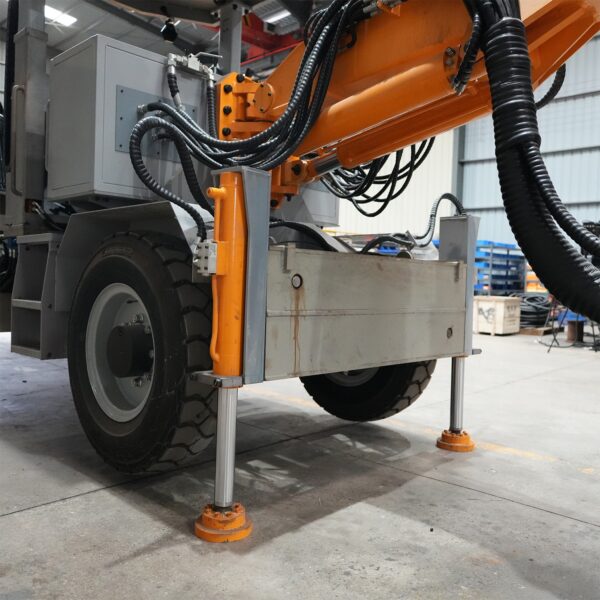
- Chassis and Mobility: Rubber-tired chassis offer speed on flat haulage ways; track-mounted units provide superior traction on steep grades and muddy conditions. Some hybrid configurations combine both for multi-application flexibility.
- Maintenance Accessibility: Systems with modular components—quick-release pumps, easy-access filter banks—minimize downtime. Suppliers offering 24/7 technical support, like Aivyter, provide significant lifecycle cost advantages through reduced mean-time-to-repair.
Investors and project managers are also increasingly specifying compatibility with digital construction platforms. Units that can export operational data to centralized fleet management systems enable performance benchmarking and predictive maintenance, extending equipment life and maximizing utilization.
7. Future Directions: Autonomy, Electrification, and Digital Integration
The next frontier for shotcrete sprayer technology lies in full automation and machine learning. Prototype systems now use 3D LiDAR scanning to map unsupported ground, automatically plan nozzle paths, and execute spraying without human intervention—except for supervision. Early adopters in Scandinavian mines have reported that semi-autonomous spraying reduces cycle times by an additional 20% while ensuring every square meter receives precisely the specified layer thickness.
Electrification also plays a key role. Lithium-ion battery-powered sprayers with swappable packs are eliminating hydraulic hoses and diesel particulate filters, simplifying logistics in emissions-controlled zones. When combined with remote operation from surface control rooms, these units drastically reduce personnel exposure to underground hazards.
For contractors and mine operators, adopting these advanced shotcrete sprayer platforms is no longer a competitive differentiator—it is becoming a baseline requirement to meet productivity targets, safety regulations, and sustainability commitments.
Frequently Asked Questions (FAQs)
Q1: What is the main difference between dry-mix and wet-mix shotcrete sprayers, and which is better for underground mining?
A1: Dry-mix systems combine water at the nozzle after conveying dry ingredients; they are simpler but generate high rebound and dust. Wet-mix systems pump pre-mixed concrete with precise accelerator injection at the nozzle, offering lower rebound (5–10% vs 20–30%), minimal dust, and higher final strength. For underground mining with stringent ventilation and productivity demands, wet-mix robotic shotcrete sprayers are the industry standard.
Q2: How does a robotic shotcrete sprayer improve safety compared to manual nozzle handling?
A2: Robotic units allow the operator to control the nozzle from a remote station located outside the unsupported zone, eliminating direct exposure to loose ground, rebound projectiles, and airborne dust. The precise arm movement also reduces over-spray and prevents nozzle-induced injuries common in manual operations.
Q3: What maintenance intervals are typical for high-output shotcrete sprayers?
A3: Wear parts such as pump pistons, wear rings, and accelerator hoses generally require inspection every 150–200 operating hours. Full hydraulic and electrical system checks are recommended every 500 hours. Using telemetry data to track pump pressure trends can predict wear before failure, reducing unplanned downtime. Suppliers like Aivyter provide detailed maintenance schedules based on actual field data.
Q4: Can a shotcrete sprayer be used for both fiber-reinforced and plain shotcrete without extensive changeover?
A4: Yes, modern systems are designed for flexibility. Fiber reinforcement (either added at the batching plant or through separate fiber-feeder units) can be applied without altering the sprayer’s hydraulic or pumping configuration. The key is selecting a unit with adequate pump capacity to handle the increased viscosity of fiber-reinforced mixes.
Q5: What is the typical ROI timeline when upgrading from conventional equipment to a modern automated shotcrete sprayer?
A5: Based on contractor case studies, the combined savings from reduced rebound, lower labor costs, faster advance rates, and minimized rework typically recoup the capital investment within 12 to 18 months for operations with continuous development footage exceeding 3,000 meters per year. In high-cost labor markets, the payback period can be under 10 months.
about
Aivyter
We provides trusted air compressors and mining equipment, engineered for durability, efficiency, and demanding industrial applications.