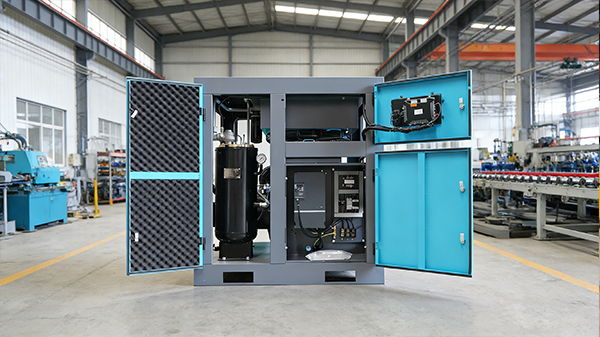
Heavy-duty operations in remote mining sectors, infrastructure construction, and large-scale industrial projects require a continuous, reliable source of pressurized air. Unlike fixed factory installations protected from the elements, site operations demand equipment that combined high performance with mobility. The choice of air supply system directly impacts operational uptime, tool efficiency, and overall project schedules.
For these demanding environments, a heavy-duty portable screw compressor serves as the backbone of pneumatic operations. Choosing the right machinery requires an understanding of screw mechanics, environmental adaptability, power plant integration, and filtration systems. This guide analyzes the engineering parameters that operations managers and procurement teams must evaluate to ensure optimal performance in harsh field conditions.
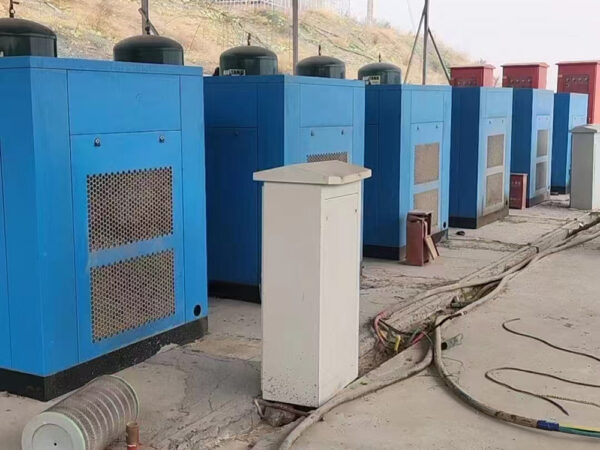
1. The Mechanics of Rotary Screw Air Compression
To understand why the rotary screw design dominates heavy-duty mobile applications, one must look at its internal mechanics. Unlike reciprocating pistons that rely on valves and cyclic directional changes, the rotary screw air end operates via a continuous, positive-displacement mechanism.
Rotor Profile and Volumetric Efficiency
The core of the air end consists of two intermeshing helical rotors: a male rotor and a female rotor. As these rotors spin, the space between their lobes decreases, drawing in ambient air, compressing it, and directing it toward the discharge port. Modern systems utilize asymmetric rotor profiles, typically in a 4:6 or 5:6 configuration. This design minimizes internal air slippage, improves volumetric efficiency, and reduces the power required per unit of delivered air volume.
The Role of Oil Injection in Mobile Systems
Most industrial mobile units use oil-injected rotary screw technology. In these systems, lubricating fluid is injected into the compression chamber to perform three primary functions:
- Sealing: The oil creates a fine liquid barrier between the tolerances of the spinning rotors, preventing compressed air from leaking back to the intake side.
- Cooling: The oil absorbs the heat generated during the thermodynamic process of compression, keeping operating temperatures well below the thermal limits of the metal components.
- Lubrication: It protects the bearings and rotor surfaces from wear under high mechanical load.
The air-oil mixture then passes through a separation tank where multi-stage coalescing filters remove the oil, returning clean compressed air to the output valve and recycling the cooled lubricant back into the air end.
2. Demanding Applications in Mining and Construction
The choice of a portable screw compressor depends heavily on the specific requirements of the work environment. Different sectors present distinct mechanical challenges.
Mining and Quarrying Operations
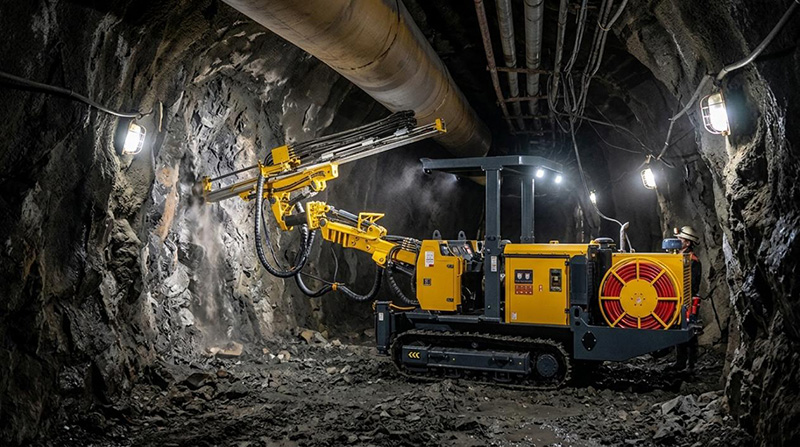
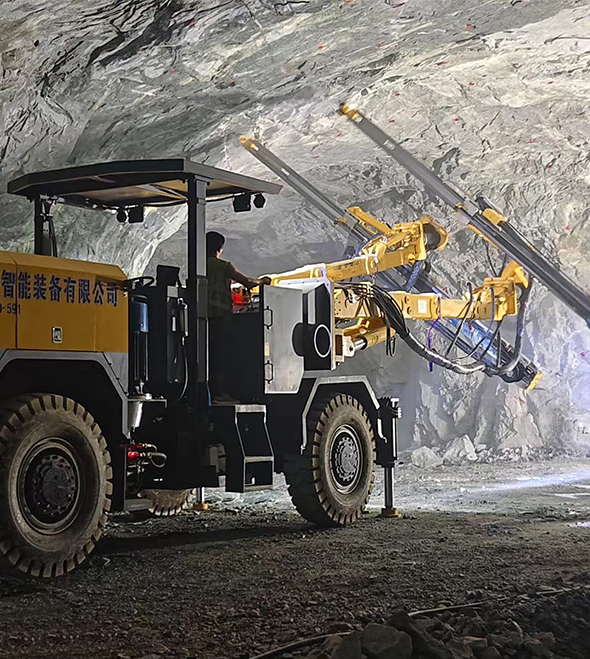
Mining operations often take place at high altitudes or deep underground, where air density is low and dust levels are high. Pneumatic equipment in this sector includes heavy rock drills, DTH (Down-The-Hole) hammers, and blasting systems.
- High-Pressure Demands: DTH drilling requires high operating pressures, often between 250 and 350 PSI (17 to 24 bar), to flush out cuttings from deep boreholes efficiently.
- Continuous Flow: Interruptions during drilling can lead to stuck drill strings, resulting in costly downtime. Continuous duty cycles are a fundamental requirement.
Infrastructure Construction and Demolition
Civil engineering projects, bridge rehabilitations, and road works demand versatile mobile systems. These projects utilize air for handheld breakers, sandblasting equipment, and shotcrete spraying.
- Variable Demand: Handheld pneumatic tools operate intermittently, requiring a compressor that can modulate its output based on real-time consumption.
- Mobility and Transport: Systems must be mounted on highway-compliant running gear with robust suspension, reliable braking systems, and heavy-duty towing hitches.
To meet these varied site demands, manufacturers like Aivyter engineer mobile systems with reinforced chassis, optimized towing configurations, and adaptive control platforms that withstand rough transport and continuous duty cycles.
3. Key Engineering Parameters for Equipment Selection
When evaluating a portable screw compressor, engineers must look past basic brochures and focus on specific operational specifications.
Flow Rate (CFM) vs. Operating Pressure (PSI)
Air delivery is governed by two main metrics: Cubic Feet per Minute (CFM) for volume flow, and Pounds per Square Inch (PSI) for pressure. B2B buyers must calculate the total CFM requirements of all air tools operating simultaneously, adding a safety margin of 20% to account for line friction and future tool additions. Pressure ratings must match the highest-pressure tool on the circuit; using a system with insufficient pressure leads to tool stalling and poor productivity.
Ambient Temperature Adaptation and Cooling Systems
Outdoor operations run in extreme climates. Standard industrial units can overheat when ambient temperatures exceed 40°C (104°F). High-ambient cooling packages—featuring oversized aluminum radiators, high-performance fans, and thermostatically controlled bypass valves—are necessary for operations in deserts or deep mines. Conversely, for arctic or sub-zero environments, cold-start kits, engine jacket heaters, and synthetic low-viscosity oils are required to prevent startup failures.
Air Quality and Multi-Stage Filtration
Dust is a major cause of rotor wear and engine damage. A robust system should feature a multi-stage air filtration system:
- Centrifugal Pre-Cleaners: Spin out large dust particles before they reach the main filter element.
- Dual-Element Air Filters: Use high-efficiency media to capture sub-micron particles, protecting both the compressor air end and the drive engine.
- Aftercoolers and Water Separators: Cool the discharge air to condense and remove moisture, preventing water from reaching downstream pneumatic tools.
4. Power Source Analysis: Diesel vs. Electric Drives
The drive system is a primary factor in both initial placement and long-term operating costs. Most mobile units utilize diesel engines, but electric-driven mobile systems are gaining traction where infrastructure allows.
| Feature | Diesel-Driven Portable Compressor | Electric-Driven Portable Compressor |
|---|---|---|
| Mobility | High; independent of local power grids. | Limited by cable length and substation proximity. |
| Emissions | Produces exhaust; requires compliance with emissions regulations (Tier 4/Stage V). | Zero local emissions; ideal for tunneling and indoor spaces. |
| Maintenance | Requires regular engine oil, filter, and coolant changes. | Low maintenance; no engine components to service. |
| Acoustic Noise | Higher noise levels, requiring sound-attenuated canopies. | Quiet operation, suitable for noise-sensitive areas. |
For operations located in deep tunnels, shafts, or urban construction zones with strict emission and noise limits, an electric portable screw compressor provides a practical solution. However, for remote mine exploration and cross-country pipeline construction, diesel remains the industry standard. Brands like Aivyter provide both configurations, allowing field operators to select the power source that matches their regional infrastructure.
5. Protection Systems and Field Maintenance
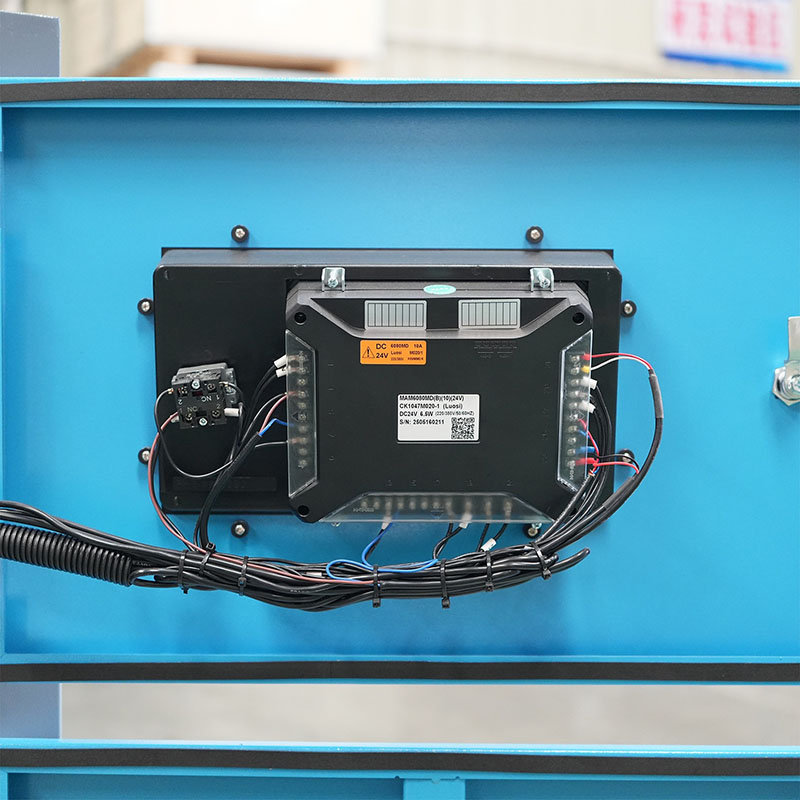
Field equipment is often subjected to rough handling and deferred maintenance. To prevent catastrophic failures, the control system of a mobile compressor must monitor operating conditions in real time.
Safety Shutdown Systems
Modern control panels continuously track key operating indicators. The system should initiate an automatic shutdown if any of the following parameters exceed safe limits:
- High discharge air temperature (indicates cooling or oil circulation issues).
- Low engine oil pressure or high engine coolant temperature.
- Over-speed or under-speed engine conditions.
- High separator element differential pressure (indicates a clogged filter).
Service-Friendly Design
A machine that is difficult to service will eventually suffer from neglected maintenance. Look for designs featuring wide-opening canopy doors, centralized fluid drains, and external spin-on filters. Having easy access to the air end, engine oil filters, and separator elements reduces service times and ensures routine maintenance can be completed efficiently on-site.
By focusing on durable component layouts, Aivyter designs its machinery to ensure that routine preventative maintenance can be handled under field conditions with minimal specialized tooling.
Frequently Asked Questions
Q1: How does operating altitude affect the performance of a diesel portable screw compressor?
A1: At high altitudes, the lower air density reduces the mass of air entering both the compressor intake and the diesel engine. This can lead to engine power loss and a decrease in the compressor’s delivered CFM. To compensate, operators must derate the equipment or select an oversized model with an electronically controlled engine that compensates for altitude changes.
Q2: Why is moisture removal necessary for mobile air compressor systems?
A2: Compression concentrates the moisture present in ambient air. If this water is not removed via an aftercooler and water separator, it will condense in the hoses and enter the pneumatic tools. This can wash away lubricating grease inside the tools, cause internal corrosion, freeze in cold weather, and accelerate wear on internal parts.
Q3: What is the significance of the air end’s L10 bearing life?
A3: The L10 bearing life is an engineering calculation representing the life expectancy that 90% of a group of identical bearings will complete or exceed under specific loads. High-quality air ends utilize heavy-duty cylindrical and tapered roller bearings designed for an L10 life of tens of thousands of operating hours, ensuring long-term reliability.
Q4: Can an electric portable compressor be used on sites with fluctuating voltage?
A4: Fluctuating voltage can overheat electric motors and damage control circuits. If you plan to operate on temporary site grids or generator power, ensure the compressor control panel features phase protection, under-voltage/over-voltage protection, and heavy-duty contactors designed to handle power fluctuations safely.
Q5: What is the difference between single-stage and two-stage rotary screw compressors?
A5: A single-stage compressor compresses the air to its target pressure in one continuous motion. A two-stage compressor splits the process between two separate sets of rotors, with an interstage cooling process in between. Two-stage compression is more efficient for high-pressure applications (typically above 200 PSI), as it reduces the compression ratio per stage, lowering operating temperatures and saving energy.
Partner with Experts for Reliable Air Power
Choosing the correct air delivery system requires a balanced assessment of air consumption, environmental conditions, and logistical limits. A poorly configured system can lead to increased fuel consumption, accelerated wear on pneumatic tools, and unexpected downtime.
At Aivyter, we specialize in high-performance air solutions designed to withstand the rigors of heavy industries, mining, and construction sites worldwide. Our team of application engineers can help you configure a portable screw compressor tailored to your specific project needs. Contact us today to discuss your project requirements, request a technical quote, or inquire about our custom configuration options.
about
Aivyter
We provides trusted air compressors and mining equipment, engineered for durability, efficiency, and demanding industrial applications.