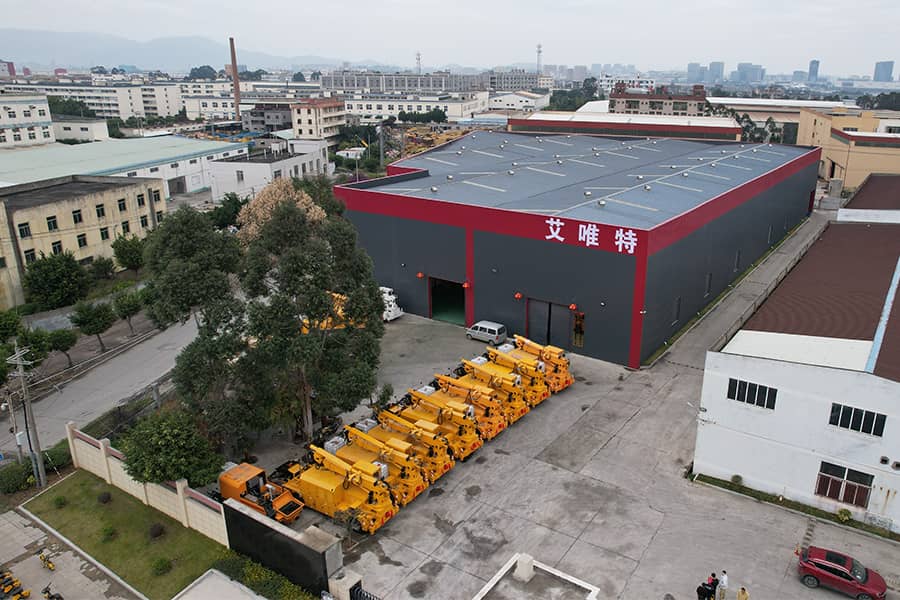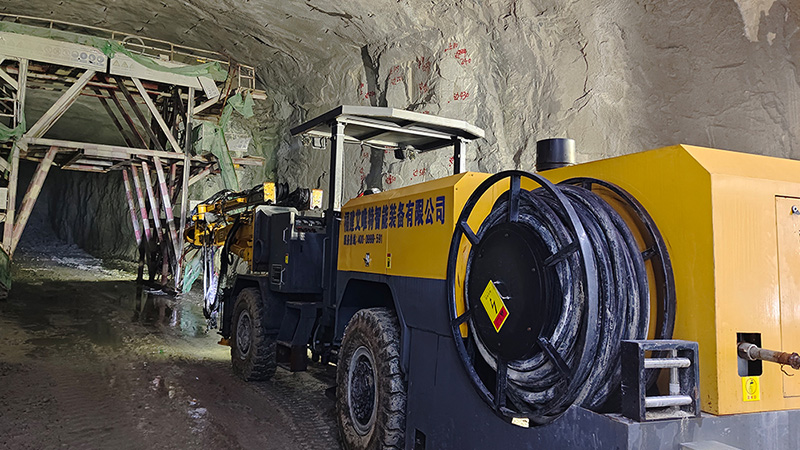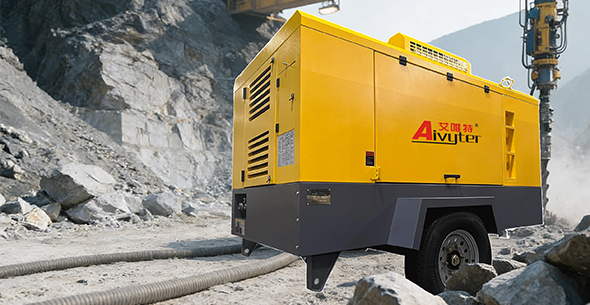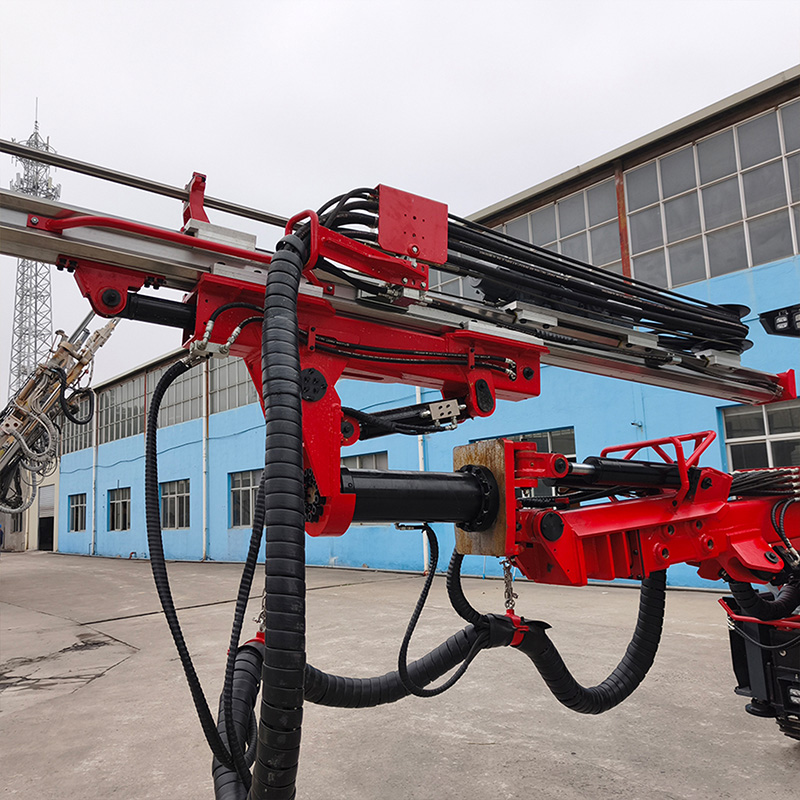
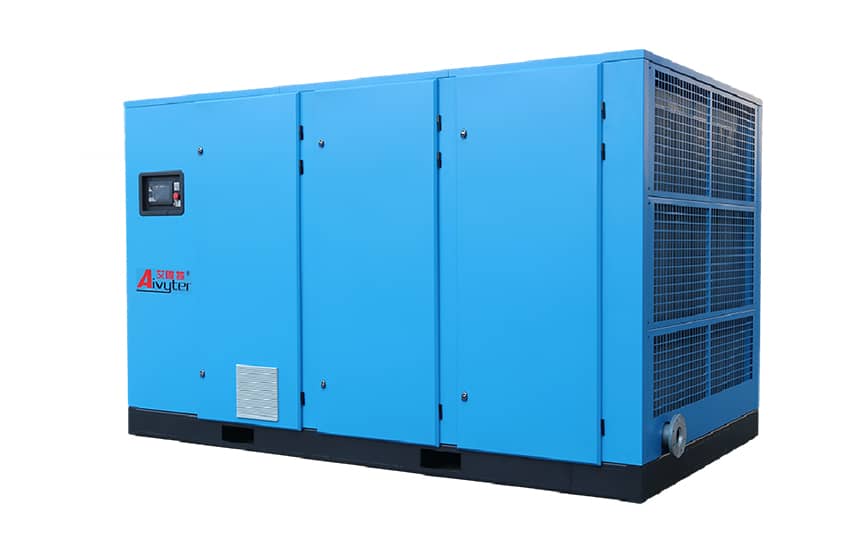
In heavy industrial sectors—from underground mining operations to large-scale cement plants—the selection of compressed air technology directly dictates operational expenditure, equipment longevity, and production consistency. While high-pressure systems dominate general manufacturing dialogues, the low pressure air compressor category represents a specialized class of machinery engineered for volumetric dominance rather than extreme force. These systems, typically operating between 1.5 to 5 bar (22–72 psi), form the backbone of pneumatic conveying, aeration, flotation circuits, and material handling processes where pressure stability trumps peak output.
Drawing from extensive field data across mineral processing plants and tunnel boring projects, this technical analysis dissects the engineering parameters, lifecycle cost structures, and application-specific configurations that define modern low-pressure solutions. For operations managers facing escalating energy costs and stricter emissions mandates, understanding the nuanced selection criteria of these systems is not merely a procurement decision—it is a strategic lever for competitive advantage.
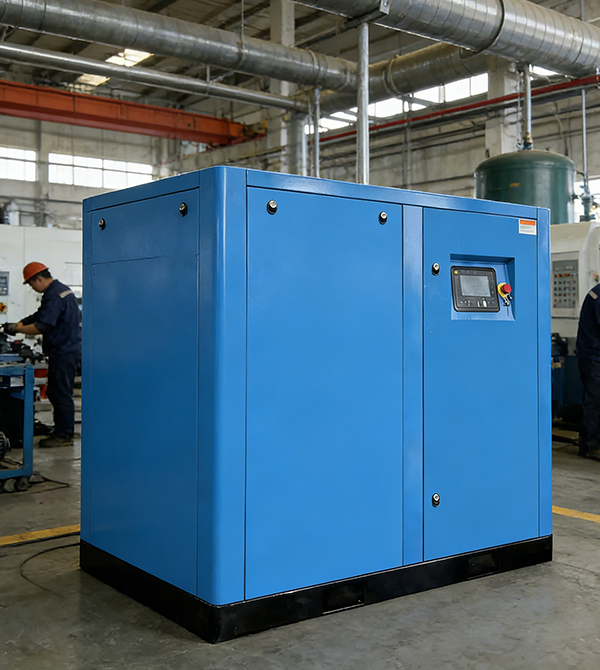
Defining the Low Pressure Air Compressor: Engineering Parameters and Performance Metrics
Unlike standard industrial compressors that often default to 7–10 bar designs, a purpose-engineered low pressure air compressor optimizes rotor profiles, airend geometry, and motor sizing to maximize free air delivery (FAD) at reduced pressure thresholds. Key technical differentiators include:
- Rotor Profile Optimization: Low-pressure specific airends utilize longer rotor lengths with optimized helix angles to minimize internal leakage (blow-by) at lower pressure differentials, achieving volumetric efficiencies exceeding 88%.
- Motor Sizing Strategy: These systems employ larger-frame motors with lower specific power (kW per m³/min) compared to standard compressors derated for low-pressure use. A dedicated low-pressure unit often consumes 20–25% less energy than a standard compressor regulated down to the same pressure.
- Separation Systems: Enhanced oil separation stages (typically three-stage coalescing) accommodate higher air velocity without compromising oil carryover, maintaining residual oil content below 2 ppm—critical for sensitive processes like food-grade pneumatic conveying.
Industry benchmarks indicate that for a 150 m³/min FAD requirement at 3 bar, a dedicated low-pressure screw compressor consumes approximately 310 kW, whereas a standard 7-bar machine throttled to the same pressure consumes upwards of 380 kW—a direct energy penalty of 18% that accumulates to over $50,000 annually in continuous operations.
Critical Applications Across Industrial, Engineering, and Mining Sectors
The functional scope of low-pressure technology extends across three primary industrial pillars, each with distinct operational demands that influence system architecture.
1. Mining and Mineral Processing
In concentrator plants, low-pressure air facilitates:
- Froth Flotation: Requires consistent 1.5–2.5 bar air with high volumetric flow to generate micron-sized bubbles for mineral separation. Pressure fluctuations beyond ±0.1 bar directly impact recovery rates.
- Pneumatic Conveying of Concentrate: Dilute-phase conveying over long distances demands pressures of 3–4 bar with surge capacity for batch transfers.
- Filter Press Blow-Down: High-volume, low-pressure air dries filter cakes efficiently, reducing moisture content by 8–12% compared to vacuum-only systems.
2. Engineering and Heavy Construction
Tunneling and foundation projects rely on these systems for:
- Shield Tunnel Boring Machines (TBM): Compressed air at 2–3 bar stabilizes the excavation face in soft ground conditions, preventing collapse while maintaining cutterhead lubrication.
- Pile Driving and Caisson Operations: Air-lift reverse circulation systems use low-pressure air to create density gradients for efficient cuttings removal in large-diameter drilled shafts.
3. Industrial Manufacturing and Cement Production
- Fluidized Bed Systems: Cement silo aeration requires continuous 1–1.5 bar air to maintain material flow and prevent bridging.
- Cooling and Drying Lines: Low-pressure air curtains and web drying in paper mills demand uniform pressure distribution across wide nozzles.
Addressing Industry Pain Points: Efficiency, Reliability, and Total Cost of Ownership
Despite clear application benefits, operators face persistent challenges when integrating low-pressure systems into existing infrastructure. The following technical solutions—many validated through field deployments by Aivyter—demonstrate how engineering adjustments translate to measurable performance gains.
Pain Point 1: Energy Inefficiency from Oversized Standard Compressors
Standard 7–10 bar compressors operating in low-pressure applications suffer from thermodynamic inefficiency due to fixed volume ratios and excessive internal compression. The solution involves deploying variable speed drive (VSD) low-pressure rotary screw compressors with pressure-optimized airends. Data from a copper mine in Chile showed that replacing three 250 kW standard compressors with two 315 kW low-pressure VSD units reduced specific energy consumption from 6.8 kW/m³/min to 5.1 kW/m³/min—a 25% reduction while improving pressure stability to ±0.03 bar.
Pain Point 2: Oil Carryover Contamination
High air velocity in low-pressure systems accelerates oil mist entrainment. Advanced separation solutions now incorporate:
- Dual-stage coalescing filters with differential pressure monitoring
- Active carbon polishing for oil-free requirements below 0.01 ppm
- Centrifugal oil separators that utilize airflow direction changes to coalesce aerosols
For operations requiring Class 0 oil-free air, Aivyter offers water-injected screw technology that eliminates oil entirely, ideal for sensitive applications like pharmaceutical ingredient conveying.
Pain Point 3: System Reliability in High-Dust Environments
Mining and construction sites present extreme contamination risks. Mitigation strategies include:
- Heavy-duty inlet filtration with pulse-jet self-cleaning filter housings (ISO 5011 certified for 99.9% efficiency at 2 microns)
- Oversized coolers to prevent fouling-induced overheating; aluminum bar-and-plate coolers with 40% greater surface area than standard designs
- Remote monitoring with predictive analytics—temperature trends, pressure differentials, and vibration signatures enable condition-based maintenance
Lifecycle Cost Analysis: Capital Investment vs. Operational Savings
A comprehensive cost model for a 100 m³/min system at 3 bar over 10 years reveals the financial rationale for investing in dedicated low-pressure technology:
- Initial Capital (CapEx): Dedicated low-pressure screw compressor package — $180,000–$220,000 vs. standard 7-bar system with pressure reduction — $140,000–$160,000.
- Energy Consumption (OpEx): Dedicated system consumes 620 kW; standard system consumes 780 kW. At $0.12/kWh with 7,500 operating hours/year, annual energy savings = ($0.12 × 160 kW × 7,500) = $144,000/year.
- Maintenance Costs: Low-pressure systems experience reduced stress on airend bearings, extending overhaul intervals from 40,000 to 60,000 hours. Estimated 10-year maintenance savings: $35,000.
The result: a payback period of 6–8 months, with total 10-year cost of ownership (TCO) reduced by approximately $1.1 million in energy and maintenance alone.
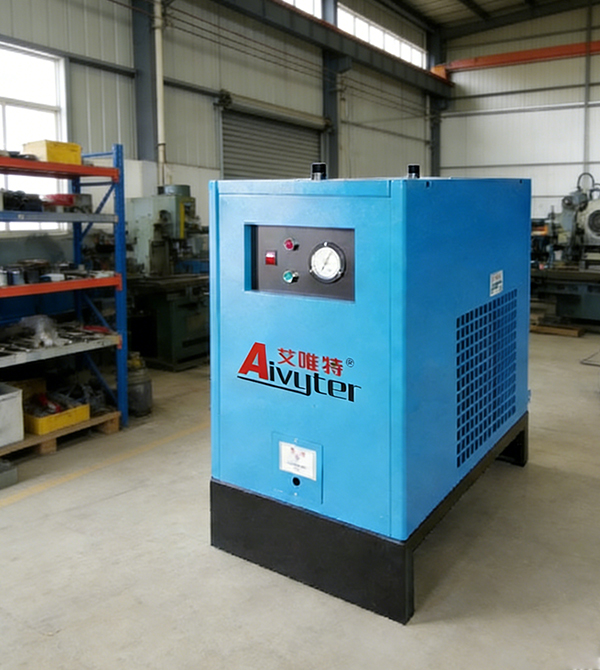
Selection Criteria: Matching Low Pressure Air Compressor Architecture to Process Requirements
Selecting the optimal configuration requires evaluating three interdependent parameters: pressure stability, flow modulation, and air purity. Engineering teams should assess:
- Pressure vs. Flow Profile: Does the application require constant pressure with variable flow (e.g., pneumatic conveying networks) or constant flow with variable pressure (e.g., batch aeration)? VSD compressors excel in the former, while load/unload controls suit the latter.
- Integration with Heat Recovery: Low-pressure systems generate significant thermal energy. Water-cooled units can recover 70–80% of input energy for process heating or space heating—a factor often overlooked in ROI calculations.
- Redundancy and Sequencing: For critical applications (e.g., TBM face support), implementing a master sequencing controller that manages multiple smaller units (e.g., three 50 m³/min units) rather than one large 150 m³/min unit provides fault tolerance and part-load efficiency.
Future-Ready Technologies: Digitalization and Low-Pressure Systems
The convergence of Industry 4.0 with compressed air systems introduces new performance frontiers. Modern low pressure air compressor platforms now integrate:
- Edge Computing Controllers: Real-time optimization of pressure setpoints based on production schedule data—a cement plant in Vietnam reduced average pressure by 0.8 bar (a 12% energy reduction) through machine learning algorithms that predicted demand cycles.
- Wireless Vibration and Thermography Sensors: Continuous monitoring of rotor balance and bearing health enables condition-based maintenance, eliminating unplanned downtime.
- Digital Twin Integration: Simulating system modifications (e.g., adding a receiver tank or altering pipe diameter) prior to physical implementation reduces engineering risk.
Strategic Value of Purpose-Built Low Pressure Solutions
The transition from repurposed standard-pressure compressors to engineered low-pressure systems represents one of the highest-return capital investments available in heavy industry. Beyond energy savings—which alone often justify replacement within one year—the improvements in process stability, maintenance predictability, and environmental compliance create compounding operational advantages.
For organizations seeking to benchmark their current systems against best-in-class solutions, partnering with specialists who combine application engineering with manufacturing depth is essential. Aivyter has delivered over 1,200 low-pressure installations globally, with documented average energy reductions of 22% and MTBF (mean time between failures) improvements exceeding 35% through tailored system architecture. The technical and economic case is clear: in low-pressure applications, purpose-built machinery is not a premium—it is the baseline for operational excellence.
Frequently Asked Questions (FAQs)
Q1: What is the typical pressure range for a low pressure air compressor in mining applications?
A1: In mining and mineral processing, low pressure systems generally operate between 1.5 and 5 bar (22–72 psi). Froth flotation circuits typically require 1.5–2.5 bar with high volumetric stability, while pneumatic conveying and filter press applications run at 3–4 bar. The key distinction from standard industrial compressors is the optimized rotor geometry designed specifically for this pressure band, achieving volumetric efficiencies above 88%.
Q2: How do I calculate energy savings when switching from a standard compressor to a dedicated low-pressure screw compressor?
A2: Energy savings derive from reduced specific power (kW per m³/min). A standard 7-bar compressor operating at 3 bar typically consumes 20–25% more energy than a dedicated low-pressure unit. The precise calculation involves measuring free air delivery (FAD) at the point of use, then comparing the actual power draw (kW) of both configurations under identical load profiles. For a 100 m³/min system, the differential often exceeds 150 kW, translating to over $120,000 annually at continuous operation.
Q3: Can low pressure air compressor systems achieve oil-free air for sensitive processes?
A3: Yes. For applications demanding ISO 8573-1 Class 0 oil-free air—such as food-grade conveying, pharmaceutical ingredient transfer, or electronics manufacturing—water-injected screw compressors eliminate oil entirely. Alternatively, oil-injected low-pressure systems can achieve residual oil content below 0.01 ppm through advanced coalescing and activated carbon filtration stages. The selection depends on the specific contamination tolerance of the downstream process.
Q4: What maintenance intervals differ between standard and low-pressure screw compressors?
A4: Low-pressure compressors generally experience reduced mechanical stress on airend bearings and rotor profiles due to lower pressure differentials. As a result, major overhaul intervals (airend replacement or rebuild) extend from 40,000–50,000 hours in standard units to 60,000–80,000 hours in purpose-engineered low-pressure systems. However, filter and separator change intervals remain similar—typically 2,000–4,000 hours depending on ambient conditions—due to air velocity effects.
Q5: How does variable speed drive (VSD) technology benefit low-pressure applications?
A5: VSD technology matches compressor motor speed to actual air demand, eliminating the energy losses associated with load/unload cycling or blow-off valves. In low-pressure applications with fluctuating demand—such as batch pneumatic conveying or intermittent filter press operations—VSD systems reduce energy consumption by 25–35% compared to fixed-speed counterparts. Additionally, VSD maintains pressure stability within ±0.05 bar, which is critical for processes like flotation where pressure variations affect recovery rates.
about
Aivyter
We provides trusted air compressors and mining equipment, engineered for durability, efficiency, and demanding industrial applications.