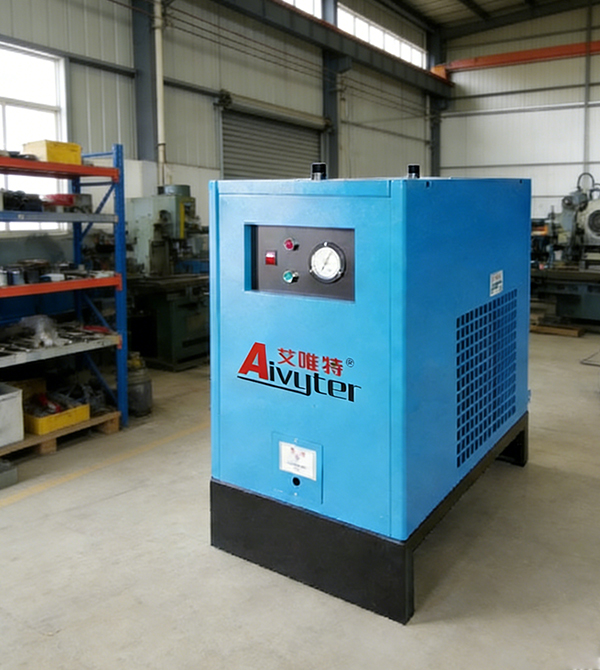
Compressed air is widely recognized as the fourth utility in modern heavy industries. In sectors like mining, large-scale construction, and heavy manufacturing, maintaining a reliable supply of compressed air is essential for continuous operations. However, according to research from the United States Department of Energy (DOE), up to 30% of the electrical energy consumed by industrial air systems is lost to leaks, poor maintenance, and suboptimal system design. Choosing and managing the right industrial screw compressor is often the difference between a highly profitable operation and one burdened by excessive overhead costs.
For B2B buyers and plant engineers, purchasing decisions cannot rely solely on the initial capital expenditure. The total cost of ownership (TCO) over a ten-year cycle reveals that energy costs constitute approximately 70% to 80% of the entire investment. This article explores the operational strategies, engineering choices, and system-level dynamics necessary to maximize the performance of your compressed air infrastructure.
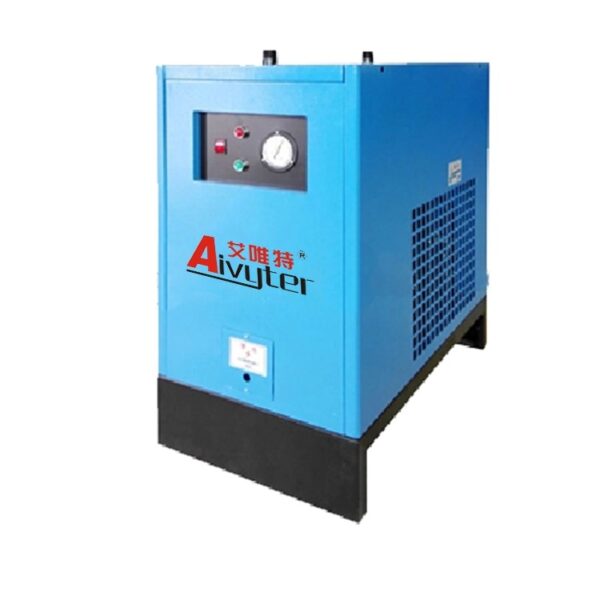
The Over-Sizing Trap: A Common Pitfall in Industrial Sizing
A frequent error among procurement teams and engineering consultants is specifying an oversized industrial screw compressor to build in a “safety margin.” While this seems logical, rotary screw technology functions most efficiently under continuous, near-full load conditions. When a compressor is significantly larger than the actual demand, it spends excessive time in “unload” mode.
In unload mode, the motor continues to run (often consuming 20% to 40% of its full-load power) without producing useful air. More critically, frequent unloading cycles prevent the system from reaching its optimal operating temperature. This leads to moisture condensation inside the oil circuit, which degrades lubricant quality and accelerates bearing wear, potentially causing premature air-end failure. Proper system sizing requires precise demand profiling rather than arbitrary safety additions.
The TLD Balance Framework for Compressed Air Systems
To assist operators in evaluating their installations, we have developed the TLD (Thermal-Load-Duty) Balance Framework. This diagnostic tool focuses on three interdependent variables that govern compressor health and efficiency:
| Framework Pillar | Target Metric | Operational Impact | Risk of Non-Compliance |
|---|---|---|---|
| Thermal Stability | 80°C – 95°C (Internal Temp) | Prevents moisture condensation while preserving lubricant viscosity. | Varnish formation, bearing failure, or water contamination. |
| Load Optimization | 75% – 90% Average Load Factor | Maximizes specific energy efficiency and reduces idle run time. | Excessive power bills, short-cycling of control valves. |
| Duty Cycle Consistency | Continuous modulation or VSD control | Minimizes mechanical stresses from starting and stopping. | Motor winding degradation and premature contactor wear. |
By monitoring these three pillars, maintenance teams can identify whether an industrial screw compressor is operating within its designed sweet spot or sliding toward mechanical instability.
Navigating Extreme Environments: Mining and Construction Challenges
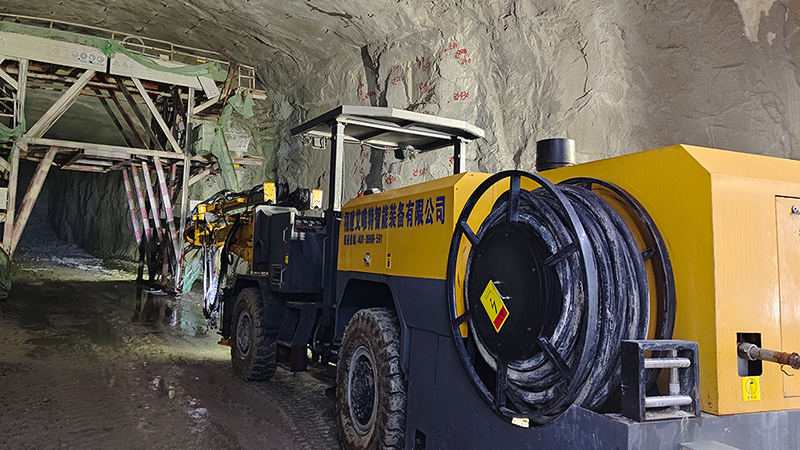
In international construction sites and underground mining, environment conditions dictate equipment survival. Ambient dust, high altitudes, and temperature swings demand specific design adaptations. Standard off-the-shelf air compressors often suffer from rapid filter clogging, overheating, and oil carryover when subjected to these conditions.
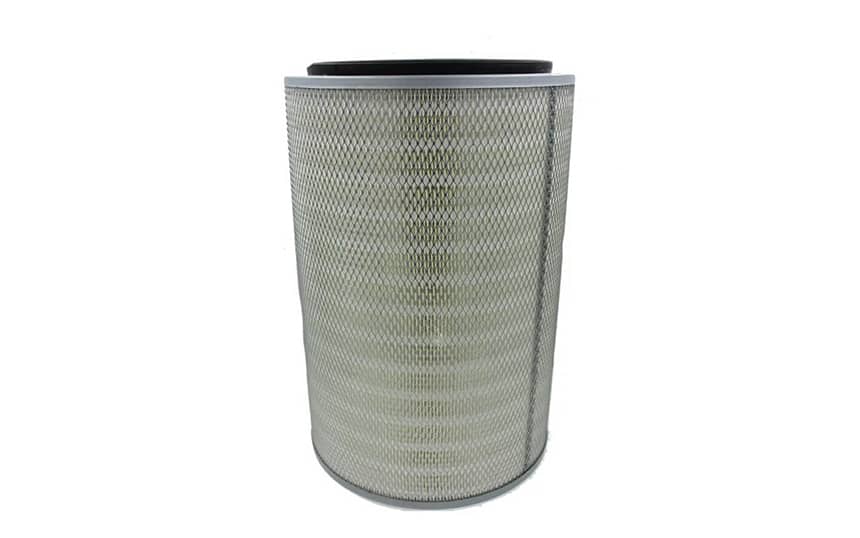
To address these challenges, heavy-duty machines utilize multi-stage filtration systems and advanced thermal management. For example, brands like Aivyter engineer their systems with oversized coolers and heavy-duty intake filtration. This ensures that even when operating in dusty quarrying or remote mining applications, the internal components remain protected from abrasive micro-particles that can score the rotary screws.
Energy Recovery: Turning Waste Heat into Operational Savings
Approximately 90% of the electrical energy put into an industrial screw compressor is converted into heat. In many facilities, this heat is simply exhausted into the atmosphere via cooling fans. Modern energy recovery systems can capture this thermal energy and repurpose it for boiler preheating, space heating, or sanitary hot water systems.
Implementing a heat recovery exchanger allows industrial plants to offset other utility costs, such as natural gas or fuel oil consumption. This integration not only improves the overall thermal efficiency of the facility but also reduces the carbon footprint, aligning industrial operations with modern sustainability directives.
The Variable Speed Drive (VSD) Decision Matrix
Integrating a Variable Speed Drive (VSD) with your industrial screw compressor is a proven method to reduce energy consumption, but it is not a universal solution. VSD units adjust the motor speed to match fluctuating air demand in real time, preventing the wasteful unload cycles typical of fixed-speed machines.
However, if your facility runs on a continuous 24/7 flat-load profile (where demand fluctuates by less than 10%), a standard fixed-speed compressor running at full load can actually be more efficient. This is because VSD inverters introduce a small electrical efficiency loss (around 2-3%) due to heat dissipation in the drive itself. A VSD is highly beneficial for fluctuating demand, but a fixed-speed system remains ideal for steady-state baseline loads.
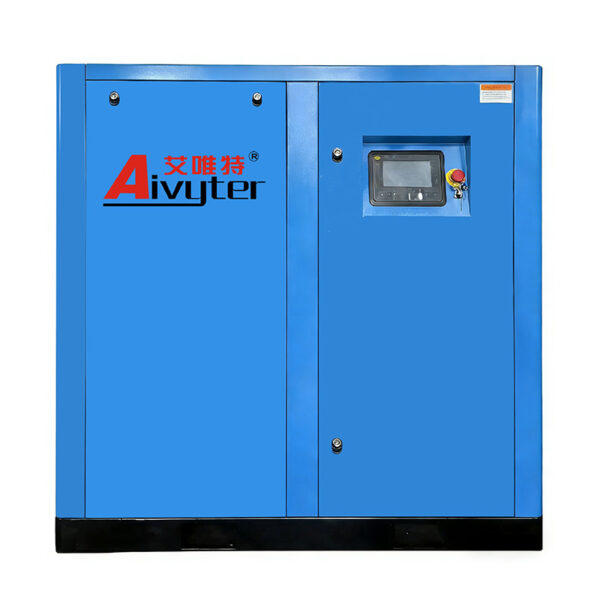
Maintenance and Selection Checklist for B2B Operators
This checklist is designed to help operators evaluate their current systems or prepare specifications for a new acquisition:
- Air Quality Standard: Determine if your process requires ISO 8573-1 Class 1 certified air, or if standard industrial air with particulate and coalescing filters is sufficient.
- Pressure Drop Audit: Regularly measure the pressure differential across your inline filters. A drop of more than 0.5 bar indicates the need for element replacement.
- Lubricant Analysis: Perform oil analysis every 2,000 operating hours to monitor for metal wear particles, water content, and acid levels.
- Receiver Tank Sizing: Ensure you have at least 10–15 liters of storage capacity per liter/second of compressor output to stabilize pressure fluctuations.
- Vendor Support Evaluation: Verify that your equipment provider, such as Aivyter, offers localized spare parts support and certified field technicians to minimize downtime.
Frequently Asked Questions
Q1: Why is my industrial screw compressor high-temperature light turning on frequently?
A1: High-temperature shutoffs are typically caused by restricted airflow through the oil cooler, low lubricant levels, or degraded thermal control valves. In dusty environments like construction or mining, dust build-up on the cooler fins acts as an insulator, preventing effective heat exchange. Regular cleaning with compressed air or specialized washing is recommended.
Q2: How often should we change the air-oil separator in a rotary screw system?
A2: Generally, the air-oil separator should be replaced every 4,000 to 6,000 operating hours, or when the pressure drop across the separator exceeds 1 bar (15 psi). Operating with a clogged separator forces the motor to work harder, increasing energy consumption and the risk of oil carryover into the air lines.
Q3: Can we use standard automotive oil in our industrial screw compressor?
A3: Absolutely not. Rotary screw compressors require highly specialized synthetic lubricants formulated to handle high shear forces, high temperatures, and continuous contact with water vapor. Automotive oils will quickly oxidize, form varnish on the rotors, and lead to catastrophic air-end failure.
Q4: What is specific energy consumption (SER) and why does it matter?
A4: Specific Energy Requirement (SER) or Specific Power is the amount of electrical power required to produce a specific volume of compressed air at a given pressure (e.g., kW per m³/min). It acts as the “fuel economy” rating of your compressor, allowing you to compare the true efficiency of different models regardless of their nominal horsepower.
Q5: How does high altitude affect the performance of an industrial screw compressor?
A5: At higher altitudes, the ambient air is less dense. This reduction in air density means the compressor must work harder and run longer to deliver the same mass of air. It also reduces the cooling efficiency of air-cooled systems, which often requires derating the motor or upgrading the cooling package for mining operations situated at high elevations.
Conclusion and Next Steps
Managing an industrial screw compressor successfully requires balancing equipment selection, operating environment factors, and regular preventative maintenance. By moving away from arbitrary oversizing and using frameworks like the TLD Balance system, operators can achieve significant energy savings and prolonged equipment life.
If you are looking to upgrade your compressed air infrastructure or require heavy-duty systems engineered for demanding environments, explore the solutions offered by Aivyter to find a configuration tailored to your specific operational needs.
about
Aivyter
We provides trusted air compressors and mining equipment, engineered for durability, efficiency, and demanding industrial applications.