Imagine operating a remote mining facility in the Andes or a steel fabrication plant in an industrial zone. Every week, heavy diesel trucks struggle up narrow roads to deliver liquid oxygen. If a delivery is delayed by weather, operations halt instantly. This supply chain vulnerability costs the global mining and construction sectors billions of dollars annually in lost productivity.
For decades, bulk liquid gas supply was considered the only reliable option. However, advances in gas separation technology have shifted the paradigm. Today, installing an on-site industrial oxygen generator allows companies to produce their own gas on demand. This shift bypasses the logistical risks of traditional suppliers entirely.
This guide analyzes the economics, mechanics, and selection strategies of modern oxygen generation systems. By understanding these factors, you can make an informed decision for your project requirements.
The Economics of On-Site Gas Generation: Beyond Liquid Deliveries
Purchasing bulk liquid oxygen seems straightforward, but the invoice price is only a fraction of the total cost. Businesses must account for cylinder rentals, hazardous delivery fees, vaporization losses, and storage lease costs. Liquid oxygen naturally boils off over time, meaning you pay for gas that evaporates into the atmosphere.
An on-site industrial oxygen generator changes this cost structure. Instead of recurring operational expenses, you invest in a capital asset with predictable operating costs. The primary ongoing cost is the electricity used by the feed air compressor.
For most industrial operations, producing gas on-site reduces the cost per cubic meter by 40% to 70% compared to delivered liquid. In remote mining areas, the return on investment (ROI) is often achieved in less than 18 months. Eliminating the carbon footprint of transport trucks also helps meet corporate sustainability targets.
Decoding PSA Technology: How On-Site Oxygen Systems Work
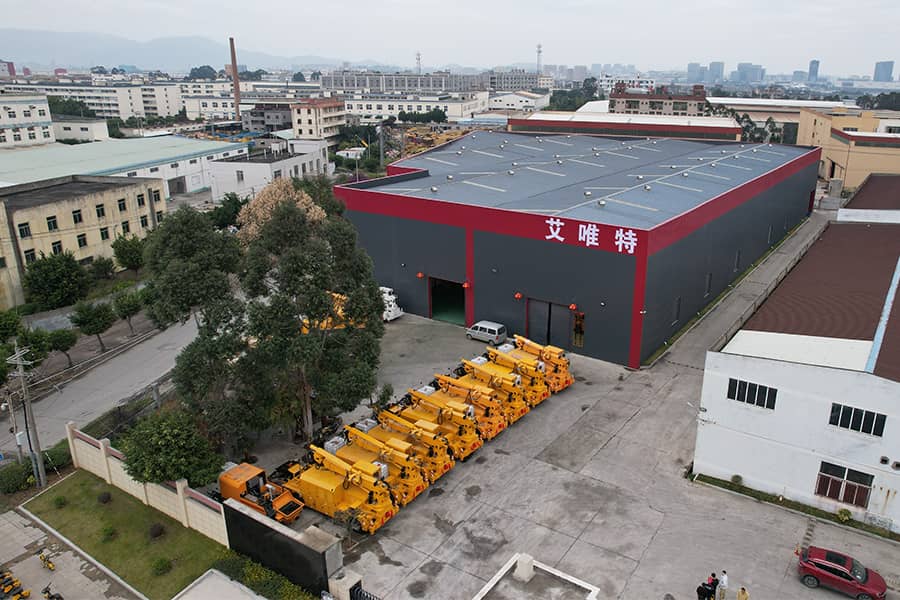
The core technology behind most modern systems is Pressure Swing Adsorption (PSA). This process separates oxygen from ambient air using a physical molecular sieve. To ensure a reliable and continuous flow of high-purity oxygen, heavy industries rely on specialized engineering partners like Aivyter to design integrated air systems.
A standard PSA setup consists of two vessels filled with Zeolite Molecular Sieve (ZMS). The process follows a continuous cycle:
- Pressurization and Adsorption: Compressed air enters the first vessel. The ZMS adsorbs nitrogen under pressure, allowing high-purity oxygen to pass through to the receiver tank.
- Depressurization: Once the sieve in the first vessel is saturated with nitrogen, the air flow is diverted to the second vessel. The first vessel depressurizes, releasing the trapped nitrogen into the atmosphere.
- Regeneration: A small amount of purified oxygen is flushed through the first vessel to clean the sieve, preparing it for the next cycle.
This simple, mechanical cycle runs continuously. It provides a reliable stream of oxygen without the need for hazardous chemicals or extreme cryogenic temperatures.
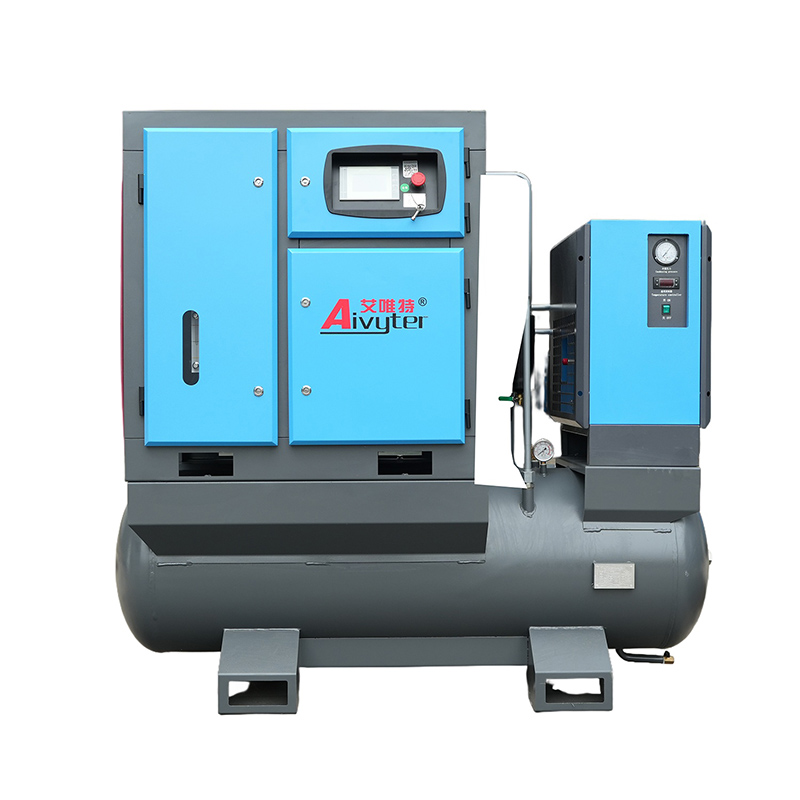
Using a high-performance industrial oxygen generator ensures your system remains energy-efficient during these cycles. By partnering with a system integrator like Aivyter, you can pair your generator with an optimized air compressor. This reduces energy waste during the pressurization phase.
The Purity Trap: Why 93% Oxygen Can Be More Cost-Effective Than 99%
A common misconception in heavy industry is that higher purity is always better. Many project managers demand 99% or 99.5% oxygen purity because they are accustomed to liquid oxygen specifications. However, this expectation often leads to unnecessary capital and operational expenses.
Liquid oxygen is produced cryogenically, which naturally results in 99% purity. In contrast, a PSA industrial oxygen generator typically produces purity levels between 90% and 95%. Raising the purity from 93% to 99% requires significantly larger air compressors and more zeolite material, which can double your energy consumption.
Most heavy industrial applications do not require 99% purity. Gold cyanidation, wastewater treatment, and glass manufacturing operate efficiently with 93% purity. Over-specifying your gas purity increases both your initial capital costs and ongoing energy bills. Tailoring your purity requirements to your actual process needs prevents these unnecessary expenses.
Sector Analysis: Mining, Metallurgy, and Construction Applications
Different industries have unique operating conditions that dictate how an industrial oxygen generator should be integrated. Below is an overview of how these systems are used in key sectors.
| Sector | Primary Application | Key Benefit of On-Site PSA | Critical Operational Challenge |
|---|---|---|---|
| Gold & Silver Mining | Cyanidation / Ore leaching acceleration | Increases gold recovery rates by up to 15% | High altitudes and extreme temperatures |
| Metal Fabrication | Oxy-acetylene cutting and welding | Eliminates cylinder handling and storage risks | Demands consistent, surge-free gas pressure |
| Wastewater Treatment | Ozone generation and biological aeration | Improves water treatment capacity without expanding footprint | Requires continuous, 24/7 system reliability |
In gold mining, for example, injecting oxygen into the slurry increases dissolved oxygen levels, accelerating the leaching process. For remote mines, using an industrial oxygen generator from brands like Aivyter ensures a steady supply of gas. This helps maintain high mineral extraction rates even when transport routes are cut off.
The Oxygen ROI Triangle: A Strategic Framework
To optimize your gas supply investment, we developed The Oxygen ROI Triangle. This framework balances three critical variables to ensure your system performs reliably at the lowest possible cost.
The three points of the triangle are:
- Purity (P): The minimum gas quality required for your chemical or mechanical process.
- Pressure (Pr): The delivery pressure needed at the point of use, which dictates whether you need secondary gas boosters.
- Volume/Flow (V): Your peak and average consumption rates, which determine the size of your storage tanks.
If you over-specify any single point—such as demanding excessive pressure or purity—the other points will require more energy and capital investment. Balancing these three factors allows you to select an industrial oxygen generator that matches your operational needs without inflating your budget.
On-Site Sizing Checklist: Step-by-Step Selection
Choosing the right system requires analyzing your site conditions and operating environment. Use this checklist before contacting a manufacturer like Aivyter for a formal quote.
- [ ] Determine Peak Flow Rate: Measure your peak demand in Normal cubic meters per hour (Nm³/h) or Standard Cubic Feet per Hour (SCFH).
- [ ] Verify Altitude and Air Density: High altitudes have thinner air. This requires your feed air compressor to be upsized to deliver the same volume of oxygen.
- [ ] Analyze Compressed Air Quality: Ensure your feed air system has adequate filtration to remove oil, water, and dust. Contaminants can damage the zeolite molecular sieve.
- [ ] Review Electrical Power Supply: Confirm that your site has stable electrical power to support both the compressor and the industrial oxygen generator controls.
- [ ] Plan for Redundancy: Decide if your process requires a backup bottle manifold or a secondary generator to prevent downtime during scheduled maintenance.
Common Misconceptions & Challenges in Oxygen Generation
A common error when installing an industrial oxygen generator is neglecting air treatment. A PSA system requires clean, dry feed air. If oil vapor or liquid water from the air compressor reaches the zeolite bed, it will damage the material, requiring an expensive replacement.
To prevent this, complete air treatment packages—including refrigerated dryers, water separators, and coalescing filters—are essential. Working with an integrated supplier like Aivyter helps ensure that your air compressor and oxygen generator work together reliably.
Another common mistake is ignoring local regulations. High-pressure oxygen systems must comply with strict safety standards, such as those set by OSHA or European pressure equipment directives (PED). Proper pipe cleaning, oil-free components, and adequate ventilation are critical to preventing safety hazards.
Frequently Asked Questions
Q1: What is the average lifespan of the Zeolite Molecular Sieve (ZMS) in an industrial oxygen generator?
A1: Under proper operating conditions, a high-quality ZMS can last between 10 and 15 years. However, if the feed air is contaminated with oil or water from the compressor, the sieve can degrade in less than two years. Proper filtration is essential to protecting your investment.
Q2: Can a PSA industrial oxygen generator operate at high altitudes?
A2: Yes, but air density decreases at higher altitudes. This means the air compressor must compress a larger volume of ambient air to produce the same amount of oxygen. System engineers must calculate these altitude correction factors during the design phase.
Q3: How much electricity does an on-site oxygen generation system consume?
A3: The oxygen generator itself uses very little electricity for its PLC controls and switching valves. The primary power consumer is the feed air compressor. Typically, it takes about 1.0 to 1.5 kWh of electricity to produce one cubic meter of oxygen at 93% purity.
Q4: Is it safe to generate and store oxygen on-site?
A4: Yes. Generating oxygen on-site is often safer than storing large amounts of high-pressure liquid oxygen. The system produces oxygen on demand at lower pressures, reducing the risks associated with storing large volumes of liquid gas.
Q5: Can I upgrade my system’s capacity if my plant’s production needs grow?
A5: Yes, many modern modular designs allow you to add extra filtration or adsorption banks. However, you must ensure your feed air compressor has enough capacity to handle the increased demand, or plan to add a second compressor in parallel.
Ready to Secure Your Oxygen Supply?
Transitioning from delivered liquid gas to an on-site industrial oxygen generator can help secure your supply chain, reduce operating costs, and improve safety. By matching your gas purity to your actual process needs and selecting robust, high-performance equipment, you can improve your plant’s efficiency and reliability.
If you are ready to evaluate on-site gas generation for your facility, contact the engineering team at Aivyter today. We can help you design a customized air and gas system tailored to your project’s requirements.
about
Aivyter
We provides trusted air compressors and mining equipment, engineered for durability, efficiency, and demanding industrial applications.