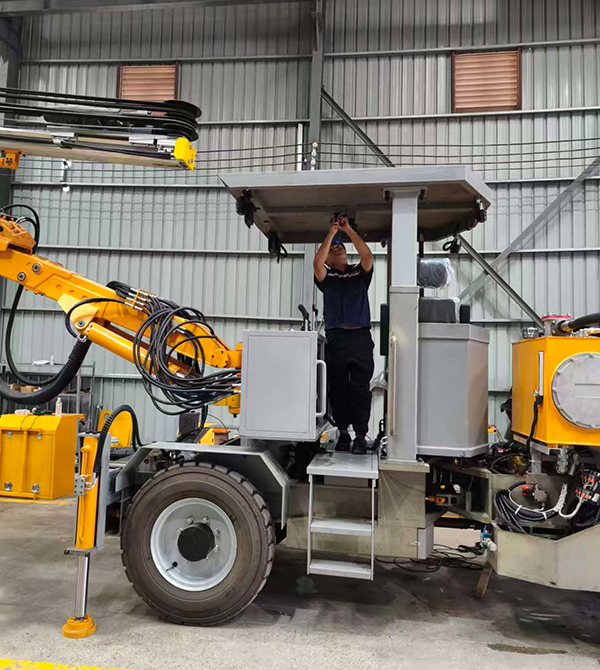
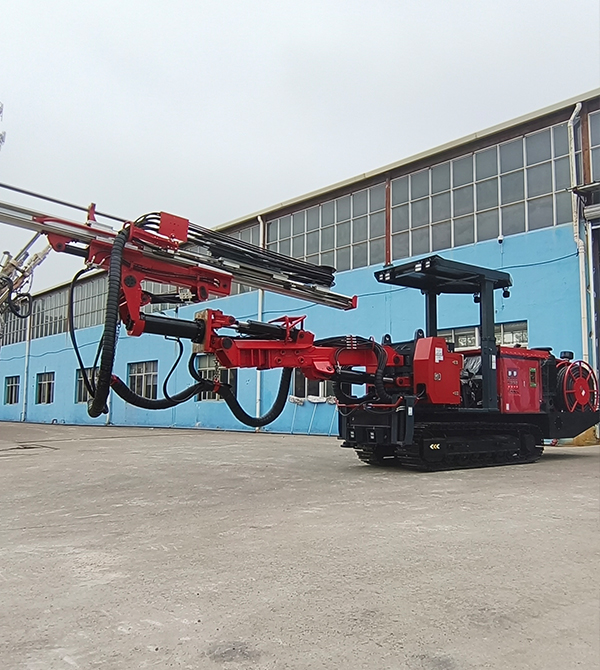
Underground excavation demands high-precision machinery capable of operating reliably under immense environmental stress. The transition from manual, handheld pneumatic drilling to mechanized systems represents one of the most significant advancements in subterranean development. At the center of this mechanical evolution is the mine jumbo, a specialized heavy machinery asset designed to drill blast holes, rock-bolt holes, and grout holes in tunneling, drifting, and mining operations.
By replacing manual labor with mechanized systems, modern mining operations achieve precise blast hole alignment, consistent drilling depth, and structurally sound tunnel profiles. This systematic approach directly reduces the likelihood of unplanned rock falls and improves the safety profile of the underground work face.
The Mechanical Architecture of a Hydraulic Rock Drill
To understand the performance of these machines, one must analyze the hydraulic drifter, which serves as the core impact mechanism. Often referred to as the rock drill, the drifter converts hydraulic energy from the carrier power pack into high-frequency impact energy and high-torque rotation.
- Impact Mechanism: A piston within the drifter moves back and forth at frequencies typically ranging from 40 to 60 Hz. This rapid movement strikes the shank adapter, sending a compressive stress wave through the drill steel to the button bit, fracturing the rock face.
- Rotation System: A hydraulic motor drives the rotation gear, turning the drill string between impacts. This rotation ensures that the carbide buttons on the drill bit strike a fresh rock surface with every blow, preventing energy loss through pulverized rock.
- Dampening System: Modern drifters incorporate a dual-dampening system. This hydraulic cushion absorbs the reflected shock waves that return from the rock face when the bit strikes soft ground or open fractures. By absorbing these forces, the system protects internal internal parts and drill steel threads from premature fatigue.
Equipment manufacturers, such as Aivyter, focus on matching the impact energy of the drifter with the specific Unconfined Compressive Strength (UCS) of the target geological formations. This balance helps mine operators maintain high penetration rates without causing excessive wear on consumables.
Boom Design and Geometry in Cross-Sectional Coverage
The positioning of the drilling tool is controlled by high-tensile steel booms. The physical design of these booms determines the maximum coverage area of the machine, which dictates the size of the tunnel face that can be drilled from a single setup.
Modern booms utilize automatic parallel holding systems. This hydraulic or electronic mechanism maintains the feed beam parallel to the tunnel axis regardless of boom elevation or swing. Without this parallel holding capability, operators would have to manually adjust the feed angle for every hole, leading to angular deviation. When blast holes are not parallel, the explosive energy is distributed unevenly, resulting in poor advance rates and irregular tunnel walls.
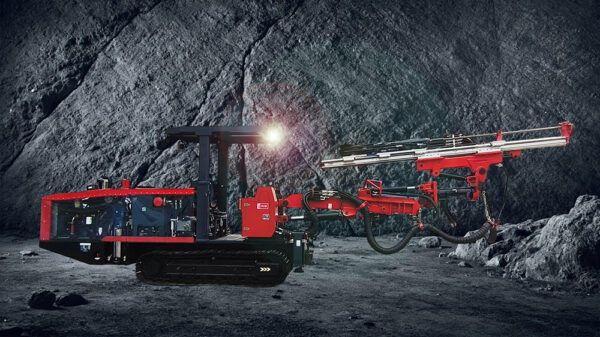
Regarding boom configuration, underground rigs are divided into single-boom, double-boom, and triple-boom setups. Single-boom configurations provide the high maneuverability required for narrow-vein mining and small-profile utility tunnels. Double and triple-boom configurations are utilized in large-scale civil engineering projects and production mining, where multiple holes must be drilled simultaneously to meet daily advance targets.
Anatomy of the Feed System and Drill String Controls
The feed system supports the hydraulic drifter and guides the drill string during the drilling cycle. Typically constructed from heavy-duty extruded aluminum profiles or box-section steel, the feed beam must withstand bending and torsional forces during high-pressure drilling.
A chain or hydraulic cylinder-driven system advances the drifter along the feed beam. To maintain stable rock contact, the feed system utilizes a front centralizer. The centralizer keeps the drill steel aligned during the initial collaring phase—the moment the drill bit first touches the rock face. Accurate collaring prevents the bit from sliding across the rock, which can bend the drill steel and damage the shank.
Control systems oversee the interaction between the feed force and rotation pressure. If the drill string encounters fractured rock or clay-filled seams, the rotation pressure rises rapidly. An automated anti-jamming system detects this pressure spike and instantly reverses the feed direction. This automated response prevents the drill steel from becoming stuck in the hole, reducing downtime and protecting the drill string from shearing forces.
Managing Subterranean Engineering Challenges
Underground mining environments present harsh operating conditions, including high humidity, corrosive water inflow, and abrasive airborne dust. Addressing these challenges requires robust engineering designs in both the mechanical and hydraulic subsystems of the mine jumbo.
Mitigating Overbreak and Underbreak
Overbreak occurs when explosives break more rock than designated by the tunnel profile, leading to increased mucking volume and higher concrete consumption during support installation. Underbreak occurs when insufficient rock is removed, requiring manual secondary blasting to clear the profile. Utilizing a high-precision mine jumbo allows operators to drill perimeter holes exactly along the planned boundary, containing the blast energy within the designed cross-section.
Flushing and Dust Suppression
Continuous flushing is necessary to clear rock cuttings from the drill hole. Water flushing is the standard method used in underground mining. Pressurized water is fed through the center of the shank adapter and drill steel, exiting through holes in the drill bit. This water cools the carbide buttons and flushes the cuttings out of the hole. In geological formations where water can cause rock swelling, air-mist systems are utilized as an alternative. Robust water pumps, such as those integrated into heavy-duty machinery from Aivyter, are designed to handle variable water quality, ensuring consistent flushing pressure even when operating with recycled mine water.
Carrier Configurations and Power Distribution
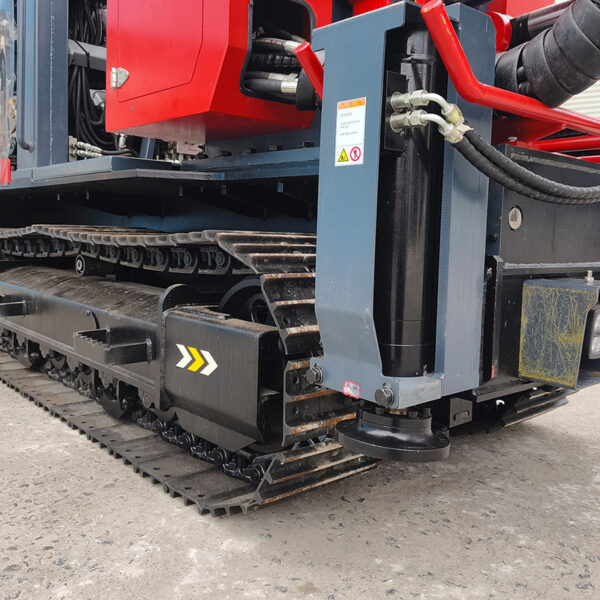
The mobility of the drilling rig is determined by its carrier platform. Carriers are categorized into two primary types: rubber-tired articulated vehicles and crawler-mounted units.
Articulated rubber-tired carriers provide high tramming speeds, allowing the rig to move quickly between different headings in a mine. Crawler carriers, on the other hand, provide excellent traction and low ground pressure, making them suitable for steep inclines or soft, unpaved tunnel floors.
Power distribution is typically split into two distinct systems:
- Tramming Power: A diesel engine powers the carrier during transit. This allows the machine to travel throughout the mine network without being tethered to an electrical cable.
- Drilling Power: Once positioned at the work face, the machine is connected to the mine’s electrical grid via a trailing cable. An electric motor then drives the hydraulic pumps that power the booms, feed systems, and drifter. This electric-hydraulic configuration eliminates diesel exhaust emissions in the confined space of the active heading.
Selecting the Right Rig for Specific Geologies
Choosing the appropriate drilling equipment requires matching the physical specifications of the machine to the geological conditions of the site. Important factors to consider include:
- Rock Mass Rating (RMR): Highly fractured rock masses require lower impact energy and specialized anti-jamming controls, whereas massive hard rock requires high-frequency drifters with high impact energy.
- Tunnel Dimensions: The minimum and maximum height and width of the heading determine the required boom reach and the physical footprint of the carrier.
- Gradeability: The slope of the mine ramps dictates the required engine power and transmission setup of the carrier to ensure safe travel.
Working with an experienced engineering machinery manufacturer like Aivyter helps mine operators configure their rigs with the appropriate boom lengths, drifter power ratings, and cabin configurations to match their specific operational requirements.
Frequently Asked Questions
Q1: What is the main purpose of a mine jumbo in underground mining?
A1: The main purpose of this machine is to drill precise blast holes, rock-bolt holes, or grout holes into the rock face. This mechanization replaces manual drilling, improving safety, speed, and accuracy during tunnel driving and mining operations.
Q2: How does a dual-dampening system in a hydraulic drifter protect drilling consumables?
A2: The dual-dampening system uses hydraulic oil chambers to absorb the reflected shock energy that returns from the rock face when the bit strikes hard rock. By absorbing these forces, it prevents the energy from damaging the thread connections, drill steel, and internal seals of the drifter.
Q3: Why is parallel holding capability important for boom operation?
A3: Parallel holding keeps the feed beam and drill steel parallel to the axis of the tunnel as the boom moves. This ensures that all blast holes are drilled parallel to each other, which is necessary for clean blasting, consistent advance rates, and preventing uneven tunnel walls.
Q4: Why do these machines use electric power for drilling but diesel power for tramming?
A4: Diesel engines provide the mobility required to travel long distances through mine ramps without trailing cables. Electric power is used during drilling to eliminate diesel emissions, minimize heat generation, and reduce ventilation requirements in the confined space of the active face.
Q5: What is the function of the anti-jamming system during the drilling cycle?
A5: The anti-jamming system monitors the rotation pressure of the hydraulic motor. If the drill bit encounters fractured rock or clay and begins to bind, the system detects the pressure rise and automatically reverses the feed direction, pulling the bit back to clear the obstruction before the drill string gets stuck.
Inquiry and Professional Consultation
Selecting the appropriate drilling platform for complex geological conditions requires detailed engineering analysis and configuration matching. For detailed specifications, custom boom arrangements, or to discuss how our machinery can match your specific underground project requirements, please contact our engineering application team to submit an inquiry.
about
Aivyter
We provides trusted air compressors and mining equipment, engineered for durability, efficiency, and demanding industrial applications.