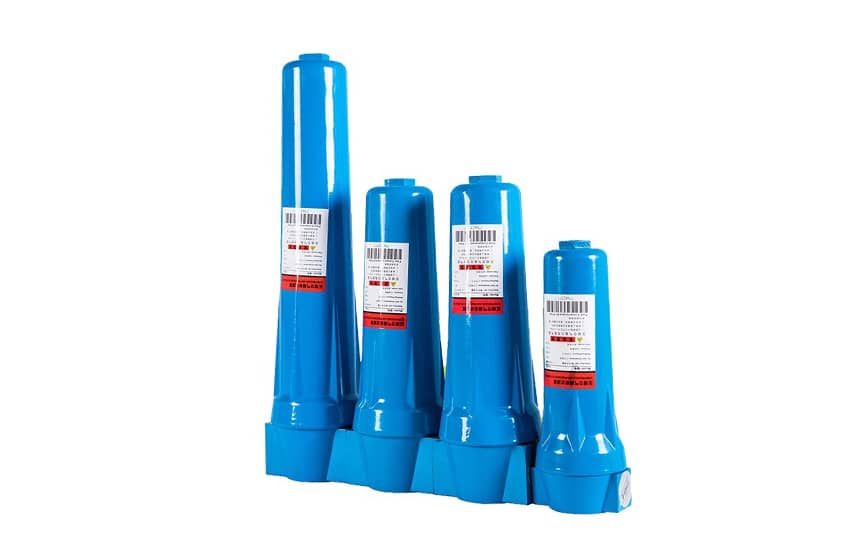
Industrial manufacturing facilities rely heavily on compressed air as a primary utility, powering pneumatic tools, control systems, and complex assembly lines. Within these demanding environments, the continuous operation of rotary screw and reciprocating compressors is vital to maintaining production schedules. Over extended operating periods, individual mechanical elements undergo inevitable wear due to friction, thermal exposure, and particulate accumulation. Sourcing the appropriate spare parts air compressor components is a fundamental requirement for plant maintenance managers who must prevent unexpected downtime and maintain system efficiency.
To preserve the structural integrity and thermodynamic performance of these complex systems, engineering teams must understand the exact mechanical functions of each component. Standard industrial equipment manufacturers like Aivyter provide access to precise replacement components designed to match the specific operating parameters of heavy-duty industrial machinery. This analysis examines the functional specifications of these parts, the mechanical consequences of component wear, and the systematic approach required for proper component procurement.
The Functional Mechanics of Internal Compressor Components
An industrial air compressor operates through a series of synchronized mechanical processes. When a single part suffers from dimensional wear or material degradation, the efficiency of the entire thermodynamic cycle decreases. Maintaining a reliable inventory of quality spare parts air compressor elements helps ensure that each sub-system functions within its designed tolerances.
Air Filtration and Particulate Protection
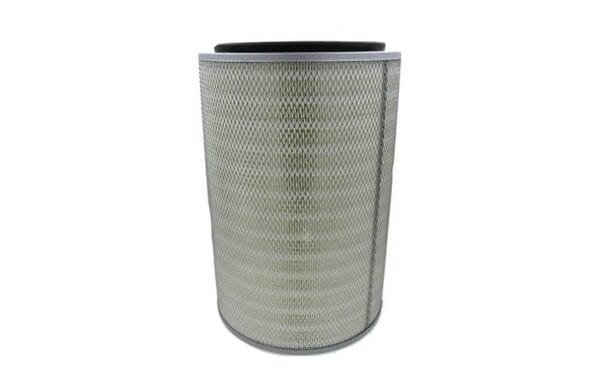
The intake air filter serves as the primary barrier against atmospheric particulates that can damage internal machinery. Industrial environments often contain high concentrations of airborne silica, metal dust, and moisture droplets. If these contaminants bypass the intake filter, they enter the compression chamber, where they act as abrasive agents between the high-speed rotating screws or pistons.
High-grade intake filters utilize pleated synthetic media or cellulose fibers with specific micron ratings to capture microscopic particles. The structural design of these filters must allow for high flow rates while maintaining a low initial pressure drop. When the filter becomes clogged, the compressor must work harder to draw in air, which leads to increased thermal output and energy consumption.
Oil-Air Separator Assemblies
In oil-injected rotary screw compressors, oil is introduced into the compression chamber to lubricate the rotors, seal the gaps, and absorb heat. This oil must be completely removed from the discharge air before it enters the downstream air system. The oil-air separator element is responsible for this separation process, utilizing multi-layered coalescing fiberglass media to force tiny oil droplets to combine into larger drops that fall to the bottom of the separator vessel.
A failed or poor-quality separator element leads to oil carryover, where lubricant enters the plant air distribution lines. This contamination can ruin pneumatic control valves, spoil manufactured goods, and deplete the compressor’s oil supply, risking severe mechanical seizure.
Thermostatic and Pressure Valves
Temperature control and pressure regulation are managed by specialized valve systems within the compressor. The thermostatic valve controls the flow of lubricant through the oil cooler, ensuring the machine reaches its optimal operating temperature quickly without overheating. At the same time, the minimum pressure valve keeps the internal pressure of the separator vessel above a set threshold, which is necessary to maintain proper oil circulation under all load conditions.
These valves operate under constant pressure cycles and temperature fluctuations. Over time, internal springs lose their tension, and elastomeric seals degrade, leading to pressure drops and thermal instability.
Mechanical Failure Modes Caused by Component Degradation
Continuous mechanical operation without timely part replacement leads to predictable failure modes. Understanding these physical processes allows engineering teams to identify issues before they cause total system failure.
| Component | Primary Failure Mechanism | Operational Consequence | Preventative Replacement Interval |
|---|---|---|---|
| Intake Air Filter | Particulate saturation and media tearing | Unfiltered air enters rotors, causing abrasive wear and rotor damage | 2,000 hours (depending on dust levels) |
| Oil-Air Separator | Coalescing media plugging or bypass rupture | High oil carryover, downstream piping contamination, oil loss | 4,000 hours of continuous operation |
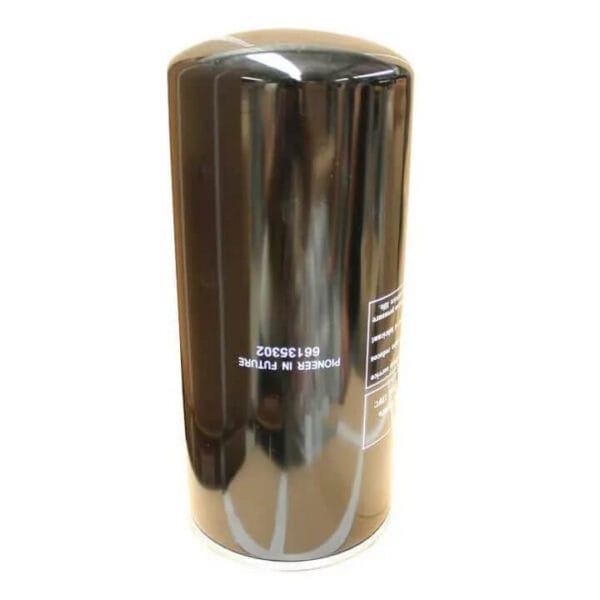
| Oil Filter Element | Bypass valve stuck open due to particulate loading | Unfiltered lubricant circulates through precision bearings | 2,000 hours under standard thermal loads |
| Minimum Pressure Valve | Spring fatigue or internal seal degradation | Improper lubrication during startup, high backflow risk | 8,000 hours or during major overhauls |
When particulate bypass occurs in the oil circuit, the bearings supporting the male and female rotors are exposed to micro-abrasive contaminants. This exposure leads to spelling and galling on the bearing raceways, which alters the rotor alignment. Even a minor deviation in rotor clearance can cause the metal surfaces to contact each other at high speeds, leading to catastrophic screw failure.
Additionally, thermal breakdown of the compressor lubricant can cause varnish buildup on the internal piping and valve seats. If the oil filter is not replaced regularly, it cannot capture these sticky carbon deposits, leading to blocked cooling channels and elevated operating temperatures that degrade the machine’s overall efficiency.
Industrial Selection Criteria for Replacement Components
Evaluating spare parts air compressor manufacturers involves analyzing raw material standards, manufacturing tolerances, and quality control procedures. Industrial buyers must look beyond simple dimensions to ensure that the replacement parts can handle heavy-duty operation.
- Elastomeric Material Quality: All O-rings, gaskets, and valve seals must be made from high-performance fluoropolymer elastomers (such as Viton) or synthetic rubbers that can withstand high temperatures and resist degradation from synthetic oils.
- Structural Reinforcement: Oil-air separators and heavy-duty air filters require inner and outer steel cages to resist collapsing under pressure spikes. The steel components must be corrosion-resistant to prevent rust from entering the system.
- Filtration Efficiency Ratings: Replacement filters should carry verified Beta ratings and conform to ISO 12500 testing standards, guaranteeing reliable particulate capture under specified flow conditions.
- Dimensional Precision: Valves and internal wear kits must match the original equipment manufacturer’s blueprint specifications to ensure perfect alignment and tight seals during installation.
Using lower-grade replacement parts can lead to high pressure drops across the filters, which forces the air compressor to consume more power. This increased energy use often outweighs any initial savings from choosing cheaper, non-certified parts.
Engineering Standards in Manufacturing Replacement Components
High-quality spare parts air compressor designs are built using precise, data-driven engineering practices. Every part must withstand continuous pressure cycling, thermal expansion, and mechanical vibration.
For example, the fabrication of minimum pressure valves requires precise machining of the valve seat and correct calibration of the internal spring rate. If the spring constant is too high, the valve will open late, causing high internal pressure and extra load on the drive motor. If the spring is too weak, the valve opens early, which prevents the system from maintaining the minimum pressure needed for proper oil lubrication during startup.
Similarly, the assembly of oil-air separator elements requires precise pleating of the fiberglass media. Standard manufacturing processes ensure that the layers are spaced evenly, preventing pockets of high velocity that can break through the media and cause high oil carryover. Static grounding strips must also be integrated into the separator design to discharge any static electricity generated by the fast-flowing air, avoiding potential ignition risks inside the separator vessel.
Managing the B2B Procurement and Maintenance Supply Chain
For large production plants, managing the procurement cycle for maintenance components is essential for avoiding unexpected downtime. A well-organized supply chain strategy relies on having dependable manufacturing partners who can supply reliable components with short lead times.
Industrial distributors trust Aivyter to deliver durable, high-precision components that meet rigorous industrial standards. Working with a dedicated supplier allows procurement teams to streamline their inventory, reducing the need to stock excessive spare parts while ensuring that vital components are readily available for scheduled maintenance turnarounds.
To keep systems running reliably, plants should follow a preventive maintenance schedule that links part replacements to actual operating hours rather than waiting for a component to fail. This structured approach helps protect critical machinery, keeps operating temperatures stable, and ensures clean, dry air flows throughout the facility.
Frequently Asked Questions
Q1: What are the primary indicators that an oil-air separator needs to be replaced?
A1: The most reliable indicator is an increased differential pressure reading across the separator vessel, typically exceeding 0.8 to 1.0 bar (12 to 15 psi). Other common signs include a noticeable drop in downstream air pressure, an unexplained drop in oil levels, or the presence of liquid oil in the discharged compressed air line.
Q2: How does a clogged intake air filter affect overall energy use?
A2: A clogged intake filter restricts airflow, creating a vacuum at the compressor inlet. This restriction forces the compressor to run longer and work harder to meet demand, increasing energy consumption and raising operating temperatures within the compression chamber.
Q3: Can synthetic compressor oils damage standard replacement seals and gaskets?
A3: Yes, synthetic lubricants, particularly ester-based fluids, can degrade and swell standard nitrile rubber (NBR) seals. For synthetic oil systems, replacement seals must be made from compatible fluoropolymer elastomers like Viton to prevent premature leaks.
Q4: Why is static grounding necessary on oil-air separator elements?
A4: As dry air and oil mist flow quickly through the glass fibers of the separator, they can build up static electricity. Without proper grounding through metallic strips or gaskets, a static spark could ignite the oil vapor inside the pressurized vessel.
Q5: How often should the minimum pressure valve be inspected and serviced?
A5: The minimum pressure valve should be inspected every 8,000 operating hours or during major service intervals. Maintenance involves cleaning the valve body, replacing elastomeric seals, checking the internal spring tension, and ensuring the piston moves smoothly.
Submit an Engineering Inquiry
Selecting the correct spare parts air compressor specifications requires detailed technical alignment with your existing system’s performance curve. Our application engineers can help you identify the exact filtration media, valve configurations, and seal materials needed for your specific operational demands. Contact Aivyter today to discuss your technical parameters, request detailed component specifications, or obtain a comprehensive quote for your industrial maintenance requirements.
about
Aivyter
We provides trusted air compressors and mining equipment, engineered for durability, efficiency, and demanding industrial applications.