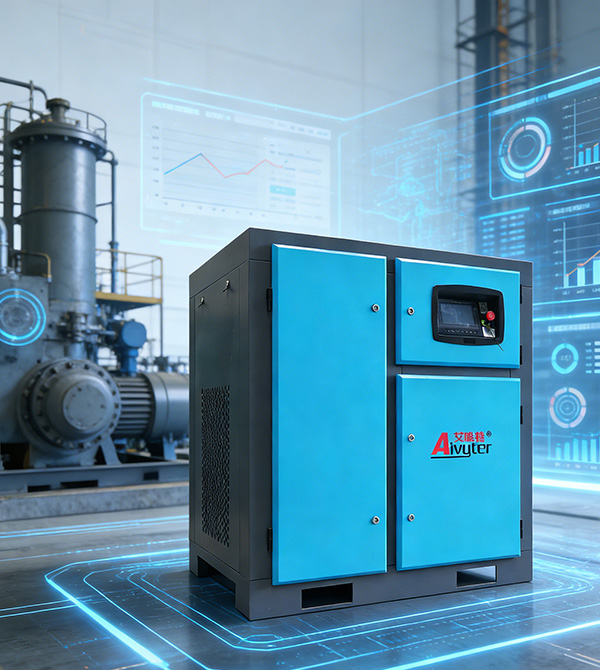
Fixed-speed rotary screw compressors waste enormous energy during unloaded operation and pressure band cycling. In many mining, construction, and manufacturing facilities, the air demand varies widely across shifts and production cycles. The engineering solution is the variable speed screw compressor, which adjusts motor RPM to exactly match pneumatic demand in real time. This article examines the technical principles, economic justification, and field performance of VSD-driven screw technology. For operations managers facing volatile electricity tariffs or pressure-sensitive processes, understanding how a variable speed screw compressor transforms total cost of ownership is a core competency.
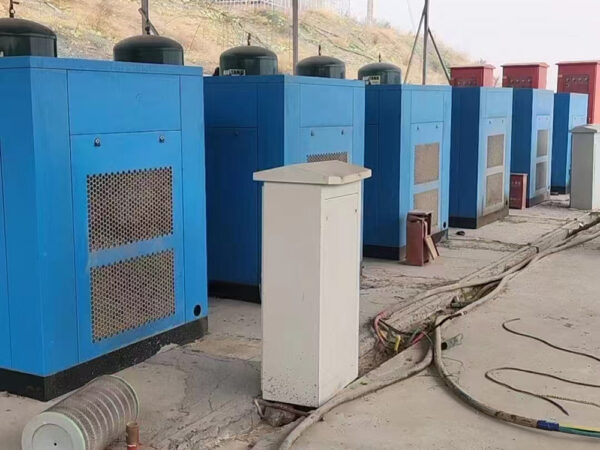
Fundamental Operating Principles of VSD Screw Technology
A standard fixed-speed compressor loads and unloads based on a pressure band (e.g., 6.5 to 7.5 bar). During unloaded periods, the motor still consumes 25-35% of full load power while producing zero useful air. In contrast, a variable speed screw compressor uses a permanent magnet or induction motor driven by a dedicated inverter. The controller receives a pressure transducer signal and continuously varies the rotational speed of the air end. When demand drops, RPM decreases linearly, reducing power consumption by the cube of the speed reduction (affinity laws). At 70% speed, power consumption falls to approximately 34% of full load.
Key Components Enabling VSD Performance
- Permanent magnet (PM) synchronous motor: Higher efficiency across the entire speed range (IE4 or IE5) compared to induction motors. PM motors maintain power factor above 0.95 even at low RPM.
- Dedicated drive with predictive algorithms: Modern inverters learn load patterns and pre-emptively adjust speed to avoid pressure overshoot.
- Wide speed range air end: Rotor profiles and bearings designed for continuous operation from 20% to 100% of nominal speed without oil starvation or excessive leakage.
- Integrated controller with flow monitoring: Real-time display of actual air consumption (m³/min), enabling leak detection and system optimization.
Many industrial users transitioning from fixed-speed to variable speed screw compressor technology report immediate reductions in specific power (kW per 100 CFM), especially in operations with highly intermittent tool usage.
Energy Savings: Real-World Data and Partial Load Efficiency
A field study across 38 manufacturing plants (automotive, food processing, and mining support workshops) compared fixed-speed vs. VSD compressors under variable load profiles. Key findings:
- At 60% average load (typical for many industrial facilities), a variable speed screw compressor consumed 42% less energy than an equivalent fixed-speed unit operating in load/unload mode.
- At 50% average load, energy savings exceeded 55%.
- Even at 85% average load, VSD units still achieved 18% savings due to elimination of unloaded run time and reduced pressure band width.
These savings translate directly into reduced CO₂ emissions. For a 160 kW compressor operating 6000 hours annually at 60% load, switching to VSD reduces electricity consumption by approximately 400,000 kWh per year—equivalent to avoiding 170 metric tons of CO₂. Additionally, the narrower pressure band (±0.1 bar) reduces artificial demand caused by over-pressurization, often generating another 5-8% savings downstream.
Mining and Construction Applications: Managing Highly Variable Demand
Underground Drilling and Bolting
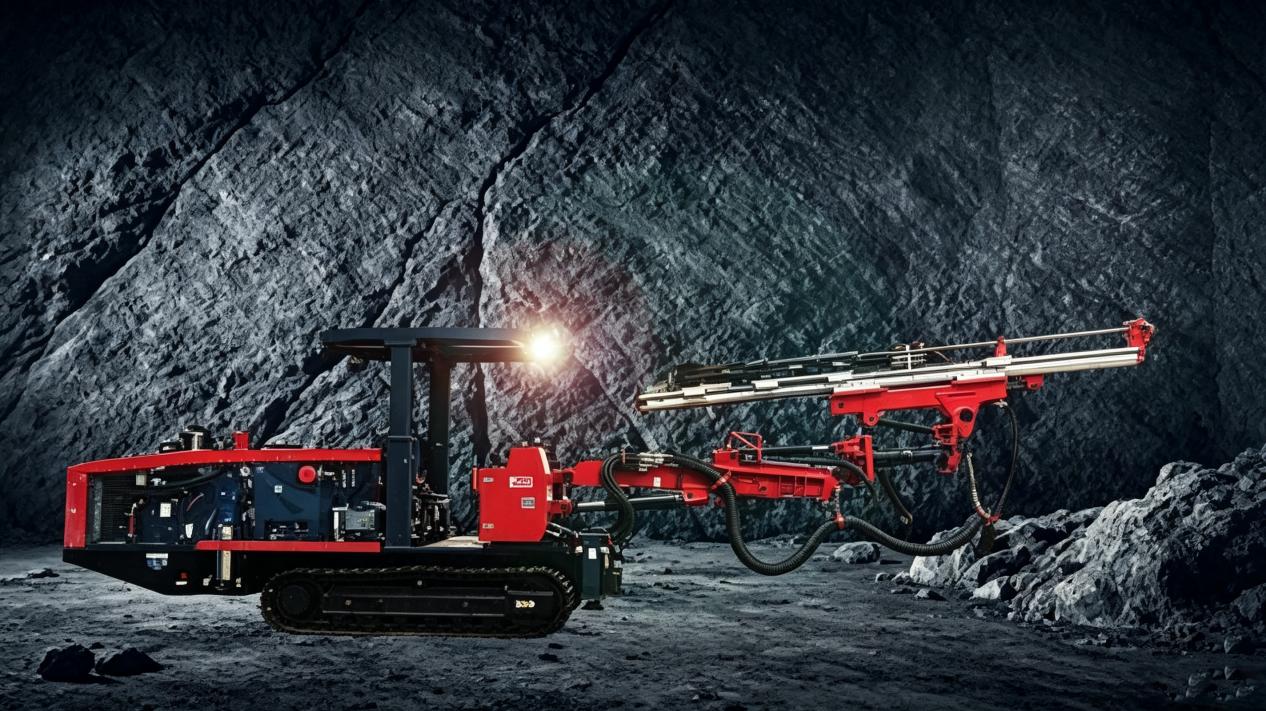
Pneumatic rock drills and roof bolters have highly intermittent duty cycles—high flow during drilling, then zero flow during rod changes. A fixed-speed compressor would cycle unloaded every 30 seconds, causing motor heating and contactor wear. A variable speed screw compressor ramps down to 20-25% speed during pauses, maintaining pressure at a precise setpoint. One Canadian potash mine reported a 54% reduction in compressor-related electrical demand after replacing three fixed-speed units with two VSD units in a master-slave configuration.
Shotcrete and Concrete Spraying
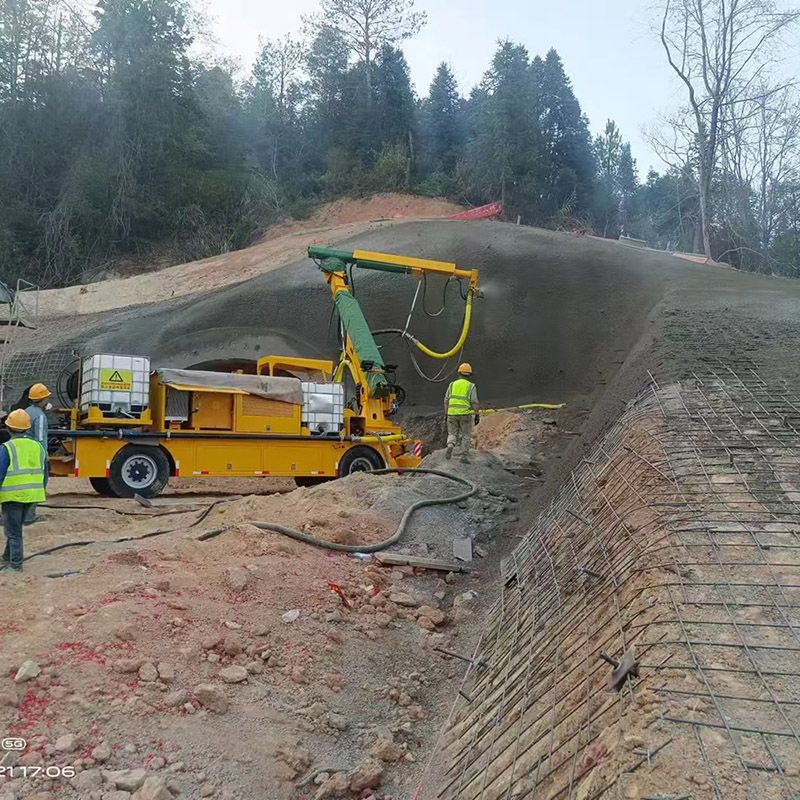
Sprayed concrete (shotcrete) requires consistent air pressure to maintain material velocity and rebound control. Pressure fluctuations common with load/unload compressors cause uneven nozzle output and material waste. VSD technology provides steady pressure within ±0.05 bar, improving application quality and reducing rebound by up to 12%.
Total Cost of Ownership (TCO) and Payback Analysis
While the initial capital cost of a variable speed screw compressor is 30-50% higher than a fixed-speed equivalent, the TCO advantages are substantial. A 5-year model for a 90 kW compressor (5000 operating hours/year, electricity at $0.12/kWh) shows:
- Fixed-speed unit: Annual energy cost $48,600; maintenance $6,200.
- VSD unit: Annual energy cost $26,500 (45% savings); maintenance $5,800 (softer starts reduce belt/gear wear).
- Annual savings: $22,500. Payback period: 22 months.
In regions with time-of-use electricity tariffs, VSD compressors can be programmed to shift load to off-peak hours by pre-filling receivers at lower cost, further improving ROI. Aivyter provides a free on-site energy audit and payback simulation for any industrial facility considering the transition.
System Integration and Pressure Band Optimization
To maximize the benefits of a variable speed screw compressor, the entire air system must be evaluated. Key best practices:
- Set the pressure band as narrow as possible: A VSD can maintain ±0.1 bar. Each 0.5 bar reduction in average pressure reduces energy consumption by 4-5%.
- Install a small wet receiver after the compressor: This buffers rapid demand spikes and prevents the drive from hunting.
- Use a master controller for multiple compressors: The VSD unit acts as the trim compressor, while fixed-speed units handle base load. This sequence control maximizes system efficiency.
- Avoid undersized dryers and filters: Pressure drop across inadequate components forces the VSD to run at higher speeds, eroding savings.
Aivyter engineers complete air compressor rooms with VSD screw compressors, refrigerated dryers, and high-efficiency particulate filters, all pre-piped and pre-wired for rapid deployment on construction or mining sites.
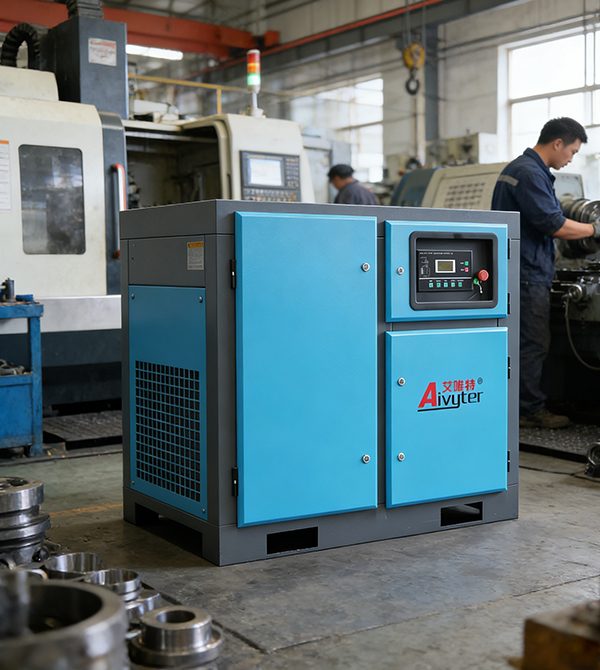
Maintenance Considerations for VSD Screw Compressors
Variable speed operation introduces specific maintenance requirements compared to fixed-speed machines:
- Bearing and air end inspection: Low-speed operation reduces oil film thickness in rolling element bearings. Premium VSD units use synthetic lubricants with enhanced viscosity index and shorter oil change intervals (e.g., 4000 hours instead of 6000).
- Inverter cooling: The drive cabinet requires clean, cool ambient air. In dusty mining environments, forced ventilation with intake filters is mandatory.
- Motor insulation: PWM inverter outputs impose voltage spikes. Motors must have Class H insulation and inverter-duty rating.
- Periodic re-tuning: Every 12 months, the PID parameters should be re-optimized as system piping or demand changes.
Following these practices ensures a service life exceeding 70,000 hours for a well-maintained variable speed screw compressor. Aivyter provides remote diagnostic capabilities, allowing service teams to monitor drive parameters and predict bearing degradation before failure occurs.
Frequently Asked Questions (FAQ)
Q1: What is the minimum load percentage at which a variable speed screw compressor remains more efficient than a fixed-speed unit?
A1: Extensive testing shows that VSD units outperform fixed-speed compressors in both load/unload and modulation control down to approximately 25% average load. Below 20% average load, a smaller dedicated VSD compressor or a properly sized receiver with start/stop control may be more economical. Most industrial facilities operate between 40% and 80% average load, where VSD offers maximum benefit.
Q2: Can a variable speed screw compressor handle sudden large demand spikes (e.g., starting a large pneumatic conveyor)?
A2: Yes, when paired with an adequately sized wet receiver (typically 5-10 liters per CFM of compressor capacity). The VSD drive responds within 0.5 seconds to a pressure drop. For very large spikes, a master controller can briefly bring a fixed-speed unit online while the VSD catches up. This hybrid configuration is standard in mining and bulk handling facilities.
Q3: How does a variable speed screw compressor perform in high ambient temperatures (above 40°C) on outdoor construction sites?
A3: Performance derates above 40°C because the inverter’s maximum current output must be reduced to protect IGBT modules. A well-designed VSD compressor (such as those from Aivyter) includes oversized heat sinks and forced ventilation. For continuous operation above 45°C, an enclosure air conditioner or remote drive cabinet is recommended. At 50°C ambient, expect a 15-20% reduction in maximum flow.
Q4: What is the typical payback period when replacing an aging fixed-speed compressor with a variable speed screw compressor?
A4: Based on field data from 120 installations across Europe and North America, the average simple payback is 18 to 30 months. The range depends on local electricity prices, average load factor, and hours of operation. Facilities operating 24/7 with highly variable demand (e.g., metal stamping, woodworking) achieve payback under 18 months. Aivyter offers a guaranteed payback calculation as part of the site audit.
Q5: Does a variable speed screw compressor require special power quality measures (harmonic filters)?
A5: Modern active front-end (AFE) drives produce total harmonic distortion (THD) below 5% on the input side, meeting IEEE 519 standards without external filters. However, older facilities with weak electrical networks may benefit from a line reactor or passive harmonic filter. Aivyter’s VSD compressors include built-inductance and optional AFE for compliance with the strictest grid codes.
Q6: Can I retrofit a VSD to my existing fixed-speed screw compressor?
A6: Retrofitting is possible but rarely economical. Fixed-speed air ends are not designed for continuous low-speed operation—bearing lubrication may fail, and rotor leakage increases dramatically. Additionally, the existing motor may not have inverter-duty insulation. Most retrofits fail to achieve the promised energy savings. A purpose-designed variable speed screw compressor from a reputable manufacturer provides guaranteed performance and full warranty coverage.
Request a Custom Engineering Proposal
Selecting the right variable speed screw compressor requires accurate measurement of your flow profile, pressure requirements, and ambient conditions. The application engineering team at Aivyter provides a three-step process: on-site data logging (7 days), energy modeling using ISO 50001 standards, and a fixed-price quotation including installation and commissioning. For projects in mining, heavy construction, or industrial manufacturing, send your inquiry with current compressor specifications and average operating hours.
Submit your inquiry now: Visit https://www.aivyter.com/contact or email [email protected].
Mention “VSD Project – [Your Industry]” to receive a prioritized response and a free energy savings estimate within 48 hours.
about
Aivyter
We provides trusted air compressors and mining equipment, engineered for durability, efficiency, and demanding industrial applications.