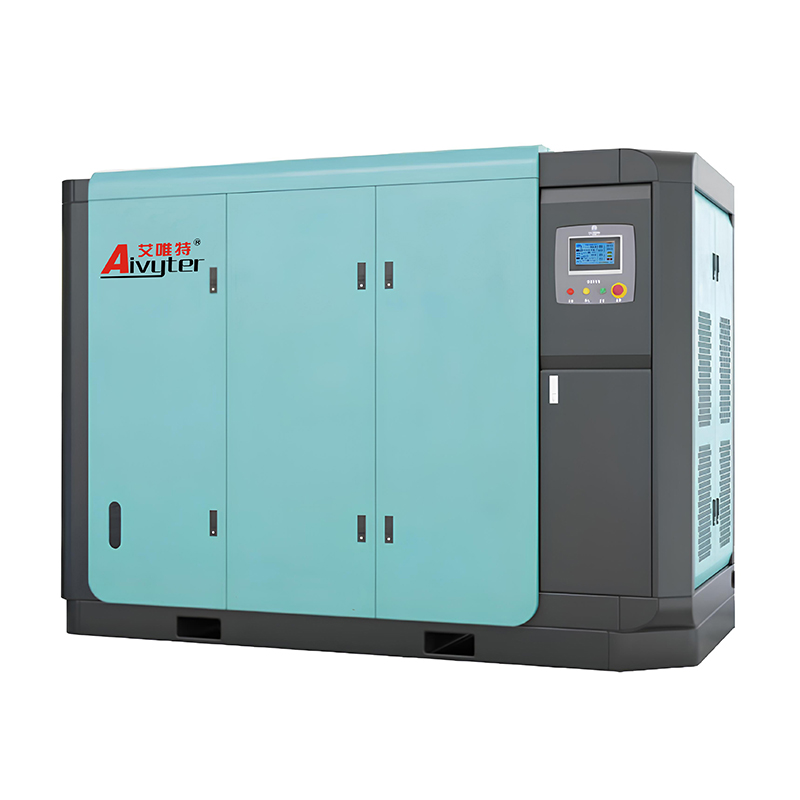
Large-scale infrastructure construction, deep-well mining, and heavy industrial manufacturing require stable energy transmission to operate heavy machinery. Among the various methods of power delivery, compressed air remains a primary utility alongside electricity and hydraulics. Large-scale construction and extraction projects present severe operational environments, demanding high-performance pneumatic systems that operate under extreme dust, shifting temperatures, and variable workloads. Implementing robust compressors industrial configurations requires a comprehensive understanding of thermodynamics, mechanical specifications, and environmental factors.
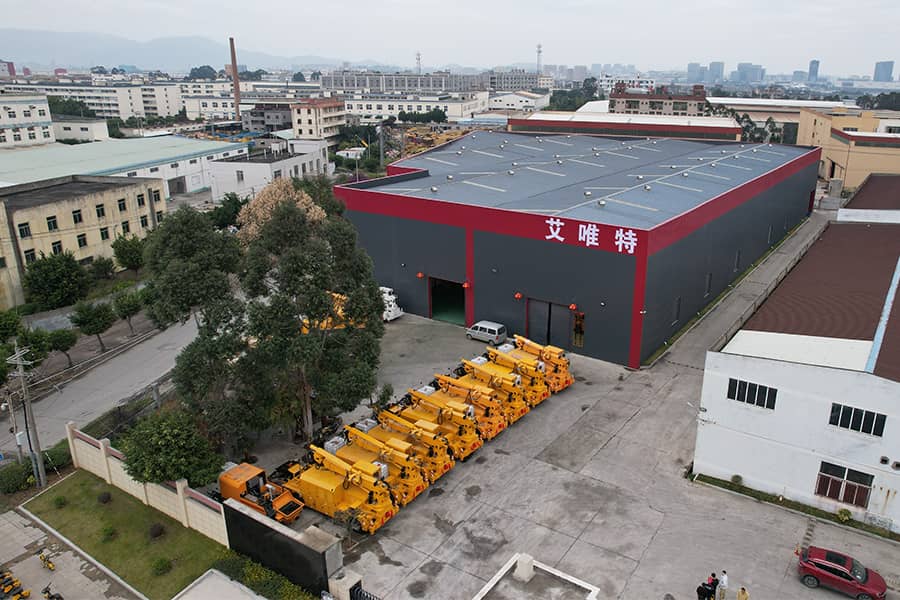
Standard pneumatic tools such as heavy-duty rock drills, pneumatic breakers, and structural sprayers rely on consistent volumetric flow rates and pressures. When designing a compressed air system for these applications, engineers must look beyond simple horsepower ratings. They must analyze the entire air generation and treatment train to maintain continuous uptime and prevent premature component wear. Manufacturers like Aivyter develop heavy-duty air solutions engineered to withstand these demanding conditions, ensuring that operations maintain steady productivity.
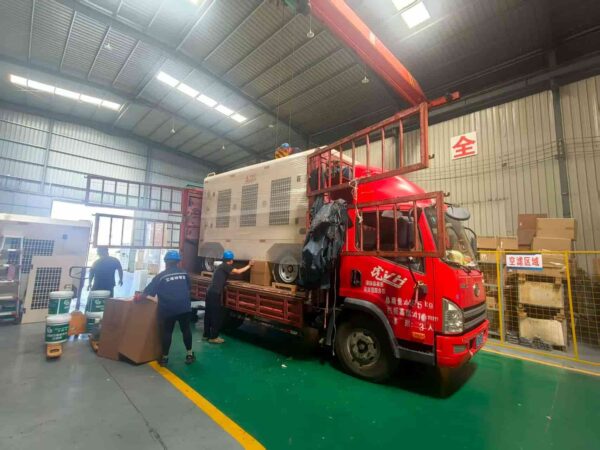
Air Compression Technologies for Heavy Industry
Achieving this continuous productivity requires a deep evaluation of different compressor designs. Each mechanical configuration possesses distinct advantages depending on the duty cycle, flow requirements, and pressure limits of the specific industrial process.
Rotary Screw Systems
Rotary screw air compressors are the standard choice for applications requiring continuous, 100% duty cycle operation. These machines utilize two intermeshing helical rotors to compress the air. As the rotors turn, they reduce the volume of the trapped air, raising its pressure. Oil-injected rotary screw units use lubricant to seal the clearances between the rotors, cool the compression chamber, and dampen operational noise. The continuous flow characteristics of rotary screw systems make them highly suited for powering automated assembly lines, large sandblasting operations, and continuous mining machinery.
Reciprocating Piston Systems
Reciprocating compressors utilize a crankshaft-driven piston and cylinder configuration to compress air. These systems operate on a displacement principle, where intake valves open to draw air into the cylinder during the downward stroke, and discharge valves release the compressed air during the upward stroke. Reciprocating compressors are generally designed for intermittent duty cycles. They are highly efficient at generating high pressures, often exceeding 150 PSI, making them suitable for pneumatic clamping, high-pressure testing, and starting large diesel engines on heavy construction vehicles.
Centrifugal Compressors
Centrifugal, or dynamic, compressors rely on a high-speed impeller to accelerate the air, which is then slowed down in a diffuser to convert kinetic energy into static pressure. These systems are typically oil-free and designed for high-volume, continuous applications. They are commonly deployed in massive petrochemical plants, large steel mills, and municipal water treatment facilities where massive quantities of compressed air are needed at consistent pressures.
Analyzing Environmental Demands in Mining and Construction
While selecting the underlying technology is a foundational step, the actual operating environment introduces specific environmental challenges that threaten system longevity. The physical environment of a mining site or construction zone differs greatly from a clean, climate-controlled factory floor.
Dust and particulate matter represent primary challenges to internal compressor components. Mining operations produce massive amounts of abrasive silica and mineral dust. If these particulates bypass the intake filtration, they can contaminate the compressor oil, causing accelerated wear on the rotary screw air end bearings or piston rings. Dual-stage, heavy-duty air intake filters are required to capture fine dust before it enters the compression chamber.
Ambient temperature fluctuations also dictate how a compressor is configured. In subterranean mining, ambient temperatures can rise significantly, while arctic construction sites present freezing conditions. Air compressors generate substantial heat during the compression cycle. Adequate heat dissipation through heavy-duty oil coolers and aftercoolers is required to prevent thermal shutdown. Conversely, in cold climates, canopy heaters and oil preheating systems are necessary to prevent lubricant coagulation before startup.
Along with dust and temperature, mobile applications in engineering construction subject compressors industrial systems to constant vibration and mechanical shock. Heavy-duty frames, reinforced mounting brackets, and robust canopy designs protect the internal motor, compressor block, and control panels from structural fatigue caused by transport over rugged terrain.
Air Quality and Moisture Management
This structural resilience must be matched by equal attention to the internal air chemistry, particularly regarding moisture and oil aerosols. Compressing ambient air concentrates water vapor and airborne oil aerosols. If left untreated, this moisture condenses inside the downstream distribution piping, leading to corrosion, frozen air lines in cold weather, and premature failure of pneumatic valves and cylinders.
Managing moisture requires a multi-stage air treatment train. The process begins immediately after compression with an integrated aftercooler, which lowers the temperature of the discharged air to within 10 to 15 degrees Fahrenheit of the ambient temperature. This cooling forces a significant portion of the water vapor to condense into liquid water, which is then removed by a mechanical water separator.
For high-precision industrial applications, such as sandblasting structural steel prior to coating, further drying is required. Refrigerated air dryers cool the air to a dew point of approximately 38 degrees Fahrenheit, condensing more moisture. For applications operating in freezing environments, desiccant air dryers utilize activated alumina or molecular sieve materials to achieve pressure dew points as low as -40 degrees Fahrenheit.
Particulate and oil-removal filters must be placed downstream of the dryers. Coalescing filters trap fine oil aerosols and sub-micron dust particles, ensuring the air meets the required ISO 8573-1 air purity classes. By utilizing systems manufactured by Aivyter, operators can integrate reliable air treatment components directly with their primary compressor units to achieve the desired air quality standards.
Operational Considerations for High-Altitude Operations
In addition to managing air quality, geography plays an important role in how a compressed air system is configured. Mining and civil engineering projects frequently take place at high altitudes, where atmospheric pressure is significantly lower than at sea level. This atmospheric change directly affects the performance of compressors industrial machinery.
As altitude increases, the density of the air decreases. Because a displacement compressor draws in a fixed volume of air per stroke or rotation, the mass flow rate of the compressed air decreases at higher elevations. To deliver the same mass of air to pneumatic tools, a compressor must run longer or be sized larger than a unit operating at sea level.
Lower air density also reduces the cooling capacity of the electric motor or diesel engine driving the compressor. Since air is less dense, it carries away less heat as it passes over the motor windings and cooling fins. Engineers must de-rate the horsepower capacity of the prime mover when planning high-altitude installations to prevent overheating. Lubrication viscosity must also be carefully selected to match the operating temperatures expected under these conditions.
Maintaining System Efficiency Through Preventive Maintenance
Adjusting for altitude ensures the machine starts with the correct capacity, but ongoing performance relies on structured preventive maintenance. Industrial facilities cannot afford unexpected downtime, as a sudden loss of compressed air can halt entire production lines or tunnel boring operations.
Oil analysis is a fundamental diagnostic tool for oil-injected screw compressors. Regularly testing the lubricant allows technicians to detect internal wear patterns early, identify coolant contamination, and determine the exact timing for oil changes. Changing oil filters, separator elements, and air intake filters at designated intervals ensures low pressure drops across the system, preventing the compressor motor from drawing excessive electrical current.
Checking for compressed air leaks along the distribution piping is another straightforward maintenance task that yields substantial operational benefits. Even minor leaks in pipe joints, hoses, and quick-connect fittings can drop overall system pressure and force multiple compressors industrial units to run simultaneously when a single unit should suffice. Regularly using ultrasonic leak detectors helps maintenance teams locate and repair these losses quickly.
Air end rebuilds should be scheduled based on manufacturer operating hour recommendations. Replacing bearings and shaft seals before they fail prevents rotor contact, preserving the core mechanical components of the compressor.
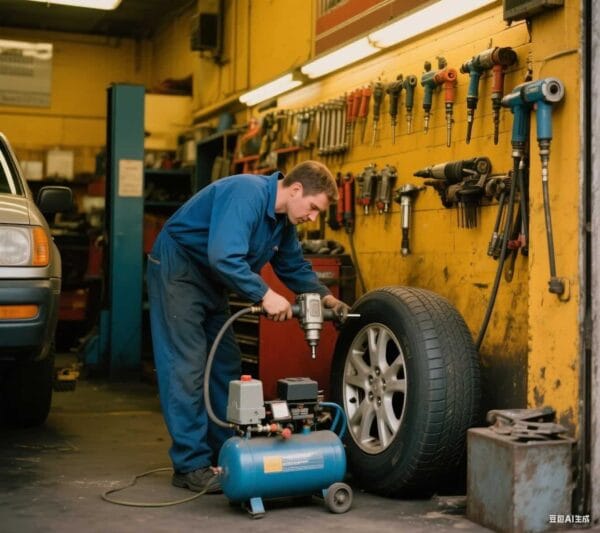
Selecting the Appropriate Compressor Configuration
Effective maintenance keeps a machine running at its design capacity, but that capacity must be correctly matched to the application from the start. Selecting the correct compressor involves matching the volumetric flow rate, measured in cubic feet per minute (CFM), and the pressure, measured in pounds per square inch (PSI), to the cumulative demand of all connected pneumatic devices.
When sizing a system, engineers must calculate the maximum air consumption by listing all pneumatic tools, their operating pressures, and their duty cycles. A multiplier is applied to account for system leakage and future expansion. It is also important to consider whether a stationary or portable configuration is required.
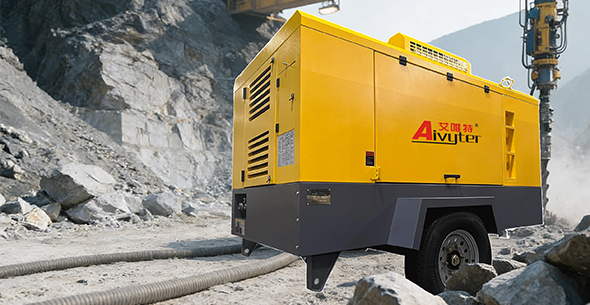
Stationary compressors are ideal for fixed installations, such as processing plants and workshop maintenance bays. These units are typically powered by electric motors and mounted on heavy concrete foundations to minimize vibration transfer. Portable compressors, powered by diesel engines and mounted on heavy-duty wheeled trailers, are preferred for road construction, remote quarrying, and mobile drilling setups. By offering both stationary and portable variations of compressors industrial models, Aivyter provides flexible configurations designed to meet these diverse field requirements.
Heavy-Duty Applications of Industrial Air Systems
These diverse configurations support a wide range of specific industrial applications across multiple sectors. The versatility of compressed air allows it to perform tasks that would be difficult or impractical with other power sources.
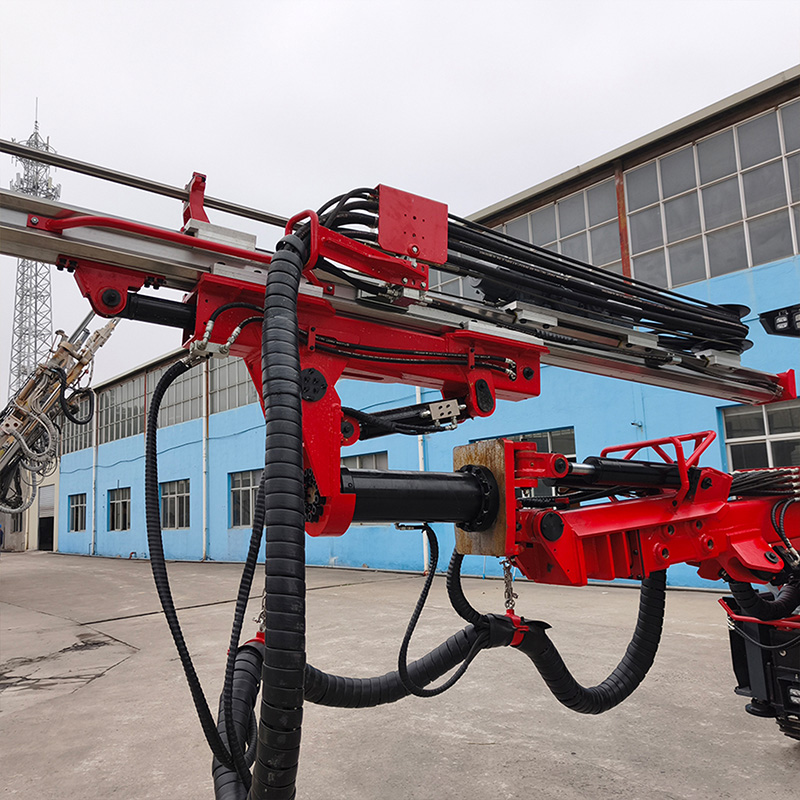
- Underground Drilling and Tunneling: Pneumatic rock drills, roof bolters, and raise boring machines rely on continuous high-pressure air to penetrate hard rock formations. The air also helps flush rock cuttings out of the drill holes.
- Abrasive Blasting: Surface preparation of steel bridges, storage tanks, and ship hulls requires high CFM capacities to accelerate abrasive media through blasting nozzles.
- Pneumatic Conveying: In cement plants and mining operations, compressed air is used to transport dry bulk materials, such as ash, pulverized minerals, and cement powder, through closed pipe networks.
- Pneumatic Control Systems: Automated process valves, cylinders, and actuators in chemical plants rely on dry, oil-free compressed air to regulate material flows and operate safety systems.
B2B Procurement and Engineering Consultations
Selecting the ideal air system for your industrial, engineering, or mining operation requires analyzing flow rates, pressure requirements, environmental conditions, and air purity standards. Making an informed decision ensures your project maintains continuous operations and high productivity. To obtain a tailored configuration that matches your specific mechanical demands, submitting a detailed project inquiry is the most effective path forward. Engineering consultations help align machine capacity with physical site constraints to ensure continuous uptime. Our team is prepared to analyze your physical parameters and issue a formal quote based on your requirements.
Frequently Asked Questions
Q1: What is the primary difference between a rotary screw compressor and a reciprocating piston compressor in heavy industry?
A1: Rotary screw compressors are designed for continuous, 100% duty cycle applications, utilizing twin rotating screws to deliver a constant flow of compressed air. Reciprocating piston compressors operate on an intermittent duty cycle, using pistons to compress air, and are typically used for applications requiring high operating pressures with lower CFM requirements.
Q2: How does high altitude affect the output of industrial air compressors?
A2: High altitude has lower atmospheric pressure and thinner air. Because the intake air is less dense, a displacement compressor will deliver a lower mass flow rate of compressed air. Additionally, the reduced air density lowers the cooling efficiency of the motor, requiring the system to be properly de-rated to avoid overheating.
Q3: Why is air drying necessary in civil engineering and mining operations?
A3: Ambient air contains moisture which condenses into liquid water during compression. If this water is not removed via separators, refrigerated dryers, or desiccant dryers, it can cause corrosion in pneumatic tools, freeze air lines in cold weather, and wash away lubricants inside pneumatic cylinders, leading to equipment wear.
Q4: What maintenance tasks should be performed to maintain the efficiency of a rotary screw compressor?
A4: Key preventive maintenance tasks include conducting regular oil analysis, replacing air intake filters, oil filters, and air-oil separators at recommended intervals, inspecting the system for compressed air leaks, and monitoring operating temperatures and pressures to identify potential issues before they cause downtime.
Q5: How can an operator determine the correct CFM and PSI requirements for an industrial site?
A5: An operator must list all pneumatic tools and equipment that will run simultaneously, noting the individual CFM and PSI requirements for each. By summing these values and adjusting for the duty cycle of each tool, along with a margin for potential piping leaks and future additions, the total system capacity can be determined.
about
Aivyter
We provides trusted air compressors and mining equipment, engineered for durability, efficiency, and demanding industrial applications.