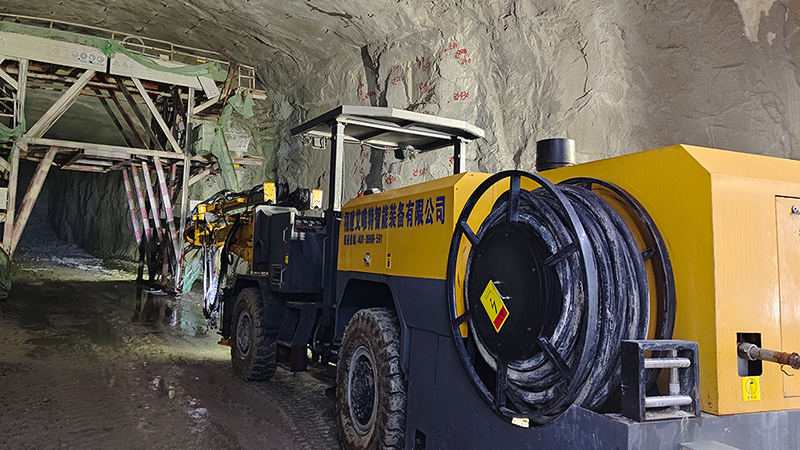
Industrial applications in mining, tunneling, and heavy construction place extreme demands on pneumatic equipment. Standard, off-the-shelf air compressors often fall short under heavy dust, constant vibration, and strict physical constraints.
When engineering specialized rock drilling rigs, shotcrete machines, or mobile industrial systems, standard catalog units rarely cut it. Machinery builders need dedicated air systems built to match precise operational profiles.
Finding a dependable production partner requires thorough evaluation. You need an engineering team that understands custom airflow requirements, maintains reliable output, and enforces stringent testing. Evaluating prospective suppliers against clear standards ensures your end product stays competitive in demanding global markets.
1. R&D and Customization Capabilities
Heavy equipment original equipment manufacturers (OEMs) demand tailored air solutions. Standard compressors usually do not fit unique vehicle frames, specific engine drives, or custom operational requirements.
Evaluating an engineering team’s design flexibility determines how smoothly a compressor integrates into your machinery layout. Custom engineering prevents costly frame redesigns and field modifications later in project lifecycles.
- Airflow & Pressure Matching: Custom sizing for CFM (cubic feet per minute) and PSI to match your hydraulic or pneumatic actuators.
- Physical Footprint & Weight Distribution: Custom frame geometry designed to fit cramped engine bays or specialized mobile chassis.
- Environmental Adaptation: Engineered setups for high-altitude work, sub-zero conditions, or underground dust exposure.
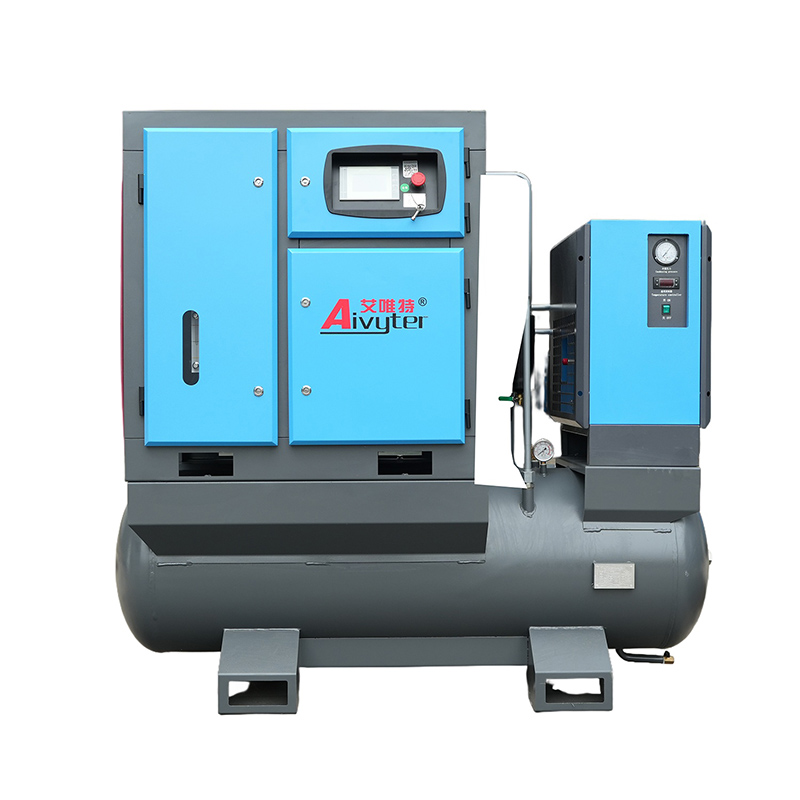
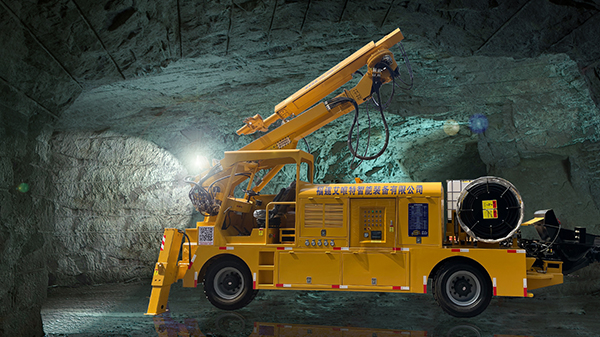
An experienced partner designs custom screw air compressor systems around your exact technical blueprint. Operating since 2009, Aivyter brings deep technical knowledge in custom engineering for mining platforms, drill rigs, and concrete spraying machinery. Investing in advanced air compressor manufacturing ensures your air systems perform reliably alongside your main machinery.
2. Manufacturing Scale & Production Capacity
Engineering capabilities mean little if your vendor cannot meet delivery deadlines. Supply chain delays in air compressor deliveries can halt your entire assembly line, causing downstream penalties.
Touring production facilities or auditing plant operations helps confirm real capacity. Check whether the manufacturer relies on manual assembly or automated production techniques that maintain tight tolerances across large order volumes.
- Factory Footprint: Sufficient floor space dedicated to parallel assembly lines and raw material inventory.
- Modern Tooling: Automated machining centers, precise rotor alignment rigs, and automated welding units.
- Scalable Production: Flexibility to ramp up output when customer demand surges without compromising build quality.
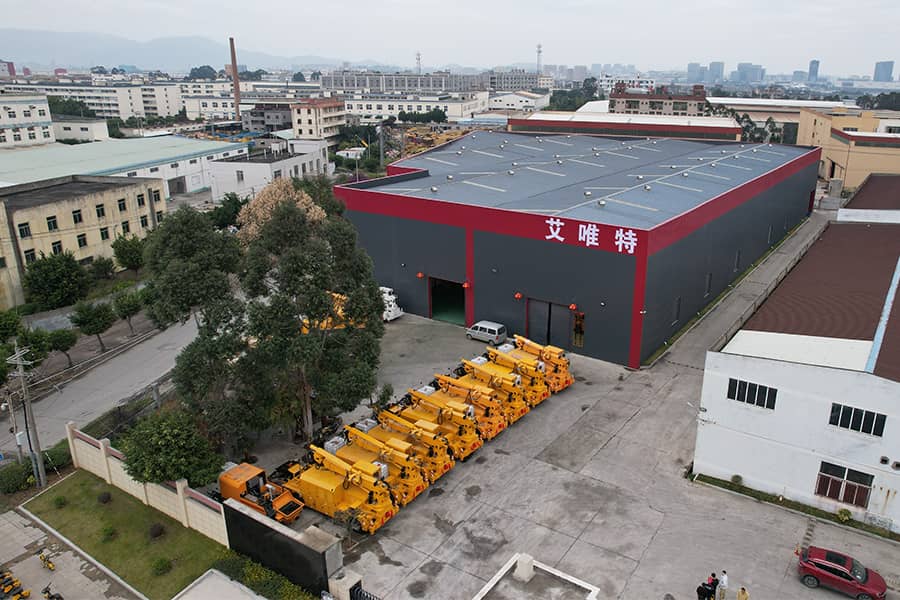
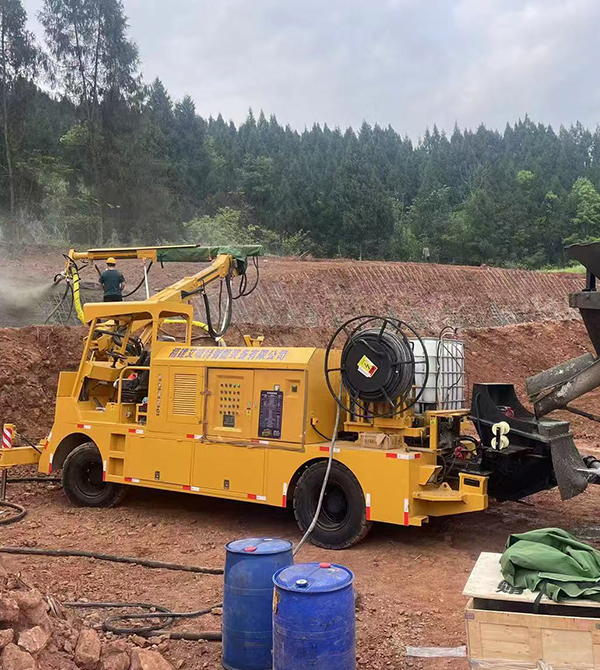
Modern production facilities underpin predictable assembly schedules. Operating out of Fuzhou, China, Aivyter operates a modern manufacturing base spanning over 10,000 square meters. This production capacity delivers fast turnaround times for custom prototypes and steady volume for full-scale OEM orders. Reliable air compressor manufacturing keeps your build schedules predictable.
3. Core Components & Supply Chain Integrity
An industrial compressor’s operational lifespan depends entirely on the quality of its internal components. The screw air end, electric or hydraulic motor, and air-oil separation system determine overall energy efficiency and maintenance intervals.
Examine where your supplier sources raw materials and key internal parts. Tier-one components lower internal friction, resist thermal breakdown, and reduce fuel or electricity consumption for end users.
- Screw Air End (Rotor Assembly): High-precision rotor profiles maximize free air delivery while keeping energy draw low.
- Drive Systems: Direct-drive couplings offer higher power transmission efficiency compared to traditional belt drives.
- Filtration Systems: Multi-stage air and oil separation elements keep discharge air clean and protect internal bearings.
A dependable OEM vendor maintains resilient supply lines for raw steel, casting components, and electrical controls. Consistent sourcing minimizes premature component failure and protects your brand from operational defects in the field.
4. OEM/ODM Flexibility & Private Labeling
A true OEM partner operates as an extension of your manufacturing plant. Seamless visual branding and integrated controls strengthen your market positioning while simplifying installation.
Collaborating on private label solutions gives your equipment a cohesive, professional appearance. It also allows software integration so operators manage both the main machine and the air system from a single panel.
- Private Labeling & Aesthetics: Custom paint color matching, branded decals, and custom enclosure designs.
- PLC & Interface Customization: Integrated CANbus or Modbus communication protocols that connect with your central control unit.
- Modular Interfaces: Custom mounting brackets, flexible port placements, and custom wiring looms for fast plug-and-play installation.
Flexible air compressor manufacturing allows you to offer turn-key, branded solutions without building dedicated internal compressor lines. This approach reduces capital expenditure while accelerating product deployment schedules.
5. Quality Assurance & Global Certifications
Selling heavy machinery internationally requires adherence to strict regional regulations. Partnering with a non-compliant manufacturer risks customs delays, severe safety fines, or product recalls.
Request documentation covering quality management systems and pressure vessel standard approvals. A structured quality program tracks every component from raw intake to final factory acceptance tests.
- ISO Management: ISO9001 certification confirms structured quality control across all assembly processes.
- International Safety Approvals: CE mark compliance and relevant pressure vessel certifications for target global regions.
- In-Process Quality Control (IPQC): Multi-point station inspections during assembly combined with complete pre-shipment testing.
Strict quality assurance safeguards equipment reliability and protects your firm from legal and operational liabilities in foreign markets.
6. Durability Testing for Harsh Environments
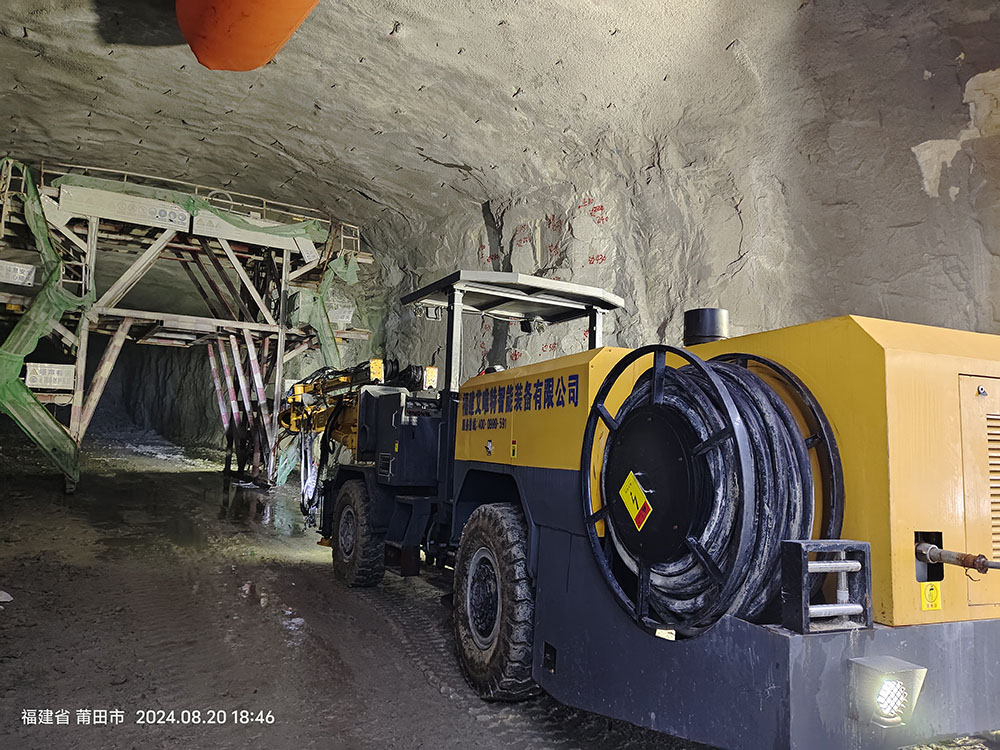
Shotcrete spraying platforms, underground drill rigs, and mobile crushing plants work in demanding conditions. Air compressors built for these machines encounter intense vibration, thick dust, and wide ambient temperature swings.
Inquire about the factory’s structural and environmental test procedures. Compressors must undergo continuous load runs and stress testing to prove their structural integrity before field deployment.
- Vibration Resistance: Heavy-duty shock mounts and reinforced piping prevent fatigue cracking under continuous vibration.
- Thermal Balance Testing: Oversized oil coolers and high-static pressure fans maintain steady operating temperatures in extreme hot or cold climates.
- Dust and Particle Defense: Heavy-duty, multi-stage intake filters protect screw rotors from abrasive dust in underground job sites.
Selecting a heavy-duty air compressor factory that prioritizes severe-duty engineering ensures your equipment runs continuously without unplanned downtime.
7. Post-Sales Support & Total Cost of Ownership (TCO)
The upfront purchase price forms only a small portion of an air compressor’s total lifetime cost. Energy consumption, routine filter replacements, and spare parts availability drive long-term expense.
Assess the manufacturer’s technical support structure, spare parts inventory, and warranty policies. Fast access to replacement wear parts keeps your clients’ machinery running reliably in the field.
- Spare Parts Logistics: Fast dispatch of service kits, air filters, oil separators, and replacement air ends.
- Technical Field Support: Comprehensive wiring diagrams, service manuals, and direct technical consultation.
- Energy Efficiency Ratios: High-efficiency rotor profiles lower operational power costs throughout the compressor’s service life.
Working with an experienced partner keeps total cost of ownership low. Efficient air compressor manufacturing processes produce durable, low-maintenance units that build client loyalty over years of field operation.
Conclusion & Partnering with Aivyter
Selecting the right compressor supplier directly affects your machinery’s field performance, warranty expenses, and market reputation. Evaluating engineering skill, plant capacity, structural testing, and post-sales support helps secure a profitable long-term relationship.
Are you looking for a dependable manufacturing partner for custom compressed air systems? Backed by a 10,000+ m² production facility and over 15 years of technical expertise, Aivyter engineers customized screw air compressor systems for global equipment manufacturers.
Contact our engineering team today to submit your technical requirements and request a custom air compressor manufacturing quote for your next OEM build!
Frequently Asked Questions
Q1: What customized features can an OEM air compressor manufacturer provide for specialized machinery?
A1: An experienced OEM partner can customize working pressure (PSI), airflow rate (CFM), physical dimensions, mounting frame layouts, custom PLC control interfaces, and protective enclosures designed for severe dust or high-altitude environments.
Q2: How does custom air compressor engineering benefit heavy equipment manufacturers?
A2: Custom engineering integrates the compressor directly into your vehicle chassis or equipment frame. This saves installation space, improves shock resistance, optimizes energy usage, and unifies electronic control systems.
Q3: Why is factory scale important when choosing an industrial compressor supplier?
A3: Adequate factory scale and automated assembly lines ensure stable delivery lead times, consistent machining accuracy, and the ability to expand production output rapidly during peak order periods.
Q4: What certifications should I look for in a heavy-duty air compressor factory?
A4: Look for ISO9001 quality management system certification, CE compliance for general equipment safety, and relevant regional pressure vessel certifications required in your target export markets.
Q5: How does Aivyter ensure quality in custom screw air compressor production?
A5: Through advanced air compressor manufacturing standards, rigorous in-process quality checks, environmental heat-balance testing, and 100% full-load factory acceptance testing prior to shipment.
about
Aivyter
We provides trusted air compressors and mining equipment, engineered for durability, efficiency, and demanding industrial applications.