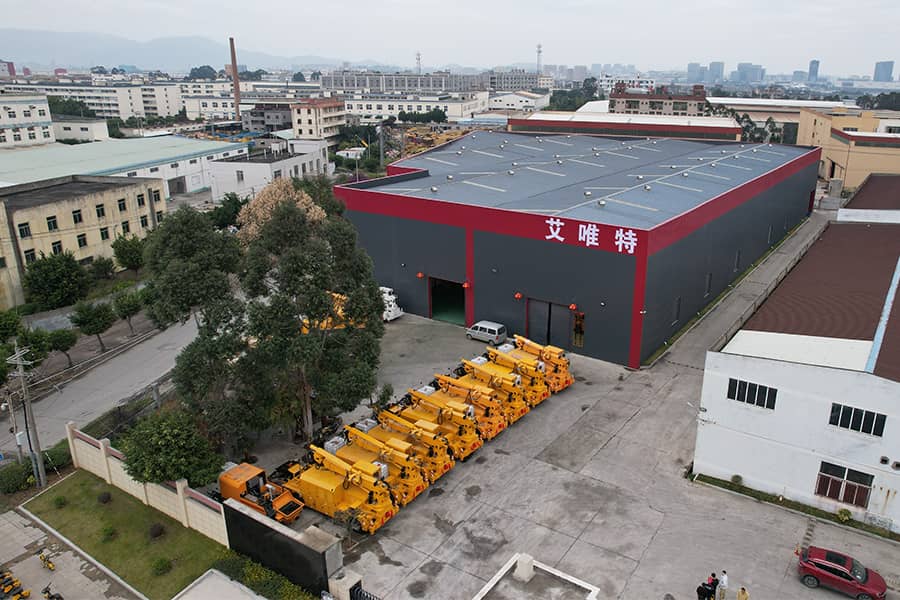
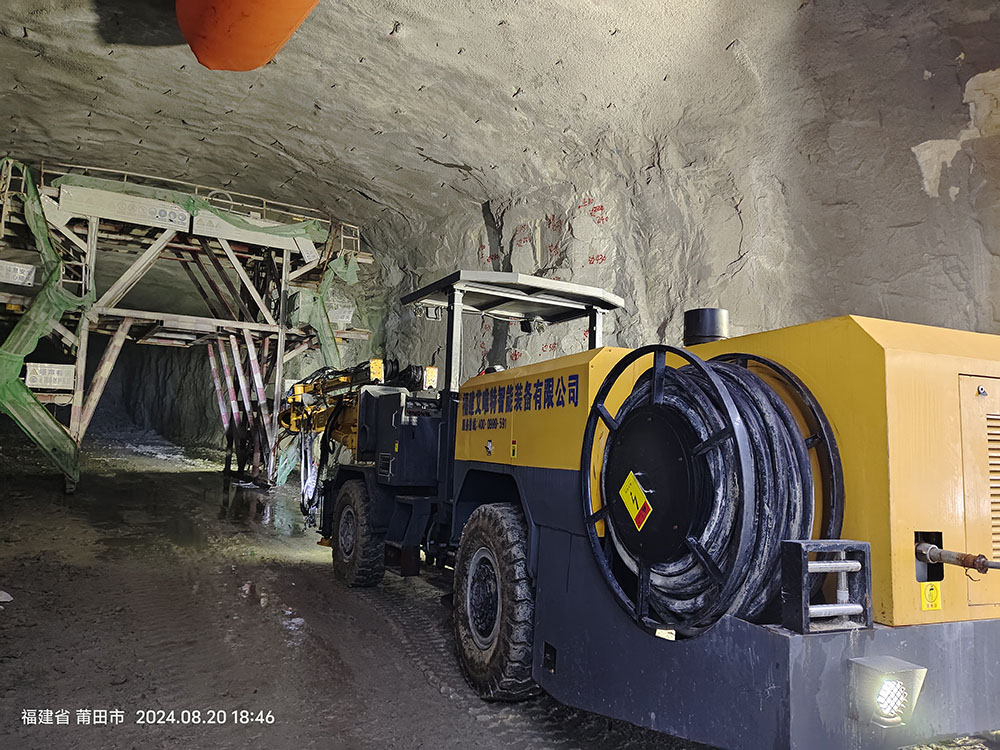
The global demand for minerals and the expansion of subterranean infrastructure have placed unprecedented pressure on the mining and construction sectors. To meet these challenges, the reliance on high-performance machinery is absolute. At the heart of this supply chain is the underground drill rig factory, a facility where metallurgical science, hydraulic engineering, and digital automation converge to produce the workhorses of the deep-earth environment. These factories do not merely assemble parts; they engineer solutions that must withstand extreme pressures, corrosive atmospheres, and the unforgiving reality of hard-rock excavation.
Choosing a manufacturing partner is a strategic decision that affects the operational lifecycle of a mine or a tunneling project. A reputable Aivyter equipment provider understands that downtime in a remote site is not just an inconvenience—it is a significant financial drain. Therefore, the production standards within a world-class underground drill rig factory are governed by rigorous quality control protocols and a deep understanding of geotechnical challenges.
The Anatomy of Modern Underground Drilling Technology
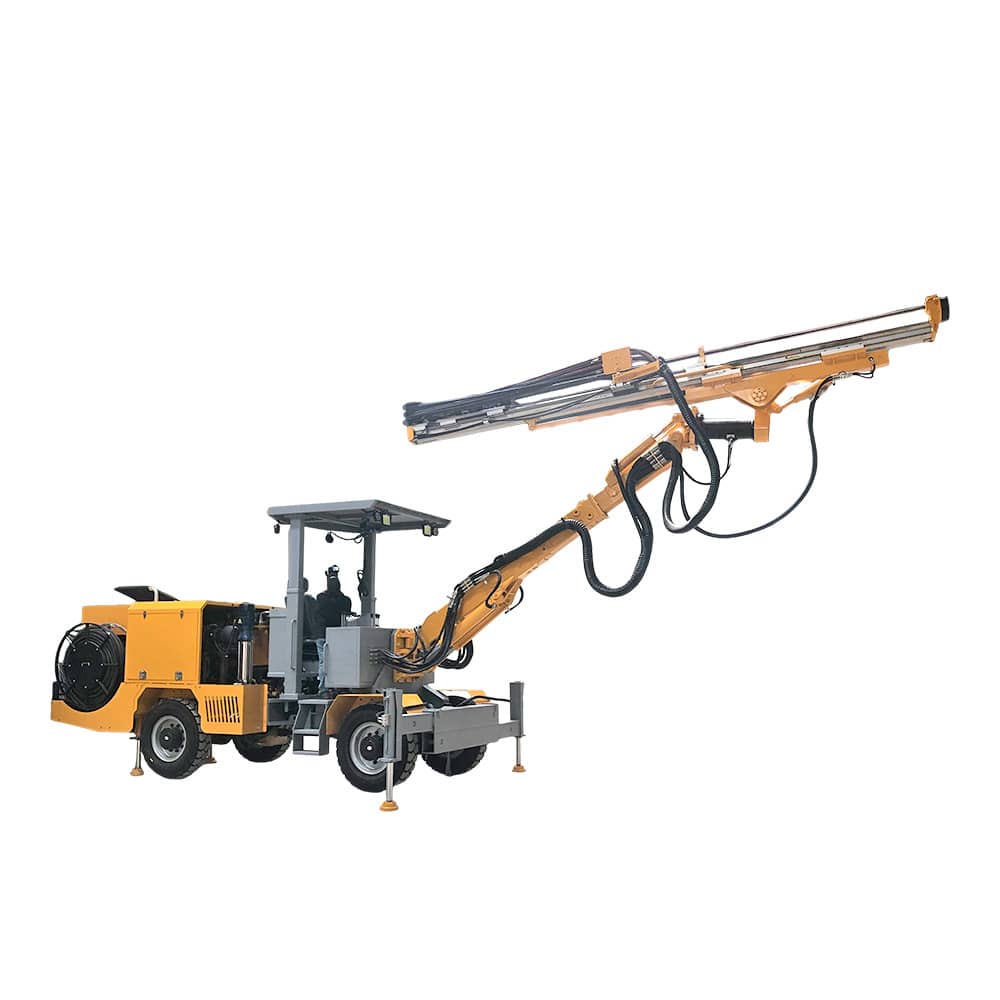
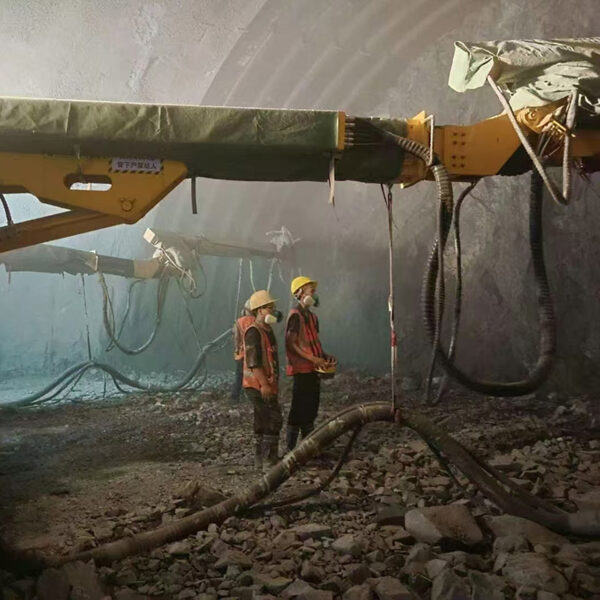
Modern drilling rigs are complex systems designed for specific tasks: face drilling (jumbos), production drilling (long-hole), and rock bolting for ground support. The engineering depth required to manufacture these machines is immense. When examining the output of a top-tier underground drill rig factory, several critical components define the machine’s efficacy.
1. Hydraulic Percussive Systems
The drifter, or rock drill, is the most vital component. It converts hydraulic energy into high-frequency impact energy. Factories must utilize high-grade alloy steels and precision heat-treatment processes to ensure the internal pistons and rotation motors can handle thousands of blows per minute without fatigue failure. The synchronization between percussion, rotation, and feed force is what determines the penetration rate and the longevity of the drill bit.
2. Chassis and Tramming Mechanisms
In the narrow confines of a mine, maneuverability is paramount. A sophisticated underground drill rig factory focuses on articulated chassis designs that offer tight turning radii. Whether using wheels or crawlers, the drivetrain must provide sufficient torque to navigate steep declines (often up to 15 degrees) while maintaining stability. Heavy-duty axles and wet-disc braking systems are non-negotiable for safety in subterranean slopes.
3. Boom Geometry and Coverage
For tunneling jumbos, the boom’s reach and the parallelism of the feed are essential for accurate blasting patterns. Advanced factories use CAD (Computer-Aided Design) and FEA (Finite Element Analysis) to ensure that booms can support heavy drifters at full extension without excessive vibration or deflection. This precision ensures that the “overbreak” is minimized, saving costs on shotcrete and hauling.
Addressing Industry Pain Points: The Factory’s Solution
Mining operators face three primary hurdles: operational safety, rising energy costs, and the shortage of skilled operators. A forward-thinking underground drill rig factory addresses these through specific technological integrations.
- Transition to Electrification: To combat Diesel Particulate Matter (DPM) and reduce ventilation costs, many factories are shifting toward Battery Electric Vehicles (BEVs). By removing the internal combustion engine, mines can significantly reduce their carbon footprint and heat generation at depth.
- Automation and Tele-Remote Operation: By integrating CAN-bus control systems and high-bandwidth sensors, modern rigs can be operated from the surface. This removes the worker from the “red zone” of unsupported ground, directly addressing the industry’s safety mandates.
- Modular Maintenance Design: Professional manufacturers, such as Aivyter, design their rigs with modularity in mind. Grouping service points and ensuring easy access to hydraulic filters and electrical panels reduces Mean Time to Repair (MTTR), which is critical for maintaining production schedules.
The Manufacturing Process: From Raw Steel to Commissioned Rig
The journey within a professional underground drill rig factory is one of meticulous stages. It begins with the selection of raw materials. High-strength structural steel is laser-cut and welded by certified technicians or robotic arms to ensure structural integrity. Following the fabrication of the frame, the hydraulic plumbing is installed.
Hydraulic integrity is perhaps the most difficult aspect to master. Any contamination in the hydraulic lines can lead to premature pump failure. Consequently, clean-room conditions for manifold assembly and rigorous pressure testing are standard practice. Once the mechanical and hydraulic systems are married, the electrical integration begins. This involves the installation of the onboard computer, sensors for angle and depth measurement, and the operator interface.
Before any machine leaves the underground drill rig factory, it undergoes a series of “hot tests.” These simulate actual drilling conditions, checking the percussive power, the cooling system’s efficiency, and the emergency stop circuits. This stage ensures that the equipment arrives at the customer site ready for immediate deployment in harsh environments.
Global Standards and E-E-A-T Compliance in Mining Equipment
In the international market, a manufacturer’s reputation is built on Experience, Expertise, Authoritativeness, and Trustworthiness (E-E-A-T). For a facility like Aivyter, this means adhering to ISO 9001 standards and ensuring that all ROPS (Roll-Over Protective Structure) and FOPS (Falling Object Protective Structure) certifications are current and verified by third-party auditors.
Expertise is further demonstrated through the provision of comprehensive technical documentation and localized after-sales support. A factory that provides on-site training for mine personnel and maintains a robust inventory of wear parts (such as shank adapters, couplings, and hydraulic seals) proves its commitment to the client’s long-term success. This level of authority in the field is what separates a mere supplier from a true strategic partner.
Application Scenarios: Versatility of Underground Rigs
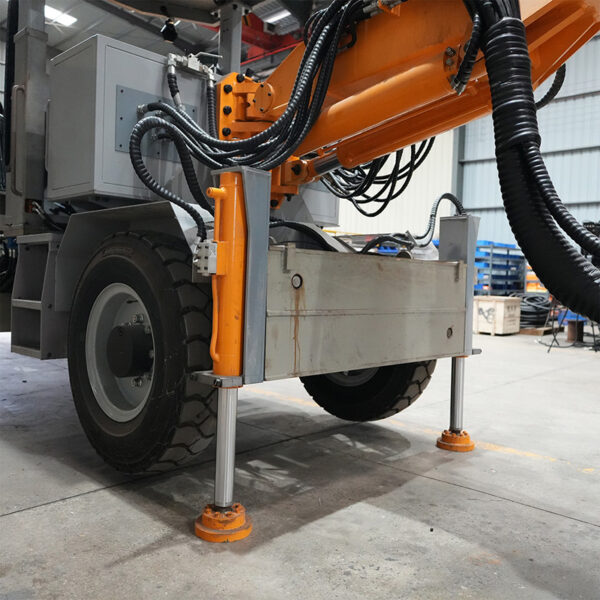
The output from a specialized underground drill rig factory finds its way into diverse sectors:
- Hard Rock Mining: Extraction of gold, copper, and nickel requires rigs that can handle high compressive strength rock. The focus here is on percussive force and bit longevity.
- Civil Tunneling: Metro projects and sewage tunnels require precision to avoid disturbing existing urban infrastructure. Here, the focus is on low-profile rigs with high-accuracy guidance systems.
- Hydropower Projects: Large-scale cavern excavation for turbines requires versatile jumbos that can perform both horizontal face drilling and vertical shaft work.
The Future of Subterranean Drilling
The evolution of the mining industry is inextricably linked to the innovations emerging from the underground drill rig factory. As mines go deeper and ore grades become more complex to access, the demand for smarter, cleaner, and more durable machinery will only intensify. By prioritizing high-quality components, embracing digital integration, and maintaining a focus on operator safety, manufacturers like Aivyter are setting the pace for the next generation of industrial achievement. Investing in superior drilling technology is not merely a capital expenditure; it is an investment in the safety, efficiency, and sustainability of the world’s most critical resource extraction operations.
Frequently Asked Questions
Q1: What are the primary factors to consider when selecting an underground drill rig factory?
A1: Prospective buyers should evaluate the factory’s R&D capabilities, their adherence to international safety certifications (ROPS/FOPS), the availability of after-sales technical support, and the modularity of their machine designs. A proven track record in similar geological conditions is also essential.
Q2: How does a factory ensure the durability of its drilling booms?
A2: Durability is ensured through the use of high-tensile steel, robotic welding for consistency, and rigorous Finite Element Analysis (FEA) during the design phase to identify and reinforce stress points. Most factories also conduct extensive vibration testing.
Q3: Can these factories customize rigs for specific mine dimensions?
A3: Yes, most professional manufacturers offer customization services. This includes adjusting the chassis width for narrow-vein mining, modifying the boom reach for specific tunnel profiles, or integrating specialized fire-suppression systems based on local regulations.
Q4: What is the typical lead time for a rig from an underground drill rig factory?
A4: Depending on the complexity and customization required, lead times generally range from 3 to 6 months. This includes the phases of engineering, assembly, rigorous testing, and sea-freight logistics to the destination country.
Q5: How are modern factories addressing environmental concerns?
A5: Leading factories are increasingly focusing on the development of electric and hybrid drivetrains to eliminate underground emissions. Additionally, they implement biodegradable hydraulic oil options and more efficient water-mist systems for dust suppression during the drilling process.
Q6: Why is the hydraulic drifter considered the most complex part of the rig to manufacture?
A6: The drifter must manage immense kinetic energy and high-pressure fluid dynamics simultaneously. Achieving the perfect balance between the percussion frequency and the rotation torque requires extreme metallurgical precision and very tight tolerances in the internal valving systems.
about
Aivyter
We provides trusted air compressors and mining equipment, engineered for durability, efficiency, and demanding industrial applications.