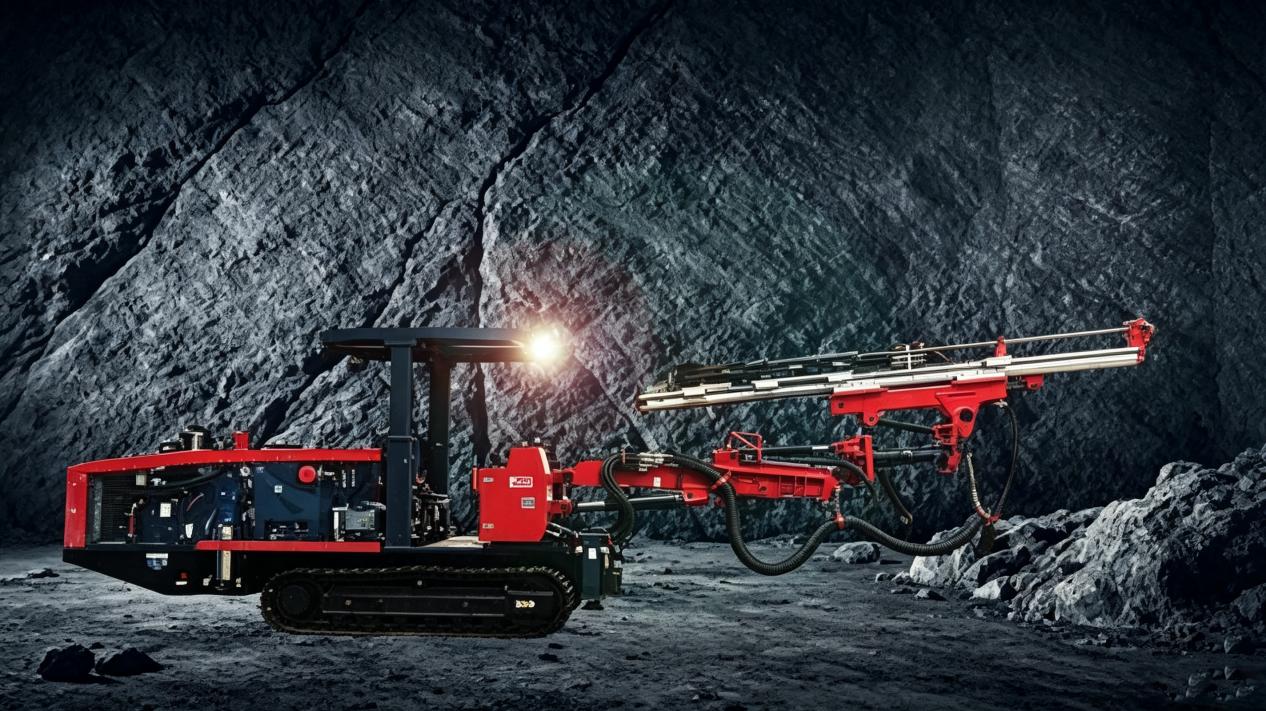
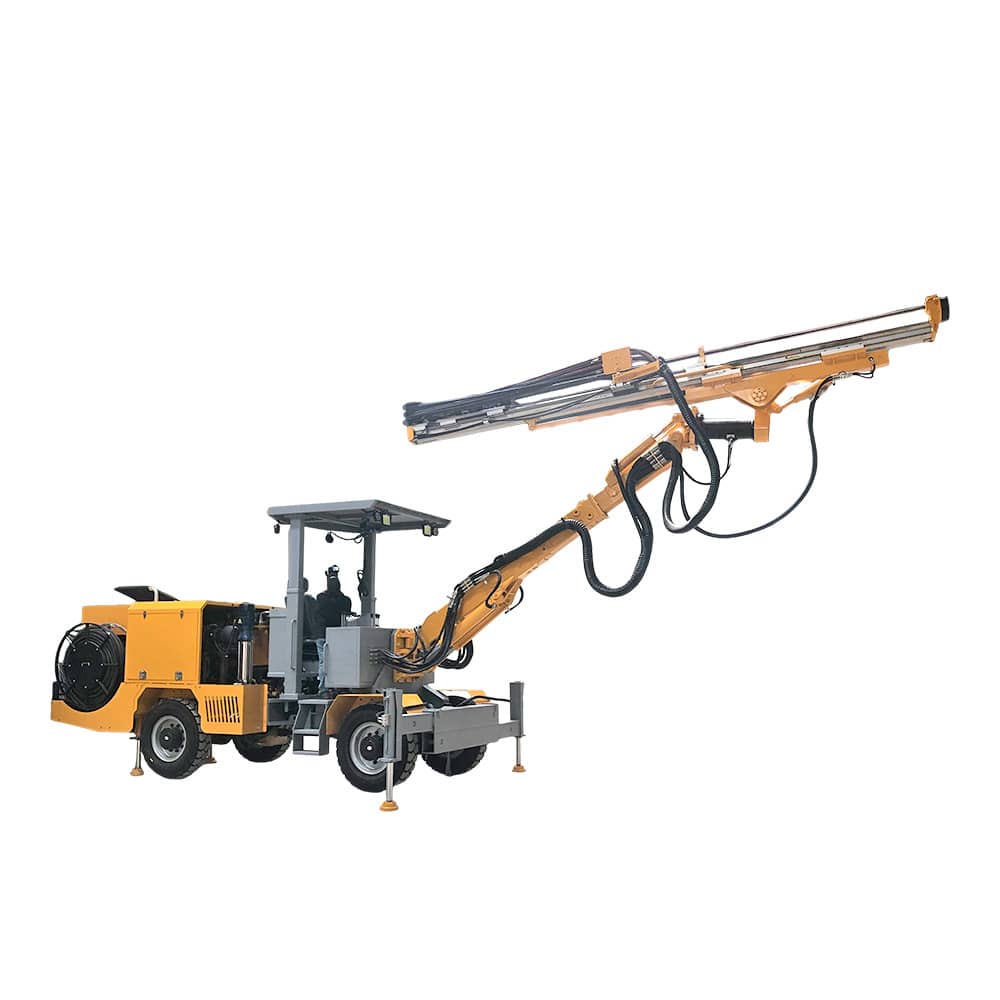
For any mining or tunneling operation, the selection and operation of underground drill rigs represent a cornerstone of productivity and safety. These machines are not merely tools; they are sophisticated systems that must interact with one of the most unpredictable variables in engineering: the geological formation. A rig that performs flawlessly in competent granite may struggle, overheat, or suffer accelerated wear in highly fractured or abrasive strata. This technical deep-dive examines the engineering principles, hydraulic intelligence, and operational strategies that enable modern equipment to maintain high advance rates across diverse underground environments. The discussion focuses on practical solutions for fleet managers, project engineers, and maintenance leads who demand performance predictability.
Understanding the Core Mechanics of Rock Fragmentation
Before addressing adaptability, it is necessary to examine how underground drill rigs actually create a hole. The two primary methods—percussive and rotary—each have distinct energy transfer characteristics. Percussive drilling, common in hard rock, uses a piston to deliver high-frequency impacts to the drill bit through a drill string. The impact energy, measured in foot-pounds or joules, fractures the rock, while the rotation indexes the bit to a fresh cutting surface. Rotary drilling, conversely, relies on continuous torque and down-force to shear or crush the material, making it suitable for softer formations or when using tricone bits.
The efficiency of this energy transfer is not constant. It varies with feed force, rotation speed, flushing air or water pressure, and the physical properties of the rock. A rigid, single-setting approach leads to bit wear, deviation, and poor fragmentation. Therefore, the intelligence of a rig lies in its ability to modulate these parameters in real-time, a function governed by the hydraulic control system. Advanced proportional valves and pressure-compensated pumps allow the operator—or an automated control loop—to adjust feed pressure and rotation torque independently, responding to the audible and vibrational feedback from the drilling process.
Boom Configuration and Geometrical Constraints
The mechanical structure itself dictates the range of possible hole patterns. A rig’s boom assembly, whether articulated or telescopic, determines coverage area and the ability to drill parallel holes in a face. In drifting applications, the boom must allow for precise fan drilling, where holes radiate from a central point to create a blast pattern. The stiffness of the boom and the carrier’s stability directly influence hole straightness. When the rock is heavily veined or contains geological discontinuities, the feed beam must be firmly anchored against the face to prevent movement, often using a centralizer or guide system that aligns the drill steel accurately. This mechanical rigidity is as critical as the power unit itself.
Adaptive Hydraulics and Automation Logic
Modern underground drill rigs move beyond simple manual controls. The integration of electronic control modules (ECMs) with pressure sensors and flow meters creates a closed-loop system. Here, the rig’s computer compares the actual rotation speed and feed rate against preset optimal curves for the selected rock type. Should the torque spike—indicating a harder section or a potentially stuck bit—the system automatically reduces feed pressure to prevent stall, then gradually increases it as the bit progresses. This adaptive drilling, often termed “automatic drilling mode,” standardizes the process across different operators, reducing the skill gap and ensuring consistent penetration rates.
This level of control also extends to flushing. Effective removal of cuttings is paramount to prevent re-grinding, which dulls the bit and reduces speed. The system can increase air or water flow when it detects a pressure drop in the flushing medium, clearing the hole more aggressively. For wet conditions, water injection systems with variable flow rates prevent dust while not over-saturating the muck pile, which could complicate loading and hauling operations. The hydraulic oil temperature and viscosity are also monitored; the system may employ a thermostatic valve to regulate cooling, ensuring that the hydraulic response remains crisp even during extended operation in high-ambient-temperature stopes.
Drill Steel Selection and Wear Management
Adaptability is not solely electronic. The choice of drill steel—rod, coupling, and bit—constitutes a critical mechanical variable. Threaded rods in standard sizes (e.g., R32, R38, T45) each have specific energy transmission characteristics. In abrasive ground, operators often switch to rods with a larger flushing hole or a different thread profile to improve dust removal and reduce galling. The bit itself, with its button geometry and carbide grade, must be matched to the rock’s compressive strength. A spherical button may be preferable for hard, brittle rock, while a parabolic button design offers better penetration in softer, more ductile formations. Monitoring the rate of bit wear through rod movement sensors provides data for predictive replacement, avoiding unplanned downtime that occurs when a bit fails mid-blast.
Operational Strategies for Variable Face Conditions
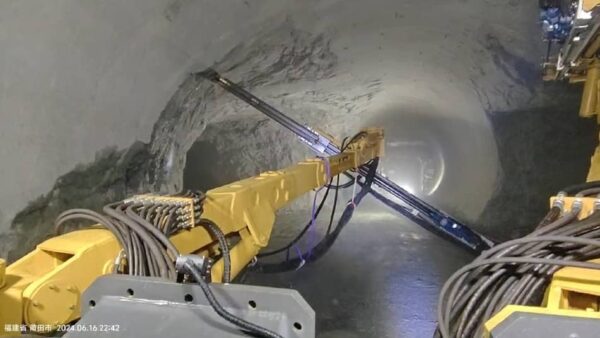
The planning of the drilling pattern itself is a primary adaptation strategy. When geological mapping indicates a change in rock competency, the blasting engineer adjusts the burden and spacing of the holes. For instance, in weaker rock, the pattern may be tightened to reduce the explosive energy required per cubic yard, limiting overbreak and maintaining the desired profile. This demands that the rig can accurately position holes within a millimeter tolerance, a function of its laser-based guidance or GPS positioning systems. The increased prevalence of digital layout tools means that the drill plan is loaded directly into the rig’s computer, guiding the operator on the exact angle and depth for each hole.
Another adaptive strategy involves sequencing the drilling itself. In highly stressed ground prone to squeezing, rapid advance is necessary to install ground support quickly. The rig may be used in a “drill-and-bolt” cycle where bolting holes are drilled and secured before the next blast, stabilizing the face. This requires the rig to have compatible feeds and rotation units for installing mechanical or resin bolts, effectively transforming the machine into a multi-purpose platform. This functional flexibility reduces the need to bring in specialized bolters, saving cycle time and improving overall project safety.
Maintenance and Serviceability Considerations
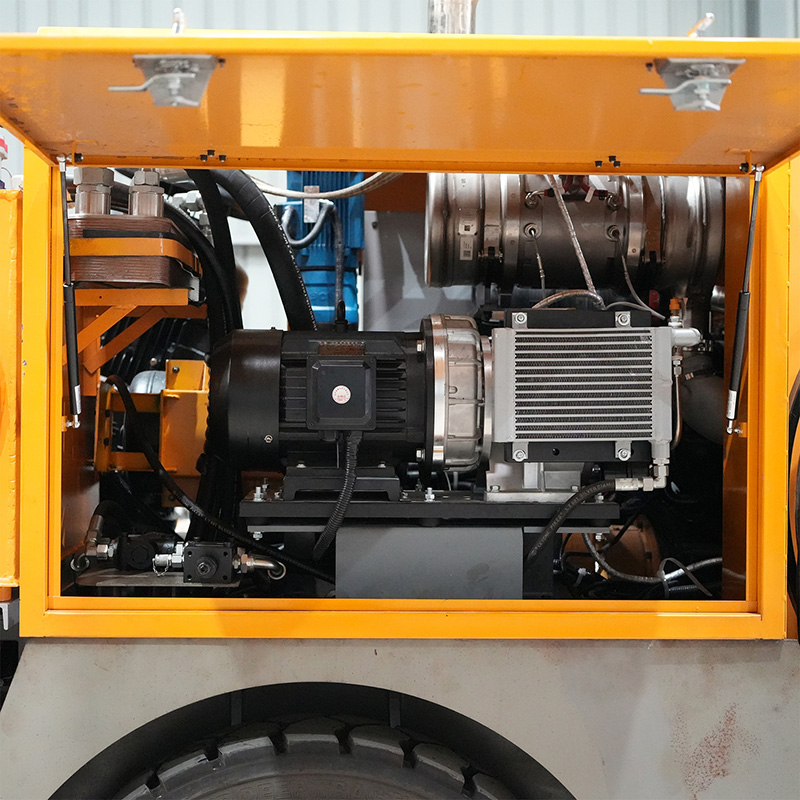
Given the harsh operating environment, the mechanical availability of the rig is directly tied to its design for serviceability. The layout of hydraulic hoses, the accessibility of the rock drill, and the ease of changing filters define the mean time to repair (MTTR). Operators in remote locations value rigs that offer centralized greasing points and modular components, enabling quick swaps rather than on-site rebuilds. The Aivyter range, for instance, emphasizes a clean, accessible platform that allows maintenance personnel to reach critical components without disassembling half the rig. This focus on serviceability supports the high utilization demanded in production-oriented operations.
Condition monitoring systems are another facet of adaptability. By tracking the vibration spectrum of the rock drill, the system can identify bearing wear or a loss of preload. Similarly, pressure ripple in the feed circuit indicates potential seal degradation. These diagnostics, often displayed on the operator’s panel, allow for planned interventions that coincide with scheduled maintenance windows, preventing catastrophic failures. The data collected from a fleet of rigs can be analyzed to identify trends, such as a particular consumable exhibiting shorter life in a specific stope, enabling a targeted change in drilling parameters or consumable type.
Automation and Remote Operation
The final frontier in adaptability is the transition to autonomous or semi-autonomous operation. Tele-remote control allows the operator to position the rig from a safe location, using cameras and sensors to perceive the face. This is particularly valuable in areas with poor ground conditions where exposure risk is high. Automation of the drilling sequence frees the operator to focus on pattern layout and problem management, rather than constantly manipulating levers. As the industry moves towards “hands-free” mining, the rig’s ability to execute a drill plan with minimal intervention reduces the variability introduced by human fatigue or error, leading to more consistent cycle times and better compliance with the blasting design.
Data exchange between the rig and the surface office enables real-time performance tracking. Key performance indicators (KPIs) such as meters drilled per hour, bit life, and fuel consumption per meter are monitored. This data not only validates the adaptation strategies employed but also informs future procurement and training. Effective management of this data stream is where manufacturers like Aivyter differentiate themselves, offering not just a machine but a system for continuous improvement based on operational feedback. The ability to remotely update software parameters also means that a rig’s performance can be fine-tuned without a service visit, reducing latency in deploying optimizations.
Common Questions About Underground Drilling Operations
Q1: How does the rock drill’s rotation speed interact with feed pressure in varying rock types?
A1: The rotation speed and feed pressure have an interdependent relationship. In hard, brittle rock, a higher feed pressure requires a moderate rotation speed to ensure the bit indexes to a new fracture plane before the next impact. If rotation is too fast, the bit skips over the rock, causing poor penetration and excessive heat. In softer rock, higher rotation speeds can clear cuttings more efficiently, but feed pressure must be reduced to prevent the bit from burying itself and stalling. Modern rigs use automatic control algorithms that map this relationship based on real-time feedback from the drill’s sensors.
Q2: What indicators suggest a change in rock condition during drilling?
A2: Several indicators signal a change. A sudden increase in rotation torque without an increase in feed often means the bit is encountering a harder vein or a fault zone. Conversely, a drop in drill steel penetration rate (measured in inches per second) while feed pressure remains constant suggests the bit is dull or the rock has become significantly harder. Acoustic changes—a higher-pitched squeal—may indicate binding of the rod in the hole, while a drop in return flushing pressure could mean a blockage or a caving hole. Experienced operators combine these auditory and instrument cues to adjust parameters.
Q3: What is the primary cause of premature bit failure in underground drilling?
A3: The most common cause is insufficient flushing. When cuttings are not effectively removed from the bottom of the hole, the bit re-grinds the material, leading to accelerated wear of the carbide buttons and heat checking of the bit body. Other causes include misalignment of the feed beam, which places uneven stress on the bit, and an improper match between the bit design and the rock’s abrasiveness. In highly abrasive ground, using a bit with a higher-grade carbide or a different button shape can extend life significantly.
Q4: How do automated drilling controls improve hole straightness?
A4: Automated controls improve straightness by maintaining a constant feed force and rotation speed, which prevents the bit from wandering off course. They also incorporate tilt and inclination sensors on the feed beam to compensate for any deviation. The system can detect a bent rod or misalignment by monitoring the oscillation of the drill steel. When a deviation is detected, the control module can adjust the boom’s position or alert the operator to correct the alignment before the hole becomes unusable for blasting.
Q5: What role does the flushing medium (air vs. water) play in adapting to ground conditions?
A5: The choice of flushing medium is critical. Dry drilling with air is preferred in dry, competent ground where dust suppression is managed with misting systems. It allows for easy sample collection but can create significant dust. Water flushing is used in wet ground to prevent mud rings from forming, which block the hole and trap cuttings. In high-pressure water environments, the system must balance the water flow to avoid hydro-locking the bit, which reduces penetration. The flushing pressure itself is a tuning parameter; higher pressure is beneficial in deep holes but can cause erosion of the hole walls in weak formations.
Q6: What are the best practices for storing and handling drill steels to ensure their longevity?
A6: Drill steels should be stored in a dry, clean area, preferably elevated off the ground and supported at both ends to prevent bending. Threads must be cleaned and lightly lubricated with a thread compound to prevent galling, which leads to costly breakages. Regular inspection for straightness is essential, as even a slight bend creates destructive lateral vibrations that reduce the life of both the rod and the rock drill. It is also advisable to rotate the stock to ensure even wear, as rods that have been used for a significant number of meters are more prone to fatigue failure.
In summary, the adaptability of modern equipment hinges on a synergy of hydromechanical design, intelligent control systems, and informed operational practices. Fleet managers should prioritize rigs with robust diagnostic capabilities and service-friendly layouts. For inquiries about our specific models and how they can be configured for your unique geological conditions, please contact our engineering team.
For further information on underground drill rigs and their performance features, we invite you to send an inquiry through our official channels. Our team provides detailed performance data and application support to assist with your equipment selection and optimization strategies.
about
Aivyter
We provides trusted air compressors and mining equipment, engineered for durability, efficiency, and demanding industrial applications.