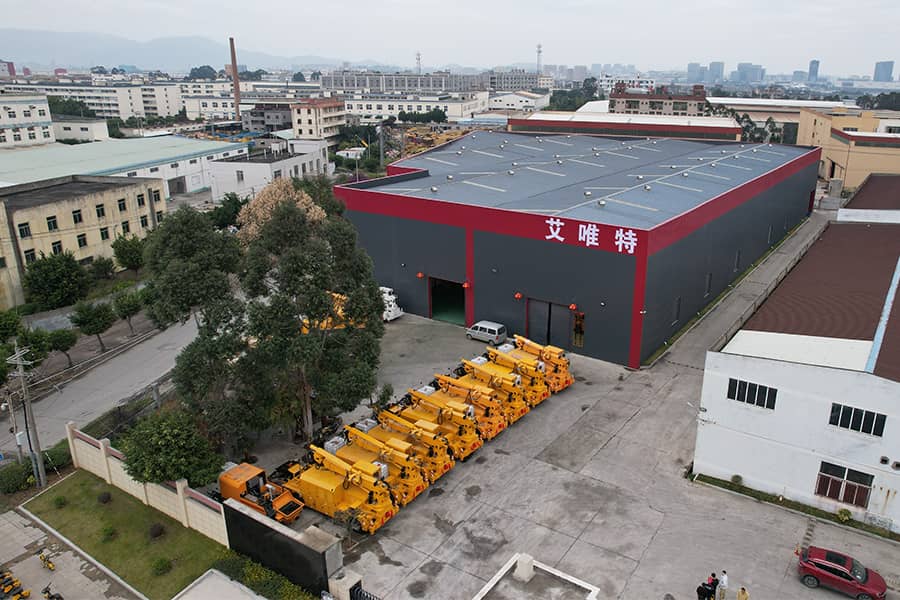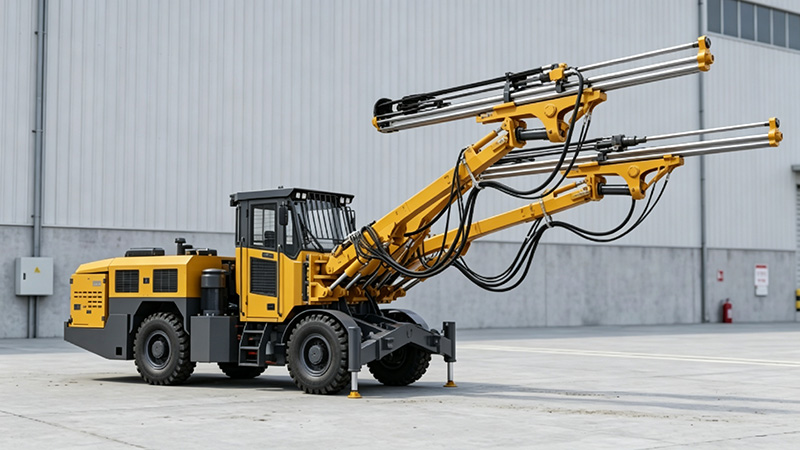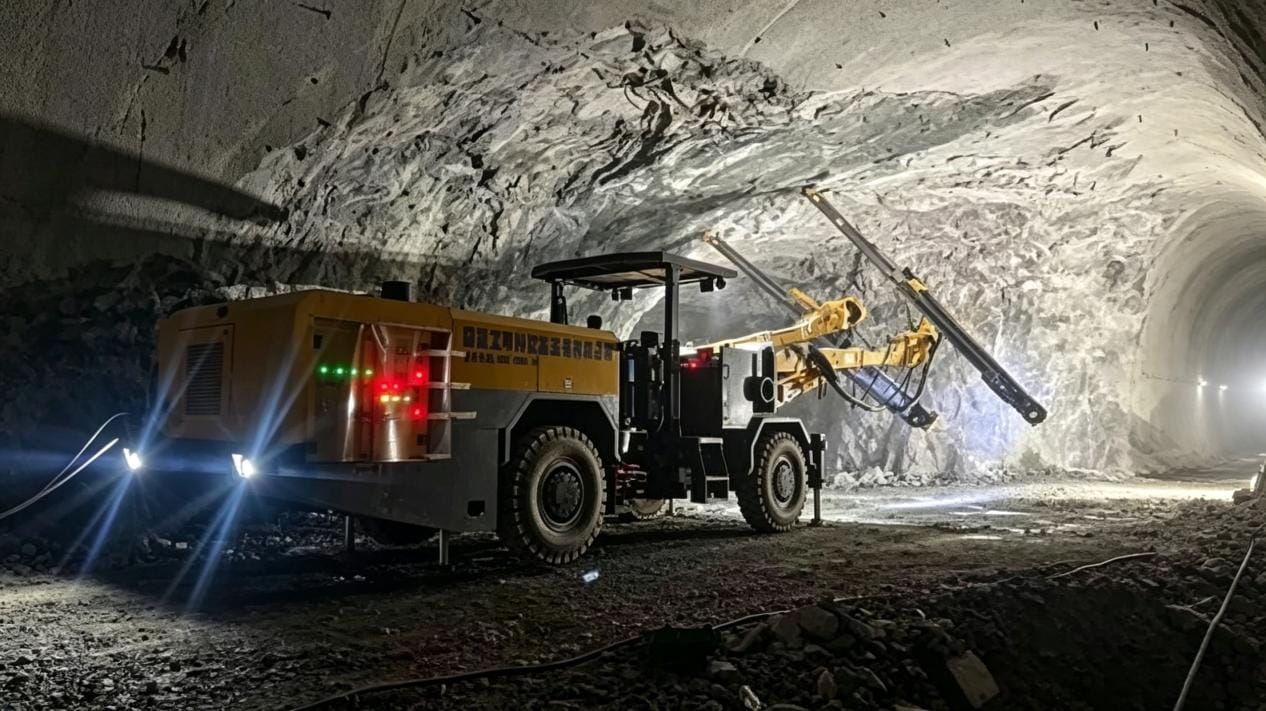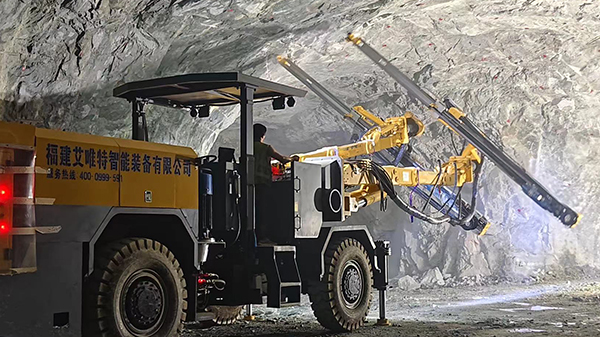
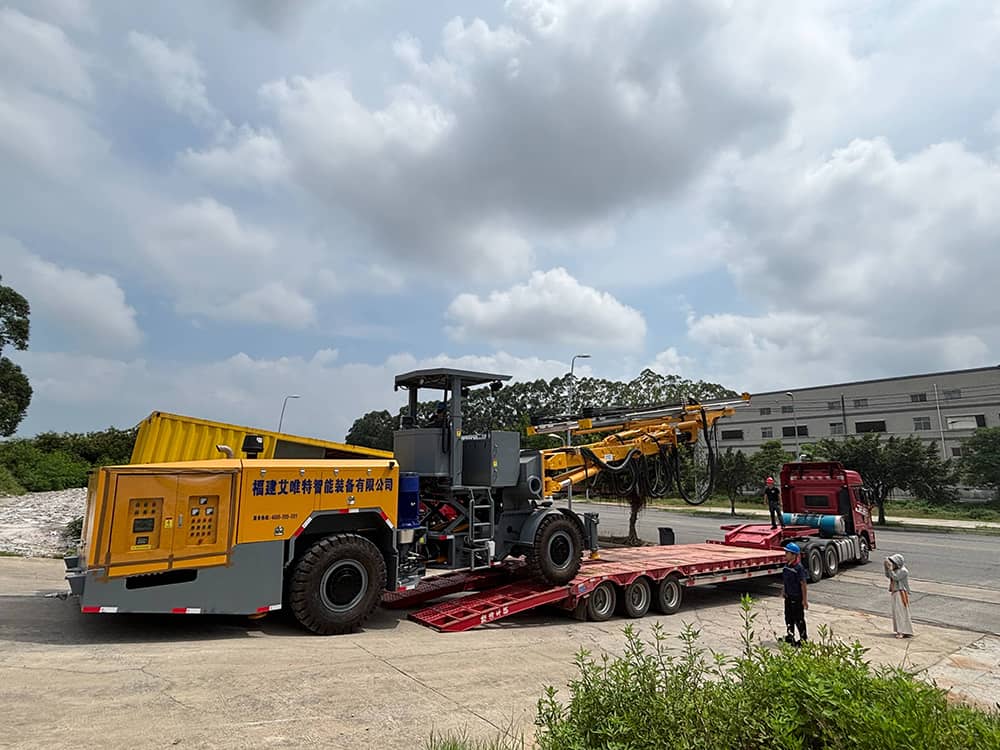
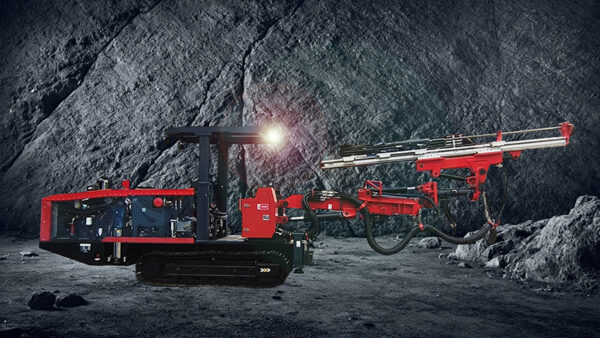
Subterranean extraction, deep tunnel development, and civil infrastructure projects require machinery built to withstand extreme mechanical stress, continuous moisture, and abrasive particulate matter. The facilities responsible for manufacturing this heavy equipment—the specialized underground drill rig factories—operate at the intersection of heavy structural fabrication, precision fluid power integration, and sophisticated machine automation. Leading engineering firms such as Aivyter utilize specialized manufacturing workflows to produce heavy-duty mobile drill units capable of maintaining hole straightness, rapid penetration rates, and operational safety hundreds of meters below the surface.
A deep understanding of how drill rigs are fabricated, assembled, and validated provides mining contractors and tunnel operators with the knowledge required to select machinery tailored to specific geological conditions. Structural integrity, hydraulic responsiveness, feed beam rigidity, and powertrain selection dictate operational efficiency across challenging underground environments.
Structural Integrity and Chassis Engineering for Subterranean Rigs
The operational profile of a subterranean drilling unit requires a load-bearing chassis that resists torsional stress, cyclic vibration, and dynamic shock loads generated during high-frequency percussive drilling. Manufacturing facilities utilize structural steel plates, robotic multi-axis welding cells, and ultrasonic joint inspection to ensure that the primary carrier frame can endure thousands of operational hours without fatigue failure.
High-Tensile Steel Fabrication and Articulated Carrier Architecture
Modern drill carriers rely on heavy-duty articulated frames constructed from high-yield structural steel, such as Q345E or specialized quenched and tempered alloys. These materials maintain impact toughness even at lower ambient temperatures while resisting permanent deformation under heavy load. The articulation joint, which connects the front and rear chassis sections, features heavy-duty spherical plain bearings, hardened alloy pins, and integrated mechanical stops.
- Center-point articulation provides a narrow turning radius, allowing machines to navigate drift profiles as tight as 2.5 meters by 2.5 meters.
- Front axle oscillation systems allow the wheels to maintain ground contact across uneven, blasted rock surfaces, distributing structural stress evenly across the frame.
- Robotic submerged arc welding (SAW) and flux-cored arc welding (FCAW) ensure uniform weld penetration, eliminating micro-voids that can lead to structural crack propagation.
Heavy-Duty Axles and All-Wheel Drive Powertrain Configurations
Torque transmission in underground machines requires robust planetary reduction axles designed for high tractive effort on steep inclines. Factory assembly lines integrate enclosed, multi-disc wet brakes (SAHR – Spring Applied Hydraulic Release) directly into the axle hubs. This completely seals the braking surfaces from acidic mine water, abrasive rock slurry, and mechanical impacts, providing fail-safe parking and service braking functions.
Hydraulic Circuitry, Power Units, and High-Frequency Drifters
The mechanical efficiency of an underground drill jumbo or production rig depends largely on its fluid power system. Drilling through hard rock formations—such as granite, basalt, or quartzite—demands high-pressure hydraulic circuits that drive both the rotary and percussive actions of the top hammer drifter.
Dual-Buffer Hydraulic Drifter Mechanisms and Penetration Dynamics
The top hammer drifter acts as the primary tool on the machine. Inside high-precision underground drill rig factories, drifter assembly takes place in cleanroom environments to prevent particulate contamination of tight-tolerance spool valves and piston sleeves.
- Dual-damping hydraulic buffer systems absorb reflected shock waves generated when the piston impacts the shank adapter, protecting internal components and extending feed beam life.
- High operating pressures (ranging from 150 bar to 240 bar) drive impact frequencies between 40 Hz and 70 Hz, ensuring fast penetration without causing excessive steel wear.
- Independent rotation motors deliver steady torque to prevent bit jamming when encountering fractured ground, geological faults, or transitioning rock strata.
Variable Displacement Piston Pumps and Closed-Loop Filtration
Hydraulic power generation units utilize variable displacement axial piston pumps equipped with load-sensing and pressure-compensation controls. Instead of routing excess oil over relief valves, the system dynamically adjusts flow and pressure based on operator input and drilling resistance.
Contamination control remains central to power unit assembly. Facilities integrate multi-stage filtration units, including return-line micro-glass filters, high-pressure inline filters, and offline kidney-loop filtration systems. Cleanliness standards are validated using optical particle counters to meet ISO 4406 fluid cleanliness codes (such as 18/16/13 or cleaner) before the equipment leaves the testing bay.
Manufacturing Workflows Inside Underground Drill Rig Facilities
The production of heavy mining machinery requires multi-stage manufacturing protocols. Tier-one underground drill rig factories maintain tight coordination between structural machining, hydraulic plumbing, electrical harnessing, and final factory acceptance testing (FAT).
Robotic Precision Machining and Boom Tolerance Verification
Boom assemblies must provide absolute parallel holding and millimeter-grade positioning accuracy. Heavy-duty telescopic and multi-directional booms require high-precision computer numerical control (CNC) machining for all pivot points, cylinder anchor lugs, and rotary actuators.
- Large-scale horizontal boring mills machine boom weldments in a single setup, guaranteeing precise parallelism between pivot bores.
- Wear-resistant bronze bushings and nitrided pivot pins are installed with automated thermal fitting (cryogenic shrinkage) to achieve optimal interference fits.
- Rotary actuators and feed extension mechanisms undergo continuous alignment checks on coordinate measuring machines (CMM) to prevent binding across the full extension stroke.
Comprehensive Hydrostatic and Load-Simulation Testing Protocols
Prior to dispatch, completed drill rigs undergo rigorous multi-stage quality assurance protocols. Hydrostatic pressure testing verifies the bursting strength and seal integrity of all hydraulic lines, manifolds, and directional control valve blocks under 125% to 150% of nominal working pressure.
Machines are subsequently moved to dedicated indoor testing bays where drilling simulation units apply artificial backpressure to the drifter and rotation circuits. Engineers monitor fluid temperatures, check for micro-leaks, verify sensor calibrations, and assess boom vibration frequencies across various reach configurations.
Specialized Applications and Underground Operational Profiles
Mining operations require machinery configured to distinct extraction methodologies. Factories design structural and functional components to match the spatial constraints and geotechnical demands of different subterranean operations.
Sub-Level Caving and Longhole Production Drilling
Longhole production rigs are engineered for drilling radial, fan-shaped hole patterns across sublevel open stoping and caving operations. Key engineering adaptations include:
- Automated rod handling carousels that store, thread, and unthread drill rods without manual operator intervention.
- 360-degree feed beam rotation rings powered by high-torque hydraulic motors, enabling radial drilling in vertical, inclined, and down-hole configurations.
- High-output water and air flushing systems that clear dense rock cuttings from deep holes up to 30 to 50 meters in length.
Tunnel Face Development and Rock Bolting Ground Support
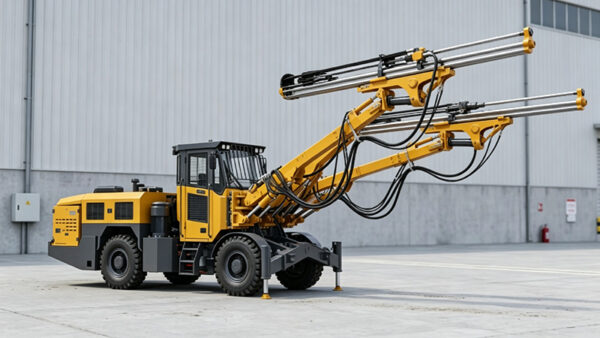
Face drilling jumbos prioritize rapid horizontal advance, accurate perimeter profiling, and rock reinforcement. In these setups, production lines equip the carriers with dual or triple booms featuring anti-parallel holding systems, heavy-duty aluminum feed beams with stainless steel wear strips, and integrated rock bolting modules. Equipment engineered by Aivyter provides stable boom kinematics that minimize overbreak in tunnel profiling, helping crews achieve smooth drift perimeters.
OEM/ODM Customization Capabilities and Quality Control Paradigms
Underground mine sites feature varying ventilation capabilities, electrical grids, and drift geometries. As a result, premier manufacturing facilities provide deep original equipment manufacturing (OEM) and original design manufacturing (ODM) flexibility.
Tiered Powertrain Integrations
Industrial machinery builders offer modular chassis designs capable of accommodating diverse power options:
- Diesel-Hydraulic Systems: Incorporating Tier 3, Stage IV, or Stage V compliant low-emission diesel engines equipped with selective catalytic reduction (SCR) and diesel particulate filters (DPF) for standard mine haulage paths.
- Electric-Hydraulic Systems: Dual-power configurations utilizing a diesel engine for site tramming and heavy-duty 380V/660V/1000V electric power packs for stationary drilling, minimizing underground emissions and ventilation demands.
- Flameproof Components: Methane-sealed electrical panels, explosion-resistant junction boxes, and intrinsically safe instrumentation packages certified for coal mine and fiery tunnel projects.
Control Architectures: Direct Pilot vs. CAN-bus Automation
Depending on operator skill levels and mine communication networks, factories provide control systems spanning from direct hydraulic pilot joysticks to digital CAN-bus networks. Advanced digital systems feature real-time hole navigation, depth tracking, automatic drifter anti-jamming, and onboard diagnostics displayed via ruggedized operator interface screens.
Sourcing Considerations When Evaluating Drill Rig Manufacturers
Procuring underground machinery requires thorough due diligence regarding manufacturing standards, metallurgical quality, and factory support infrastructure. Industrial buyers benefit from evaluating several production benchmarks when vetting prospective underground drill rig factories:
- Metallurgical Sourcing and Traceability: Verification that all raw steel plates, hydraulic tubing, and structural profiles come with mill test certificates confirming tensile strength, elongation limits, and impact absorption characteristics.
- Cleanroom Assembly Standards: Rigorous maintenance of designated clean zones for the assembly of hydraulic valves, proportional controls, and rock drill mechanisms.
- Component Standardization: Incorporation of world-class, globally available hydraulic pumps, valves, and electrical relays to facilitate downstream maintenance.
- Pre-Shipment Run-In Testing: Standard protocols requiring 4 to 8 hours of continuous hydraulic cycling under full operating temperature before final release.
Equipment Configuration and Direct Inquiry Processing
Choosing an underground drilling machine requires precise alignment between chassis dimensions, drifter power output, boom kinematics, and site-specific ventilation or electrical constraints. Engineering specialists at Aivyter work alongside mine planners and tunnel construction teams to specify machine parameters, select feed systems, and optimize carrier dimensions for exact project requirements.
Mining operations, civil tunneling contractors, and regional machinery distributors seeking custom production configurations, complete machine specifications, or direct factory pricing are encouraged to submit project parameters. Detailed technical proposals, dimension drawings, and operational flowcharts can be generated upon receiving site-specific geological profiles and drift geometry requirements.
Frequently Asked Questions
Q1: What structural steels are standard in the fabrication of underground drill rig carriers?
A1: Manufacturers predominantly utilize high-yield structural steels such as Q345E, Q690D, and wear-resistant alloys for boom slide plates and chassis boxes. These grades provide the necessary fatigue resistance and impact strength under heavy cyclic loading.
Q2: How do underground drill rigs handle water and power connections during operation?
A2: Mobile face jumbos and production rigs feature heavy-duty hydraulic or spring-loaded cable and hose reels. When arriving at the work face, the machine connects to the mine’s main water supply for flushing and to the high-voltage electrical grid for drilling power.
Q3: What mechanisms protect top hammer drifters from internal hydraulic damage?
A3: Dual-damping systems utilize a pair of hydraulic shock absorbers situated within the front head of the drifter. These dampeners absorb reflected shock energy when the drill bit rebounds from hard rock faces, preserving internal pistons, shanks, and seals.
Q4: Can underground drill rig chassis be adapted for narrow-vein mining operations?
A4: Yes. Manufacturing lines build ultra-compact, articulated carriers with widths ranging from 1.0 to 1.5 meters, engineered specifically to navigate tight drifts and execute precision drilling in narrow-vein ore bodies.
Q5: What documentation is standard with machinery completed at factory testing bays?
A5: Standard documentation includes the factory acceptance test (FAT) report, hydrostatic pressure test certificates, electrical safety and insulation logs, hydraulic schematic layouts, spare parts manuals, and mill test certificates for primary load-bearing structural steels.
about
Aivyter
We provides trusted air compressors and mining equipment, engineered for durability, efficiency, and demanding industrial applications.