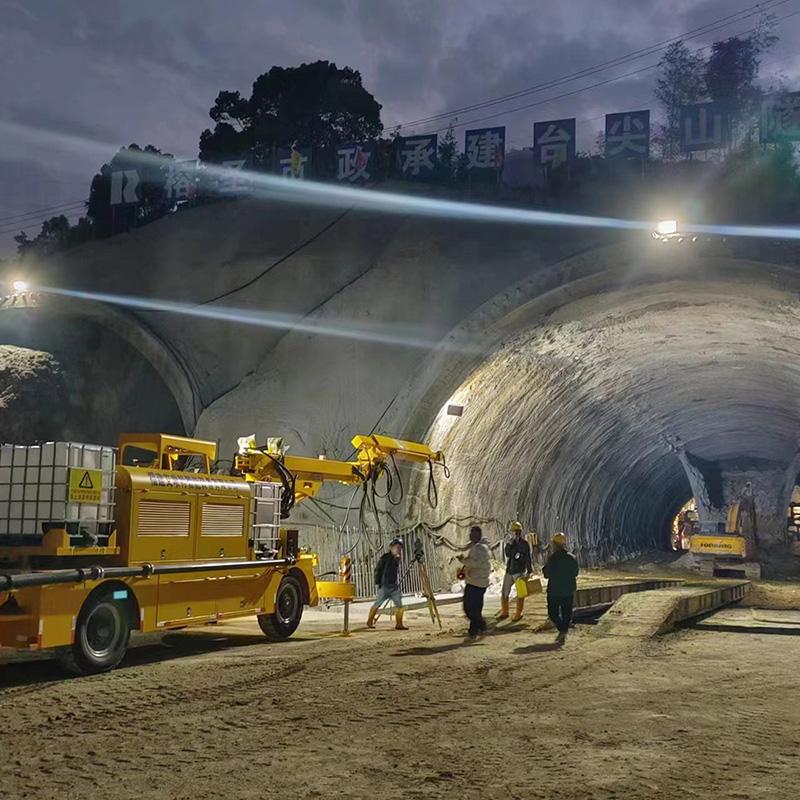
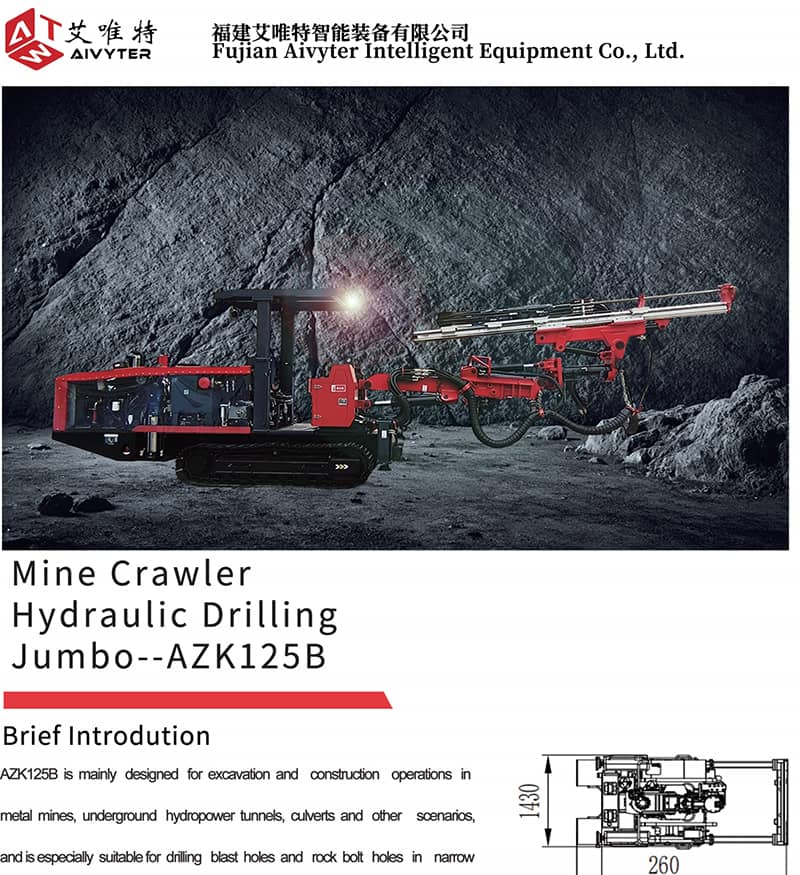
Underground mining and civil tunneling require specialized machinery capable of penetrating hard rock formations with high precision. In rapid development and drifting projects, drilling blast holes or rock bolt holes forms the foundation of the excavation cycle. Modern engineering demands tools that reduce cycle times while securing the working face. The utilization of a high-performance jumbo drill has revolutionized this phase, shifting operations from labor-intensive manual drilling to mechanized, automated processes. Heavy machinery manufacturers such as Aivyter design robust solutions to meet the strict demands of global mining projects. This comprehensive analysis details the structural components, operational parameters, and selection criteria of these powerful drilling systems.
Engineering Principles of Modern Underground Drilling Systems
A drilling rig of this scale operates on a combination of hydraulic power, mechanical articulation, and advanced control systems. Unlike surface quarrying rigs, underground drifting rigs must navigate confined spaces while maintaining structural stability and precision. The engineering architecture consists of several interconnected systems:
- The Hydraulic Drifter (Rock Drill): At the heart of the system is the hydraulic drifter. This unit converts hydraulic energy into high-frequency impact energy, rotation, and feed force. The rotary-percussive action involves a piston striking the shank adapter at frequencies ranging from 40 to 100 Hz, transmitting shockwaves through the drill steel to the rock button bit. Simultaneous rotation prevents the bit from jamming and ensures even distribution of the impact force.
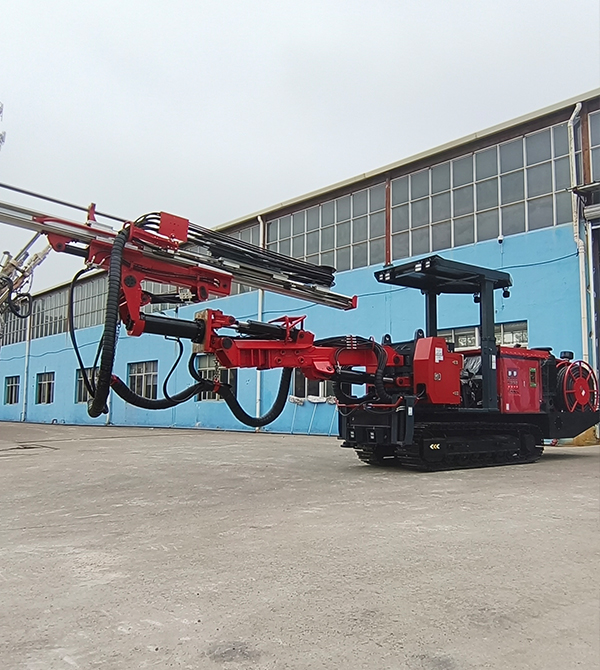
- The Boom and Positioning System: Modern rigs feature heavy-duty booms with multiple degrees of freedom. Hydraulic cylinders control lift, swing, tilt, and extension, allowing the feed beam to align with the pre-designed blast pattern. Parallel holding mechanisms ensure that holes remain parallel during drilling, which is vital for optimized blasting results and minimized overbreak.
- The Feed Mechanism: The feed beam supports the drifter and travel system. Typically constructed from high-strength aluminum alloy or structural steel profiles, the feed utilizes hydraulic cylinders or motor-driven chains to apply continuous forward force (feed pressure). Proper calibration of feed pressure relative to percussion pressure prevents premature wear on the drill string.
- Flushing and Lubrication Systems: Efficient rock drilling requires continuous flushing of cuttings from the borehole. Water-flushing systems force high-pressure water through the center of the drill steel, cooling the bit and carrying debris away. Concurrently, oil mist lubrication systems protect the internal components of the drifter, including the splines and shank adapter, from friction and high temperatures.
Key Operational Challenges in Hard Rock Mining and Tunneling
Excavation faces present unpredictable geological hazards and demanding physical environments. Addressing these challenges requires a deep understanding of rock mechanics and structural engineering.
Geological Variability and Rock Quality Designation
Tunneling projects often cross changing strata, from soft shear zones to highly abrasive hard rock, such as granite or quartzite. A standard jumbo drill must adapt its drilling parameters—such as rotation speed, impact frequency, and feed force—in real time to match the rock mass index and avoid stuck steels. Insufficient adaptability leads to broken drill rods and prolonged cycle times.
Overbreak and Underbreak Control
Accurate blast hole alignment is necessary to control the final profile of the tunnel. Overbreak leads to excessive muck-pile volume and requires additional concrete lining, while underbreak requires secondary blasting or mechanical scaling, delaying the entire advance cycle. Precision boom positioning systems mitigate these variations, ensuring the excavation follows the planned engineering design.
Worker Safety at the Excavation Face
Operating in unsupported ground exposes personnel to fall-of-ground hazards. Mechanizing the face-drilling process allows operators to remain inside certified cabins, away from the immediate face, thereby significantly reducing occupational hazards. Robust canopy designs protect personnel from rockfalls during the drilling cycle.
Core Parameters to Evaluate When Selecting a Tunneling Rig
Engineering managers must assess specific mechanical parameters to ensure the equipment aligns with project demands. The selection process should focus on structural compatibility and output capacity.
Boom Configuration and Coverage Area
Depending on the tunnel cross-section, rigs are configured with one, two, or three booms. Single-boom models are suited for narrow-vein mining and small utility drifts, whereas multi-boom variants are employed in large-scale highway tunnels and railway civil works. Specialized manufacturers like Aivyter offer customized boom arrangements to optimize coverage areas and match specific tunnel dimensions.
Drifter Power Output and Frequency
Measured in kilowatts (kW), the impact power of the hydraulic rock drill dictates the penetration rate. High-power drifters (18 kW to 30 kW) are suitable for extremely hard rock formations but require robust drill rods, such as R32, T38, or T45 threads, to withstand the high-stress loads. Choosing the correct power-to-tooling ratio prevents premature thread stripping and rod breakage.
Carrier Mobility and Power Source
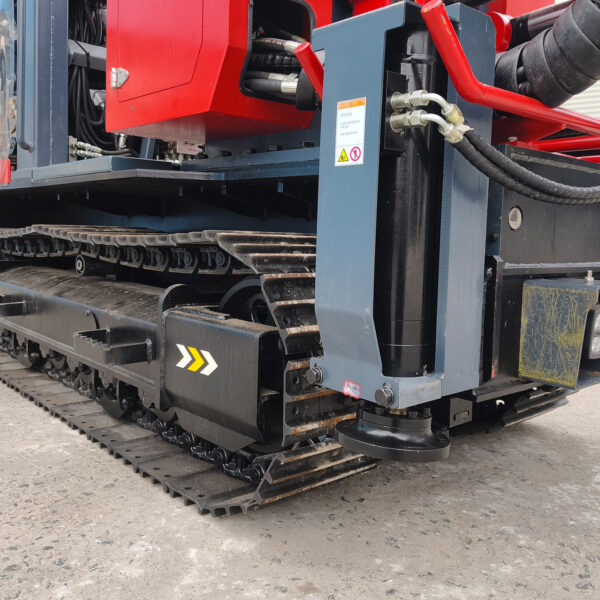
The mobility of the unit is defined by its carrier. Articulated, four-wheel-drive diesel or electric carriers provide agility in steep ramps and tight turns. Tracked carriers, though slower, offer superior stability on uneven, soft, or highly inclined floors. Additionally, operations must choose between diesel-hydraulic carriers for travel combined with electric-hydraulic systems for drilling, which reduces underground emissions.
Application Scenarios: Drifting, Bolting, and Production Drilling
While primarily designed for face drilling, the adaptability of a modern jumbo drill allows it to perform multiple functions within the underground development cycle.
Development Drifting
The primary application involves drilling a pattern of horizontal blast holes, including cut holes, helper holes, and contour holes. The precision of these holes determines the blast advance per round and the stability of the tunnel walls. Proper hole alignment ensures that the explosive energy is utilized efficiently, producing optimal fragmentation for loading machinery.
Rock Bolting and Ground Support
Ground support is a mandatory step in underground mining to prevent rockfalls. By utilizing specialized bolting feeds or adaptive attachments, the drilling rig can drill bolt holes and assist in installing mechanical, grouted, or friction-stabilized rock bolts to reinforce the rock mass. This multi-purpose capability reduces the need for secondary support vehicles at the face.
Cross-cut and Long-hole Mining Applications
In specific mining methods, such as sublevel stoping or cut-and-fill mining, modified rigs can drill medium-length production holes or slot holes. This versatility is highly beneficial for operations that require flexible equipment deployment across different phases of development and extraction.
Improving Operator Safety and Precision with Modern Controls
The evolution of operator cabin ergonomics and control systems has enhanced safety and drilling accuracy. Modern rigs integrate electronic sensors and hydraulic feedback loops to simplify operation.
- Parallel Holding and Geometry: Advanced geometry systems automatically maintain parallel alignment of the feed beam as the boom moves across the face. This eliminates manual adjustments, saving valuable minutes per hole and ensuring a clean, uniform blast profile.
- Anti-Jamming Automatics: If the drill bit encounters a clay pocket or fractured ground, the rotation torque rises rapidly while the penetration speed drops. Advanced hydraulic circuits sense this change and instantly reverse the feed direction while maintaining rotation, freeing the bit before it becomes trapped in the borehole.
- Data Logging and System Telemetry: Modern rigs gather operational data, logging penetration rates, percussion hours, and system pressures. This data can be transmitted to surface management offices via underground network systems, enabling predictive maintenance planning and performance analysis.
Maintenance Protocols for High-Frequency Rock Drills
To ensure consistent performance and prevent unplanned downtime, maintenance teams must adhere to structured preventative maintenance protocols. High-frequency percussion systems require diligent monitoring.
The shank adapter experiences extreme shock loads and rotational friction. Regular inspection for spalling, micro-cracks, and thread wear is required. Using high-grade thread lubricants reduces wear rates. Furthermore, hydraulic components operate under high pressures with tight clearances. Even microscopic dust particles can cause accelerated wear on pump pistons and valve spools. Scheduled filter replacements and oil analysis are fundamental to system longevity.
Hydraulic drifters also utilize nitrogen-filled accumulators to cushion pressure spikes and boost stroke energy. Low nitrogen pressure causes erratic percussion, reduced penetration rates, and increased vibration in the hydraulic hoses. By sourcing high-quality machinery from trusted brands such as Aivyter, operators gain access to reliable components engineered for extended service intervals, ensuring that your jumbo drill maintains high availability throughout the project lifecycle.
Engineering Consultation and Inquiry
Selecting the appropriate drilling configuration requires careful assessment of rock hardness, tunnel cross-sections, and power availability. If your project demands specialized underground drilling equipment or customized boom configurations, please contact our team. We provide engineering consultations to align equipment capabilities with your geological conditions and advance rate targets. Submit your inquiry to discuss your project requirements with a product specialist.
Frequently Asked Questions
Q1: What is the primary difference between a single-boom and a twin-boom drilling rig?
A1: The primary difference lies in the coverage area and operating efficiency. A single-boom rig is compact, highly maneuverable, and designed for small-heading tunnels (typically under 15 square meters) or narrow-vein mining. A twin-boom rig covers a much larger face area (up to 50 square meters or more) and allows two blast holes to be drilled simultaneously, cutting the overall cycle time in half for larger civil engineering and production drifts.
Q2: How does the anti-jamming system protect the drill string?
A2: The anti-jamming system monitors the rotation pressure of the hydraulic motor. When the drill bit encounters fractured rock or clay, rotation torque increases, causing a spike in hydraulic pressure. The control valve immediately senses this spike and automatically reduces or reverses the feed force while maintaining rotation. This action pulls the drill bit back slightly to clear the cuttings before returning to forward feed, preventing the steel from becoming seized in the hole.
Q3: Why is water flushing preferred over air flushing in underground drifting?
A3: Water flushing is required in underground environments primarily for dust suppression to protect operators from inhaling hazardous respirable silica dust. Additionally, water has a higher thermal capacity than air, providing more effective cooling for the carbide buttons on the drill bit, which extends bit life in hard, abrasive rock formations.
Q4: What parameters dictate the selection of a hydraulic drifter’s impact power when configuring a jumbo drill?
A4: The selection depends on the Uniaxial Compressive Strength (UCS) of the rock, the desired borehole diameter, and the drill rod series. Very hard rock (above 150 MPa) requires high-frequency, high-impact drifters (20 kW to 30 kW) to achieve acceptable penetration rates. However, these high-power drifters must be paired with heavier drill steel (such as T38 or T45) to prevent energy loss and rod breakage, which in turn requires a larger boom and carrier structure.
Q5: How do parallel holding mechanisms improve blasting efficiency?
A5: Parallel holding mechanisms use hydraulic master-slave cylinder circuits to keep the feed beam at the exact same angle relative to the tunnel axis, regardless of boom movement. This ensures that all blast holes are drilled perfectly parallel to each other. Parallel holes guarantee even distribution of the explosive force, resulting in clean rock fragmentation, a flat tunnel floor, and minimized overbreak or underbreak.
about
Aivyter
We provides trusted air compressors and mining equipment, engineered for durability, efficiency, and demanding industrial applications.