Subsurface excavation, geotechnical exploration, and resource extraction demand high levels of mechanical precision and structural integrity. Within these operations, the selection of a highly specialized drilling rig machine is a primary factor determining project timelines and borehole stability. Industrial projects face complex geological strata, fluctuating hydrostatic pressures, and challenging torque requirements that test the limits of mechanical engineering. To address these demands, manufacturers like Aivyter have focused on advancing structural durability and hydraulic efficiency to support continuous operations in demanding environments.
Selecting the appropriate equipment requires an understanding of how mechanical forces interact with varying geological formations. Whether executing deep foundation piling, tunneling, or surface mining, the mechanical design of the machinery must match the physical characteristics of the target strata. This analysis examines the core mechanical subsystems, tooling configurations, and operational parameters that define modern deep-hole boring operations.
1. Structural Architecture and Power Transmission in Deep Hole Boring
The structural framework of a boring system is engineered to withstand severe torsional and axial forces. The mast, which serves as the primary structural guide, is typically constructed from high-tensile structural steel alloys to resist bending moments during high-pressure down-crowd operations. Within this assembly, the feed system—utilizing either hydraulic cylinders or motor-driven chain mechanisms—translates hydraulic energy into constant mechanical force.
When evaluating a drilling rig machine for complex geological strata, the rotary head design serves as the central point of mechanical energy transfer. This component must deliver variable speed and torque combinations to match changing rock hardness levels. High-torque, low-speed configurations are used for large-diameter rotary boring in sedimentary layers, whereas high-speed, lower-torque configurations are applied in percussive drilling through dense igneous formations. Power transmission relies heavily on high-displacement axial piston pumps that feed hydraulic fluid through multi-spool control valves, ensuring immediate response to torque fluctuations.
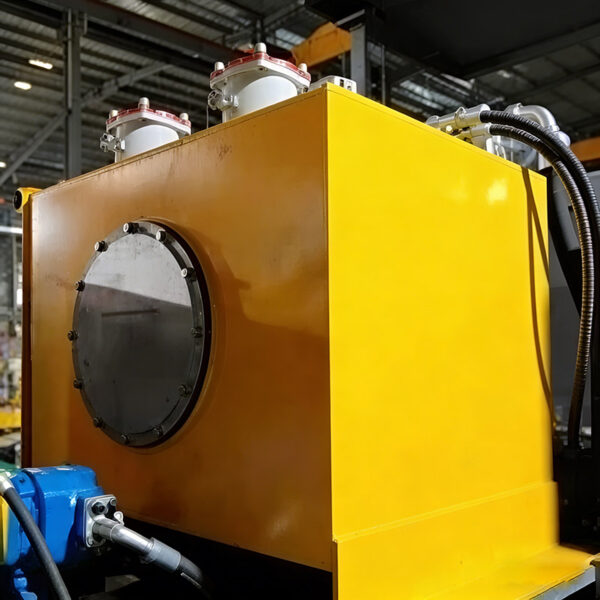
The cooling and filtration systems within the power pack also play an important role in maintaining systemic efficiency. Because hydraulic systems convert a portion of their energy into heat under heavy load conditions, multi-pass oil-to-air heat exchangers are used to maintain hydraulic fluid viscosity. This preservation of fluid properties is necessary to protect sensitive proportional valves and high-pressure seals from premature wear, ensuring consistent output over extended operational cycles.
2. Geological Adaptability and Tooling Selection
The mechanical efficiency of any excavation operation depends directly on matching the cutting tool with the specific geological profile. Subsurface geology varies from unconsolidated alluvial soils to highly consolidated metamorphic rock, with each requiring a distinct method of mechanical degradation.
- Unconsolidated and Cohesive Soils: These formations, consisting of silts, clays, and sands, require structural support to prevent borehole collapse. Continuous flight augers (CFA) or mechanical grab systems are frequently employed. The tooling relies on shear force to cut and transport the material to the surface.
- Sedimentary Formations (Limestone, Shale, Sandstone): These rocks exhibit moderate compressive strength and require rotary cutting action. Roller cone bits with tungsten carbide inserts (TCI) apply concentrated point loads that exceed the compressive strength of the rock, causing it to chip and fragment.
- Igneous and Metamorphic Formations (Granite, Basalt, Gneiss): Characterized by high Unconfined Compressive Strength (UCS) values, these materials resist standard rotary shearing. Percussive methods, such as Down-The-Hole (DTH) hammer systems, utilize high-frequency pneumatic or hydraulic impacts to fracture the rock matrix before the rotary bit clears the debris.
Achieving structural stability in variable strata requires the integration of a high-performance drilling rig machine with targeted tooling interfaces. When encountering interbedded formations—where hard rock layers alternate with soft clay deposits—the machinery must allow operators to rapidly adjust both rotary speed and downward thrust. Failure to adapt these mechanical inputs can lead to severe tool deviation, accelerated cutter wear, or structural damage to the drill string itself.
3. Mechanical Solutions for Strata Stability and Deviation Control
Borehole deviation is a persistent engineering challenge that can compromise structural foundations and resource extraction pathways. When the drill bit encounters sloping strata boundaries or varying rock hardness, the drill string tends to follow the path of least resistance, leading to alignment errors. To mitigate this deviation, engineers rely on stiff drill collars, stabilizer placement, and real-time monitoring instruments.
In unstable, water-bearing formations, maintaining borehole wall integrity is highly important. Mechanical casing systems, driven by high-torque casing oscillators or rotators, are advanced simultaneously with the boring tool to isolate loose soils and prevent groundwater ingress. Alternatively, fluid-assisted drilling utilizes bentonite or polymer-based fluids to create a hydrostatic barrier against the borehole wall, preventing cave-ins and suspending cuttings for transport to the surface.
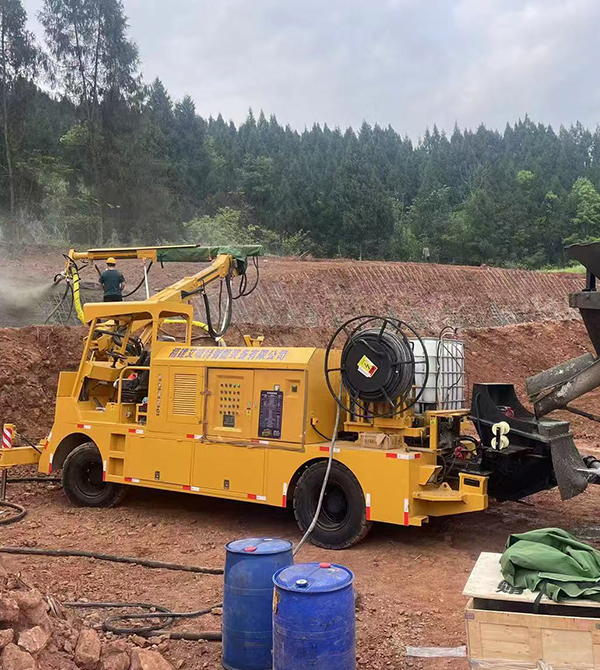
These fluid systems also perform the role of cooling the cutting interface, reducing thermal stress on the carbide components. The mud pump displacement capacity and pressure ratings must be calculated to maintain the required annular velocity, ensuring that heavy cuttings are removed without eroding the unlined borehole walls. Heavy-duty hydraulic systems engineered by Aivyter demonstrate how specialized heavy machinery manages these simultaneous hydraulic and mechanical loads in demanding environments.
4. Performance Parameters and System Integration
Evaluating the capability of excavation equipment requires a detailed analysis of its operating parameters. These metrics define the operational boundaries within which the machinery can safely and efficiently perform.
Torque and Pulldown Capacity
Torque determines the machine’s ability to rotate the drill string against frictional resistance, while pulldown force (or crowd force) is the vertical thrust applied to force the cutting tool into the rock matrix. For deep-hole operations, pullback capacity is equally important, as it must exceed the combined weight of the drill string, tooling, and any frictional drag caused by swelling clays or collapsed material.
Rotational Velocity and Feed Rates
The relationship between rotational speed (measured in revolutions per minute) and feed rate (the penetration speed) must be balanced to maximize drilling efficiency. Selecting a drilling rig machine with the correct balance of feed force and rotational speed prevents excessive friction and premature wear on the cutting surfaces, helping to maintain structural integrity throughout the operation.
The table below provides a comparative overview of common drilling methodologies and their typical operational parameters:
| Drilling Method | Primary Formation Suitability | Typical Hole Diameter (mm) | Primary Energy Transfer Mechanism | Flushing Medium |
|---|---|---|---|---|
| Rotary Boring | Soft to medium-hard sedimentary rock, clays, and sands | 400 – 3000 | Continuous rotation and axial thrust (shearing/crushing) | Bentonite slurry, polymer, or water |
| Down-The-Hole (DTH) | Hard, consolidated rock (granite, basalt) | 85 – 450 | High-frequency pneumatic/hydraulic axial impact with slow rotation | Compressed air or mist |
| Top Hammer | Medium to hard, highly fractured formations | 50 – 127 | Impact delivered from top of drill string, transmitted through rods | Air or pressurized water |
| Continuous Flight Auger (CFA) | Unconsolidated soils, silts, and soft clays | 300 – 1200 | Low-speed, high-torque continuous mechanical excavation | Mechanical auger flights (no fluid required) |
5. Structural Advancements in Underground Mining and Tunneling
Underground excavation presents distinct physical constraints that differ significantly from open-pit or civil engineering projects. Low overhead clearance, confined working areas, and hazardous atmospheres require specialized designs that prioritize compact footprints, structural safety, and high maneuverability.
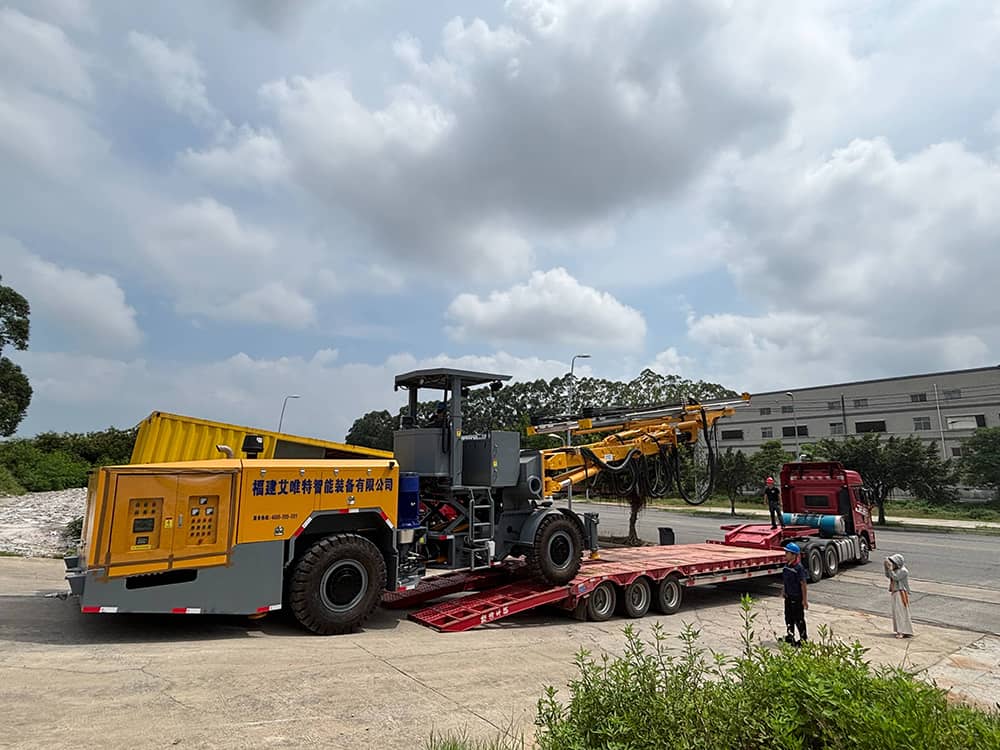
In underground tunneling applications, the deployment of a specialized drilling rig machine ensures precise blast-hole placement and roof-bolting operations. These machines, often configured as multi-boom hydraulic units, utilize automated parallel holding systems to ensure that holes are drilled at exact angles relative to the tunnel axis. This precision prevents over-excavation and under-excavation, reducing the need for manual scaling and concrete spraying.
The structural integration of these units also relies on heavy-duty carrier chassis, utilizing articulated steering and oscillating axles to navigate steep declines and uneven floor conditions. The integration of dual-power systems—where diesel engines handle tramming between work faces and electric motors power the hydraulic systems during drilling—helps maintain underground air quality while ensuring consistent power delivery to the rock drills.
6. B2B Procurement and Technical Inquiry Specifications
Procuring heavy-duty industrial boring equipment involves a detailed review of project requirements, environmental regulations, and geological conditions. Because of the high capital investment and the impact of equipment downtime on project schedules, the procurement process requires close coordination between project engineers and equipment manufacturers.
When preparing a formal inquiry, purchasing departments and engineering consultants should compile detailed project specifications. This includes providing geological profiles, boring depths, environmental conditions, and logistical constraints. Working in coordination with engineering departments, such as those at Aivyter, allows buyers to adapt equipment configurations to meet specific operational requirements, ensuring long-term reliability and performance in the field.
To facilitate a precise technical evaluation and receive an engineered solution tailored to your operational requirements, please prepare the following technical parameters for your inquiry:
- Geological Profile: Unconfined Compressive Strength (UCS) values, rock quality designation (RQD), and the presence of groundwater tables.
- Excavation Dimensions: Required borehole diameters, maximum drilling depth, and targeted deviation tolerances.
- Site Constraints: Underground clearance limits, environmental emission regulations (e.g., Stage V or Tier 4 Final compliance), and power availability.
- Chassis Configuration: Track-mounted, truck-mounted, or specialized narrow-profile underground carriers depending on site mobility requirements.
We invite engineering firms, mining operators, and piling contractors to submit their project specifications for a professional review. Our engineering team is prepared to analyze your geological data and configure a machine that matches your specific site demands.
To request a detailed technical consultation and receive a structured quotation, please contact our B2B engineering division through our official portal.
Frequently Asked Questions
Q1: What are the primary indicators that a project requires a Down-The-Hole (DTH) system rather than a rotary boring system?
A1: The primary indicators are rock hardness and structural cohesion. If the geological profile shows hard, abrasive rock formations with an Unconfined Compressive Strength (UCS) exceeding 150 MPa (such as granite, quartzite, or basalt), a DTH system is more efficient. Rotary boring systems struggle to penetrate these formations efficiently without excessive bit wear, whereas the high-frequency impact of a DTH hammer fractures the hard rock matrix directly, allowing for better penetration rates.
Q2: How does high groundwater pressure affect the choice of borehole stabilization methods?
A2: High groundwater pressure can cause borehole collapse and soil liquefaction. In these conditions, mechanical casing advanced by a casing oscillator is often required to isolate the water-bearing strata. Alternatively, a pressurized drilling fluid system using weighted bentonite or polymer slurries must be utilized. The fluid density must be maintained to exert a hydrostatic pressure that exceeds the formation pore water pressure, preventing water from flowing into the borehole and maintaining wall stability.
Q3: What role does torque play in large-diameter foundation piling compared to deep geological exploration?
A3: In large-diameter foundation piling, torque is the primary force required to shear and remove large volumes of soil or rock using large augers or rotary buckets. The machine must deliver high torque at low speeds to handle the high rotational resistance of large-diameter tools. In contrast, deep geological exploration utilizes smaller-diameter core barrels and requires high rotational speeds with lower torque to obtain intact rock core samples at significant depths.
Q4: How do dual-power systems in underground drilling machinery improve operational safety?
A4: Dual-power systems allow the machine to use a diesel engine for mobility and tramming between locations, while utilizing an external electric power supply for actual drilling operations. This setup eliminates diesel exhaust emissions in confined underground environments, lowering ventilation requirements and reducing the accumulation of carbon monoxide and particulate matter in the working area.
Q5: Why is the alignment of the feed cylinder and the mast structure critical for minimizing borehole deviation?
A5: If the feed cylinder and the mast structure are not aligned, the axial force (pulldown) applied to the drill string will introduce a bending moment. This off-center force causes the drill string to flex, leading to uneven wear on the drill bit and guiding the tool away from the intended vertical or directional path. Proper alignment ensures that the thrust is directed entirely along the axis of the borehole, maintaining path accuracy.
about
Aivyter
We provides trusted air compressors and mining equipment, engineered for durability, efficiency, and demanding industrial applications.