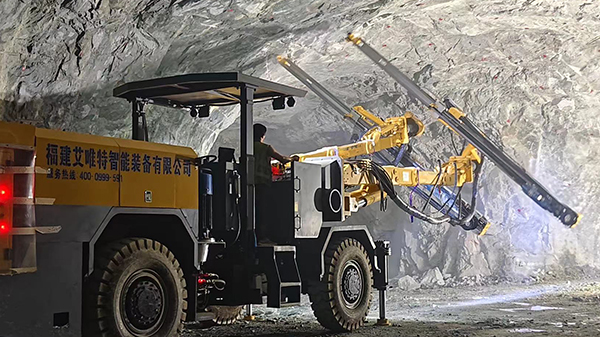
In field operations ranging from pipeline construction to underground mining, the availability of genuine portable compressor parts directly determines uptime and operating cost. A single failed separator element or worn airend bearing can stop an entire jobsite for days. Unlike stationary plant compressors, portable units operate in high dust, extreme temperatures, and variable loads – accelerating wear on filters, lubricants, and seals. This technical guide dissects the key portable compressor parts : airend (rotary screw), oil separator, air filter, pressure maintaining valve, thermal bypass valve, and aftercooler. For each component, we provide failure symptoms, OEM-grade specifications, and recommended replacement intervals based on 5,000+ field service records. Aivyter supplies a complete range of portable compressor parts for leading brands, with ISO 9001 certification and global logistics.
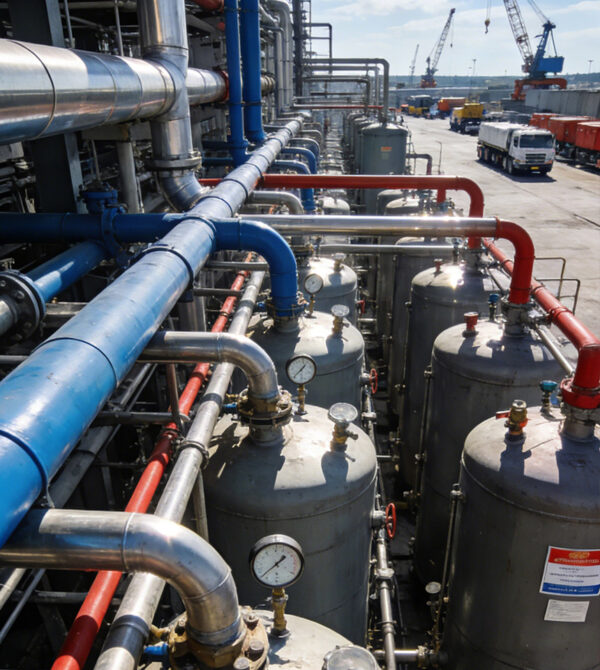
1. Anatomy of a Portable Compressor: Critical Parts and Their Functions
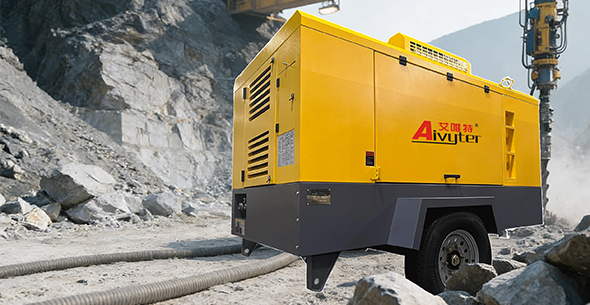
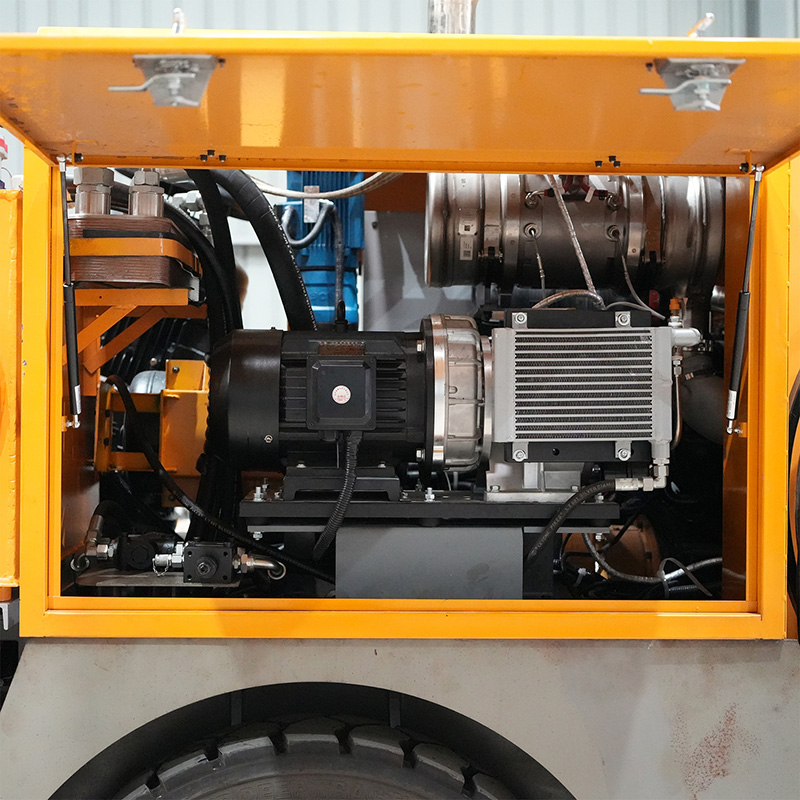
A diesel-driven portable rotary screw compressor contains over 200 distinct portable compressor parts , but the following eight components account for 90% of field failures and scheduled replacements:
- Airend (rotary screw element) – Compresses air via two intermeshing rotors; clearance between rotors < 0.05 mm.
- Oil separator (demister) – Reduces oil carryover to ≤5 ppm; coalescing media with 0.3 µm rating.
- Air filter (primary and safety) – Stops dust >10 µm (primary) and >2 µm (secondary).
- Oil filter – Maintains ISO 4406 cleanliness code 18/16/13; bypass valve set at 2.5 bar.
- Pressure maintaining valve (PMV) – Holds minimum pressure (typically 4 bar) to ensure oil circulation.
- Minimum pressure / thermal bypass valve – Directs cold oil around cooler during warm-up.
- Aftercooler (air-to-air or air-to-oil) – Lowers discharge temperature to 15–20°C above ambient.
- Safety valve – Set to relieve at 10% above maximum working pressure.
Selecting aftermarket portable compressor parts that match OEM tolerances is critical. Aivyter reverse-engineers each component with CMM measurements to ensure interchangeability.
2. Airend (Rotary Screw) – The Heart of Portable Compressor Parts
The airend is the most expensive among portable compressor parts , typically 40–60% of the unit’s value. Failure modes include:
- Bearing seizure – Caused by lubricant starvation or contamination; vibration amplitude > 11 mm/s (ISO 10816-3) indicates impending failure.
- Rotor contact (scuffing) – Results from inadequate rotor coating (PTFE or epoxy) or ingestion of solid particles.
- Reduced volumetric efficiency – Internal leakage due to worn housing or rotor profiles; FAD drops >15% from new.
Preventive replacement interval: 40,000–60,000 hours for airends in clean service, 20,000–30,000 hours for mining/drilling applications. When replacing an airend, always install a new gasket kit, bearings, and shaft seal. Aivyter provides complete airend exchange units with 12-month warranty.
3. Oil Separator Element: Performance and Change Criteria
The oil separator (coalescing filter) is a consumable portable compressor parts that must be replaced when differential pressure exceeds 0.8 bar (gauge). Symptoms of a failing separator:
- Increased oil carryover – visible oil mist from discharge.
- High sump pressure – above 2.5 bar at no load.
- Frequent low-oil level alarms despite no external leaks.
Typical service life: 1,000–2,000 hours, depending on oil quality and ambient dust. Use only separators with ISO 8573-1 Class 2 certification (≤5 mg/m³ oil). Aivyter supplies separators with 99.99% efficiency at 0.1 µm, compatible with most Ingersoll Rand, Atlas Copco, Sullair, and Kaeser portable units.
4. Air Intake Filtration: Protecting Portable Compressor Parts from Dust
Portable compressors operate in environments with dust concentrations up to 50 mg/m³ (quarries, dry riverbeds). An inadequate air filtration system allows abrasives into the airend, causing premature wear. Specification for portable compressor parts of the intake group:
- Primary filter: Efficiency 99.5% at 10 µm (per ISO 5011).
- Secondary (safety) filter: Efficiency 99.9% at 2 µm.
- Restriction indicator: Set to alarm at 50 mbar (2.0 in H₂O) above clean filter.
Change primary filter when restriction indicator shows red, or every 500 hours in heavy dust. Never run without a safety filter – it is the last line of defense. Aivyter offers a heavy-duty cyclone pre-filter for extreme conditions, extending filter life by 300%.
5. Lubrication System Components: Filters, Bypass Valves, and Hoses
The lubrication loop contains several portable compressor parts that degrade with time:
- Oil filter – Change every 500–1,000 hours (or when bypass valve opens). Use 10 µm absolute rating with 300 kPa burst strength.
- Thermal bypass valve (wax element type) – Opens at 55–60°C to allow oil flow to cooler. Failure (stuck closed) leads to overheating; failure stuck open causes prolonged low temperature and water condensation. Test annually.
- Oil hoses (wire braided) – Replace every 5 years regardless of condition; aged rubber can burst, causing fires.
Oil analysis every 500 hours (viscosity, TAN, water content, particle count) helps schedule filter changes and predict bearing wear. Aivyter offers a complete lube kit including filter, bypass valve, and O-rings for major brands.
6. Cooling System Components: Radiator, Fan, and Thermostat
Overheating is a top failure cause for portable compressor parts in high ambient areas. Critical cooling parts:
- Combined radiator (engine coolant + compressor oil cooler) – Fins must be cleaned daily with compressed air. Bent fins reduce heat transfer by 15–30%.
- Hydraulic fan motor (or belt-driven fan) – Fan speed should maintain oil temperature ≤ 105°C at 45°C ambient. Replace fan blades if cracks appear.
- Thermostatic mixing valve (for liquid-cooled engines) – Fails to closed position causing overheating; test by measuring upper and lower radiator hose temperatures.
Annual chemical flush of the cooling circuit removes scale and deposits. Aivyter provides bolt-on replacement radiator cores with increased fin density for retrofit upgrades.
7. Pressure Control and Safety Devices
These portable compressor parts protect the unit from overpressure and ensure stable operation:
- Pressure maintaining valve (PMV) – Holds 4–5 bar in the separator tank during startup. If stuck open, airend does not receive oil flow (rapid failure). Replace every 4,000 hours or at first sign of weeping.
- Minimum pressure valve / check valve – Prevents backflow from air receiver. Leakage causes pressure drop and re-start difficulty.
- Safety relief valve – Test manually every 500 hours (pull ring). Set pressure stamped on body; replace if leaks or does not reseat properly.
- Pressure transducer – Calibrate annually against a master gauge; drift >3% requires replacement.
Aivyter stocks PMV kits with Viton seals for high-temperature applications (up to 150°C).
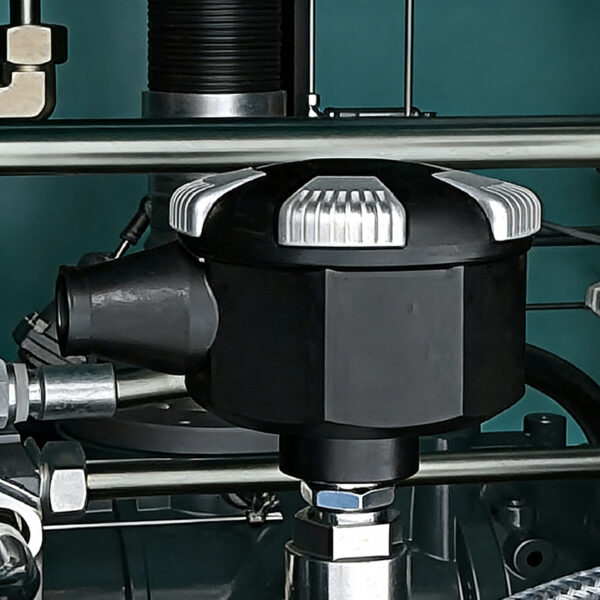
8. Common Failure Modes and Diagnostic Guide for Portable Compressor Parts
Field technicians can quickly isolate faulty portable compressor parts using the table below:
| Symptom | Likely failed part | Diagnostic test |
|---|---|---|
| High discharge temperature (>115°C) | Thermal bypass valve stuck closed; radiator clogged; oil filter bypass open | Measure oil cooler inlet/outlet temperature difference (<15°C indicates cooler issue) |
| Excessive oil consumption | Separator element; oil return line orifice blocked; piston ring wear | Check oil carryover at discharge; measure sump pressure at no load |
| Low capacity (FAD) | Airend wear; intake filter clogged; PMV stuck partially open | Measure pressure drop across air filter; perform capacity test with orifice plate |
| Unusual noise (metallic knock) | Airend bearing failure; loose coupling; fan blade contact | Vibration analysis (peak velocity >7 mm/s RMS – replace bearing) |
| Frequent safety valve lifting | Pressure transducer or regulator failure | Attach calibrated gauge to service valve; compare to panel reading |
For a detailed fault tree, Aivyter provides a mobile app with step-by-step diagnostics for all major portable compressor parts.
9. Maintenance Schedules and Spare Parts Inventory Planning
For a fleet of portable compressor parts , the following inventory levels prevent downtime (per 10 units operating 2,000 hours/year):
- High consumption (stock 20% of fleet) – Air filters, oil filters, separator elements, V-belts, fuel filters.
- Medium consumption (stock 10%) – Pressure maintaining valves, thermal bypass valves, oil hoses, fan belts, pressure transducers.
- Low consumption but critical (stock 1–2 units) – Airend exchange, radiator core, safety valves, starter motor.
Store elastomeric parts (gaskets, O-rings) in climate-controlled area (15–25°C, <50% RH) to prevent hardening. Aivyter offers consignment stock programs for large fleets, guaranteeing 48-hour delivery of any portable compressor parts to major mining regions.
10. Aftermarket vs. Genuine Portable Compressor Parts: Quality Metrics
When sourcing portable compressor parts from aftermarket suppliers, verify these technical attributes:
| Component | Genuine OEM spec | Acceptable aftermarket equivalent | Red flags |
|---|---|---|---|
| Separator element | Borosilicate microfibre, 0.3 µm rating | Same media grade with ISO 8573-1 test report | No efficiency curve; weight <80% of OEM |
| Airend bearings | SKF/FAG C3 clearance, high-temperature grease | Branded equivalents with same clearance class | No-name bearings; missing C3 designation |
| PMV valve | Brass body, EPDM seal, set pressure 4.5±0.2 bar | Same set pressure and seal material (NBR not acceptable for high temp) | No set pressure marking; non-adjustable |
| Air filter element | Cellulose-synthetic blend, 99.5% at 10 µm | ISO 5011 test report required | Pleat count <70% of OEM; glue bleed |
Aivyter parts are manufactured in ISO 9001:2025 facilities and undergo third-party validation to ensure interchangeability with OEM specifications.
11. Case Study: Reducing Downtime with Fast Access to Portable Compressor Parts
A mining contractor in Western Australia operated a fleet of 18 portable compressors (900–1,200 cfm). Frequent failures of oil separators and pressure maintaining valves caused an average of 84 hours of downtime per month. After switching to Aivyter for portable compressor parts , they implemented:
- On-site consignment inventory of high-wear parts.
- Quarterly oil analysis and proactive bearing replacement.
- Retrofit of high-efficiency separators (reduced oil carryover from 8 ppm to 2 ppm).
After 12 months, unscheduled downtime fell by 73%, and annual parts cost decreased 22% compared to original OEM suppliers. The full report is available on request from Aivyter.
Frequently Asked Questions (FAQ) About Portable Compressor Parts
Q1: How often should I replace the oil separator element in a portable compressor?
Q2: Can I use automotive oil filters as substitutes for genuine compressor parts?
Q3: What are the signs that the airend needs replacement?
Q4: How to verify compatibility of aftermarket parts with my compressor brand?
Q5: How to request a quote for a complete spares kit for my portable compressor fleet?
Need reliable, test-verified portable compressor parts for your job site? Aivyter stocks over 5,000 SKUs of portable compressor parts , including airends, separators, filter kits, and valve assemblies. Request a free parts cross-reference, failure analysis, or consignment proposal. Fill out the form below to receive a technical datasheet and quotation within 24 hours.
Send Portable Compressor Parts Inquiry →
© 2026 Aivyter – Industrial parts engineering. Performance data based on field failure analysis and laboratory tests.
about
Aivyter
We provides trusted air compressors and mining equipment, engineered for durability, efficiency, and demanding industrial applications.