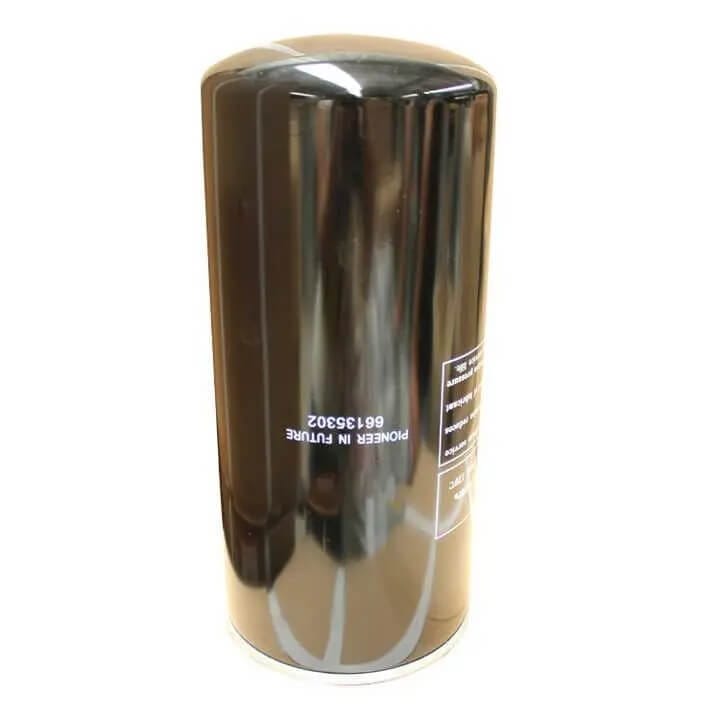
In industrial manufacturing, compressed air is routinely managed as a fourth utility alongside electricity, water, and gas. However, up to 75% of the total operating cost of an industrial compressor across a ten-year lifecycle is attributed directly to electrical energy consumption. Maintaining mechanical efficiency depends on the integrity of internal wear components. Systematically upgrading and replacing critical air compressor spare parts directly stabilizes system pressure, controls operating temperatures, and minimizes parasitic load losses. Engineering insights provided by Aivyter indicate that proactive replacement of filtration and separation elements prevents catastrophic rotary screw wear while dramatically lowering the total cost of ownership (TCO).
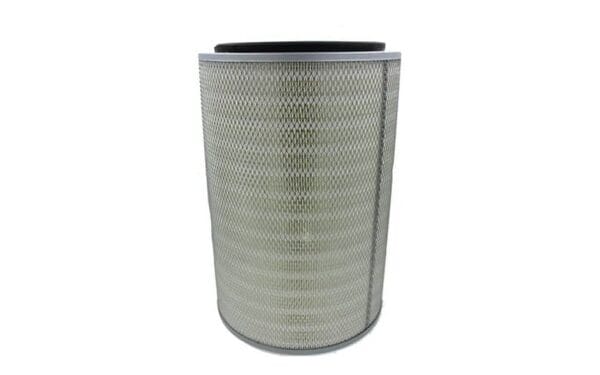
The Financial Engineering of Air Compressor Components: Energy Efficiency vs. Degradation
Over 30% of unplanned air compressor shutdowns stem from the degradation of secondary components rather than main motor or airend mechanical lockups. When small consumable parts degrade, they force the primary driver to work harder to maintain baseline delivery pressures, creating compounding operational costs.
- Differential Pressure ($\Delta P$) Losses: A pressure drop of just 0.14 bar (2 PSI) across a restricted air filter or air-oil separator increases motor energy consumption by approximately 1%. Over a 4,000-hour operational cycle on a 100 kW compressor, this translates to thousands of dollars in wasted power.
- Thermal Stress and Varnish Formation: Worn thermostatic valves or clogged oil coolers allow thermal spikes above 95°C. Elevated operating temperatures accelerate lubricant breakdown, causing varnish deposits on rotors, bearings, and valve seats.
- Contaminant Carryover: Failed separators lead to oil carryover exceeding 5 ppm. Excessive oil contamination in downstream piping ruins desiccant air dryers, fouls pneumatic actuators, and contaminates final manufactured goods.
Critical Engineering Specifications for Essential Spare Parts
To preserve ISO 8573-1 air quality standards and protect internal clearances within rotary screw and reciprocating compressors, specific mechanical standards must be maintained across all critical air compressor spare parts.
1. Air Intake Filters
The primary defense against ambient particulate matter. High-grade intake filters utilize pleated synthetic micro-glass or treated cellulose media capable of removing 99.9% of particles down to 3 microns. Standard paper filters tend to absorb ambient humidity, causing structural collapsing under high suction pressure.
2. Air-Oil Coalescing Separators
Oil-injected rotary screw compressors rely on deep-bed micro-fiber glass coalescing media to separate aerosolized oil from the discharge air stream. Quality replacement separators keep oil carryover levels below 2 to 3 mg/m³ (ppm), protecting both air quality and compressor fluid volumes.
3. Thermostatic and Minimum Pressure Valves
Thermostatic valves regulate fluid movement to the cooler based on fluid temperature, preventing condensation build-up inside the oil sump. Minimum pressure check valves ensure the compressor maintains a baseline internal pressure (typically 3.5 to 4.5 bar) during unloaded running states, maintaining essential lubrication flow.
4. Spin-On Oil Filters
Precision oil filtration elements remove metallic debris and carbon particulates generated during thermal cycles. Modern high-pressure oil filters feature synthetic media with beta ratios of $\beta_{10} \ge 75$, ensuring high dirt-holding capacity without triggering bypass valves during cold starts.
Technical Specification and Component Durability Matrix
Selecting appropriate replacement hardware requires balancing material properties against targeted service lifetimes and allowable differential pressures.
| Component Type | Optimal Structural Material | Service Life (Operating Hours) | Max Allowable $\Delta P$ | Primary Failure Mode |
|---|---|---|---|---|
| Intake Air Filter | Synthetic Micro-Glass / Nanofiber | 2,000 – 4,000 hrs | 0.05 bar (0.7 PSI) | Media Blinding & Structural Collapse |
| Air-Oil Separator | Borosilicate Glass Fiber / Stainless Steel Mesh | 4,000 – 8,000 hrs | 0.80 bar (11.6 PSI) | Coalescer Saturation & High Oil Carryover |
| Oil Filter Element | Synthetic Fiber with Viton Seals | 2,000 – 4,000 hrs | 0.35 bar (5.0 PSI) | Bypass Valve Opening & Particle Recirculation |
| Minimum Pressure Valve | Anodized Aluminum / Stainless Steel Spring | 16,000 – 20,000 hrs | N/A | Seal Degradation & Internal Leakage |
| Thermal Drain Valve | Brass Housing / Fluorocarbon O-Rings | 8,000 – 12,000 hrs | N/A | Sticking / Failed Temperature Sensing Element |
Procurement Strategy: OEM vs. Precision Aftermarket Spare Parts
When sourcing industrial air compressor spare parts, procurement managers must weigh strict OEM specifications against engineered aftermarket alternatives. Low-cost replacement parts often suffer from inferior seal materials (such as standard NBR instead of high-temperature Fluorocarbon/Viton) and inconsistent media density, leading to premature element failure.
High-tier technical manufacturers such as Aivyter engineer aftermarket elements to match or exceed original factory tolerance limits. Micron-level fitment ensures complete sealing within the housing, preventing un-filtered air bypass and minimizing system friction losses. Utilizing precisely matched components allows plant engineers to achieve lower operational overhead without compromising equipment reliability or lifetime expectancy.
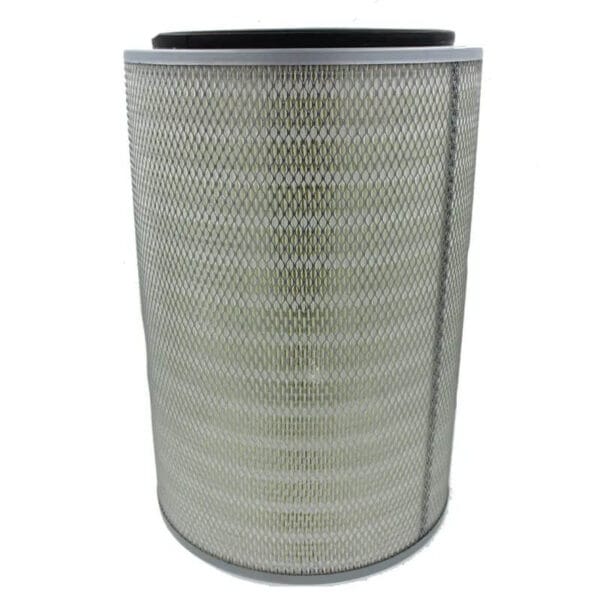
Predictive Maintenance: Moving from Fixed Hours to Condition Monitoring
Relying solely on fixed hourly service intervals (e.g., standard 3,000-hour service calls) often results in either premature part replacement or undetected inline restriction. Integrating sensor-driven dynamic maintenance strategies optimizes part usage.
- Differential Pressure Sensors: Installing continuous pressure transducers across air filters and separator vessels provides real-time data on element clogging, triggering replacements based on actual resistance rather than estimated run time.
- Fluid Degradation Analysis: Periodic spectrographic oil sampling identifies microscopic trace metals (copper, iron, silica). Sudden spikes indicate bearing surface wear or compromised air intake filtration long before catastrophic failure occurs.
- Thermal Profile Tracking: Monitoring variance between airend discharge temperatures and cooler inlet/outlet points identifies sticking thermal control valves or internal cooler fouling early.
Frequently Asked Questions
1. How does a dirty air filter increase air compressor electrical consumption?
A restricted air filter reduces the mass flow of air entering the compression chamber. To compensate and deliver the required system discharge pressure, the compressor motor must operate under higher thermal and mechanical loading, increasing electrical draw by up to 2% for every 0.1 bar of pressure drop.
2. What are the main causes of high oil consumption and carryover?
Excessive oil carryover typically stems from a saturated or ruptured air-oil separator element, an improperly functioning oil return (scavenge) line check valve, overfilling the oil sump, or running the compressor at pressures below design parameters, which prevents proper coalescing action.
3. Can synthetic lubricants extend the service life of internal spare parts?
Yes. Premium synthetic lubricants (such as Polyalphaolefin or Ester-based fluids) resist oxidation and thermal breakdown significantly better than mineral oils. They reduce sludge formation, run cooler, and extend the functional lifespan of oil filters, shaft seals, and air-oil separators by up to 100%.
4. What is the operational risk of running an air compressor with a faulty minimum pressure valve?
A failed minimum pressure valve can allow system pressure to backfeed into the compressor during unloaded states, or prevent the compressor from building sufficient internal pressure upon startup. This leads to improper oil circulation, starved lubrication to the airend bearings, and potential rotor damage.
5. How do I verify if aftermarket replacement parts match original OEM quality?
Check that the component supplier provides detailed engineering specifications, including micron ratings, collapse pressure limits, temperature resistance, and ISO quality standard certifications (such as ISO 8573 for air purity and ISO 12500 for filter testing protocols).
Optimize Your Compressed Air Network with Aivyter
Maintaining a reliable compressed air installation requires zero tolerance for low-grade replacement components. High-precision engineering, strict quality control, and robust structural design are necessary to keep utility costs low and output stable. Contact the technical team at Aivyter today to analyze your maintenance schedule, audit component pressure drops, and source heavy-duty air compressor spare parts tailored to your specific plant configuration.
about
Aivyter
We provides trusted air compressors and mining equipment, engineered for durability, efficiency, and demanding industrial applications.