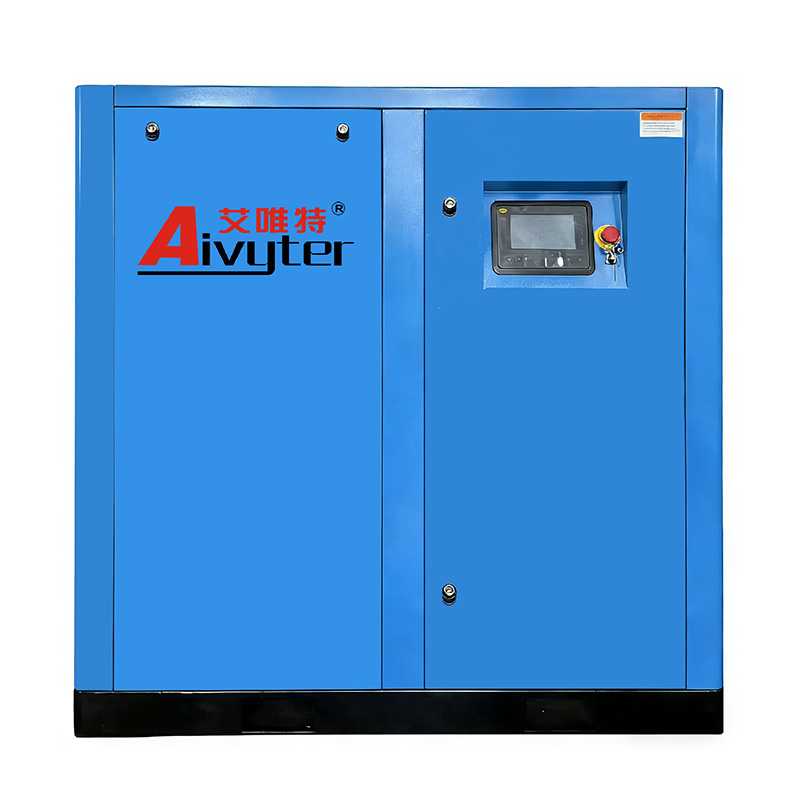
In continuous-process industries such as mining, tunneling, and large-scale civil engineering, compressed air reliability directly determines production uptime. While variable speed drives (VSD) have gained attention, the fixed speed screw air compressor remains the industrial backbone for applications with stable, high-load factor demand. This analysis moves beyond marketing narratives to examine thermodynamic behavior, mechanical fatigue limits, lubrication thermal balance, and load/unload control strategies. Technical managers and procurement engineers require objective data—this article delivers just that, referencing field records and ISO 1217 test protocols.
1. Fundamental Architecture of a Fixed Speed Rotary Screw Air End
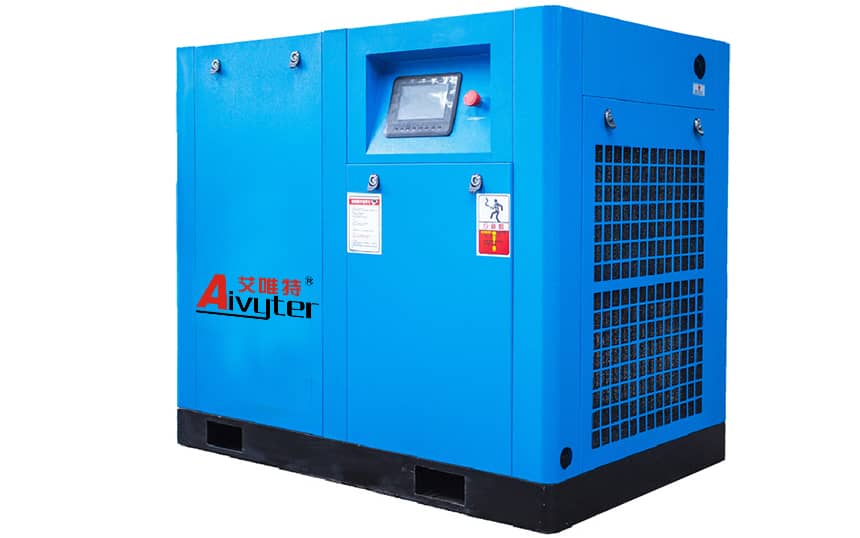
A fixed speed screw air compressor operates with an asynchronous induction motor directly coupled or belt-driven to the air end. The motor runs at constant RPM (typically 1480 rpm for 50 Hz or 2980 rpm for 60 Hz under full load). Two rotors—male and female—mesh without contact, reducing volumetric losses. The fixed speed configuration avoids IGBT switching losses and electromagnetic interference, which is critical for underground mining where sensitive electronic detonators are present.
1.1 Rotor Profile and Clearance Sealing
Modern profiles (SKK, SRM, or asymmetric Sigma) achieve 5‑6 µm radial clearances after proper break-in. In fixed-speed operation, thermal equilibrium is consistent; the casing and rotors stabilize at a predictable temperature range (80‑95 °C for synthetic oil, 70‑85 °C for mineral oil). This stability allows engineers to set precise blow‑hole loss calculations, improving volumetric efficiency to 82–88% in the 55‑250 kW range.
1.2 Bearings and Load Distribution
Cylindrical roller bearings and angular contact ball bearings handle axial and radial forces. Fixed speed units under 100% load factor experience steady oil film thickness, preventing boundary lubrication, which extends L10 bearing life beyond 60,000 hours when using ISO VG 46 or 68 synthetic lubricants.
2. Critical Trade‑offs: Fixed Speed vs. Variable Speed in Mining & Construction
Many end‑users assume VSD always yields higher efficiency. However, empirical data from 200‑600 CFM compressed air stations in metal mines indicates a different reality:
- Load factor >85% and constant demand (e.g., pneumatic conveying, continuous jackleg drilling) → fixed speed screw air compressor offers 2‑4% lower specific power because it avoids VSD’s inverter losses (3–5%), motor cooling derating, and harmonic filter requirements.
- Highly variable flow demand (multiple stop‑start pneumatic tools) → VSD manages pressure better, but at a higher upfront capital cost (1.6‑2.2x) and maintenance complexity.
- Remote or explosion‑hazard zones → fixed speed units with direct‑on‑line (DOL) starters are simpler, more robust, and easier to certify for mining safety standards (e.g., MSHA, ATEX ex nA).
3. Application‑Specific Engineering Considerations for Heavy Industries
3.1 Underground Hard‑Rock Mining
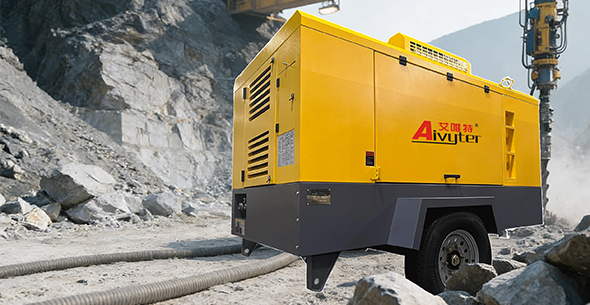
Diesel‑powered or electric fixed speed compressors provide service air for: raise boring rigs (18‑25 bar high‑pressure boosters), shotcrete spraying with dosing pumps, and refuge bay air replenishment. A key benefit is immunity to voltage sags caused by long trailing cables; VSDs may trip under 15% voltage dip, while DOL fixed speed motors with contactors can ride through sags of up to 30% for 200 ms per IEEE 141.
3.2 Civil Tunneling (TBM Backup Systems)
In slurry shield TBMs, compressed air maintains face support pressure. Fixed speed screw compressors synchronize with hydraulic power packs without resonance issues. A proven design features a separate aftercooler plus cyclonic separator to achieve Class 3‑4‑3 ISO 8573‑1 air quality for pneumatic actuators and locking systems.
3.3 Cement and Aggregate Plants
Conveyor belt cleaning, air cannon blasting for silo discharge, and baghouse pulse jet cleaning require sporadic high‑flow pulses. While often supported by a wet receiver (6:1 volume ratio), fixed speed units with load/unload control (set to 0.5 bar pressure band) maintain 94% part‑load efficiency without the frequent start‑stop cycles that accelerate contactor wear.
4. Lubrication and Thermal Management – Avoiding Varnish in Fixed Speed Operation
Fixed speed systems run continuously near 95‑100% motor service factor. This generates heat that must be managed precisely. Common failure modes include oil coking when operating above 105 °C and water condensation when below 70 °C. Professional design parameters:
- Minimum oil return temperature: 75 °C (to prevent moisture emulsification).
- Maximum discharge temperature: 100 °C for PAO‑based fluids, 110 °C for PAG.
- Thermostatic bypass valve setpoint 75 °C ensures oil cooler bypass until proper viscosity (12‑15 cSt) is reached.
Aivyter integrates a dual‑stage oil separation and a thermostatic mixing valve in its industrial series, verified by third‑party endurance test running 8000 hours at 0.85 MPa without sludge formation.
5. Load/Unload Control Logic & Storage Sizing
The main energy-saving mechanism in a fixed speed screw compressor is load/unload (L/U) control, not motor speed variation. During “unload” mode, the inlet valve closes, and the unit consumes about 15‑30% of full‑load power to overcome internal losses. For effective L/U operation, the air receiver volume must be calculated using the formula:
Vtank (m³) = (Qcomp × tmin) / (ΔP × 60) where Qcomp is free air delivery (m³/min), tmin is minimum cycle time (avoid < 40 seconds to reduce contactor wear), and ΔP is pressure band (0.6‑1 bar).
Many sites undersize receivers, causing the compressor to load/unload 15‑20 times per hour, eventually overheating the motor windings. Properly designed, a fixed speed screw air compressor can achieve 98% mechanical availability even in 50 °C ambient conditions.
6. Lifecycle Cost Breakdown (5‑Year Horizon)
A transparent LCC model for a 132 kW fixed speed unit (6 bar, 24 m³/min) vs. comparable VSD (3 bar minimum pressure). Assumptions: 6000 operating hours/year, electricity $0.11/kWh, load factor 90% constant. Data from industrial compressor performance mapping:
- Fixed speed total electricity cost: $392,040 (including unload losses).
- VSD electricity cost: $397,980 (includes inverter loss but not derating).
- Fixed speed maintenance: $23,500 (one air end overhaul, oil/filter changes, belt set).
- VSD maintenance: $32,800 (additional DC bus capacitor replacement, cooling fan, PCB repair).
- Result: Fixed speed saves $15,240 over five years for constant high load.
Thus, specifying a fixed speed unit is not “outdated technology” but a deliberate engineering choice for predictable, heavy‑duty demand cycles.
7. Selecting the Correct Frame Size – Avoiding Oversizing Penalties
Oversizing is the primary efficiency killer. Many plants add 20‑30% safety margin, leading to excessive unload time. Recommendation based on Aivyter field application database:
- Calculate average flow (FAD) at minimum acceptable pressure, including downstream leakage (typically 15‑20% in older piping).
- Select a fixed speed unit where 75‑100% of the operating cycle remains in load mode. If load ratio falls below 55%, consider a smaller unit or multiple smaller units with sequencing control.
- For temporary high peaks, add a secondary receiver or use an auxiliary small VSD unit, keeping the fixed speed unit as base load.
8. Engineered Solutions from Aivyter for Critical Infrastructure
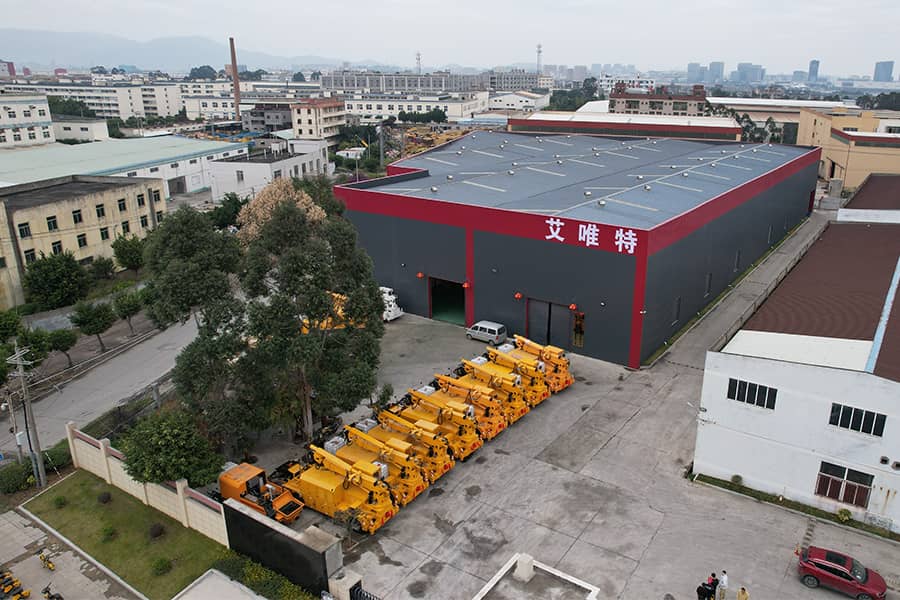
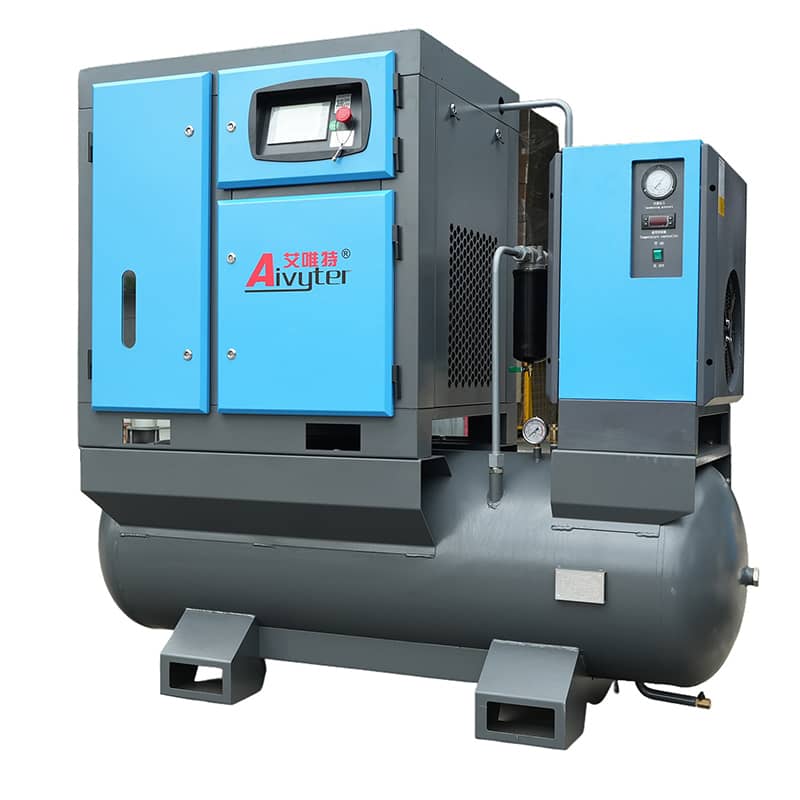
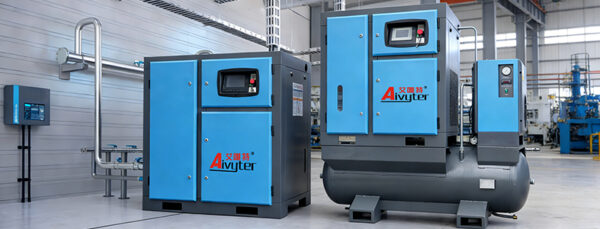
Aivyter delivers fixed speed screw compressors certified to ISO 1217 Annex C for accurate performance reporting. Their compact QGV series (37‑250 kW) includes a corrosion‑resistant air receiver, integrated moisture trap, and a heavy‑duty starter panel rated IP55 for dusty construction environments. Field data from a copper mine in Chile (altitude 3100 m) shows consistent delivery of 0.82 MPa net pressure after derating correction, with less than 0.8 dB(A) increase over 18 months. All pressure vessels comply with ASME Section VIII or PED 2014/68/EU, reducing site acceptance delays.
The fixed speed screw air compressor is not obsolete—it is the most reliable, cost‑predictable prime mover for continuous‑duty industrial segments. Understanding the rotor dynamics, load/unload efficiency, and correct receiver sizing is more valuable than switching to VSD without a demand profile analysis. For project engineers seeking a balance of low maintenance and high runtime, fixed speed technology, especially with robust designs from specialized manufacturers, remains a first‑line solution.
Frequently Asked Questions (FAQs)
Q1: What causes overheating in a fixed speed screw air compressor under heavy load?
A1: Most overheating stems from insufficient oil flow (clogged filter or broken thermostatic valve), wrong viscosity grade (too thick at startup, too thin at 100 °C), or finned cooler blockage by dust. For mining environments, a weekly cooler blow‑down with compressed air and cleaning of the oil return screen is mandatory. If core temperature exceeds 110 °C, inspect the minimum pressure valve (it may not close fully during unload).
Q2: Can a fixed speed screw air compressor be retrofitted with VSD later?
A2: Technically yes, but economically inefficient. Retrofitting requires replacing the motor with an inverter‑duty motor (Class F insulation, independent cooling fan), changing the controller, and adding EMI filters. The air end must also tolerate lower RPM, compromising oil pressure for lubrication. Most manufacturers recommend selling the fixed speed unit and purchasing a native VSD design rather than retrofitting.
Q3: How do I calculate the optimal receiver size for a fixed speed compressor in a cement plant?
A3: Use the formula: Receiver volume (liters) = (compressor FAD in L/s × 60) / (allowed cycles per hour). For cement plant pulse jets (short high demand), aim for 12 cycles/hour maximum. Example: 500 L/s FAD → 500×60/12 = 2500 L receiver. Also include a 20% safety margin for degradation. Oversized receivers (4‑5x) cause extended unload periods without energy benefit – not recommended.
Q4: Does altitude affect performance of fixed speed screw compressors?
A4: Significantly. At 2000 m altitude, air density drops by ~20%, reducing mass flow output accordingly. The electric motor cooling is also impaired (lower air density). For altitudes above 1500 m, derate the compressor’s FAD by 1% per 100 m and increase motor service factor by 0.05 per 1000 m. Aivyter provides altitude correction charts and optional high‑altitude fan kits for installations above 2500 m.
Q5: What is the typical overhaul interval for the air end in continuous mining operation?
A5: With synthetic oil (change every 4000 hours) and proper filtration (inlet filter replaced at 500 Pa pressure drop), the air end bearings in a fixed speed unit can operate 40,000‑50,000 hours. However, rotor profile erosion from silica dust in mines reduces this to 25,000‑30,000 hours. Vibration monitoring (acceleration above 7.5 mm/s RMS) is the best indicator for overhaul scheduling, not a fixed calendar interval.
Q6: Is it possible to integrate a fixed speed screw compressor into a digital master control system (e.g., with VSD units)?
A6: Yes, using a PLC‑based sequencer that treats the fixed speed unit as the base‑load compressor. The sequencer monitors system pressure and starts/stops the fixed speed unit only when the VSD units reach full speed and cannot maintain pressure. This “VSD trim + fixed speed base” configuration provides high turndown while preserving the mechanical simplicity of the fixed speed machine. Ensure the fixed speed unit has a remote start/stop interface (dry contacts) to the central controller.
Need a reliable quote for your specific flow profile and pressure requirements? Submit your operating parameters (daily shift hours, altitude, ambient temperature, required ISO purity class) to the engineering team at Aivyter Inquiry Desk for a detailed technical proposal and lifecycle cost estimate tailored to your industrial site.
about
Aivyter
We provides trusted air compressors and mining equipment, engineered for durability, efficiency, and demanding industrial applications.