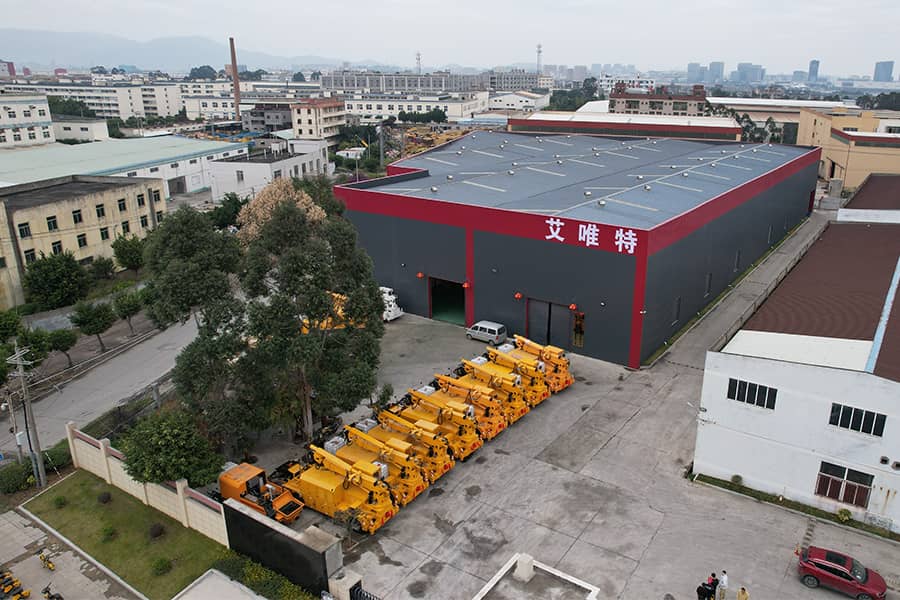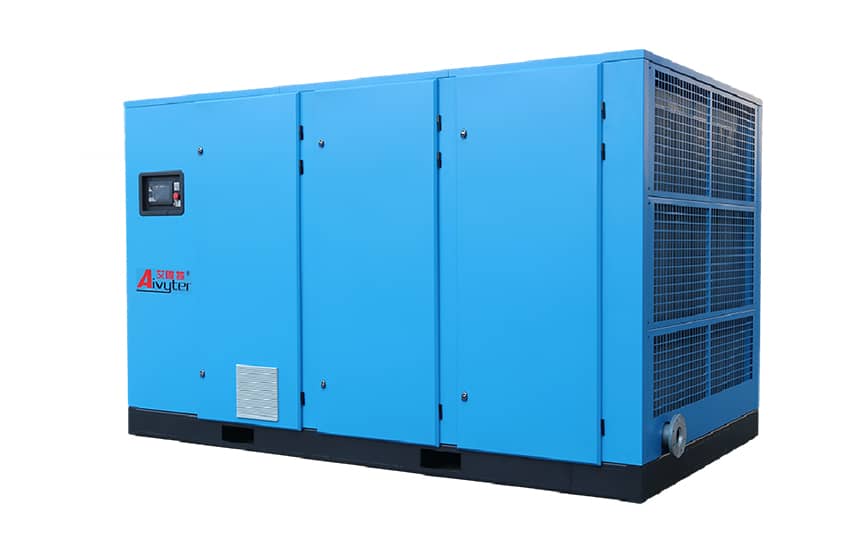
Industrial facilities rely on stable gas supplies to maintain steady operational output. For decades, standard practices involved purchasing bulk liquid oxygen or high-pressure gas cylinders. However, logistical delays, handling hazards, and vaporisation losses have prompted industrial operators to transition to decentralized production. Utilizing an on-site o2 generator allows plants to generate their own supply directly from ambient air. This transition is highly evident in sectors such as mining, wastewater treatment, and chemical processing, where uninterrupted gas delivery is a fundamental requirement. Engineering developments by manufacturers like Aivyter have enabled these systems to achieve high operational reliability under diverse environmental conditions.
The Engineering Mechanics of Pressure Swing Adsorption (PSA)
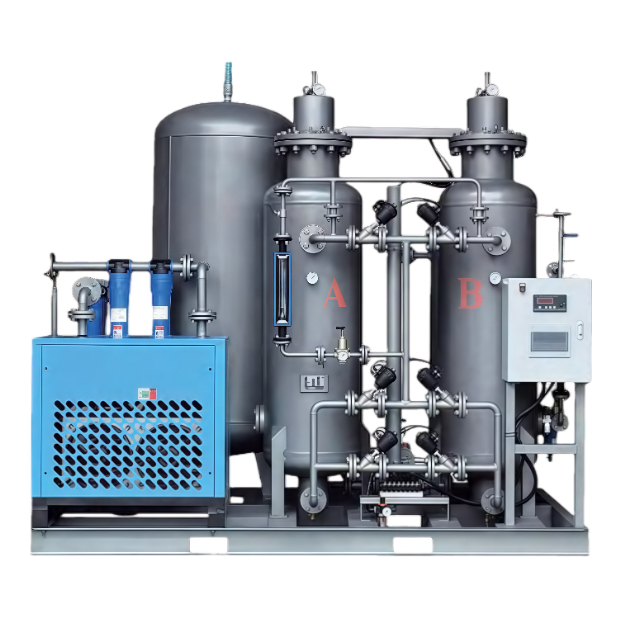
To understand the functionality of a modern o2 generator, one must analyze the Pressure Swing Adsorption cycle. This process separates oxygen from ambient air by exploiting the adsorption characteristics of synthetic zeolites. Under high pressure, the zeolite molecular sieve (ZMS) selectively adsorbs nitrogen molecules while allowing oxygen to pass through as a product gas.
The system utilizes a dual-vessel configuration to ensure a continuous supply:
- Adsorption Phase: Compressed air enters the first vessel. Nitrogen is trapped in the pore structure of the ZMS, and oxygen flows out to the receiver tank.
- Desorption Phase: Before the ZMS becomes saturated with nitrogen, the feed air is diverted to the second vessel. The pressure in the first vessel is reduced to atmospheric level, releasing the adsorbed nitrogen into the atmosphere.
- Purge Phase: A small portion of the produced oxygen is passed back through the regenerating bed to sweep out remaining nitrogen molecules, preparing the vessel for the next cycle.
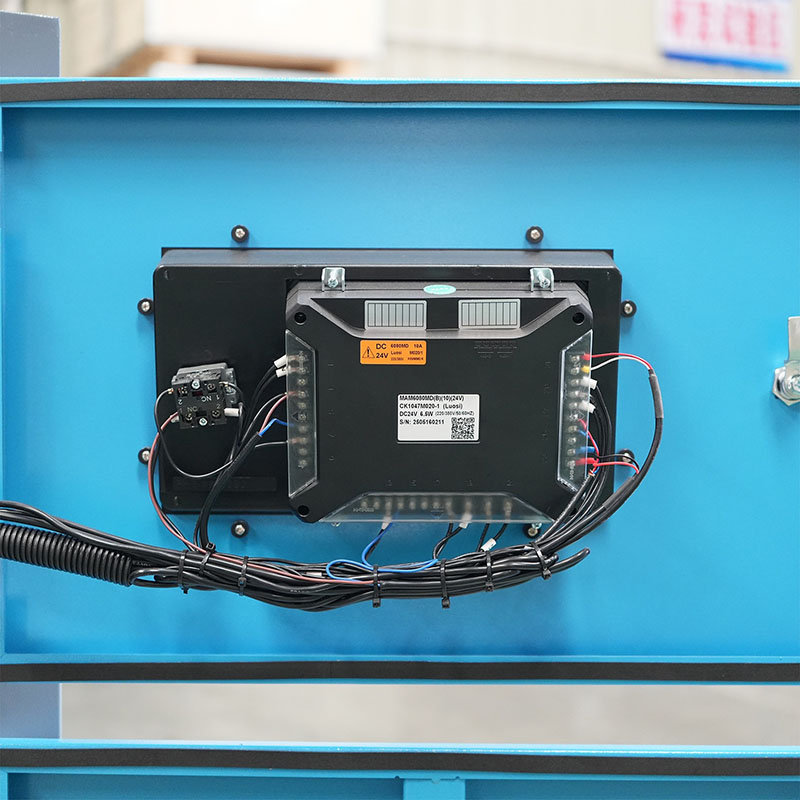
This cyclic process operates continuously, regulated by a programmable logic controller (PLC) that manages pneumatic valves. The purity achieved typically ranges from 93% to 95%, which is sufficient for most industrial applications.
Key Industrial Applications and Process Integration
The implementation of decentralized gas production spans several heavy industries, each requiring specific flow profiles and purity levels to support their specific chemical and physical reactions.
Gold Cyanidation and Hydrometallurgy
In gold extraction, oxygen plays a necessary role in the leaching process. The Elsner Equation governs cyanidation, requiring dissolved oxygen to oxidize gold in the presence of cyanide. Ambient air dissolution often fails to provide sufficient oxygen levels, limiting recovery rates. Introducing gas from an on-site o2 generator directly into the slurry tanks increases dissolved oxygen concentrations. Consequently, reaction kinetics accelerate, leach times decrease, and overall gold recovery rates improve.
Wastewater Treatment and Environmental Engineering
Biological treatment processes require oxygen to sustain aerobic microorganisms that digest organic pollutants. Traditional aeration systems using ambient air are less efficient due to lower oxygen transfer rates. By utilizing pure oxygen streams, facilities can maintain higher mixed liquor suspended solids (MLSS) concentrations. This reduces the footprint of aeration tanks, controls foaming, and handles sudden spikes in chemical oxygen demand (COD) more effectively.
Glass Production and Metallurgy
In combustion processes, substituting air with high-purity oxygen yields significant benefits. Oxy-fuel combustion eliminates the ballast nitrogen present in atmospheric air, raising flame temperatures and improving thermal efficiency. This modification reduces nitrogen oxide (NOx) emissions and lowers fuel consumption in melting furnaces. Metal processing facilities, such as steel mills and foundries, similarly utilize oxygen for lancing, cutting, and decarburization processes.
System Architecture and Component Engineering
A complete gas generation setup requires several sub-systems working in tandem. The performance of the o2 generator is heavily dependent on the quality of the incoming feed air. Therefore, the complete package includes:
- Air Compression Unit: Delivers the required volumetric flow of air at the necessary pressure, typically between 6.0 and 8.0 bar.
- Air Purification Train: Consists of water separators, coalescing filters, and active carbon towers to remove moisture, liquid aerosols, oil vapors, and particulate matter. Hydrocarbon contamination must be avoided as it can degrade the ZMS material.
- Air Dryer: Usually a refrigerated or desiccant dryer that reduces the pressure dew point of the air, preventing water condensation within the adsorbent beds.
- Adsorption Vessels: The core of the Aivyter system where the pressure swing separation occurs.
- Oxygen Buffer and Surge Tanks: Stabilize the pressure and flow fluctuations caused by the cyclic switching of the adsorption beds.
- Booster Compressor: Used if the application requires high-pressure oxygen delivery, such as cylinder filling stations or high-pressure laser cutting.
Operational Parameters for System Selection
When selecting a gas generation system, design engineers must evaluate several factors:
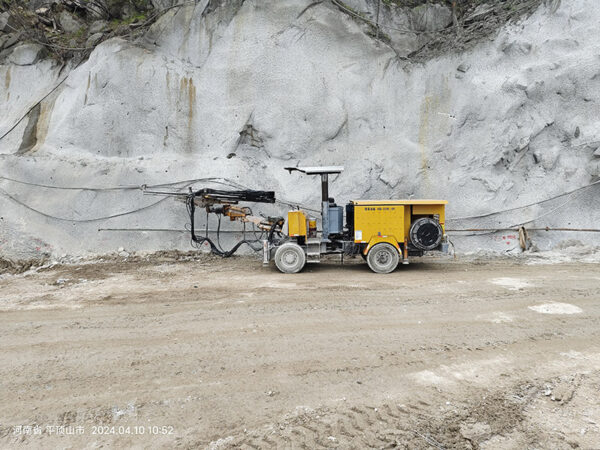
- Altitude and Ambient Temperature: High altitude reduces atmospheric pressure and air density, which decreases the volumetric output of the feed air compressor. Systems operating at high elevations, such as high-altitude mining operations, require oversized compressors and adjusted cycle times.
- Flow Rate Requirements: Peak demand versus average consumption must be calculated. Oversizing causes inefficient cycling, while undersizing leads to pressure drops during peak operations.
- Purity Requirements: While some chemical processes require 99% purity (which typically requires cryogenic distillation), 93-95% oxygen is ideal for metallurgical, mining, and biological treatment processes.
An industrial o2 generator must be sized with these variables in mind to ensure operational stability over years of continuous service. Proper maintenance of the air purification train prevents adsorbent degradation and maintains stable output.
Custom Engineering and Consultative Solutions
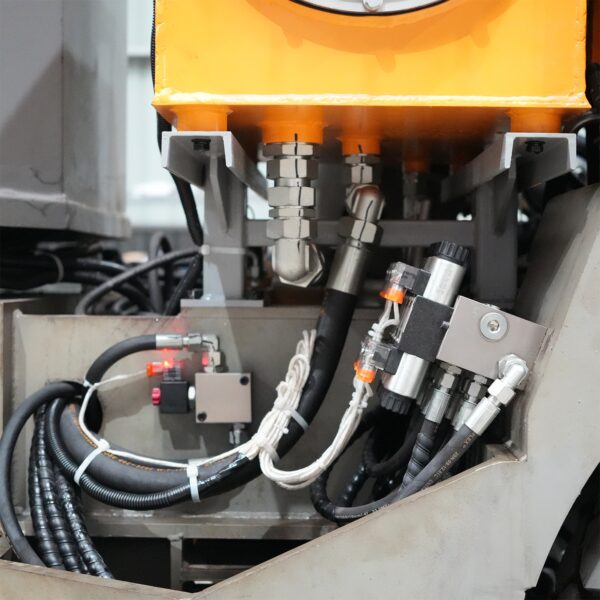
Every industrial facility possesses unique operational constraints, spatial limitations, and gas consumption patterns. Off-the-shelf equipment rarely meets the specific demands of complex engineering projects. Aivyter provides specialized engineering support, helping operators design and integrate modular gas generation systems tailored to precise design parameters.
For detailed engineering specifications, system dimensioning, and configuration proposals, please contact our engineering team to submit an inquiry. Our representatives can assist in configuring a system that aligns with your operational parameters and process requirements.
Frequently Asked Questions
Q1: What is the expected operational lifespan of the Zeolite Molecular Sieve (ZMS) in a PSA system?
A1: Under normal operating conditions with high-quality feed air (free of liquid water, oil vapor, and particulate contamination), the ZMS in a high-quality PSA system can last for 10 to 15 years. Proper maintenance of the air filtration and drying systems is key to achieving this lifespan.
Q2: How does temperature affect the performance of an oxygen generator?
A2: Elevated ambient temperatures reduce air density and can decrease the adsorption capacity of the Zeolite Molecular Sieve. Systems operating in hot climates require larger air compressors and efficient aftercoolers to maintain the feed air temperature within the optimal range (typically below 40 degrees Celsius).
Q3: Is it possible to fill high-pressure cylinders using an on-site PSA oxygen system?
A3: Yes. By integrating a high-pressure oxygen booster compressor downstream of the oxygen buffer tank, the produced gas can be pressurized up to 150 bar or 200 bar, allowing for safe and reliable cylinder filling for backup storage or mobile applications.
Q4: What are the main maintenance requirements for a PSA oxygen generator?
A4: Regular maintenance is straightforward, focusing primarily on the feed air preparation system. This includes replacing air filter elements periodically, servicing the condensate drains, checking the refrigerant level of the dryer, and monitoring the pneumatic valve operations to ensure clean, dry air continues to reach the adsorption vessels.
Q5: What is the difference between PSA and VPSA systems?
A5: PSA (Pressure Swing Adsorption) systems operate at higher feed pressures (typically 6-8 bar) and vent at atmospheric pressure, making them ideal for small to medium flow rates. VPSA (Vacuum Pressure Swing Adsorption) systems operate at lower adsorption pressures and use a vacuum pump for desorption, which is highly efficient for high-volume, continuous industrial demands.
about
Aivyter
We provides trusted air compressors and mining equipment, engineered for durability, efficiency, and demanding industrial applications.