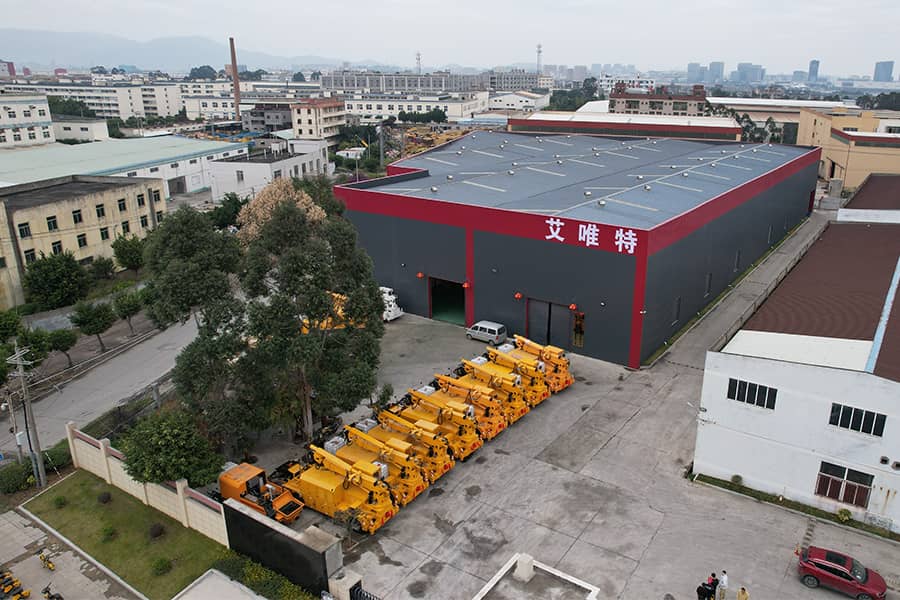
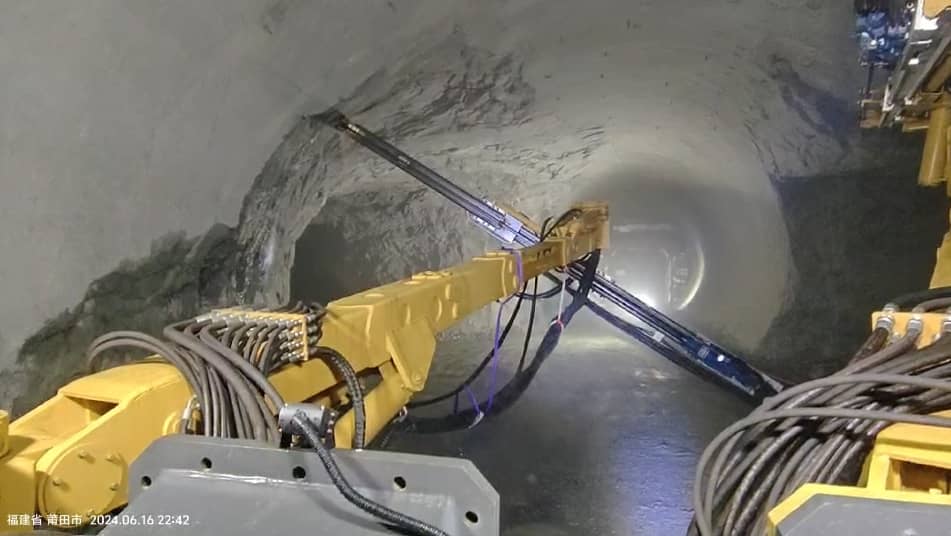
Industrial exploration, foundation engineering, and resource extraction demand robust mechanical intervention below the surface. Successful deep penetration depends on matching machinery capabilities with specific geological conditions. Selecting appropriate drilling equipment represents a primary engineering decision in major civil works and mining operations. System configurations must withstand immense mechanical forces while maintaining continuous operation. Heavy machinery designers, including manufacturers like Aivyter, focus on structural integrity and hydraulic efficiency to meet these operational requirements. Achieving consistent penetration rates requires a clear understanding of the mechanical dynamics at play, including the interaction between the cutter head and the surrounding rock or soil. This analysis examines the core engineering parameters, geological challenges, and system selections that define successful subsurface boring operations.
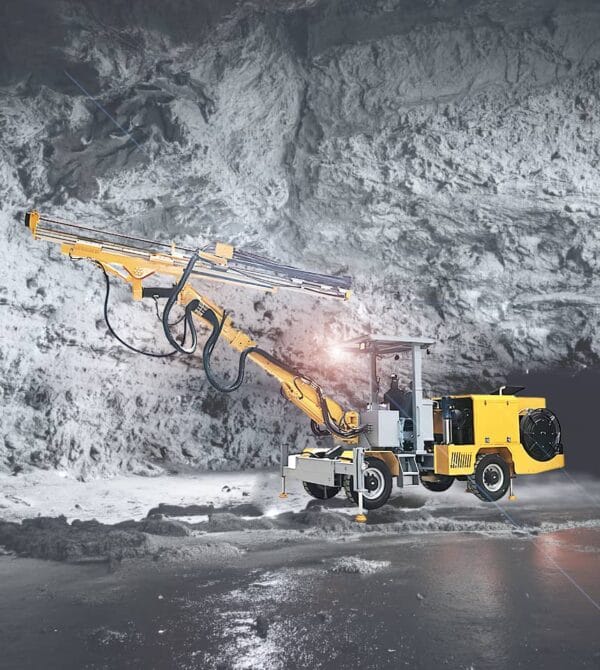
Core Categorizations of Subsurface Penetration Systems
To understand subsurface boring, it is necessary to examine the primary mechanical configurations used in the field. Equipment design varies based on the method of rock fragmentation and cuttings removal. Each system possesses distinct mechanical attributes tailored to specific strata types.
Rotary Drilling Systems
Rotary drilling relies on continuous rotation combined with downward force to grind or cut through geological strata. Tri-cone roller bits or polycrystalline diamond compact (PDC) bits shear the rock face. This method is common in deep water well creation and oil-gas exploration. It uses a continuous flow of drilling fluid, often referred to as mud, to cool the bit and transport cuttings to the surface. The hydrostatic pressure of the drilling fluid also prevents borehole collapse in unstable formations. The torque requirements for rotary systems are determined by the diameter of the hole and the hardness of the formation, necessitating heavy-duty hydraulic drives that can maintain consistent rotational speed under variable loads.
Down-the-Hole (DTH) Systems
DTH systems position the pneumatic hammer directly behind the drill bit. High-pressure air drives a piston that strikes the bit directly, transferring impact energy to the rock with minimal attenuation. This process proves highly effective in hard, competent rock formations where rotary force alone is insufficient to fracture the material. Because the strike occurs at the bottom of the hole, energy loss is kept to a minimum regardless of depth. Air compressors must deliver sufficient volumetric flow rates to lift heavy cuttings out of deep wells, making the air-delivery system a major component of the overall configuration.
Top Hammer Systems
Top hammer systems locate the percussion mechanism on the rig mast, transmitting impact energy through the drill string to the bit. While effective for shallower boreholes, energy loss occurs at each rod joint, making this setup less practical for deep-hole applications where DTH methods are preferred. They are, however, highly efficient for fast-cycle blast hole creation in quarries and shallow underground mining operations. The rotation and percussion are controlled independently, allowing operators to adjust parameters based on rock fractures.
Mechanical Parameters Governing Drilling Performance
Project execution schedules rely on managing physical forces at the contact point between the tool and the rock. Three main parameters dictate operational productivity.
- Rotational Torque: Torque represents the twisting force needed to rotate the drill string against frictional resistance within the borehole. Formations containing dense clays or fractured rock require high torque levels to prevent the drill string from stalling or seizing. Hydraulic motors must provide continuous, variable-speed torque control. If torque levels are poorly calibrated, the drill pipe may suffer torsional fatigue, leading to downhole failures that require extraction operations to retrieve lost tooling.
- Feed Force and Pullback Capacity: Downward force, or weight-on-bit, ensures continuous penetration into the strata. Conversely, pullback capacity determines the ability of the rig to retrieve heavy drill strings from deep boreholes, especially when dealing with collapsing hole walls or sticky formations. The structural mast must withstand these opposing forces without structural twisting. Heavy-duty cylinders and winch systems are integrated into the mast to provide smooth, controlled movement during the drilling cycle.
- Flushing Medium Dynamics: Efficient removal of rock cuttings is necessary to prevent regrinding and tool jamming. Pneumatic systems rely on air compressors to provide adequate volumetric flow rates and pressure. Mud-based systems utilize high-capacity displacement pumps to manage fluid velocity and viscosity, securing clean boreholes. The annular velocity of the flushing medium must exceed the slip velocity of the cuttings to prevent material from settling around the bit, which is a major cause of stuck drill pipes.
Addressing Common Subsurface Challenges in Industrial Projects
Geological variability introduces serious operational hurdles that require specialized machinery. Structural stability and drilling continuity depend on how these conditions are managed.
Unconsolidated formations, such as gravel beds or loose sand layers, present significant borehole stability challenges. Without proper intervention, these layers can cave in, trapping the tooling string. Utilizing dual-rotary or casing advancement drilling equipment allows operators to install protective steel casings simultaneously with the drilling process, securing the borehole walls. This system prevents water inflow from shallow aquifers and maintains the structural integrity of the hole.
Deviated boreholes disrupt structural alignments in foundation piling and geological sampling. Maintaining vertical alignment requires robust mast designs and rigid drill guides. Manufacturers like Aivyter design high-strength mast structures to resist lateral deflection under high feed pressures, keeping the drilling axis true. Continuous monitoring systems, such as inclinometers, provide real-time feedback to operators, allowing for minor adjustments before deviation exceeds engineering tolerances.
Hard rock formations cause rapid tool wear and slow progress. Rotary speed must be carefully balanced with impact frequency to maximize tungsten carbide insert life. Selecting heavy-duty machinery with adjustable hydraulic control systems enables operators to fine-tune these parameters based on real-time feedback from the borehole. Proper selection of flushing fluids also plays a role in cooling the cutter face, reducing thermal stress on the cutting structure.
Structural Engineering and Design Integrity in Modern Rigs
The structural platform of the machinery determines its longevity and adaptability across diverse worksites. Engineering focus remains centered on weight distribution and hydraulic circuit reliability.
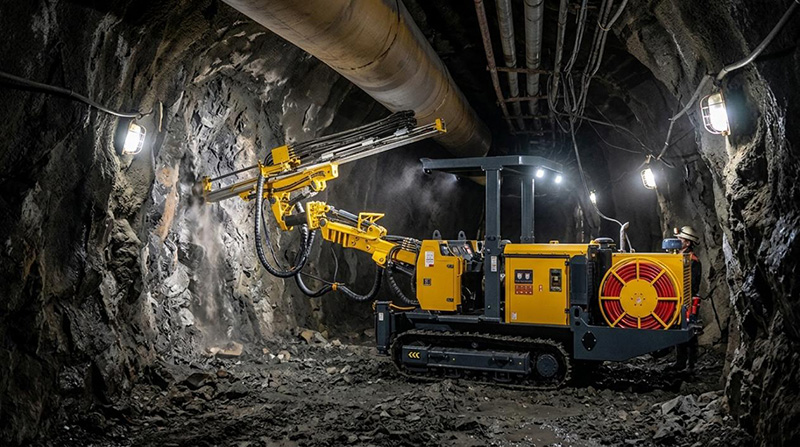
Crawler-mounted configurations provide the mobility required for rough terrain in mining and civil construction. Low ground bearing pressure prevents the machinery from sinking into soft ground, maintaining a stable base during operation. High-strength steel frames absorb the vibration generated by percussion hammers, protecting the main power unit and control cabins from wear.
Truck-mounted units offer rapid mobilization across public roads, suitable for water well operations spanning multiple locations. These systems require precise outrigger engineering to distribute the heavy loads encountered during drilling and pullback. The mechanical interface between the truck chassis and the drilling frame must be designed to withstand torsional stress without compromising vehicle safety.
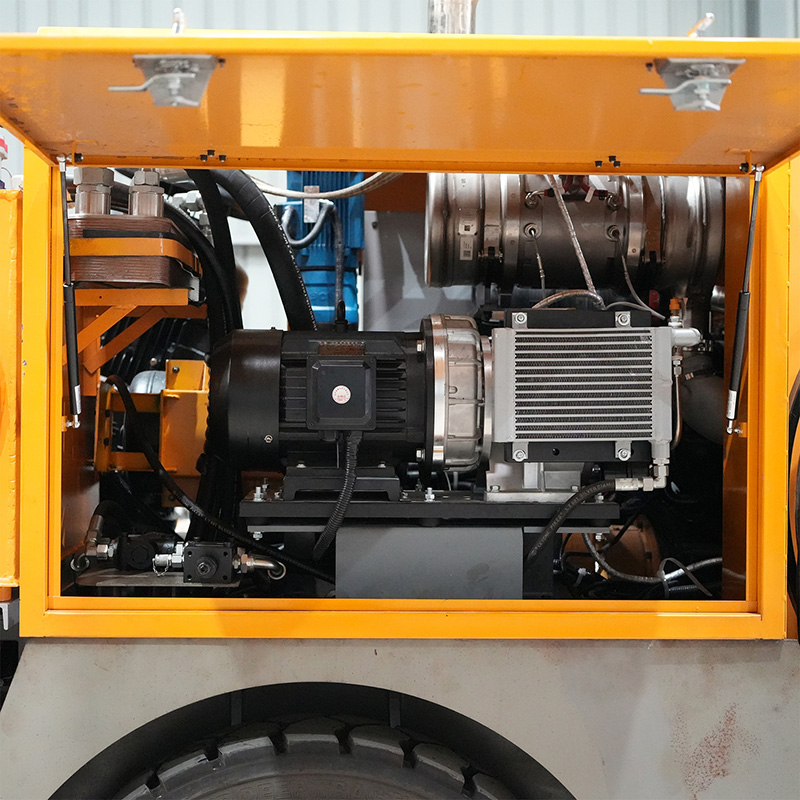
High-pressure hydraulic systems drive the rotation, pull-down, and auxiliary functions. The integration of multi-pump configurations ensures that power is distributed without stalling other operations. Utilizing high-efficiency filtration systems protects hydraulic components from airborne dust and fine particulates common in dry mining sites. Modern drilling equipment integrates these features to minimize wear and extend maintenance intervals. Closed-loop hydraulic circuits provide precise control over drilling feed speeds, allowing for smoother transitions when drilling through layered geological strata.
Industrial Applications across Key Sectors
Heavy boring machinery supports foundational activities across several major sectors.
Foundation Engineering and Piling
Large-diameter bored piles provide structural support for bridges, high-rise buildings, and industrial plants. Continuous Flight Auger (CFA) and kelly-bar drilling are standard methods here, demanding high torque capacities to handle cohesive soils and hard subterranean obstructions. Structural loads are transferred to deeper, more competent strata, ensuring the stability of surface infrastructure.
Mining and Quarries
Blastholes must be drilled precisely to facilitate controlled fragmentation of ore and overburden. High-speed DTH and rotary rigs operate continuously in these environments, where durability under continuous duty cycles is paramount. Rigs must handle dusty conditions, extreme ambient temperatures, and variable rock hardness without frequent component failure.
Water Well and Geothermal Extraction
Reaching deep aquifers or thermal reservoirs requires reliable deep-hole boring. These projects utilize versatile drilling equipment capable of switching between mud rotary and DTH configurations depending on the formations encountered. The machinery must support long drill strings and facilitate safe handling of large-diameter casing pipes.
Engineering Alignment and Procurement Protocols
Selecting a rig requires comparing site conditions with mechanical specifications. Operational depth, hole diameter, and target geology determine the required compressor capacity, torque output, and pulling force. Well-defined project planning ensures that the selected machinery matches the geological challenges of the site, preventing premature component wear.
Engineers must verify that auxiliary systems, such as mud pumps or air compressors, are matched to the rig’s main power unit. Over-specifying components leads to unnecessary energy consumption, while under-specifying results in slow penetration and incomplete hole cleaning. Working with established manufacturers, such as Aivyter, helps procurement teams select compatible component packages designed for long-term field performance. Utilizing reliable drilling equipment ensures that operations remain on schedule and geotechnical requirements are met without unexpected downtime. Field service support and the availability of spare parts are also major considerations during procurement, as rapid access to wear parts minimizes operational interruptions.
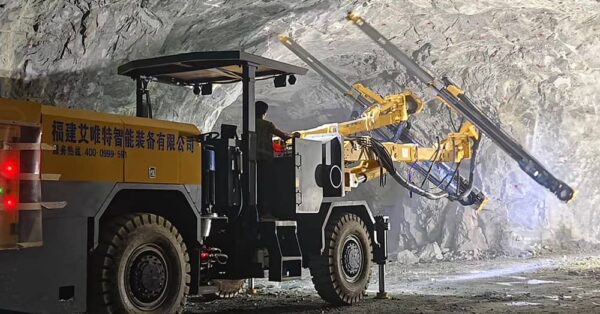
Commercial Inquiry and Engineering Specifications Consultation
For industrial projects requiring specific torque profiles, pull-back capacities, or custom mounting configurations, consulting with application engineers is a standard procedure. Our engineering team provides detailed schematic drawings, hydraulic performance curves, and operational documentation to assist in your equipment procurement process. Please submit your project specifications and geological parameters to receive a formal engineered proposal.
Frequently Asked Questions
Q1: How do you select between mud rotary and pneumatic DTH systems for a project?
A1: The selection depends primarily on geological strata and borehole stability. Mud rotary systems are preferred in soft, unconsolidated formations like sands, clays, and gravels, because the drilling mud stabilizes the borehole walls. Pneumatic DTH systems are suited for hard, competent rock formations where rapid mechanical impact is needed to fracture the rock, provided that water inflow is manageable and the hole walls do not require immediate casing support.
Q2: What mechanism prevents the drill string from getting stuck in swelling clay formations?
A2: Swelling clays absorb water and expand, narrowing the borehole and squeezing the drill string. To prevent this, operators use high-torque rotary drives combined with specialized drilling fluids containing polymers or potassium chloride (KCl) to inhibit clay hydration. Keeping the drill string in motion and maintaining high upward mud flow velocity also prevents clay particles from settling around the bottom hole assembly.
Q3: Why is pullback capacity considered more important than pulldown force in deep-hole drilling?
A3: While pulldown force is needed to initiate penetration in hard formations, the weight of the drill string itself often provides sufficient downward force as the hole deepens. Pullback capacity is vital because it must overcome the combined weight of the entire drill string, the friction against the borehole walls, and any potential blockages or collapsing material during extraction.
Q4: How does mast design influence drilling accuracy in deep vertical shafts?
A4: A robust mast design resists structural twisting and lateral deflection caused by the high feed force and rotational torque of the rotary head. Heavy-walled steel construction and precision guide rails ensure the rotary head travels along a perfectly straight axis. Any deflection in the mast transfers to the drill string, leading to borehole deviation and accelerated wear on the drill rod joints.
Q5: What are the maintenance indicators for hydraulic pumps on heavy boring rigs?
A5: Key indicators include increases in hydraulic fluid operating temperatures, slower response times of actuators under load, abnormal noise from the pump housing (cavitation), and the presence of fine metal particulates in the hydraulic filters. Regular fluid analysis and pressure-drop testing across filters are recommended procedures to identify internal wear before a complete hydraulic system failure occurs.
about
Aivyter
We provides trusted air compressors and mining equipment, engineered for durability, efficiency, and demanding industrial applications.