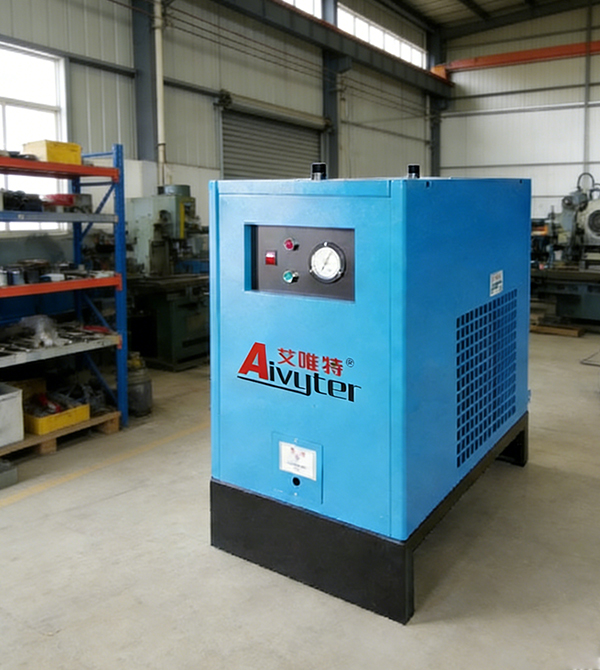
Heavy industrial operations require consistent, clean, and reliable compressed air to sustain production lines, power pneumatic machinery, and facilitate material handling. Unlike light-duty commercial units, high-capacity utility equipment must operate continuously under challenging environmental conditions. When evaluating industrial air compressor sales, engineering managers and procurement departments must look beyond basic horsepower ratings. A comprehensive analysis of flow rates, pressure configurations, and downstream treatment systems is required to maintain operational stability. Manufacturers such as Aivyter design heavy-duty rotary screw and reciprocating systems that accommodate the specific operational demands of mining, construction, and high-volume manufacturing facilities worldwide.
1. Operational Parameters of Heavy-Duty Compressed Air Systems
To properly integrate a compressed air package, the relationship between volume and pressure must be clearly defined. Volumetric flow rate and operating pressure determine whether a system can support downstream tools without experiencing drops in system pressure.
- CFM (Cubic Feet per Minute): This metric measures the volumetric flow rate of air delivered by the compressor at a specific pressure. Calculating the cumulative CFM of all pneumatic equipment operating simultaneously is the first step in system sizing.
- PSI (Pounds per Square Inch): This measures the force of the compressed air. Industrial systems typically operate between 90 and 150 PSI, though specialized applications such as high-pressure blow molding or drilling may require much higher pressures.
Understanding the thermodynamic properties of air compression is vital. Air density changes with ambient temperature, relative humidity, and altitude. When air is compressed, its temperature rises rapidly, requiring efficient cooling systems. Additionally, the ISO 8573-1:2010 standard defines air purity levels across three main categories of contaminants: solid particulates, water, and oil. Choosing the correct filtration and drying machinery depends heavily on these standardized classifications to avoid product contamination or premature tool wear.
2. Mechanical Configurations in industrial air compressor sales
Different industrial tasks demand different compression methods. Choosing between positive displacement and dynamic compression affects both mechanical longevity and energy performance.
Rotary Screw Compressors
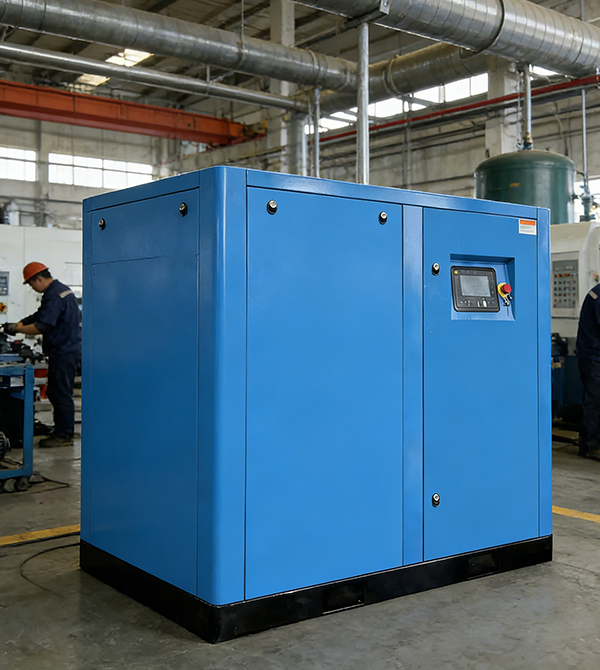
These units utilize a pair of meshing helical screws, known as male and female rotors, to reduce the volume of trapped air. They are engineered for continuous-duty applications where a constant flow of air is required. Oil-injected variants use fluid to seal clearances, lubricate the bearings, and absorb the heat generated during the compression cycle. Oil-free variants, on the other hand, utilize highly precise timing gears to prevent the rotors from touching, ensuring a dry compression chamber.
Reciprocating Compressors
Operating on a positive displacement principle using pistons and crankshafts, these systems are highly suitable for high-pressure, intermittent-duty cycles. Multi-stage reciprocating compressors feature intercoolers between compression stages to reduce the air temperature, increasing thermodynamic efficiency.
Centrifugal Compressors
These dynamic compressors rely on high-speed impellers to accelerate air, which is then slowed down by a diffuser to convert kinetic energy into pressure. They are designed for high-volume, oil-free baseload requirements in large manufacturing complexes.
Variable Speed Drive (VSD) vs. Fixed Speed
Fixed-speed units run at a constant RPM, regulating output through inlet valve modulation or load/unload cycles. VSD systems continuously adjust motor speed via a frequency inverter to match fluctuating real-time demand. This prevents unloaded run time, where the motor continues spinning without producing air, thereby improving energy utilization during off-peak shifts.
3. Sector-Specific Demands and Environmental Adaptability
Pneumatic systems must function reliably in harsh operating conditions, and different sectors present unique challenges that influence industrial air compressor sales specifications.
Mining and Extraction Operations
Underground and open-cast mines present highly abrasive environments filled with airborne dust and moisture. Compressors used in these applications require heavy-duty inlet filtration, vibration-resistant structural frames, and heavy corrosion protection. High-altitude mining operations also require pressure compensation, as thin atmospheric air reduces the mass flow rate of the intake.
Engineering and Infrastructure Construction
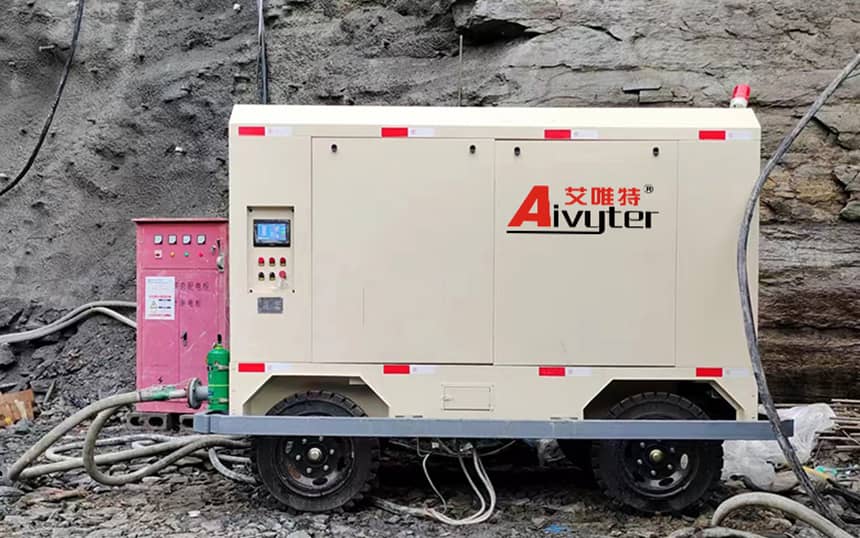
Major infrastructure projects depend on mobile compressed air units to power heavy pneumatic drills, breakers, and sandblasting equipment. These mobile systems require robust diesel-driven configurations housed in sound-attenuated, weather-resistant enclosures that can withstand transport over rough terrain.
Industrial Manufacturing Assembly
Automotive, heavy machinery, and metal fabrication plants require dry, clean air distributed across vast piping networks. Fluctuations in pressure can cause pneumatic actuators to misalign or fail, making stable line pressure a priority. This sector drives a significant portion of modern plant upgrades, emphasizing clean air delivery and automated system monitoring.
4. Resolving Structural Vulnerabilities in Air Systems
Operating a large compressed air system introduces several mechanical and operational difficulties that require careful planning.
Moisture Control
As air is compressed, its ability to hold water vapor decreases. If this moisture is not removed immediately after compression, it condenses within the piping network. This liquid water causes internal oxidation of steel pipes, washes away lubricant from pneumatic tools, and spoils product packaging. Achieving the target Pressure Dew Point (PDP) requires integrated water separators and downstream drying equipment.
Pressure Drop Mitigation
A frequent issue in large factories is the reduction of air pressure between the compressor discharge flange and the point of use. This pressure drop is caused by friction within undersized piping, restrictive elbows, and clogged inline filters. Designing a loop-based piping distribution network rather than a single dead-end line helps equalize pressure across the plant.
Thermal Management
Excessive heat is a major cause of unscheduled compressor shutdowns. Air-cooled systems require adequate ventilation to prevent the recirculation of hot exhaust air. In high-ambient environments, water-cooled configurations utilizing shell-and-tube or plate heat exchangers connected to cooling towers are often required to prevent oil degradation and thermal shutdown. To resolve these environmental challenges, Aivyter designs high-tolerance cooling packages that maintain operational temperatures even during continuous heavy-load operations.
5. Auxiliary Air Treatment and Storage Configuration
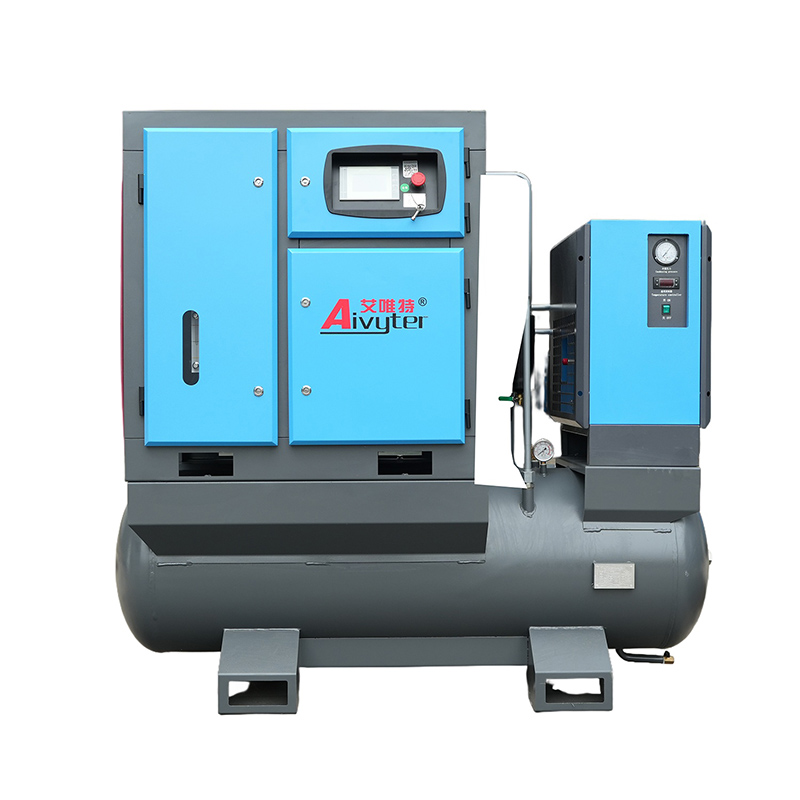
An efficient air system requires a balanced combination of auxiliary equipment to clean, dry, and store the compressed air before it reaches the production floor. This configuration is a core element in modern industrial air compressor sales discussions.
- Air Receiver Tanks: These pressure vessels serve several functions. They act as a storage buffer to meet sudden spikes in demand, preventing the compressor from rapidly cycling between load and unload states. Additionally, they assist in cooling the compressed air, allowing bulk moisture to drop out before entering the dryers. It is highly beneficial to install a “wet” receiver tank before the drying system and a “dry” receiver tank afterward to stabilize downstream flow.
- Filtration Stages: Coalescing filters are placed before the dryer to remove liquid aerosols, oil droplets, and fine particulates. A particulate post-filter is then positioned after a desiccant dryer to capture any desiccant dust that may migrate downstream.
- Drying Equipment: Refrigerated air dryers cool the air to approximately 3°C, forcing water vapor to condense so it can be drained away. Desiccant dryers, which use moisture-absorbing materials like activated alumina, achieve much lower pressure dew points, down to -40°C or -70°C. This level of dryness is necessary for outdoor piping networks exposed to freezing temperatures or for processes requiring ultra-dry air.
6. Sizing Calculations and Equipment Selection
Selecting the correct equipment capacity requires a detailed audit of the facility’s demand profile rather than simple estimation. Buying an oversized compressor leads to excessive unloading cycles and mechanical wear, while an undersized unit leads to pressure drops and continuous strain on the motor.
First, calculate the continuous and intermittent CFM requirements of all pneumatic tools and machinery, adding a safety margin (typically 10% to 20%) to account for future expansion and minor system leakage. Next, identify the tool or machine that requires the highest operating pressure; the entire system should be designed to support this pressure, accounting for anticipated pressure drops through the filtration and piping network. Finally, analyze the load profile. If the demand is constant, a fixed-speed compressor is highly suitable. If the demand fluctuates significantly throughout the day, a VSD unit or a combination of fixed and variable speed machines is more practical.
Consulting with experienced engineers during industrial air compressor sales negotiations helps prevent the issues associated with improper sizing. Aivyter provides comprehensive engineering support, assisting heavy industries in configuring balanced, reliable compressed air plants tailored to specific mechanical specifications.
7. Professional Procurement Inquiries
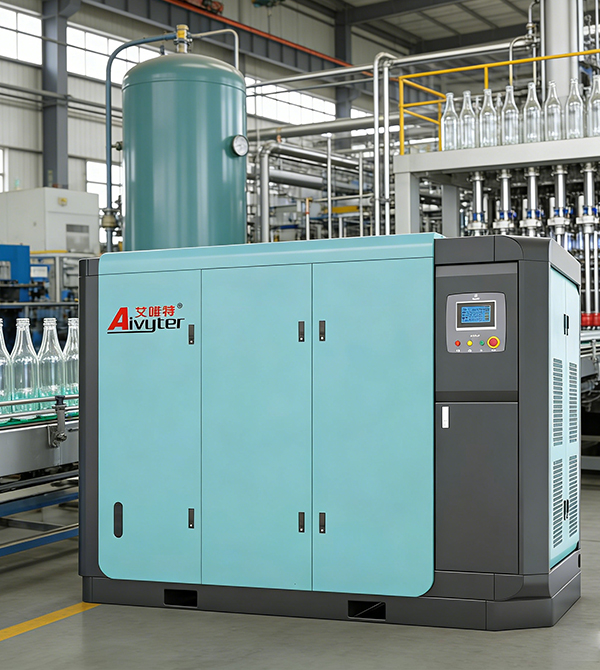
Selecting the correct industrial air compressor is a long-term engineering decision that directly impacts production reliability. Our engineering team assists you in selecting the proper compressor technology, capacity, and air treatment configuration for your facility. For detailed inquiries, custom engineering designs, or to receive a specific configuration proposal, please submit your operational specifications through our contact channels. Contact our application engineers today to discuss your next system installation.
8. Frequently Asked Questions
Q1: What is the primary difference between oil-injected and oil-free rotary screw compressors?
A1: Oil-injected rotary screw compressors utilize specialized compressor oil within the compression chamber to seal internal clearances, lubricate the moving rotors, and absorb heat. This oil is later separated from the compressed air using a multi-stage separator system, though trace amounts of oil vapor may remain. Oil-free compressors use external timing gears to prevent rotor contact, eliminating the need for oil inside the compression chamber. This design ensures that the discharge air is entirely free of oil contamination, which is required for sensitive chemical, medical, and high-purity manufacturing processes.
Q2: How does altitude affect industrial air compressor output?
A2: Altitude affects compressor performance due to changes in atmospheric density. At higher elevations, the ambient air pressure is lower, meaning the air is less dense. As a result, a compressor drawing in a specific volume of air will capture fewer air molecules per stroke or rotor rotation. This reduces the mass flow rate of the compressed air output. To maintain the required CFM at higher altitudes, the physical displacement of the compressor must be increased, or the system must be adjusted according to local atmospheric parameters.
Q3: Why is a wet air receiver tank positioned before the air dryer?
A3: Placing a wet air receiver tank before the air dryer is highly advantageous because it acts as a primary separation stage. As the hot compressed air enters the cooler environment of the receiver tank, its velocity drops, allowing a large portion of the moisture and oil aerosols to condense and settle at the bottom of the tank, where they can be drained. This pre-separation significantly reduces the thermal load and moisture burden on downstream dryers, increasing their operational efficiency and prolonging the life of the drying agents or heat exchangers.
Q4: How do I determine if my facility requires a VSD air compressor?
A4: A Variable Speed Drive (VSD) compressor is ideal for facilities that experience fluctuating compressed air demand throughout the working day or across different shifts. If your plant runs multiple processes with varying air consumption, a VSD unit can continuously adjust its motor speed to match this fluctuating demand, avoiding the energy losses associated with running a fixed-speed compressor in an unloaded state. However, if your plant operates with a continuous, steady air demand near maximum capacity, a standard fixed-speed compressor is often more appropriate and mechanically efficient.
Q5: What causes high discharge temperatures in rotary screw air compressors?
A5: High discharge temperatures are usually caused by issues with the thermal management system. Common causes include insufficient or degraded compressor oil, a clogged oil filter, a dirty oil cooler, or restricted airflow around the cooling fan. In water-cooled systems, mineral scale accumulation within the heat exchanger tubes can also restrict heat transfer. Maintaining proper oil levels, keeping coolers free of dust and debris, and ensuring adequate ventilation are necessary steps to prevent high-temperature shutdowns.
about
Aivyter
We provides trusted air compressors and mining equipment, engineered for durability, efficiency, and demanding industrial applications.