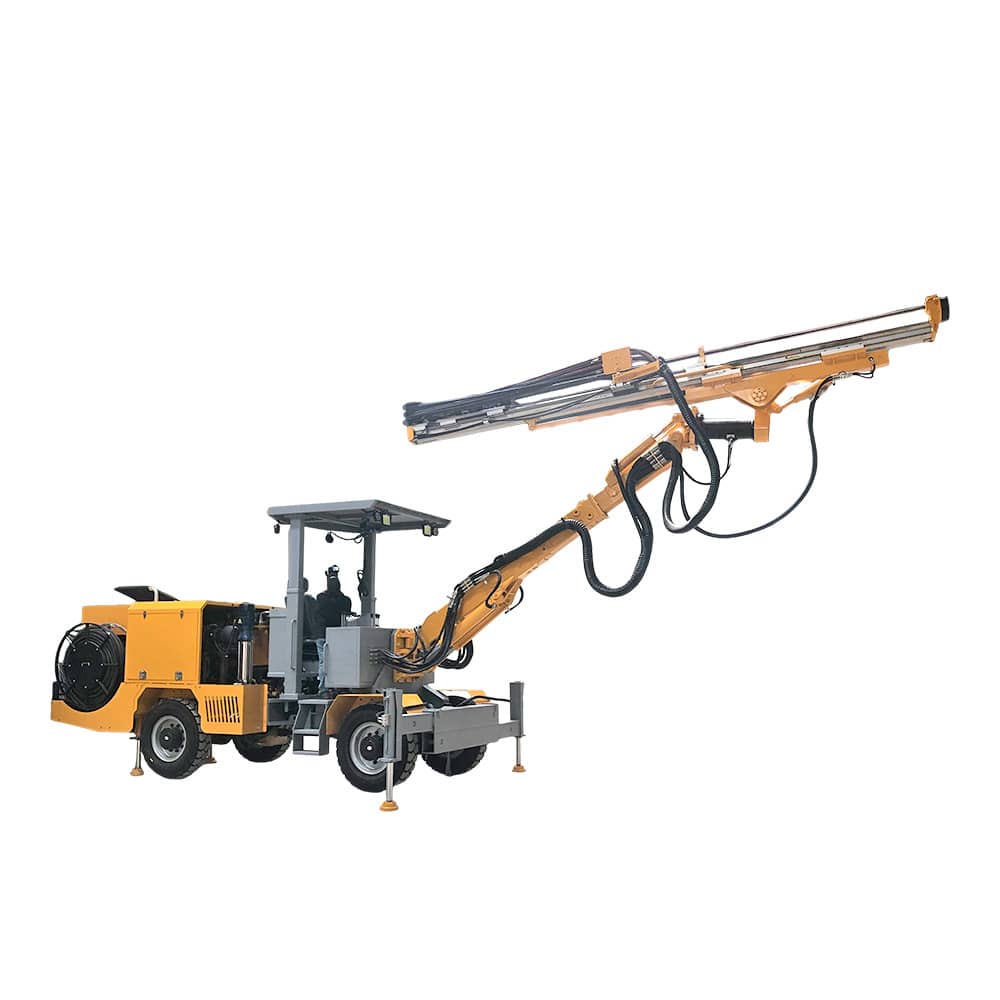
In heavy engineering, quarrying, and underground mining, the fragmentation of hard geological formations requires high-performance machinery. The design of modern excavation equipment relies heavily on the efficient transfer of kinetic energy to rock surfaces. Among these systems, the heavy-duty rock drill serves as the primary tool for creating blast holes, anchor holes, and drainage paths. Selecting the appropriate configuration requires a comprehensive understanding of mechanical principles, material properties, and fluid mechanics.
Industrial projects managed by developers like Aivyter demonstrate that matching tool specifications with site-specific geological profiles determines project efficiency. This article details the structural components, operational dynamics, and maintenance protocols of industrial drilling systems to assist project managers and engineering procurement departments in making informed decisions.
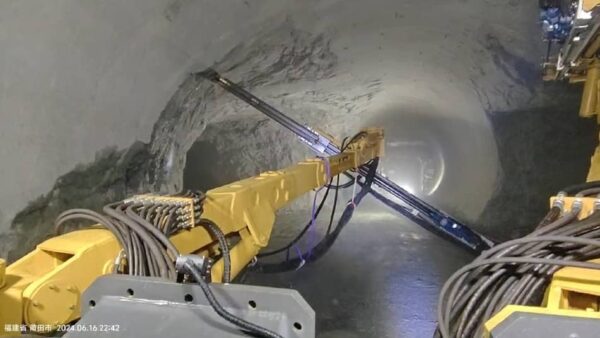
Pneumatic vs. Hydraulic Rock Drills: A Comparative Analysis
Power transmission method is the primary classification for percussive drilling systems. Both pneumatic and hydraulic systems have distinct advantages and operational limits depending on the environment, available infrastructure, and depth requirements.
Pneumatic Systems
Pneumatic drilling units utilize compressed air to drive the reciprocating piston. These systems are highly valued for their simplicity and reliability in extreme temperatures or hazardous underground environments where electrical or hydraulic leaks present safety hazards.
- Operating Pressure: Typically ranges between 5 to 8 bar, though high-pressure systems can reach 12 to 15 bar.
- Energy Efficiency: Generally lower energy transmission efficiency (approximately 10% to 15%) due to the compressibility of air and thermal losses during compression.
- Maintenance Profile: Low complexity. Internal components are cooled and lubricated by misted oil carried within the air stream, reducing the necessity for complex internal sealing mechanisms.
Hydraulic Systems
Hydraulic drilling systems utilize non-compressible hydraulic fluid to transfer energy. This allows for significantly higher power outputs within a more compact physical footprint.
- Operating Pressure: Standard systems operate between 150 and 250 bar, providing far greater force per blow.
- Energy Efficiency: Substantially higher efficiency (often exceeding 50% to 60%), resulting in lower energy consumption per meter drilled.
- Control Systems: Hydraulic machinery allows for real-time adjustments of blow frequency, rotation torque, and feed force, matching the machine’s output to changing geological layers.
Below is a comparative overview of key performance indicators for both power transmission methods:
| Performance Indicator | Pneumatic Systems | Hydraulic Systems |
|---|---|---|
| Percussive Frequency | Low to Moderate (25 – 45 Hz) | High (50 – 100+ Hz) |
| Power-to-Weight Ratio | Moderate | Very High |
| System Complexity | Low | High (requires fine filtration) |
| Environmental Adaptability | Excellent in extreme cold/heat | Requires temperature management |
Core Mechanisms of Percussive Drilling
Understanding how a percussive rock drill breaks rock requires analyzing four distinct mechanical actions: percussion, rotation, feed force, and flushing. Each action must be balanced to maintain high penetration rates and prevent tool failure.
1. Percussive Action and Wave Propagation
The percussive mechanism is driven by an internal piston reciprocating at high frequency. When the piston strikes the shank adapter, it generates a compressive stress wave. This wave travels down the drill steel (drill rods) at the speed of sound in steel—approximately 5,100 meters per second.
Upon reaching the drill bit, the compressive wave forces the tungsten carbide buttons into the rock surface, exceeding the rock’s compressive strength and causing localized tensile fracturing. If the drill bit is not in tight contact with the rock, the energy reflects back up the drill string as a tensile wave, causing high stress on the threads, couplings, and internal dampening systems.
2. Rotational Mechanics
Rotation does not directly cut the rock in percussive systems; instead, it positions the carbide buttons on a fresh, unbroken section of rock before the next blow. If rotation speed is too low, the buttons strike previously crushed material, reducing efficiency and increasing thermal wear. If the rotation speed is too high, it leads to rapid gauge wear on the perimeter buttons of the drill bit.
3. Feed Force Adjustment
Continuous contact between the drill bit and the rock face is maintained by feed force. Correct calibration is pivotal:
- Under-Feeding: Causes loose connections in the drill string. This results in excessive vibration, thread heating, energy loss, and potential damage to the shank adapter.
- Over-Feeding: Increases rotational resistance, causes hole deviation, accelerates wear on the outer buttons, and increases the likelihood of the drill rod binding (jamming) in the hole.
4. Flushing Systems
To prevent secondary grinding and maintain drilling speed, rock cuttings must be removed instantly from the hole. Flushing mediums include water, compressed air, or air-water mist. Water flushing is preferred in underground mining to suppress airborne dust, while air flushing is common in open-pit mining and cold-weather quarrying where water lines are prone to freezing.
Resolving Operational Challenges in Hard Rock Excavation
Excavation through highly abrasive or heavily fractured rock formations presents several mechanical challenges. Project managers must identify these issues early to mitigate downtime.
Mitigating Rapid Tool Wear
High quartz content in sandstone, quartzite, and granitic formations accelerates abrasive wear on the carbide buttons. This alters the button shape from spherical to flat, decreasing the efficiency of energy transfer. To resolve this, operators must monitor button protrusion and schedule regular grinding intervals. Applying specialized hard-facing alloys to the bit body also protects against wash-out caused by abrasive cuttings flowing past the bit.
Addressing Hole Deviation
Hole deviation occurs when the drill string encounters inclined joints, faults, or alternating layers of soft and hard rock. The bit tends to follow the path of least resistance, bending the drill string. Solutions include:
- Using guide tubes or dome-shaped bits to increase the structural rigidity of the initial drill string sections.
- Reducing feed force when transitioning between distinct geological structures.
- Utilizing heavy-duty equipment designed to handle structural variations in rock mass.
Deploying a robust rock drill configured with a dual-dampening system helps absorb reflected vibration waves during erratic geological shifts. Engineering designs utilized by manufacturers like Aivyter utilize specialized alloy steels and precision tolerances to help keep the machine stable when drilling through fragmented ground conditions.
Optimizing Penetration Rates in Tunneling and Quarrying
In high-volume operations like tunneling and quarrying, cycle times are highly dependent on the net penetration rate of the drilling equipment. Achieving optimal speeds requires careful adjustment of operational parameters based on the physical properties of the rock, such as Unconfined Compressive Strength (UCS) and Mohs hardness.
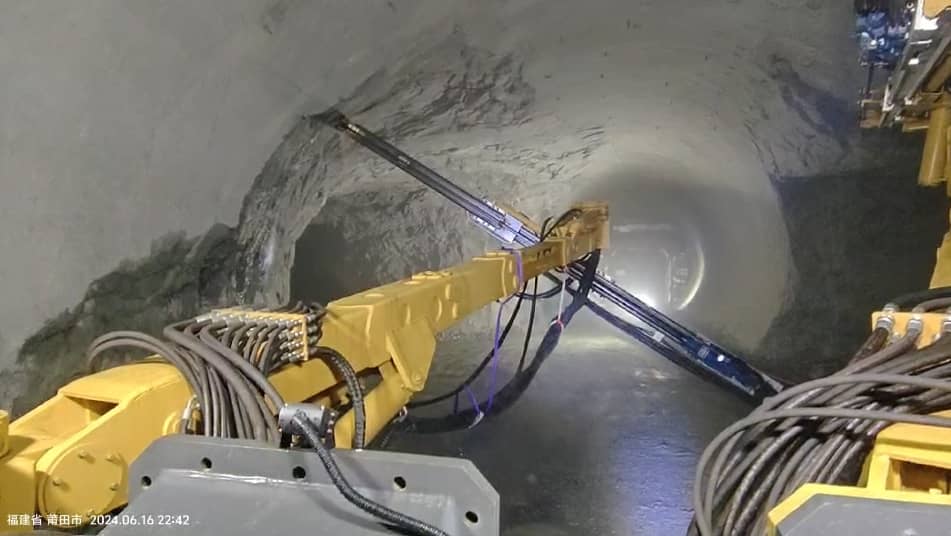
In tunneling applications, horizontal drilling requires precise feed alignment. Automated parallel-holding systems on modern hydraulic drill rigs ensure that blast holes are aligned according to the pre-planned blast pattern, which optimizes rock breakage and reduces overbreak. In quarrying, vertical hole drilling requires deep-hole capabilities. To maintain drilling speeds at depths exceeding 15 meters, the flushing pressure must be increased to overcome hydrostatic pressure and the weight of the accumulated drill cuttings inside the borehole.
A balanced impedance matching between the piston diameter and the drill rod diameter is also required. If the piston diameter is significantly larger than the rod diameter, the stress wave amplitude can exceed the yield strength of the drill steel, leading to catastrophic failure of the rod. Conversely, if the piston is too small, the energy wave will be insufficient to fracture highly consolidated rock formations.
Preventative Maintenance and Component Longevity
Due to the high-frequency impact forces involved in rock excavation, structured preventative maintenance is necessary to prevent premature equipment failure.
Spline and Thread Lubrication
The threads connecting drill rods and the splines on the shank adapter are subject to high rotational torque and axial forces. Without continuous lubrication, friction-induced temperatures can exceed 400°C, leading to heat-checking (micro-cracking) and eventual thread stripping. Automated lubrication systems must be calibrated to deliver high-temperature thread grease containing copper or graphite at regular intervals.
Sealing System Inspections
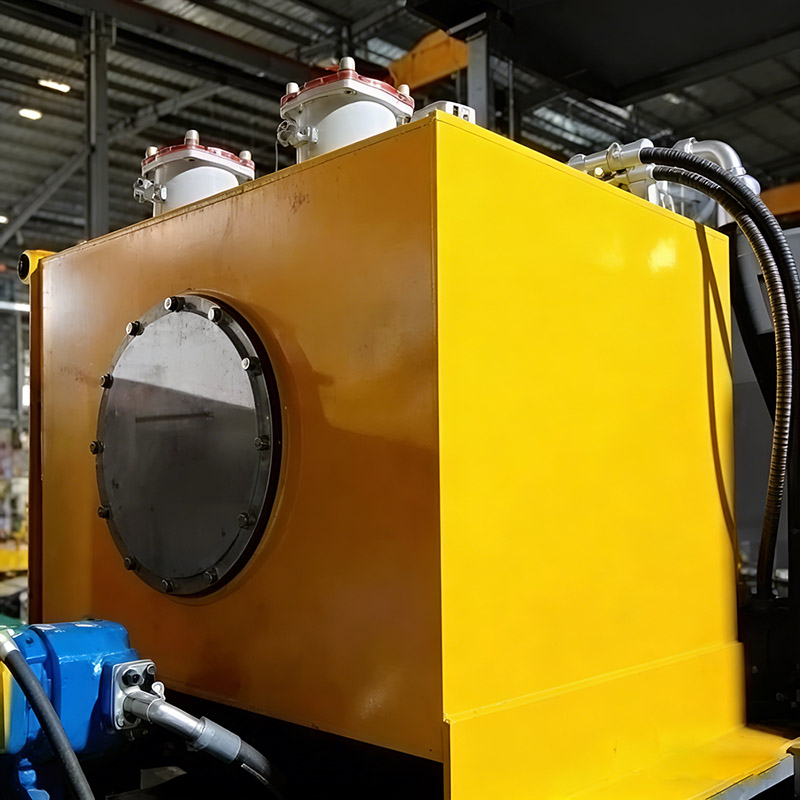
In hydraulic systems, keeping the hydraulic oil clean is a vital requirement for component longevity. Even microscopic rock dust particles can score the close-tolerance surfaces of control valves and pistons. Seals must be inspected for wear, and oil filtration systems must be serviced according to specified operating hours.
Integrating a durable rock drill from Aivyter into a formal maintenance schedule ensures that components operate within their designed tolerances, helping to preserve energy transfer efficiency and minimize unexpected down-time on the job site.
Industrial Inquiry and Customization
Selecting the correct machinery configuration depends on several variables, including rock type, excavation goals, carrier rig specifications, and power availability. Choosing a system with the correct piston stroke, percussion energy, and torque parameters is a foundational decision that directly affects project timelines.
We invite engineering procurement professionals, quarry managers, and tunneling contractors to contact us for detailed discussions on system customization, equipment compatibility, and spare parts availability. Please submit an inquiry to our engineering team to receive customized configurations and specifications for your upcoming excavation projects.
Frequently Asked Questions
Q1: What is the main operational difference between a drifter and a handheld hammer?
A1: A drifter is a heavy-duty percussive unit mounted on a mechanized boom or rig feed. It is operated remotely via hydraulic or pneumatic controls and handles much larger drill steels and bits. Handheld hammers are lightweight, manual tools designed for utility work, secondary blasting, or light construction where mechanical rig access is restricted.
Q2: How does rock hardness affect the choice of drill bit geometry?
A2: For very hard and abrasive rock formations, spherical or dome-shaped carbide buttons on flat-face bits are preferred due to their high resistance to chipping. In softer, fractured rock formations, ballistic or semi-ballistic buttons on drop-center bits are used to maximize penetration rates and assist in steering accuracy.
Q3: What causes premature breakage of the shank adapter?
A3: Premature shank adapter failure is often caused by under-feeding, which leads to blank firing and causes reflected tensile stress waves to accumulate in the steel. It can also result from misaligned feed guides, poor lubrication of the slide splines, or using a piston that is mismatched to the weight of the drill string.
Q4: Under what conditions is water flushing preferred over air flushing?
A4: Water flushing is primarily used in underground operations to bind respirable dust particles and keep them out of the mine atmosphere. It is also preferred in highly fractured rock where water can help stabilize the borehole walls. Air flushing is typically reserved for open-pit, vertical drilling, and cold-climate operations where freezing water lines present operational difficulties.
Q5: How can operators identify if the feed force is correctly set during operation?
A5: Operators can monitor the coupling sleeve temperatures and the stability of the drill string. If the coupling sleeves are excessively hot, it indicates under-feeding (sliding friction and reflected energy). If the machine suffers from frequent rotation stalls, excessive vibration of the drill rig, or high wear on the bit wings, it indicates the feed force is set too high.
about
Aivyter
We provides trusted air compressors and mining equipment, engineered for durability, efficiency, and demanding industrial applications.