Mining sites and heavy construction projects present brutal operational conditions. High ambient dust, extreme thermal shifts, and non-stop work cycles test machinery daily. Choosing an underpowered or improper unit causes unexpected downtime, spiraling maintenance bills, and safety risks.
This guide examines technical metrics, site conditions, total cost of ownership, and compliance requirements to help project leads choose the right equipment. Selecting a dependable compressor in industry applications ensures continuous site productivity and lower lifetime costs.
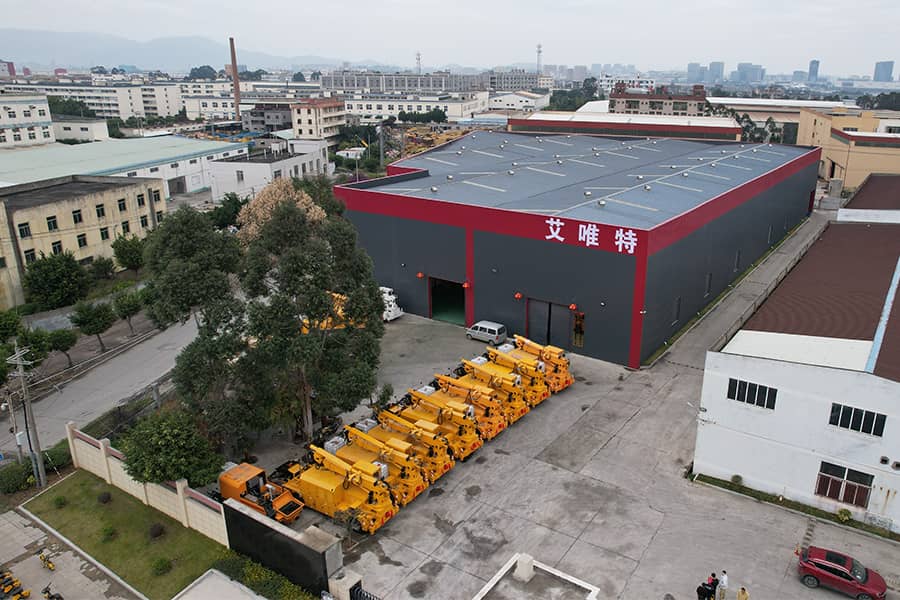
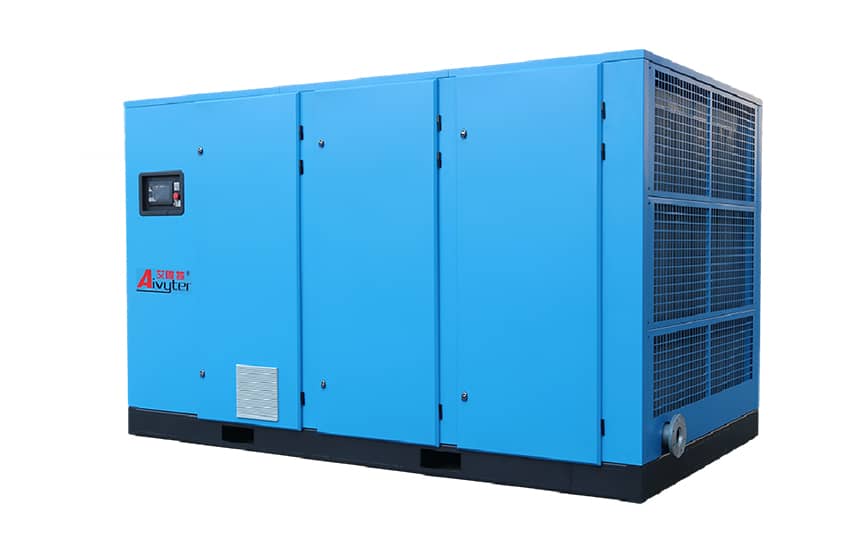
As a dedicated equipment manufacturer, Aivyter produces heavy-duty screw compressors alongside specialized rock-drilling and spraying machinery built for harsh industrial environments.
1. Why Compressed Air is the “Fourth Utility” in Heavy Industry
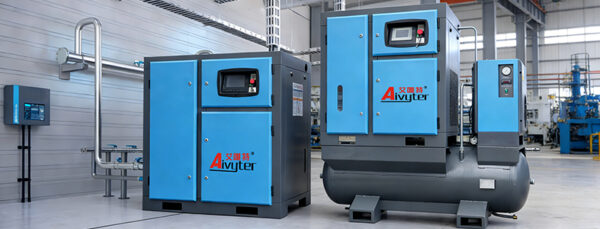
Compressed air acts as a primary power source across heavy sectors. Steel works, oil fields, cement plants, and chemical processing plants rely on compressed air around the clock. In mining and tunneling, compressed air is just as vital as electricity, water, and fuel.
Pneumatic rock drills, surface rigs, and shotcrete sprayers require constant air volume and stable pressure. A sudden pressure drop stalls heavy rock drills, delaying blasting schedules and idling work crews. Reliable air delivery keeps heavy machinery moving without interruption.
Deploying a robust compressor in industry projects protects project deadlines and preserves tool lifespans across demanding jobsites.
- Mining & Quarrying: Powers deep borehole drills, underground ventilation blowers, and pneumatic stone crushers.
- Infrastructure & Tunneling: Drives heavy pneumatic breakers, operates tunneling shields, and supplies shotcrete sprayers.
- Processing & Manufacturing: Controls pneumatic valves, clears heavy slag in steel mills, and moves bulk raw materials in cement works.
2. Key Factors for Air Compressor Selection in Mining & Construction
Selecting heavy equipment requires accurate site evaluation. Matching machine specs to field conditions prevents costly performance bottlenecks.
A. Pressure (PSI/Bar) & Airflow (CFM/m³/min) Matching
Airflow measures volume, while pressure measures force. You must calculate total demand by summing up all air-powered tools operating simultaneously on site.
Heavy drill rigs typically require operating pressures between 10 to 25 Bar, with airflow rates exceeding 20 to 30 m³/min. Shotcrete machines demand smooth, continuous volume to prevent concrete line blockages.
- Undersized compressors cause tool pressure drops, slow down operations, and force motors to overheat.
- Oversized units waste capital expenditure and run inefficiently during partial load cycles.
- Always add a 15% to 20% safety margin above peak calculated demand to account for line friction losses and altitude drops.
B. Rotary Screw vs. Other Types
Selecting the correct internal compression design determines machine durability under continuous loads.
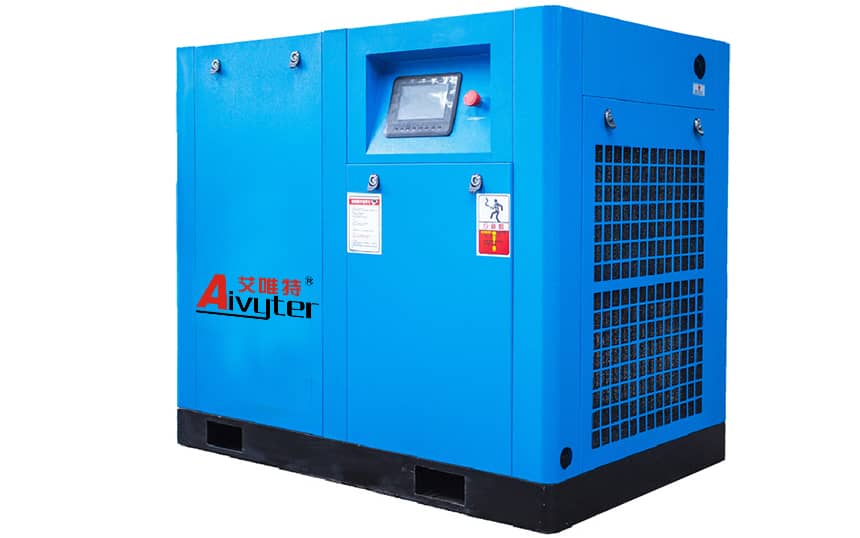
Rotary screw air compressors lead heavy industrial applications. Twin helical rotors compress air continuously without the rapid wear associated with reciprocating pistons. Piston units overheat under 100% continuous duty cycles, making them suitable only for intermittent garage tasks.
Centrifugal compressors deliver massive air volumes for large, static factory facilities. However, they lack the portability and load tolerance needed on rough construction fields. Rotary screw models deliver the best balance of continuous duty, compact sizing, and resistance to harsh site vibration.
C. Mobility: Stationary vs. Portable/Mobile
Jobsite layout determines whether you need a mobile rig or a permanent stationary footprint.
Underground mines, expanding road projects, and tunnel headings require portable units. Mobile diesel or electric skid units move directly behind advancing tunnel headings. Stationary electric rotary screw units suit permanent processing plants, surface maintenance bays, or central air stations in long-term open-pit mines.
D. Environmental Durability & Filtration Systems
A worksite compressor in industry environments faces airborne granite dust, high moisture, and extreme temperature ranges.
- Heavy-Duty Air Filtration: Multi-stage intake filters capture fine silica dust before air enters the screw air end, preventing rotor wear.
- Thermal Management: Large-capacity aluminum radiators prevent thermal shutdowns in 45°C desert heat, while anti-freeze systems protect air lines in arctic conditions.
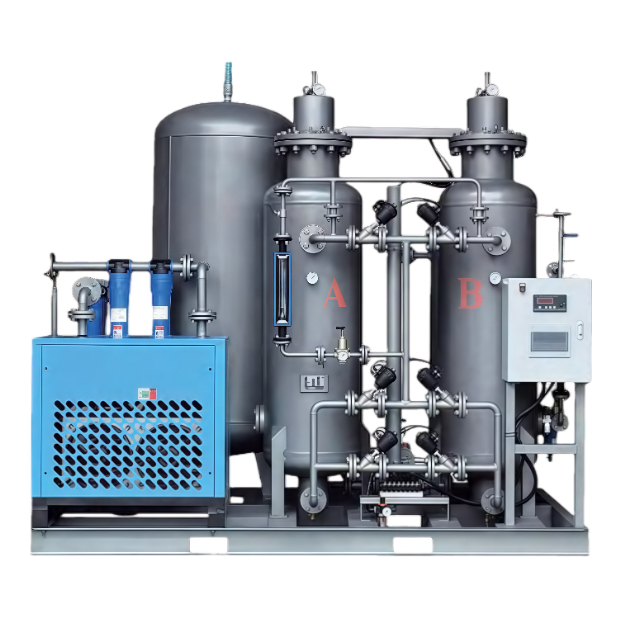
- Moisture Separation: Integrated desiccant or refrigerated dryers remove water condensate before compressed air enters pneumatic tools, extending tool life.
E. Energy Efficiency & Operational Cost (TCO)
Initial purchase price accounts for only 10% to 20% of an industrial air compressor’s total lifecycle cost. Electricity or diesel fuel accounts for up to 70% of total expenditure over five years of operation.
Variable Frequency Drive (VFD) screw compressors automatically adjust motor speed to match fluctuating air demand. Running a VFD compressor in industry facilities reduces energy consumption by 30% to 50% during non-peak cycles compared to fixed-speed units.
3. Integrated Solutions: Air Compressors and Downstream Equipment
Air compressors do not work alone; they operate as part of an integrated system on the jobsite.
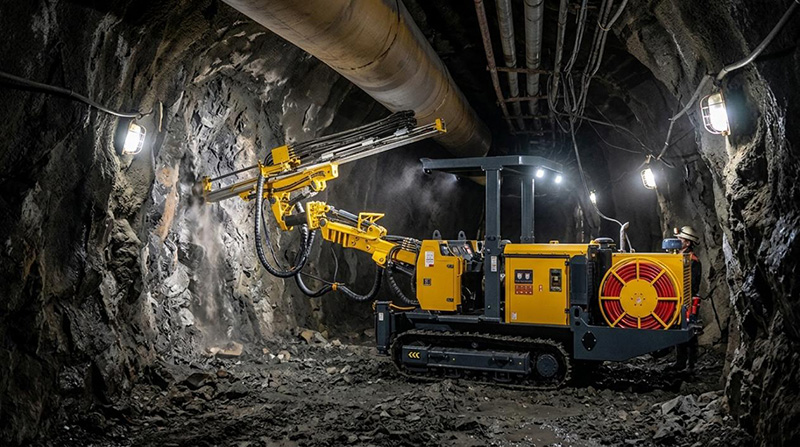
Matching the compressor directly to down-the-hole (DTH) drills, tunnel jumbos, and shotcrete spraying machines ensures peak performance across all systems.
Mining & Tunneling Applications
In tunnel excavation, rotary screw compressors deliver high-pressure air directly to blast-hole drill rigs and drill jumbos. High-volume air flushes ground rock out of deep boreholes rapidly, preventing drill bits from jamming in broken strata.
Ground Support & Concrete Spraying
Ground support relies on concrete spraying manipulators (wet shotcrete machines). The air supply must maintain steady pressure without pulsation. Pulsations cause shotcrete pulsing, resulting in excessive material rebound, wasted concrete, and dangerous structural voids on tunnel walls.
Working with a supplier like Aivyter allows contracting teams to pair matched compressor units with drill jumbos and shotcrete manipulators under one roof. Integrated equipment sourcing removes interface mismatches and shortens site setup times.
4. Compliance, Quality Certifications, and After-Sales Maintenance
Industrial machinery must satisfy strict safety and quality standards before entering international job sites.
Certifications like CE, TUV, SGS, and ISO 9001 verify structural integrity, pressure vessel safety, electrical safety, and environmental compliance. B2B buyers and project contractors must verify these credentials during procurement to avoid customs delays and compliance fines.
Every hour of equipment failure on a mine site or tunnel boring operation costs thousands of dollars in lost progress. A dependable compressor in industry use requires readily available replacement filters, air ends, and trained technicians.
- Maintain a routine maintenance log covering oil filter replacements, air filter cleanings, and separator checks every 500 to 1000 operational hours.
- Partner with manufacturers that maintain international spare part inventories and offer remote diagnostic support.
5. Why Choose Aivyter for Your Industrial & Mining Projects?
Selecting the right equipment manufacturer builds the foundation for long-term operational productivity.
Aivyter designs and manufactures industrial rotary screw air compressors, underground drill jumbos, and concrete spraying manipulators. Controlling research, production, and direct export operations allows rigorous quality checks on every machine produced.
Equipment built by Aivyter serves demanding fields, including:
- Steel mills, metallurgy, and heavy foundries
- Shipbuilding yards and offshore oil rigs
- Textile plants, pharmaceutical facilities, and electronics manufacturing
- Cement production, railway construction, and municipal tunnel projects
Custom engineering options adapt equipment to high altitudes, freezing temperatures, or high-dust mine sites. Equipping your facility with a reliable compressor in industry applications ensures steady production, minimal maintenance, and lower operational overhead.
Frequently Asked Questions (FAQ)
Q1: Why are rotary screw compressors preferred over piston compressors in mining operations?
A1: Rotary screw compressors operate continuously at 100% duty cycle without overheating. Piston compressors require cooling rest cycles and wear down rapidly under continuous heavy demand. Screw units also produce smoother airflow with lower noise and less vibration.
Q2: How do I calculate the required CFM for multiple pneumatic tools operating together?
A2: Add the individual CFM requirements of all pneumatic tools that run simultaneously. Multiply this total by a diversity factor (typically 1.15 to 1.25) to account for pressure drops, hose friction, and future tool expansion.
Q3: What is the benefit of using a Variable Frequency Drive (VFD) air compressor?
A3: A VFD unit adjusts motor speed dynamically to match actual air consumption in real time. When air demand drops, the motor slows down, reducing electrical power usage by up to 30% to 50% compared to fixed-speed compressors running on unload mode.
Q4: How does high altitude affect air compressor performance in mountain mines?
A4: Air density decreases as elevation rises, which reduces the effective mass flow output of an air compressor. You must apply altitude derating factors during selection to ensure the compressed air volume meets drill rig requirements at high elevation.
Q5: Why should I source air compressors and downstream equipment from the same manufacturer?
A5: Sourcing air compressors alongside drill jumbos or shotcrete manipulators from one manufacturer ensures seamless pressure matching and mechanical compatibility. It simplifies maintenance, consolidates warranty support, and reduces purchasing administrative overhead.
Conclusion & Take Action
Selecting an air compressor for heavy industry involves more than comparing upfront prices. Matching pressure ratings, selecting durable rotary screw technology, evaluating energy efficiency, and securing certified machinery protects your project against costly operational delays.
Whether you manage underground tunneling, open-pit extraction, or central plant operations, choosing a durable compressor in industry configurations ensures maximum return on your machinery investment.
Planning your next mining or infrastructure construction project? Contact the engineering team at Aivyter today for technical advice, custom site configurations, and factory-direct pricing tailored to your operational needs.
about
Aivyter
We provides trusted air compressors and mining equipment, engineered for durability, efficiency, and demanding industrial applications.