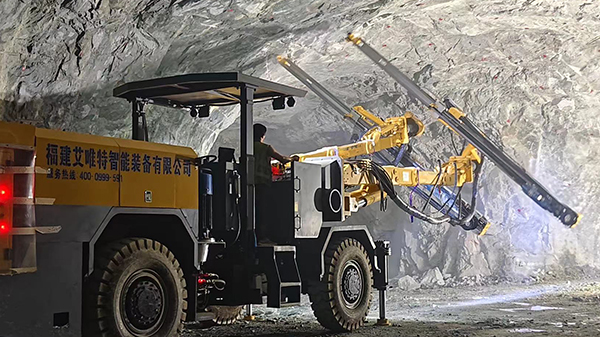
The global demand for minerals and underground infrastructure continues to drive innovation in hard rock excavation. At the heart of these operations are underground rock drill rigs, complex electro-hydraulic machines that determine the efficiency, safety, and economics of drilling and blasting cycles. Selecting and operating the right rig requires a deep understanding of rock mechanics, hydraulic systems, and automation trends. This article provides a technical deep dive into modern underground drilling equipment, addressing industry challenges and presenting data-backed solutions.
1. Core Technologies Defining Modern Underground Rock Drill Rigs
Today’s underground rock drill rigs have evolved from simple pneumatic tools into sophisticated mechatronic systems. Several key technological advancements separate high-performance rigs from conventional models.
1.1 Full Hydraulic Technology for Precision and Efficiency
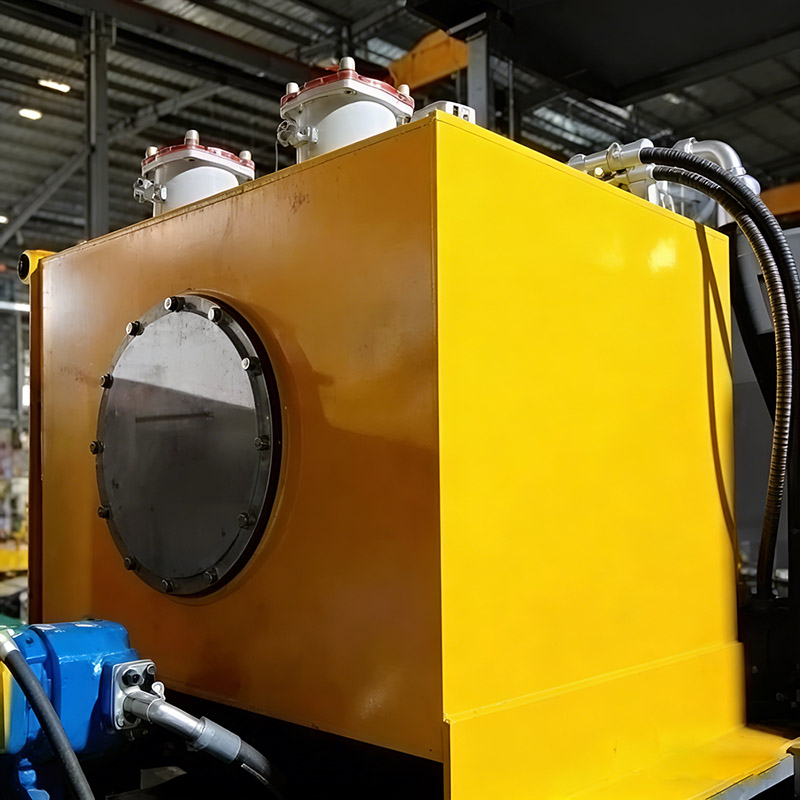
Full hydraulic technology has revolutionized drilling accuracy and energy efficiency. Unlike pneumatic systems, hydraulic drifters provide independent control of impact power, rotation speed, and feed force. This allows operators to optimize penetration rates based on real-time rock conditions. For example, Aivyter integrates advanced full hydraulic circuits in its AZT1-7200 series, enabling smooth, precise boom movements and consistent drilling performance even in fractured ground. The closed-loop hydraulic systems also reduce heat generation and component wear, directly impacting maintenance intervals and total cost of ownership.
1.2 Multi-Boom Jumbo Design and Face Coverage
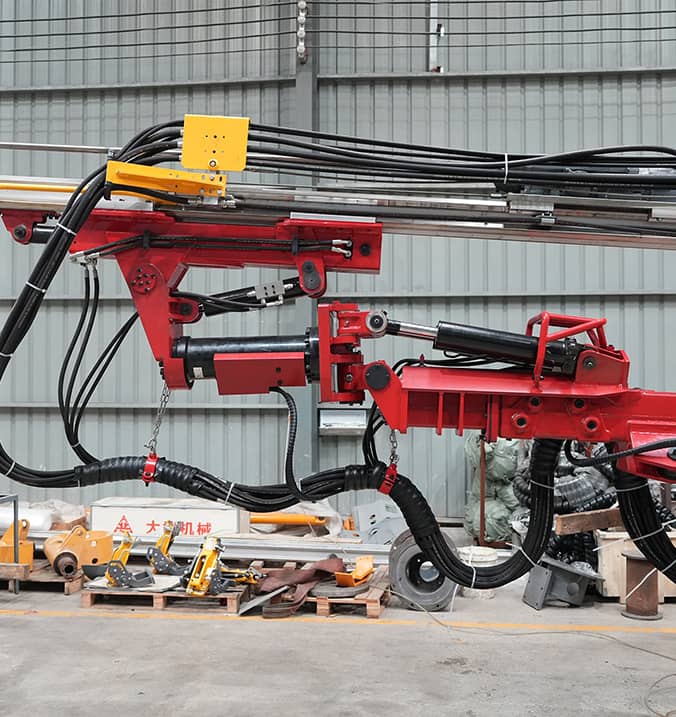
Modern development and production drilling demand maximum face coverage per setup. Multi-boom jumbos, typically equipped with two or three booms, allow simultaneous drilling of multiple holes, significantly reducing cycle times. Key design parameters include:
- Boom geometry: Articulated booms with parallel holding capability ensure accurate drill hole alignment for optimal tunnel profile and pull length.
- Feed length and design: Heavy-duty feeds with anti-jamming devices handle drill steels up to 20+ feet, crucial for long-round blasting.
- Drifter selection: High-frequency hydraulic drifters (e.g., 12-20 kW class) matched to rock hardness maximize drilling speed while minimizing drill steel stress.
The drill jumbo design found in rigs like the Aivyter models emphasizes compactness for tight spaces without compromising drilling coverage, a critical factor in narrow-vein mining.
1.3 Automation and Data Readiness
Semi-automated features are becoming standard. Computer-controlled drilling systems offer boom positioning guidance, automatic collaring, and anti-jamming functions. This not only boosts productivity but also ensures consistent hole depth and spacing, which improves fragmentation and reduces overbreak. Top-tier rigs now include telemetry systems that transmit drilling data (depth, speed, pressure) to surface control rooms for real-time optimization.
2. Addressing Operational Pain Points in Underground Drilling
Project managers and mine operators face persistent challenges: maintaining advance rates in hard rock, ensuring workforce safety, and controlling operational costs. Modern underground rock drill rigs are engineered specifically to mitigate these issues.
2.1 Maximizing Penetration Rates in Variable Geology
Unpredictable rock formations, from massive quartzite to sheared shale, can severely impact drill performance. Solutions include:
- Adaptive drilling control: Systems that automatically adjust impact pressure and feed force to maintain optimal penetration. This reduces the risk of stuck rods and bit damage.
- Bit optimization: Matching drill bit design (button shape, carbide grade) to rock abrasiveness. Specialized bits for high compressive strength (>250 MPa) rock can improve life by 30%.
- High-torque rotation units: Essential for clearing cuttings efficiently in soft, sticky ground, preventing bit balling.
2.2 Enhancing Safety Through Robust Engineering and Controls
Safety is non-negotiable. Aivyter prioritizes this with multiple layers of protection. Key safety features integral to modern rig design include:
- FOPS/ROPS certified cabins: Isolating operators from noise, dust, and vibration, with ergonomic controls to reduce fatigue.
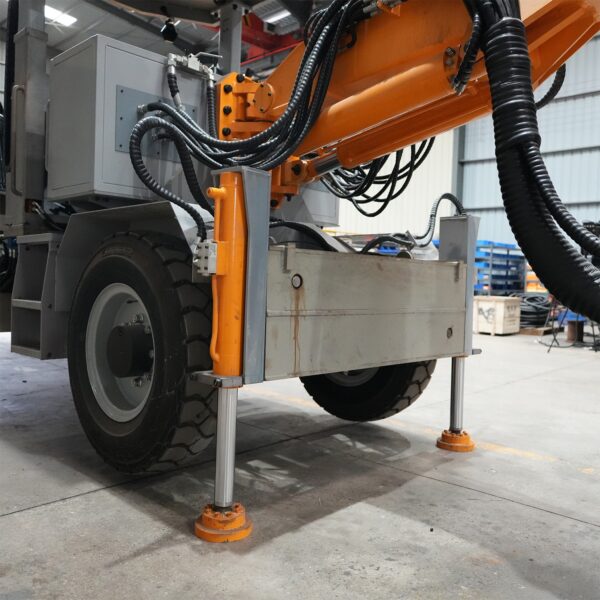
- Automated safety interlocks: Preventing boom movement during tramming and ensuring drill engagement only when stabilizers are set.
- Dust suppression and collection systems: Integrated water mist systems or dry collectors to capture silica dust, critical for long-term health compliance.
- Remote control capabilities: Allowing operators to drill from a safe distance in unstable ground conditions.
2.3 Reducing Total Cost of Ownership (TCO)
Beyond initial capital, maintenance and consumables dominate rig economics. Durable construction directly correlates with lower TCO. The robust, wear-resistant components used in platforms like the Aivyter AZT1-7200 are designed for 10,000+ operating hours before major overhauls. Strategies to minimize TCO include:
- Centralized lubrication systems: Ensuring all pivot points are automatically greased, extending bushing and pin life.
- Modular component design: Enabling quick replacement of drifters, feeds, or hydraulic pumps without extensive teardown.
- Predictive maintenance: Using onboard sensors to monitor hydraulic oil contamination and component temperatures, scheduling maintenance proactively.
3. Application-Specific Configurations for Mining and Civil Tunneling
No single rig fits all applications. Underground rock drill rigs are highly configurable based on the excavation method and tunnel profile.
3.1 Development Drilling in Hard Rock Mines
In mining, development drives access to ore bodies. Requirements include high-speed drilling of burn cuts, easers, and production holes. Rigs often feature:
- Two or three booms for large headings (up to 100+ m²).
- Heavy-duty drifters (18-25 kW) for rapid penetration in hard rock.
- Robust chassis with high ground clearance for steep ramps.
3.2 Infrastructure Tunneling
Civil projects like road, rail, and water tunnels demand precision for smooth walls to minimize concrete lining. Key features include:
- Computer-assisted drilling systems for accurate profile control.
- Long feeds for drill steels up to 6 meters to maximize round length.
- Integration with tunnel laser systems for alignment.
3.3 Rock Support and Bolting
Many jumbos double as bolting rigs. Combination drill-and-bolt rigs can drill holes and install mechanical or resin-anchored rock bolts in a single setup, essential for safe ground support immediately after blasting. Dedicated roof bolters with specialized magazines for bolt handling increase support installation rates by 40% compared to manual methods.
4. Selection Criteria: Matching Rig Specifications to Project Demands
Choosing the optimal rig requires a clear analysis of geological and operational parameters. When evaluating underground rock drill rigs, consider these technical specifications:
- Drilling diameter and depth: Match to blast design. Common ranges are 38-64 mm diameter for holes up to 5 meters deep.
- Boom coverage (width x height): Ensure a single setup covers the entire face without repositioning.
- Drifter power and frequency: Higher power (kW) and impact frequency (Hz) generally mean faster penetration in hard rock, but must match drill steel size.
- Power source: Diesel-powered for tramming flexibility, electric-drive for drilling (emission-free) in ventilated areas. Battery-electric rigs are emerging for zero-emission mines.
- On-board intelligence: Level of automation, data logging, and compatibility with mine-wide fleet management systems.
Aivyter provides detailed technical datasheets and application engineering support to help match their AZT1-7200 series to specific tunnel profiles and rock conditions, ensuring optimal productivity from day one.
5. The Future of Underground Drilling: Autonomy and Electrification
The next decade will see fundamental shifts in underground drilling technology. Full automation of drilling cycles, from face mapping to hole completion, is already operational in advanced mines. These systems use LIDAR and sensor fusion to create 3D face models and automatically plan drill patterns. Concurrently, electrification of auxiliary functions and the shift to battery-electric drivetrains for tramming will drastically reduce ventilation costs and carbon footprints. Manufacturers are also developing intelligent drilling algorithms that learn from rock response, continuously optimizing parameters without operator intervention. Underground rock drill rigs will increasingly become nodes in a connected, automated mine ecosystem.
Frequently Asked Questions (FAQ) About Underground Rock Drill Rigs
Q1: What is the average penetration rate for modern underground rock drill rigs in hard granite?
A1: Penetration rates depend on drifter power, rock quality, and bit type. A modern hydraulic drifter in the 18-20 kW class typically achieves 1.5 to 2.5 meters per minute in granite with 250 MPa compressive strength. Using premium carbide bits and optimized rotation can push rates towards 3 m/min, but feed force and flushing must be carefully managed.
Q2: How does full hydraulic technology improve drilling accuracy compared to pneumatic systems?
A2: Full hydraulic systems provide proportional control and constant force, eliminating the “hammering” effect of pneumatics. This results in smoother boom movements and precise hole alignment. They maintain consistent impact energy regardless of feed pressure, reducing drill string deflection and producing straighter holes with less deviation—critical for successful blasting.
Q3: What are the key maintenance intervals for a multi-boom jumbo?
A3: Daily checks include lubrication levels, filter indicators, and wear on drill steels. Major hydraulic oil changes are typically required every 1,000-2,000 operating hours, depending on oil analysis. Drifter overhauls are often scheduled between 4,000 and 8,000 hours. Rigs with robust construction, such as the Aivyter series, are designed for extended intervals between major component replacements when properly maintained.
Q4: Can underground rock drill rigs be used for both face drilling and rock bolting?
A4: Yes, many modern jumbos are universal. They can be equipped with quick-change couplers to switch between a drilling drifter and a bolting module. However, dedicated bolting rigs with bolt magazines and resin injectors are more efficient for high-volume ground support. Combination rigs are excellent for smaller operations or development faces where switching functions is less frequent.
Q5: What safety certifications should I look for in an underground drill rig?
A5: At a minimum, look for compliance with regional mining safety regulations (e.g., MSHA in the US). Key certifications include FOPS (Falling Object Protective Structure) and ROPS (Roll-Over Protective Structure) for the cabin. Electrical systems should meet explosion-proof standards (e.g., ATEX or IECEx) if used in gassy mines. Integrated safety features like automatic engine shutdown on low oil pressure or high coolant temperature are also essential.
Q6: How do I choose the right drill bit for my underground rock drill rig?
A6: Bit selection depends on rock abrasiveness and structure. For hard, abrasive rock, use bits with semi-ballistic or ballistic buttons made of wear-resistant carbide. For softer, fractured rock, larger gauge buttons and a more aggressive face design improve penetration. Always match the bit diameter and thread type to the drill steel and ensure the flushing hole design effectively removes cuttings. Consulting the rig manufacturer’s guidelines is recommended.
Selecting the right underground rock drill rigs is a strategic decision that impacts safety, productivity, and profitability for years. By focusing on proven hydraulic technology, robust construction, and a clear understanding of your specific rock conditions, you can ensure your underground excavation projects are built on a solid foundation.
about
Aivyter
We provides trusted air compressors and mining equipment, engineered for durability, efficiency, and demanding industrial applications.