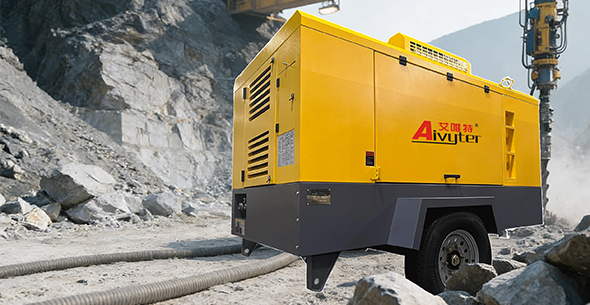
In heavy industries—whether it is a remote mining operation running 24/7 drills, a massive construction site powering pneumatic tools, or a precision engineering facility—the air end compressor is not merely a component; it is the operational heart. For engineering managers and procurement specialists, the selection, maintenance, and eventual replacement of this core unit dictate not just air delivery, but the entire lifecycle cost of a compressed air system. A suboptimal air end compressor leads to energy waste exceeding 30% of total operational expenditure, unplanned downtime costing thousands per hour, and a shortened asset lifespan. This article dissects the engineering nuances, failure modes, and selection criteria with a level of granularity required for true industry authority, referencing high-performance solutions like those engineered by Aivyter.
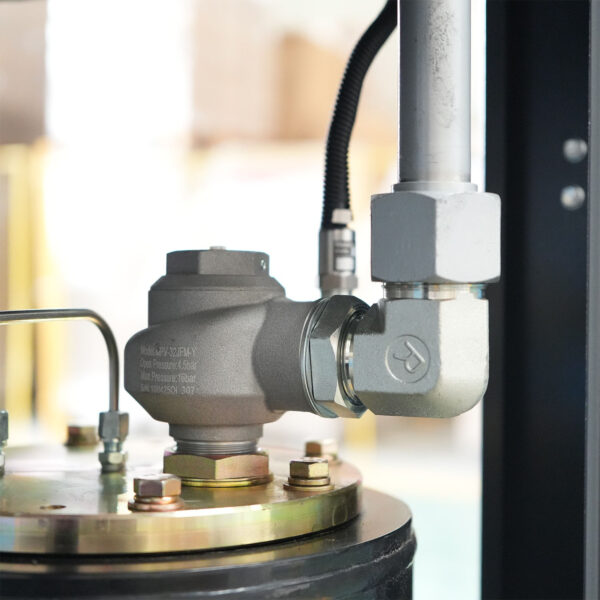
1. The Thermodynamic Anatomy: Why the Air End Defines System Efficiency
The air end compressor (often referred to as the airend or compressor block) is where electrical energy is converted into potential energy via fluid compression. In rotary screw configurations, which dominate the 5–500 kW industrial segment, the efficiency is dictated by the precision of two intermeshing helical rotors. The volumetric efficiency, specific power (kW per m³/min), and pressure stability all originate here.
1.1 Rotor Profile Geometry: The Unseen Efficiency Driver
Modern compression technology has moved beyond simple asymmetric profiles. Advanced rotor designs incorporate:
• **Optimized helix angles** (typically 200° to 300°) to minimize blow-hole area and internal leakage.
• **Surface finishing** – a mirror-like finish (Ra < 0.2 µm) reduces viscous drag and improves oil film sealing.
• **Material selection**: Hardened steel with nitride coating resists wear in particulate-laden environments common in cement or mineral processing.
A degraded air end compressor due to rotor wear can see a drop in isentropic efficiency by 8–12% before catastrophic failure, a loss often masked by increased motor amperage draw.
1.2 Oil Management and Bearing Systems
Unlike reciprocating units, screw air end compressors rely on a continuous oil circuit for sealing, cooling, and lubrication. The bearings must endure axial and radial loads exceeding 2,000 psi in high-pressure applications (15–30 bar). Heavy-duty tapered roller bearings with a calculated L10 life of 100,000 hours are the industry standard for critical infrastructure. When analyzing lifecycle cost, the bearing arrangement and oil filtration micron rating (1–3 µm absolute) directly correlate with the mean time between overhauls (MTBO).
2. Industry-Specific Applications and Engineering Demands
Different sectors impose unique duty cycles and stress factors on the air end compressor. A generic unit will fail prematurely under extreme conditions.
2.1 Mining and Quarrying: Particulate Ingress and High Ambient Temperatures
In open-pit mines, equipment operates in ambient temperatures exceeding 45°C, with silica dust concentrations up to 10 mg/m³. Here, the air end compressor requires:
– Heavy-duty air intake filtration with pre-filters (MERV 15 or higher).
– Oversized oil coolers to maintain viscosity.
– Casing designed to resist thermal shock during sudden rainfall on hot components.
Failure to account for these factors leads to rotor seizure due to dust carbonization within 3,000–5,000 hours, compared to a typical 20,000-hour expected lifespan.
2.2 Engineering and Manufacturing: Variable Flow Demands
Precision machining facilities require constant pressure with rapid load/unload cycles. A fixed-speed air end compressor operating with high turndown ratios suffers from inefficient modulation. Variable Frequency Drive (VFD) air ends maintain optimal rotor tip speeds (typically 15–30 m/s) even at 40% flow, reducing specific power consumption by up to 35%. For facilities running CNC machines and robotic lines, the pressure ripple tolerance must be < ±0.1 bar to prevent tool chatter and quality defects.
2.3 Industrial Construction: Portability and Impact Resistance
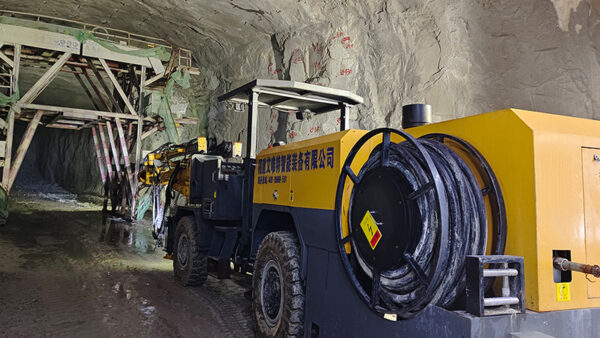
Mobile compressors used in tunneling or road construction require air end compressors with enhanced bearing systems to withstand constant vibration and tilting. The oil sump design must prevent starvation at inclines up to 25 degrees, a specification often overlooked in stationary-equipment-derived designs.
3. Performance Degradation: Diagnosing Air End Failures Before Breakdown
Proactive maintenance hinges on recognizing the subtle indicators of a failing air end compressor. Data-driven monitoring has superseded reactive strategies.
- Increased Operating Temperature: A sustained temperature rise of 8-10°C above baseline, despite clean coolers, indicates internal friction or bearing wear. For every 10°C increase, the degradation rate of lubricant doubles, accelerating rotor wear.
- Rising Specific Power: The most critical KPI. If the unit consumes more kW to deliver the same CFM, the air end compressor is losing volumetric efficiency. An increase of 5-7% signals imminent overhaul.
- Vibration Spectrum Analysis: Accelerometers detecting harmonics at rotational frequencies (1x, 2x, 3x) pinpoint bearing race wear. Non-synchronous vibrations indicate rotor contact or cavitation.
- Oil Analysis: Elevated iron, copper, and silicon particles confirm active wear. A silicon content >15 ppm often points to ingestion of fine dust bypassing the air filter, acting as an abrasive on the air end.
4. Total Cost of Ownership (TCO) Strategy: Refurbishment vs. Replacement
When performance flags, engineering managers face a strategic decision: overhaul the existing air end compressor or procure a new, high-efficiency unit. The calculation involves capital expenditure, energy costs, and downtime risk.
4.1 The Economic Case for Modern Air Ends
A new generation air end compressor with advanced rotor profiles and reduced internal leakage offers a 5-12% improvement in isentropic efficiency over a unit manufactured a decade ago. For a 250 kW compressor running 6,000 hours annually at $0.10/kWh, a 10% efficiency gain represents $15,000 in yearly savings. Manufacturers like Aivyter have engineered air ends that incorporate computational fluid dynamics (CFD)-optimized ports, reducing pressure drop and enhancing flow uniformity, directly contributing to lower lifecycle emissions and energy bills.
4.2 Precision Remanufacturing Standards
If refurbishing, the process must adhere to OEM specifications. This involves:
– **Rotor recoating**: Applying anti-friction coatings to restore original clearances (typically 0.025–0.075 mm).
– **Bearing replacement**: Using ABEC 7 or higher precision bearings.
– **Housing re-machining**: Correcting bore ovality caused by thermal cycling.
A poorly executed rebuild will fail within 12 months, costing more in labor and downtime than a certified replacement air end compressor.
5. Integration with Industrial IoT (IIoT) and Predictive Maintenance
Contemporary compressed air systems are shifting from scheduled to condition-based maintenance. The air end compressor is the primary sensor node in this ecosystem. Key parameters to monitor via IIoT platforms include:
- Vibration Velocity (mm/s RMS): According to ISO 10816-3, values exceeding 4.5 mm/s for rigidly mounted compressors indicate the need for analysis.
- Discharge Pressure Ripple: Abnormal fluctuations often precede valve or rotor issues.
- Energy Consumption per Unit Output: Real-time dashboards alert when the specific power deviates from baseline by a configurable threshold.
By integrating these metrics, facilities can schedule an air end compressor service during planned outages, eliminating the catastrophic costs associated with emergency shutdowns in continuous process industries.
6. Selecting for Sustainability: Carbon Footprint and Noise Abatement
Regulatory frameworks and corporate ESG goals are making the environmental impact of compressed air a board-level discussion. The air end compressor contributes to both direct (energy generation) and indirect (leakage) emissions.
High-efficiency air ends operating at lower specific power directly reduce Scope 2 emissions. Furthermore, advanced housing designs with integrated acoustic enclosures reduce operational noise from 85 dBA to below 75 dBA, mitigating hearing safety risks and complying with stricter OSHA and EU directives. When specifying equipment, request the CAGI (Compressed Air and Gas Institute) data sheet to verify performance claims against industry standards—a hallmark of transparent engineering.
The Strategic Asset
The air end compressor transcends its mechanical role to become a strategic asset that dictates energy budgets, production reliability, and environmental compliance. Moving beyond the commodity mindset to an engineering-focused approach—analyzing rotor dynamics, bearing quality, and operating envelope—yields measurable returns. Whether specifying for a new mine site, upgrading a manufacturing plant, or managing a fleet of construction equipment, prioritize the air end’s efficiency characteristics and robust construction. Partnering with established manufacturers ensures access to precision engineering and lifecycle support that mitigates technical risk.
Frequently Asked Questions (FAQs) on Air End Compressor Technology
Q1: What is the typical lifespan of a rotary screw air end compressor under heavy industrial conditions, and what factors shorten it?
A1: Under optimal conditions—clean intake air, proper lubrication, and stable temperature—a premium air end compressor can achieve 40,000 to 60,000 operating hours. However, in demanding environments like mining or high-humidity facilities, this can drop to 20,000–25,000 hours. The primary life-shortening factors are particulate ingestion (silica or dust), inadequate oil viscosity leading to metal-to-metal contact, frequent thermal cycling (repeated on/off cycles), and bearing fatigue from unaddressed misalignment.
Q2: How does a Variable Frequency Drive (VFD) affect the performance of an air end compressor?
A2: A VFD modulates the motor speed to match air demand, allowing the air end compressor to maintain optimal rotor tip speeds across a wide flow range. Unlike inlet modulation (which is inefficient at partial load), a VFD-driven air end reduces specific power consumption by up to 35% at 60% load. It also minimizes electrical inrush currents and reduces mechanical stress on bearings and rotors during start/stop cycles, extending overall service life.
Q3: What are the most reliable indicators that my air end compressor requires immediate attention or overhaul?
A3: The three most critical indicators are: (1) A sustained increase in discharge temperature beyond 10°C of normal levels despite clean coolers; (2) A measurable rise in specific power (kW/CFM) by 8% or more, indicating internal leakage or friction; (3) Vibration velocity exceeding 4.5 mm/s RMS on the bearing housings. Additionally, oil analysis showing high ferrous debris (>50 ppm) or silicon particles confirms internal wear.
Q4: Can I replace my existing air end compressor with a higher-capacity unit to accommodate future expansion?
A4: It is technically possible but requires careful system engineering. A larger air end compressor necessitates verifying the motor power, piping diameter, aftercooler capacity, and electrical infrastructure. Oversizing without corresponding adjustments leads to short-cycling, reduced efficiency, and increased moisture carryover. A better strategy is to consider a master-slave configuration with multiple units for staging, ensuring optimal turndown and redundancy.
Q5: What advanced materials are used in modern high-efficiency air ends to combat wear in abrasive environments?
A5: High-performance units now utilize hardened steel rotors with a proprietary nitrided or ceramic-based coating (e.g., PTFE-infused or diamond-like carbon) that provides a surface hardness exceeding 70 HRC. Bearing assemblies are shifting toward hybrid ceramic ball bearings, which resist electrical fluting from VFD systems and offer lower friction. Housing materials often incorporate nodular cast iron with higher tensile strength to maintain critical clearances under thermal stress, ensuring longevity even in contaminated intake conditions.
For detailed technical specifications and lifecycle analysis tools regarding air end compressor solutions, consult the engineering resources provided by Aivyter, which offers application-specific guidance for heavy industrial sectors.
about
Aivyter
We provides trusted air compressors and mining equipment, engineered for durability, efficiency, and demanding industrial applications.