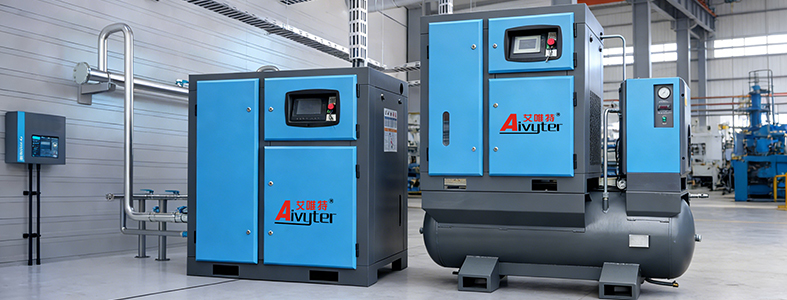
Procurement managers in mining, construction, and heavy manufacturing frequently ask for a simple screw type compressor price list. However, quoting a single number without context is misleading. A 75 kW rotary screw unit from a tier-three manufacturer may have a lower upfront cost, but its specific power (kW per m³/min) and maintenance intervals can double the energy bill within two years. This guide provides a transparent breakdown of what actually determines screw type compressor price — from motor efficiency and drive technology to auxiliary components and regional logistics — and then quantifies the 10-year lifecycle cost. Whether you operate a fixed-speed machine or a variable speed drive (VSD) system, understanding these parameters ensures you pay for value, not just metal.
The 7 Technical Variables Behind Screw Type Compressor Price
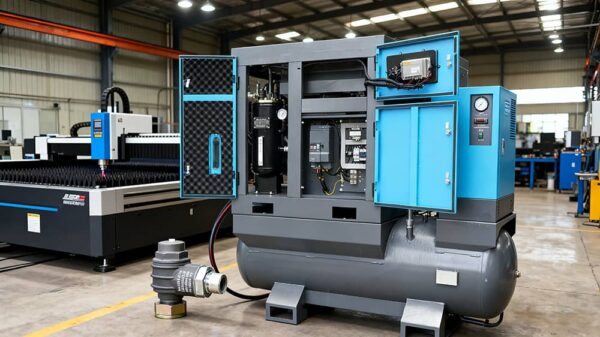
Industrial rotary screw compressors are not commodities. Their manufacturing complexity and performance features create wide price bands. Below are the engineering factors that directly impact the final quotation.
1. Power Rating (kW) and Displacement
The most obvious driver of screw type compressor price is the installed motor power, typically ranging from 7.5 kW to 500 kW for industrial units. However, price per kW decreases as size increases (economies of scale). For example, a 30 kW compressor may cost $8,000–$12,000, while a 160 kW unit costs $25,000–$40,000 — not a linear multiplier. Always request the free air delivery (FAD) in m³/min at a specified pressure (e.g., 7 bar). Two machines with identical kW can have different FAD due to airend design and rotor profiles.
2. Drive Technology: Fixed-Speed vs. Variable Speed Drive (VSD)
A variable speed drive (VSD) compressor adds a premium of 25–40% compared to a fixed-speed unit. That premium translates into 25–35% energy savings in fluctuating demand applications. For a 132 kW compressor operating 6,000 hours/year, the additional $15,000–$20,000 upfront cost is recovered within 6–14 months via reduced electricity bills. Therefore, when evaluating screw type compressor price, consider whether your load profile justifies VSD. Continuous 100% load operations benefit less from VSD.
3. Efficiency Class (IE3, IE4, IE5 Motor)
Premium-efficiency motors (IE4/IE5) cost 15–30% more than standard IE2 or IE3 motors, but they reduce electrical losses by 5–8% at full load. Over a decade, that efficiency difference pays for itself many times. Permanent magnet motors (IE5) are increasingly common in high-end rotary screw air compressors, especially in VSD configurations, due to their superior low-speed torque.
4. Airend Quality and Rotor Profile
The airend (the screw element) is the heart of the compressor. Asymmetric rotor profiles from brands like GHH-Rand, Aerzen, or Atlas Copco cost more but deliver 5–12% higher volumetric efficiency and longer service life. Budget manufacturers often use older symmetric profiles, which increase specific power consumption. The difference in screw type compressor price between a premium airend and an economy one can be $3,000–$8,000 for a 90 kW unit, but the energy penalty may exceed $10,000 per year.
5. Cooling System Design
Air-cooled vs. water-cooled systems affect both initial price and installation cost. Air-cooled units are simpler and cheaper upfront (saving $2,000–$5,000), but they require larger ventilation ducts and perform poorly in ambient temperatures above 40°C. Water-cooled compressors need a cooling tower or city water connection, increasing project costs by $5,000–$15,000, yet they offer stable operation in hot environments and lower indoor heat rejection.
6. Control and Connectivity
Basic electromechanical controls add little to the price, but advanced microprocessor controllers with remote monitoring, Modbus/Profibus integration, and multi-compressor sequencing add $1,500–$6,000. For mines and large plants, this connectivity is mandatory for predictive maintenance and energy management systems (ISO 50001).
7. Material Quality and Air Treatment Package
Corrosion-resistant coatings, stainless steel piping, and oversized separators increase longevity in harsh environments (e.g., offshore or chemical plants). Additionally, the price often includes an integrated air treatment package: dryer, filters, and condensate management. A refrigerated air dryer adds $1,000–$5,000 depending on flow rate. Ignoring these components leads to underestimating the total system cost.
Hidden Costs That Inflate the Effective Screw Type Compressor Price
Many buyers focus only on the equipment purchase price, missing four major expense categories:
- Freight and rigging: Heavy compressors (1–5 tons) require special transport and lifting gear. Remote mine sites may add $2,000–$10,000 in logistics.
- Installation and piping: Proper foundation, vibration isolation, electrical cabling (VFD-grade cables), and steel piping add 10–20% to the equipment cost.
- Commissioning and training: Factory startup by a certified engineer typically costs $1,500–$4,000 plus travel expenses.
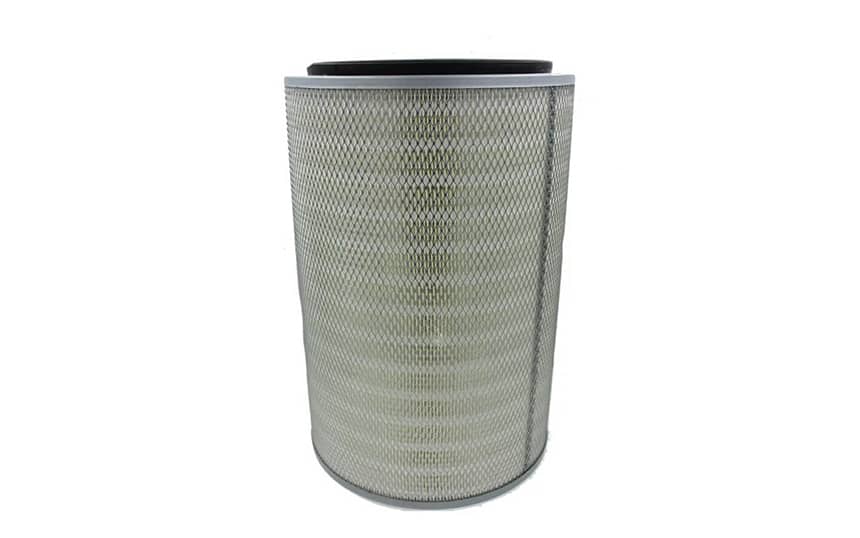
- Maintenance parts inventory: Many vendors require stocking specific oil, filters, and separator elements. Annual maintenance consumables for a 75 kW unit range from $800 to $2,500.
Therefore, a quoted screw type compressor price of $18,000 might balloon to $28,000 delivered, installed, and ready to run. Always request a “turnkey” proposal that itemizes all auxiliary costs.
Regional Price Variations and Market Trends
Compressor pricing differs significantly by region due to tariffs, local manufacturing, and distribution models. In North America and Europe, certified energy efficiency (e.g., CAGI data sheets, Class 0 oil-free) adds a premium. In Southeast Asia and the Middle East, Chinese-manufactured units can be 30–50% cheaper, but they often lack local technical support and spare parts availability. For mission-critical applications, the risk of downtime outweighs upfront savings. Aivyter maintains global stocking locations and offers region-specific certifications, balancing initial screw type compressor price with after-sales reliability.
Total Cost of Ownership (TCO) Model: Real Numbers
A credible procurement decision requires a 10-year TCO comparison. Consider two 132 kW compressors:
- Compressor A: Low upfront price ($22,000), IE3 motor, fixed-speed, standard airend, basic controls.
- Compressor B: Higher upfront price ($34,000), IE5 PM motor, VSD, premium airend, remote monitoring.
Operating assumptions: 6,500 hours/year, electricity $0.12/kWh, average load factor 65%, maintenance cost $0.012 per m³ (industry average).
Compressor A – Energy consumption: 132 kW × 6,500 hrs × 0.85 (load/unload inefficiency) = 729,300 kWh/year → $87,516/year energy. Maintenance: $3,500/year. Total annual operating = $91,016. Over 10 years: $910,160 + $22,000 initial = $932,160.
Compressor B – VSD energy consumption: 132 kW × 6,500 hrs × 0.55 (VSD efficiency factor) = 471,900 kWh/year → $56,628/year energy. Maintenance: $4,200/year (VFD service). Total annual = $60,828. Over 10 years: $608,280 + $34,000 initial = $642,280.
Savings with Compressor B: $289,880 over 10 years. The higher screw type compressor price of Compressor B ($12,000 more) is recouped in less than 8 months, and then generates $28,000 net savings annually thereafter. This example demonstrates why professional buyers never choose based on upfront price alone.
Application-Specific Cost Justification
Mining and Tunneling
Dust, voltage fluctuations, and remote locations demand ruggedized compressors with oversized filters and IP54 enclosures. These features add 15–20% to the base price but prevent catastrophic failures. Aivyter offers mining-specific packages with vibration-resistant VFDs and telemetry units, ensuring that the screw type compressor price reflects true field durability.
Construction and Temporary Sites
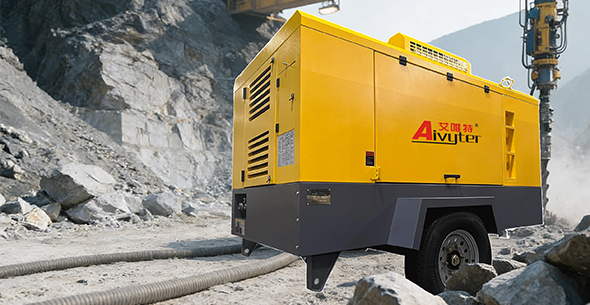
Portable diesel screw compressors have different cost structures: purchase price plus fuel and mobility. A 250 cfm portable unit may cost $15,000–$25,000, but fuel consumption dominates TCO. Newer Tier 4 Final engines add $5,000–$8,000 to meet emission standards. Rental is often more economical for projects under 6 months.
Industrial Manufacturing (24/7 operations)
For high-utilization factories, a VSD compressor with heat recovery can achieve payback in under 12 months. Heat recovery captures 70–80% of input energy as hot water (60–90°C), replacing boiler fuel. The additional hardware for heat recovery adds $3,000–$8,000, but the annual fuel savings often exceed $15,000.
How to Get Accurate Quotes Without Overpaying
When requesting a screw type compressor price from suppliers, provide the following data to receive comparable proposals:
- Required flow (m³/min or cfm) at minimum and maximum pressure (bar/psi).
- Load profile: percentage of time at 100%, 75%, 50%, 25% load.
- Ambient temperature range and altitude.
- Electrical supply: voltage, frequency, available fault current.
- Desired control type: local panel only, PLC integration, or cloud monitoring.
- Acceptable oil carryover (ppm) and air quality class (ISO 8573-1).
Reputable vendors like Aivyter will respond with a detailed technical proposal, including CAGI performance data sheets and a 10-year TCO simulation. Avoid suppliers who only provide a one-line price without efficiency curves.
Frequently Asked Questions (FAQ)
Q1: Why does the screw type compressor price vary so much between brands for the same horsepower?
A1: Differences arise from airend technology (asymmetric vs. symmetric rotors), motor efficiency (IE2 to IE5), drive type (fixed vs. VSD), material quality (cast iron vs. aluminum, bearing grade), control sophistication, and after-sales support network. A brand offering a 30% lower price often uses older rotor profiles and standard efficiency motors, increasing energy consumption by 15–20% — which adds tens of thousands of dollars to operating costs over five years.
Q2: Is it worth paying a premium for a variable speed drive (VSD) compressor?
A2: For any application where air demand fluctuates by more than 20% during a shift — typical in mining, construction, and batch manufacturing — yes. The additional upfront cost (25–40%) is recovered through energy savings in 6–14 months. For steady 100% load applications (e.g., continuous pneumatic conveying), a fixed-speed unit may be more cost-effective. Run a load profile analysis before deciding.
Q3: What hidden costs are often excluded from the initial screw type compressor price?
A3: Commonly excluded items: freight to site (especially remote areas), customs duties, foundation and vibration pads, electrical wiring and disconnect switches, air piping and fittings, commissioning by factory engineer, first fill of synthetic lubricant, and spare filter kit. Always request an “installed and commissioned” price to avoid budget overruns of 20–35%.
Q4: How does the price of an oil-free screw compressor compare to an oil-injected unit?
A4: Oil-free rotary screw compressors (dry type) typically cost 60–100% more than equivalent oil-injected models due to precision-coated rotors, stainless steel timing gears, and multiple stages. However, industries like food & beverage, pharmaceuticals, and electronics require Class 0 oil-free air. For most mining and construction applications, oil-injected units with high-efficiency separators (oil carryover < 3 ppm) are sufficient and far more economical.
Q5: Can I negotiate the screw type compressor price for a multi-unit order?
A5: Yes, volume discounts of 5–15% are common for orders of three or more units, especially when purchasing a complete air room (multiple compressors, dryers, filters, and receivers). Additionally, ask about factory promotions, trade-in programs for old equipment, and extended warranty packages. Aivyter provides tiered pricing for fleet buyers and includes remote monitoring subscriptions free for the first two years on orders above $100,000.
Make the Data-Driven Procurement Choice
The screw type compressor price is not a single number but a function of technical specifications, operating conditions, and lifecycle economics. Low upfront cost often conceals high energy and maintenance expenses. Engineering-driven buyers calculate the 10-year TCO, request verified performance curves (CAGI or ISO 1217), and select a compressor that matches their load profile — not the lowest bid.
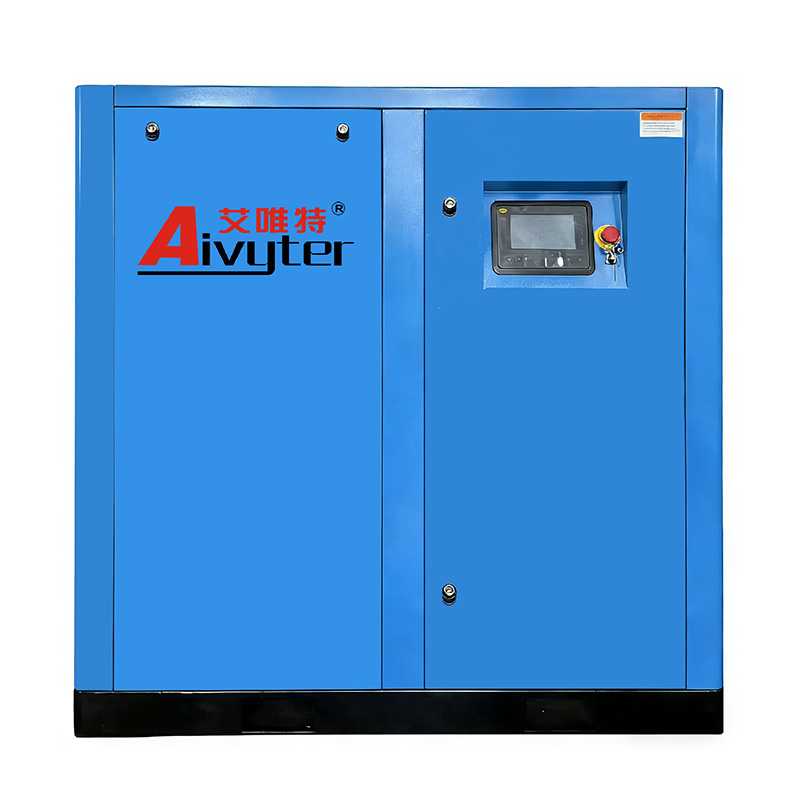
Aivyter provides transparent quotations with full lifecycle analysis, including energy simulations based on your actual production data. Their SGPM series VSD compressors and fixed-speed industrial units are built for heavy-duty continuous operation, with global service support.
Ready to optimize your compressed air investment? Send an inquiry to Aivyter’s engineering team to receive a customized TCO comparison and a firm turnkey price for your specific site conditions.
about
Aivyter
We provides trusted air compressors and mining equipment, engineered for durability, efficiency, and demanding industrial applications.