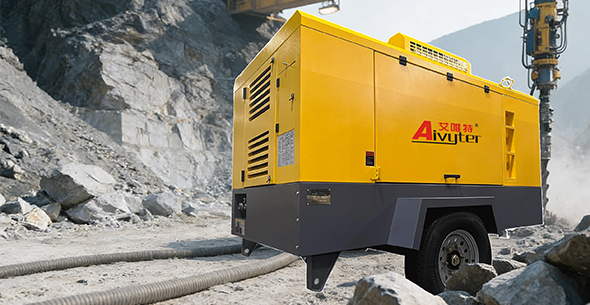
The evolution of industrial compressed air technology has transitioned from simple mechanical displacement to highly sophisticated, electronically controlled systems. Among these advancements, the permanent magnet screw compressor stands as a significant milestone in engineering. By integrating rare-earth permanent magnet motors with rotary screw air ends, these systems address the fundamental challenges of energy waste and mechanical wear that have plagued traditional induction motor systems for decades.
In heavy industries such as mining, large-scale manufacturing, and infrastructure construction, the demand for compressed air is rarely constant. Fluctuations in production cycles often lead to inefficient partial-load operations. Traditional fixed-speed compressors waste substantial energy through frequent unloading cycles or blow-off losses. This is where permanent magnet screw compressor technology provides a robust solution, offering precise pressure control and superior energy efficiency across a wide range of operational speeds.
The Physics of Permanent Magnet Motor Integration
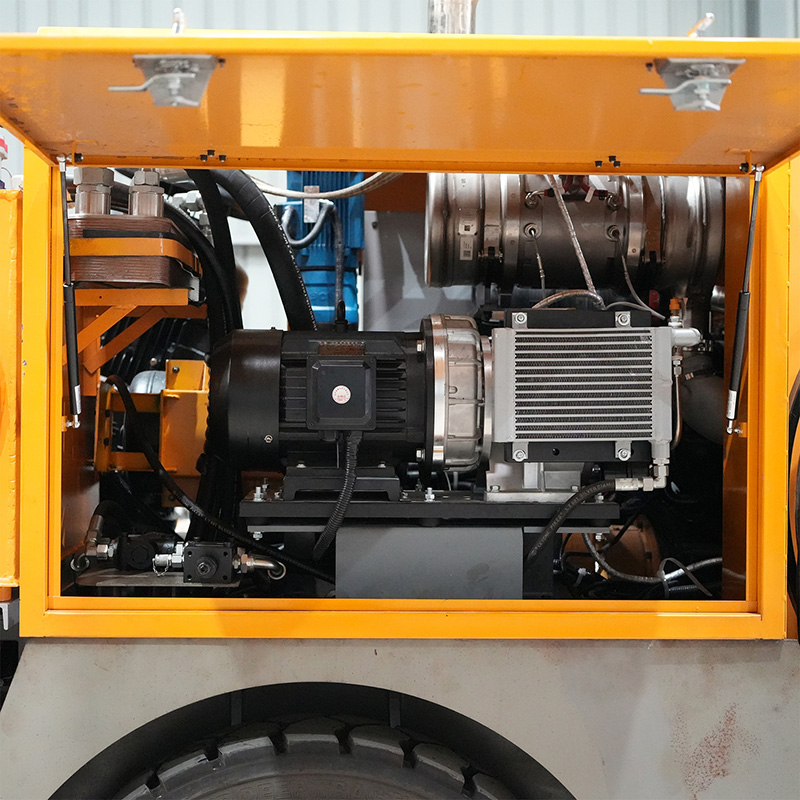
To understand the superiority of these systems, one must examine the motor architecture. Unlike standard AC induction motors that rely on electromagnetic induction to create a magnetic field in the rotor—a process that generates heat and causes energy loss—a permanent magnet (PM) motor utilizes high-coercivity NdFeB (Neodymium Iron Boron) magnets. These magnets maintain a constant magnetic field without requiring external electrical excitation.
The result is a motor with significantly higher efficiency, often exceeding IE4 or even IE5 standards. When combined with a variable frequency drive, the motor maintains high torque even at low rotational speeds. This characteristic is vital for air compressors, as it allows the system to start under pressure without the massive current spikes associated with star-delta starters. Manufacturers like Aivyter have perfected this integration to ensure that the motor and the air end operate in perfect synchronicity, minimizing energy loss at the coupling point.
Eliminating Excitation Losses
In a conventional motor, approximately 3% to 5% of energy is consumed simply to magnetize the rotor. In a permanent magnet screw compressor, these excitation losses are virtually eliminated. This efficiency gain is particularly noticeable during partial load operations, where the PM motor retains its efficiency curve while induction motors see a sharp decline in performance.
Addressing Industry Pain Points: Energy and Maintenance
The primary concern for plant managers in the B2B sector is the Total Cost of Ownership (TCO). Statistics indicate that energy consumption accounts for nearly 75% of the lifetime cost of an air compressor. High energy prices and carbon neutrality targets have made specific power a primary KPI for procurement teams.
- Energy Waste in Unloaded States: Fixed-speed compressors continue to run even when the air demand is zero, consuming about 30% of their full-load power. The permanent magnet screw compressor eliminates this by using a VFD controlled system that adjusts the motor speed in real-time to match the actual air demand.
- Mechanical Wear and Tear: Traditional systems often use belts or gears to connect the motor to the air end. These components require regular tensioning, lubrication, and replacement. Many PM designs utilize a direct-drive integrated shaft, removing the need for bearings in the motor itself or eliminating the coupling altogether.
- Pressure Stability: Fluctuating air pressure can damage sensitive pneumatic tools and affect the quality of end products. The rapid response of a PM motor ensures a constant pressure output within a range of ±0.1 bar.
Advanced Cooling and Thermal Management
Thermal stability is a prerequisite for the longevity of a permanent magnet screw compressor. High temperatures can lead to demagnetization of the rare-earth magnets if the motor design is inferior. Leading engineering firms like Aivyter employ advanced cooling techniques to mitigate this risk.
Two primary cooling methods dominate the market: air-cooling and liquid-cooling (often oil-cooled). Oil-cooled PM motors are particularly effective because they use the compressor’s own lubricating oil to cool the motor windings and magnets. This ensures that the motor remains within an optimal temperature range regardless of the ambient environment, making it suitable for high-temperature mining sites or confined industrial basements.
The Role of Two-Stage Compression
To further enhance efficiency, many high-end PM systems incorporate two-stage compression air ends. By dividing the compression process into two distinct stages, the system reduces the compression ratio of each stage. This leads to a reduction in internal leakage and approaches a more isothermal compression process. When paired with PM motor technology, the energy savings can reach up to 35% to 50% compared to traditional single-stage fixed-speed units.
Application Scenarios in Engineering and Construction
The versatility of the permanent magnet screw compressor makes it a preferred choice across diverse sectors:
Mining and Tunneling
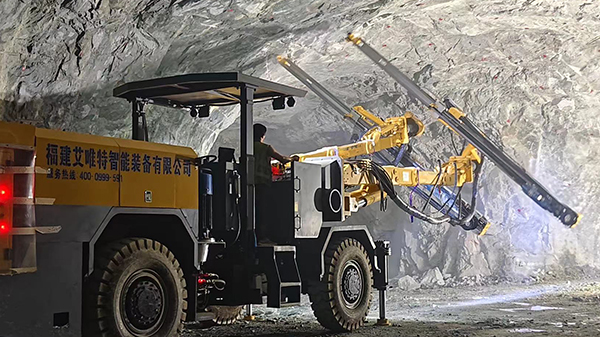
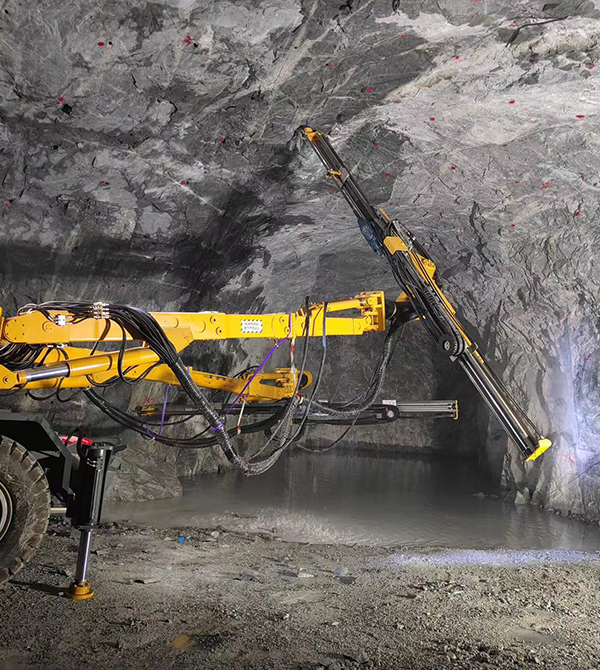
In mining, air compressors power pneumatic drills and ventilation systems. These environments are characterized by dust and varying workloads. A PM compressor with an IP65 protection rating for its motor ensures that contaminants do not interfere with the magnetic field or the internal components, providing reliable air flow in the most demanding conditions.
Manufacturing and Assembly Lines
Modern manufacturing requires precision. The ability of the PM system to maintain constant pressure ensures that robotic arms and pneumatic actuators function with repeatable accuracy. Furthermore, the low noise levels of these units—often 10-15 dB(A) lower than traditional models—improve the working environment for factory personnel.
Textile and Food Processing
These industries require large volumes of air but are extremely sensitive to energy costs. The oil-free permanent magnet variants or high-efficiency oil-injected models allow these facilities to scale production without a linear increase in utility bills.
Comparing PM Motors vs. Standard VFD Motors
It is a common misconception that any VFD-equipped compressor is equivalent to a PM compressor. While a standard VFD compressor uses an induction motor with an external frequency converter, the PM version uses a synchronous motor designed specifically for variable speed operation. Induction motors have a “sweet spot” for efficiency, usually around 80% load. Their efficiency drops significantly at lower speeds. In contrast, the PM motor maintains a nearly flat efficiency curve from 20% to 100% speed. This distinction is what defines the high-performance permanent magnet screw compressor as a superior industrial tool.
Operational Longevity and Reliability
Reliability in the B2B context means minimizing unscheduled downtime. The simplified structure of a PM motor—fewer bearings, no belts, and no gears—directly translates to fewer failure points. Furthermore, the soft-start capability of the inverter protects the mechanical components from the harsh physical shock of sudden torque, extending the lifespan of the rotary screw rotors.
Aivyter focuses on the synergy between the smart controller and the hardware. Modern systems include remote monitoring capabilities, allowing operators to track discharge temperature, pressure, and frequency via mobile or desktop interfaces. This proactive approach to maintenance ensures that potential issues are identified before they lead to system failure.
Selecting the Right Compressed Air Partner
Investing in a permanent magnet screw compressor is not merely a purchase of machinery; it is a strategic decision to optimize operational overhead. By focusing on high-grade materials, advanced motor cooling, and intelligent control systems, companies can achieve a rapid return on investment through energy savings and reduced maintenance requirements. As industrial standards continue to move toward greener and more efficient practices, PM technology remains the benchmark for performance.
Frequently Asked Questions
Q1: What is the main difference between a permanent magnet motor and a standard induction motor in a compressor?
A1: The primary difference lies in the rotor construction. A PM motor uses permanent magnets to create a magnetic field, eliminating the electrical losses associated with magnetizing a standard induction rotor. This results in higher efficiency, especially at low speeds.
Q2: Can a permanent magnet screw compressor operate in harsh, dusty environments?
A2: Yes, provided the motor is rated correctly (e.g., IP65 or higher). Many PM compressors use an enclosed oil-cooled motor design which protects the internal components from dust, moisture, and chemical corrosion better than open-air-cooled induction motors.
Q3: How much energy can I realistically save by switching to a PM compressor?
A3: Depending on your air demand profile, a PM compressor can save between 30% and 50% of energy compared to a fixed-speed compressor. The savings are most significant in facilities with fluctuating air requirements.
Q4: Is the maintenance of a PM motor more complicated than a standard one?
A4: Actually, it is often simpler. Since many PM motors are direct-drive and integrated with the air end, there are no belts to change or pulleys to align. Some designs even eliminate motor bearings entirely, reducing the number of consumable parts.
Q5: Do the magnets in the motor lose their magnetism over time?
A5: High-quality NdFeB magnets are designed to last for the lifetime of the compressor. As long as the motor is operated within its specified temperature limits and the cooling system is maintained, demagnetization is not a concern.
Are you looking to reduce your plant’s energy consumption and improve compressed air reliability? Contact our technical team today for a comprehensive air audit and a customized inquiry on how Aivyter solutions can optimize your production line.
about
Aivyter
We provides trusted air compressors and mining equipment, engineered for durability, efficiency, and demanding industrial applications.