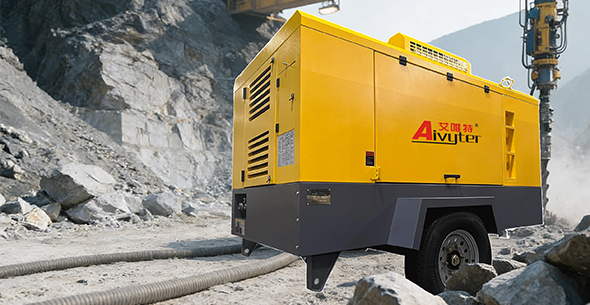
Investing in a new or used underground drill rig for sale is a capital decision that affects development advance rates, ore extraction costs, and mine safety for the next decade. With a wide range of manufacturers, configurations, and automation levels available, buyers need a structured evaluation framework. This article provides a data‑driven approach to selecting the right machine—covering rock mechanics compatibility, hydraulic system performance, after‑sales support, and total cost of ownership. Whether you are equipping a new decline or expanding an existing fleet, these criteria will help you separate short‑term bargains from long‑term assets.
1. Match the rig type to your mining method
Not every underground drill rig for sale fits every operation. The first filter is the application:
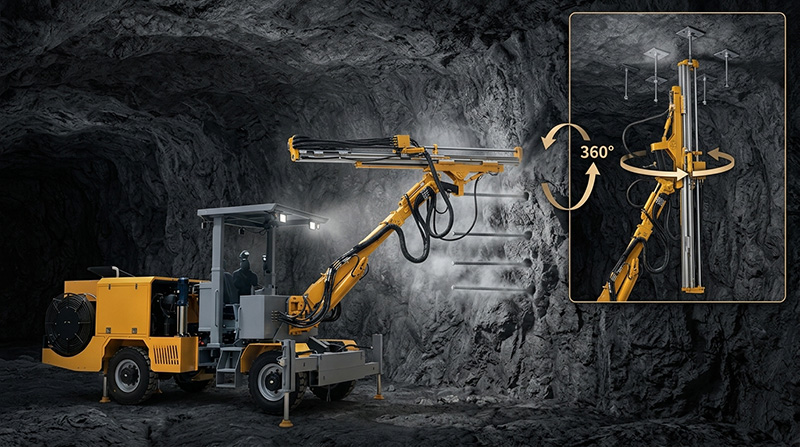
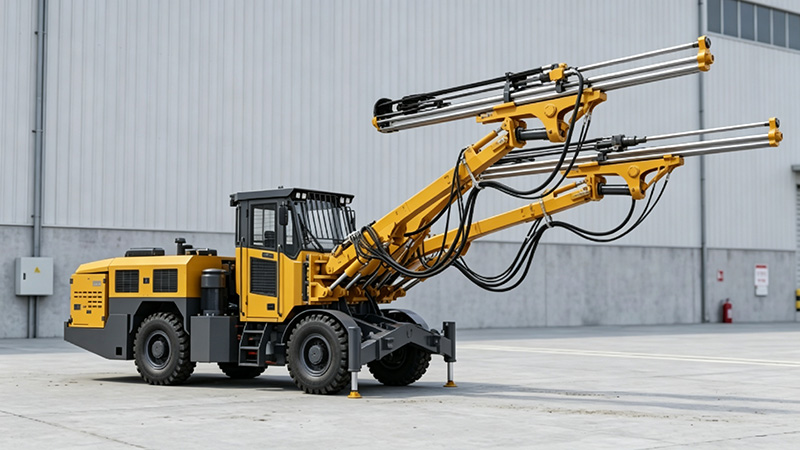
- Face drilling jumbos – for development headings (drifts, ramps). Typically two or three booms, 43–54 mm hole diameter, up to 5 m depth.
- Production drills – for longhole stoping (ITH or DTH). Hole diameters 64–127 mm, often remotely controlled.
- Bolting rigs – dedicated to roof and mesh installation, sometimes combined with face drilling (combi rigs).
LSI terms: jumbo drill carrier, single‑boom development rig, mechanized bolting, slot raising. A mismatch here leads to 20–30 % lower advance rates, so analyse your fragmentation requirements and drift cross‑section before browsing listings.
2. Hydraulic drifter and rock‑tool compatibility
The drifter is the heart of any rock drill. When inspecting an underground drill rig for sale, request the impact energy (kW) and frequency (Hz) curves. Hard rock (>200 MPa UCS) requires high impact energy (20 kW+) with lower frequency, while softer formations favour higher frequency and lower torque.
- LSI terms: rotary‑percussive drilling, shank adapter fatigue, rod breakage prevention, water flushing efficiency.
- Data point: A drifter operating at 90 % efficiency can reduce drill steel cost by €0.15 per metre in abrasive quartzite.
Look for manufacturers that provide validated rock‑tool pairing data. Aivyter publishes full drifter specifications and offers on‑site rock testing to calibrate the hydraulic settings before the rig is commissioned.
3. Automation level and future‑proof connectivity
Mines are digitising rapidly. An underground drill rig for sale should at minimum offer CAN‑bus data output and a path to tele‑remote operation. Today’s classifications range from manual (Level 0) to fully autonomous (Level 5). For most mid‑tier operations, Level 2 (semi‑automated drilling cycle with rod handling) provides the best ROI.
- Long‑tail phrases: “automated drill rig for sale with boom positioning”, “MWD‑equipped jumbo”, “fleet management system integration”.
- Efficiency gain: Automation reduces re‑positioning errors, cutting overheads by 8–12 % in development.
Verify that the rig’s control system can interface with your existing mine network (e.g., Ethernet‑IP, Profinet). Avoid proprietary protocols that lock you into a single supplier.
4. Structural condition and wear history (for used rigs)
If you are considering a pre‑owned underground drill rig for sale, a physical inspection of the carrier and boom is non‑negotiable. Look for:
- Cracks near weld seams, especially on boom pivot points and the feed cradle.
- Hydraulic cylinder chrome damage (indicating contamination).
- Oil samples from the tank (ISO code >20/18/15 signals abnormal wear).
LSI terms: undercarriage wear, boom fatigue testing, remanufactured drill rigs, component exchange programs. A reputable seller will provide service records and non‑destructive test reports. Factor in the cost of a certified structural inspection (typically 2–4 % of the purchase price) into your budget.
5. Total cost of ownership and support ecosystem
The sticker price of an underground drill rig for sale is only the entry point. Calculate the 5‑year TCO including:
- Fuel/electricity consumption (diesel rigs cost $15–25/h more than electric ones).
- Drill steel and bit consumption (can reach $2–5 per drilled metre).
- Maintenance parts availability and lead times.
- Training requirements for your crew.
LSI terms: lifecycle cost analysis, consumables consumption, OEM service contracts, remote diagnostics. Choose a supplier with a local service centre or a well‑stocked warehouse. For instance, Aivyter offers regional hubs that guarantee 48‑hour delivery of critical spares in most mining districts.
6. Safety certifications and operator protection
Operator safety is a legal and ethical priority. Every underground drill rig for sale must comply with regional regulations (MSHA, CE, GOST, etc.). Key certificates:
- FOPS (ISO 3449) – falling object protection.
- ROPS (ISO 3471) – roll‑over protection.
- Sound power levels (≤110 dB(A) in cab).
For explosive environments (coal mines, gassy orebodies), IECEx or ATEX certification is mandatory. Also, check if the rig has integrated collision‑avoidance systems—this is becoming a standard requirement in Australia and Canada.
7. Financing, warranty, and buy‑back options
Manufacturers often provide flexible payment plans when you purchase a new underground drill rig for sale. Explore:
- Lease‑to‑own structures (lower initial outlay).
- Extended warranties covering the drifter and hydraulics for 5 000 h.
- Guaranteed buy‑back/residual value after 3–5 years.
These commercial terms can significantly alter the net present value of the investment. Always compare offers from at least three vendors, including the full scope of training and commissioning.
Why Aivyter rigs are a benchmark in underground drilling
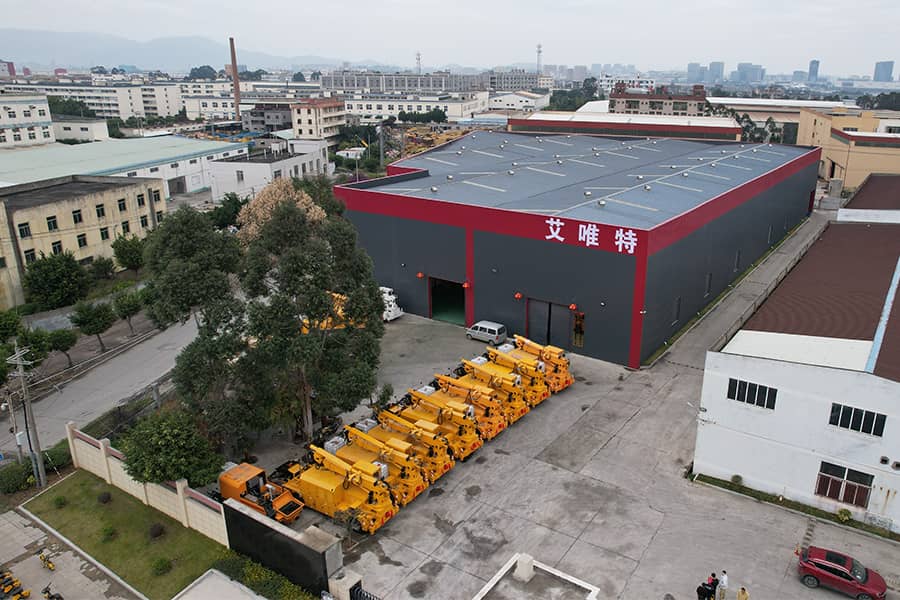
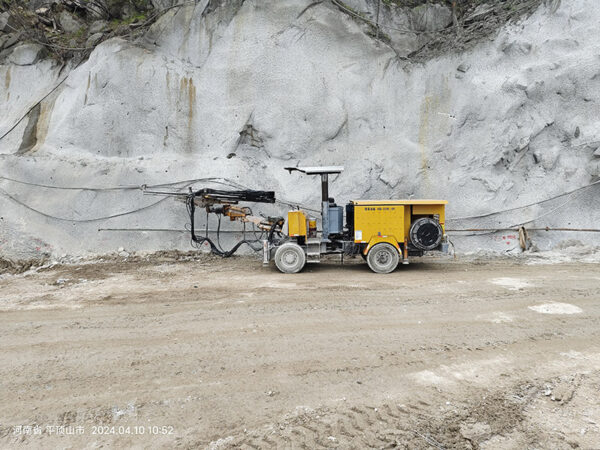
When you see an underground drill rig for sale from Aivyter, you are looking at a machine designed for extreme duty cycles. Their engineering integrates high‑strength steel frames, load‑sensing hydraulics, and intuitive automation that reduces operator fatigue. Aivyter’s underground drill rig for sale portfolio includes face drills, production rigs, and multifunctional bolters, all backed by a 24/7 support network. Contact their team for a detailed TCO analysis tailored to your mine plan.
Conclusion: due diligence pays off
Purchasing an underground drill rig for sale is a multi‑faceted decision that affects safety, productivity, and profitability. By systematically evaluating application fit, drifter performance, automation readiness, structural integrity, and total ownership cost, you can avoid expensive surprises. Use the criteria above to create a request for quotation (RFQ) that forces vendors to provide transparent, verifiable data. The right rig—properly matched to your rock and operated by a trained crew—will deliver thousands of reliable drilling hours.
frequently asked questions
Q1: What is the typical lead time for a new underground drill rig?
A1: For standard configurations, 4–6 months. Custom‑engineered rigs (special boom lengths, specific automation packages) may take 8–12 months. Always confirm the delivery date in the contract and include penalty clauses for delays.
Q2: Can I get training for my operators when buying a used rig?
A2: Some OEMs offer training packages even for second‑hand equipment, provided the machine is not too old. Third‑party training providers also exist. It is wise to allocate at least two weeks of on‑site training to ensure safe and efficient operation.
Q3: How do I verify the actual hours on a used rig?
A3: Engine hours can be reset, so cross‑check with maintenance records, tyre/undercarriage wear, and hydraulic oil analysis. Request the machine’s CAN‑bus data (if available) which logs cumulative operating hours non‑volatilely.
Q4: What financing options are available for international buyers?
A4: Most large manufacturers offer export credit agency (ECA) financing, leasing through partner banks, or payment against shipping documents (letter of credit). Aivyter works with international financial institutions to provide competitive rates for qualified buyers.
Q5: Are spare parts interchangeable between different brands?
A5: Rarely. Drifter parts, filters, and hydraulic components are usually proprietary. When considering an underground drill rig for sale, check the local availability of genuine parts. Universal parts like seals and hoses can be sourced locally, but critical components should come from the OEM or an authorised distributor.
Q6: How does the rig’s weight affect transport underground?
A6: Weight determines whether the rig can be transported in one piece or needs disassembly. A 20‑t rig may fit a 4 m × 4 m decline, while a 35‑t production drill often requires modular transport. Confirm the transport route dimensions and ramp gradients before purchase.
Q7: What is the expected resale value after 5 years?
A7: Well‑maintained rigs from reputable brands retain 40–60 % of their original value, depending on hours and condition. Electric rigs tend to hold value better due to lower emissions and future regulatory trends.
about
Aivyter
We provides trusted air compressors and mining equipment, engineered for durability, efficiency, and demanding industrial applications.