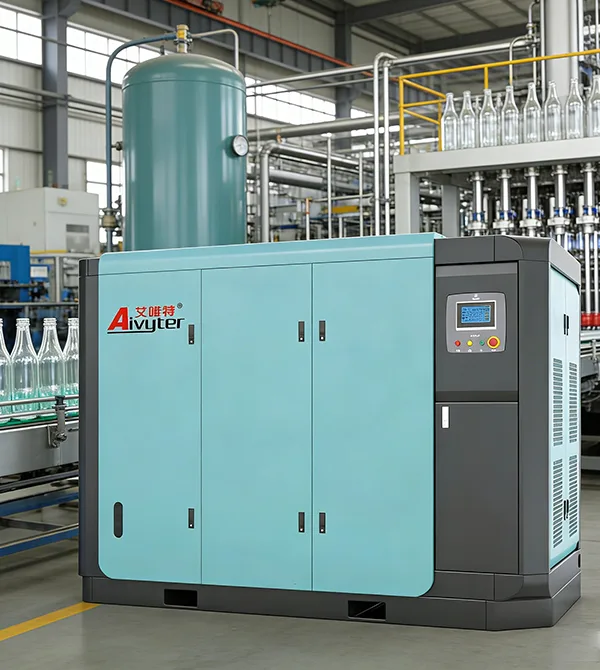
In large-scale industrial environments such as underground mining, tunnel boring, and major civil engineering projects, compressed air is not a utility — it is the backbone of productivity. Pneumatic drills, bolting tools, material conveying systems, and ventilation controls all depend on a consistent, contaminant-free air supply. For procurement managers, project engineers, and fleet operators, finding a reliable screw compressor for sale goes beyond a simple transaction. It requires matching machine specifications to site-specific demands: high ambient temperatures, abrasive dust, variable altitude, and 24/7 operational cycles. This guide provides a technical framework for evaluating rotary screw compressors, focusing on performance validation, component durability, and lifecycle compatibility with harsh industrial applications.
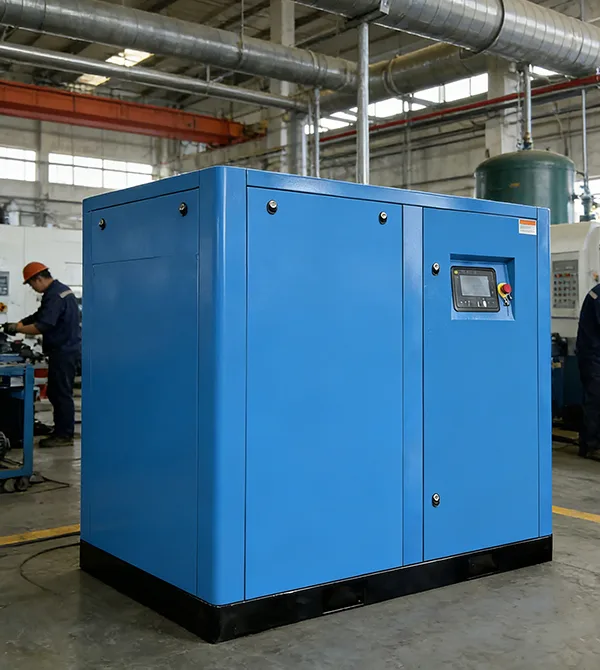
1. Rotary Screw Compressor Basics – Why This Technology Dominates Heavy Industry
Rotary screw compressors have replaced piston-type units in most continuous-duty industrial roles due to their simpler valveless design, lower vibration, and higher volumetric efficiency. Two interlocking helical rotors (male and female) compress air continuously as they rotate, producing a smooth, pulsation-free discharge. Key advantages for mining and construction include:
- 100% duty cycle capability – Designed for uninterrupted operation, unlike reciprocating units that require cooling breaks.
- Compact footprint – High output relative to size, critical for underground drifts or cramped equipment rooms.
- Oil-injected vs. oil-free variants – Oil-flooded screws offer superior cooling, lubrication, and sealing for standard tools. Oil-free two-stage screws serve sensitive processes like instrumentation air in mineral processing plants.
- Direct or belt drive – Direct drive reduces maintenance; belt drive allows speed adjustment for non-VSD units.
When evaluating any screw compressor for sale, the rotor coating (e.g., stainless steel, cast iron with PTFE), bearing type (roller vs. hydrodynamic), and airend tolerances directly affect mean time between overhauls (MTBO). In dust-prone environments, additional pre-filtration and oversized oil coolers become decisive factors.
2. Technical Parameters That Separate Field-Ready Units from Workshop Compressors
Not every rotary screw compressor can survive a gravel pit or a tunneling face. Below are the parameters that must be verified before purchase:
2.1 Pressure and Flow – Matching the Demand Curve
Mining pneumatic networks often require 7–10 bar (100–150 psi) with flow rates from 5 to 50 m³/min. However, pressure drop due to long distribution lines (up to 2 km) may necessitate a 12–13 bar rated machine. Always request a compressor’s performance curve (cfm vs. psi) and ensure the unit provides at least 15% margin above calculated peak demand. Variable speed drive (VSD) models maintain ±0.1 bar accuracy, reducing energy waste during partial loads – common in conveyor cleaning or intermittent bolting operations.
2.2 Ambient Conditions and Altitude Corrections
For high-altitude sites (>2000m), air density drops, reducing mass flow. Standard compressors lose roughly 3% capacity per 300m above sea level. A robust screw compressor for sale intended for Andean mines or Himalayan tunnel projects must include de-rating factors and optionally, larger airends or forced induction. Also, extreme temperatures (-20°C to 50°C) demand synthetic lubricants, oversized coolers, and thermostatic bypass valves.
2.3 Filtration and Corrosion Protection
- Inlet air filters: Heavy-duty cyclonic separators + efficiency class E10 or E12 (ISO 16890) are mandatory for quarry operations.
- Internal coatings: Epoxy or nickel-phosphorus plating on cooler cores and separator tanks resists acidic mine water contamination.
- Cooling system type: Radiators with reversible fans (to blow out debris) and stainless steel piping extend service intervals in abrasive environments.
3. Application-Specific Configurations: Mining, Tunneling, and Civil Works
Each sector brings unique compressor selection criteria. Understanding these avoids costly mismatches.
3.1 Underground Hard Rock Mining
Low-headroom mobile compressor skids are common. Here, safety regulations (e.g., MSHA, ATEX) require flameproof enclosures and surface temperature monitoring. Diesel-driven portable screw compressors offer mobility for face bolting, while electric units power longwall shield systems. For underground use, operators must check for certified anti-static hoses and automatic condensate drains with oil-water separation. Aivyter offers a range of mining-specific rotary screw units with reinforced chassis and ingress protection up to IP55, designed for dust-laden drifts. More specifications can be reviewed at Aivyter’s official website.
3.2 Tunneling (TBM and Drill & Blast)
Trailing cables restrict mobility, so many TBM backup systems include containerized compressors with remote monitoring. The key challenge is heat dissipation inside confined headings. Water-cooled screw compressors (using tunnel service water) are preferred over air-cooled when ambient exceeds 35°C. Additionally, noise limits (below 85 dBA at operator position) call for acoustic enclosures with heavy-duty silencers – a standard option for any advanced screw compressor for sale targeting EU or OSHA-regulated sites.
3.3 Surface Construction and Aggregate Processing
Portable tow-behind screw compressors (150–900 cfm) serve rock drills, breakers, and sandblasting. Efficiency at part load is vital due to varying tool usage. A VSD portable unit with Tier 4 Final or Stage V diesel engine reduces fuel consumption by up to 35% compared to constant-speed models. Contractors should also demand integral fuel tanks with 8+ hour autonomy and telematics for anti-theft.
4. Avoiding Common Failures: Root Causes and Mitigation
Industry data shows that 67% of screw compressor breakdowns in heavy industries stem from three preventable causes:
- Ingested particulate: Silica dust accelerates rotor and bearing wear. Solution: install two-stage filtration with differential pressure indicator.
- Oil degradation at high temperature: Every 10°C above rated oil temp halves oil life. Upgrade to full-flow bypass cooling and synthetic ester-based lubricants (4000h drain intervals).
- Condensate corrosion: Unmanaged moisture in the separator tank causes rust and oil breakdown. Automatic drain traps with heated jackets (for sub-zero sites) are mandatory.
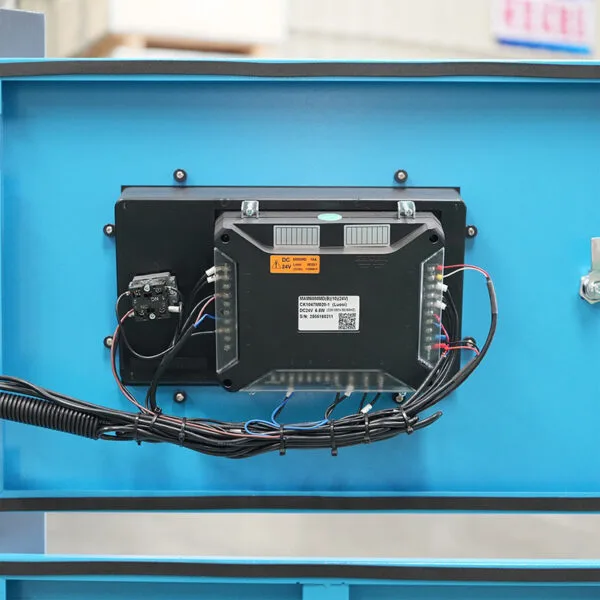
To mitigate these, procure units with integrated condition monitoring – sensors for vibration, temperature, and delta-P. Many modern controllers (e.g., with Modbus RTU) allow integration into site SCADA, enabling predictive maintenance. Aivyter equips its industrial compressors with diagnostic ports and remote alert systems as standard, reducing unexpected downtime.
5. Sourcing a Reliable Screw Compressor for Sale – Supplier Evaluation Checklist
Beyond the machine’s nameplate, the supplier’s capacity to support remote operations is equally critical. Use the following B2B screening criteria when reviewing any screw compressor for sale offer:
- Certifications: ISO 1217 (performance testing), CE/PED for pressure vessels, and ASME if required by local codes.
- Parts availability: Guaranteed 48-hour shipment of airends, oil separators, and cooler cores to major mining regions.
- Field service network: Direct factory-trained technicians or certified regional partners with mobile workshops.
- Warranty terms: At least 24 months or 10,000 operating hours on the airend and main bearings.
Aivyter meets these criteria with a global logistics hub and 24/7 technical support. Their heavy-duty screw compressors undergo full-load factory tests before dispatch, and each unit includes a digital logbook for maintenance tracking. Explore their product catalog at Aivyter.com.
6. Maintenance Strategies for Maximum Uptime in Remote Sites
A well-planned maintenance schedule keeps uptime above 95%, even in abrasive environments. For heavy-use rotary screws, adopt these intervals:
- Daily: Check oil level, condensate drains, and inlet air filter restriction gauge.
- 250 hours: Clean radiator fins and inspect belt tension (if belt-driven).
- 1000 hours: Sample lubricant for wear metals and viscosity. Change oil and oil filter using OEM-approved synthetic grade.
- 2000 hours: Replace air filter element, check separator cartridge pressure drop.
- 8000 hours or 3 years: Overhaul airend – replace bearings, seals, and measure rotor clearances.
For fleets with multiple units, implement a CMMS (computerized maintenance management system). This tracks component lifespan and predicts replacement before failure. Avoid reconditioned airends from uncertified shops; only use factory-remanufactured assemblies to maintain performance guarantees.
7. Final Selection Framework and Next Steps
After assessing airflow demands, ambient severity, and supplier capabilities, the right screw compressor for sale will deliver consistent pressure for a decade or more. Prioritize units with robust cooling, high-efficiency motors (IE3 or IE4), and corrosion-resistant components. For extreme conditions, consider redundancy – two smaller compressors instead of a single large one – to isolate failures without shutting down the whole site.
To discuss your project’s specific requirements — whether it involves deep level mining, high-altitude tunneling, or tropical aggregate processing — contact the engineering team at Aivyter. They provide custom configuration support, site audits, and performance guarantees aligned with international standards. Send an inquiry via the contact page or request a detailed quotation tailored to your operational profile.
Frequently Asked Questions (FAQs) – Industrial Screw Compressors
Q1: What is the difference between oil-injected and oil-free screw compressors for mining applications?
A1: Oil-injected rotary screws inject lubricant into the compression chamber for sealing, cooling, and lubrication. They are more efficient, durable, and lower cost, ideal for general pneumatic tools (drills, impact wrenches). Oil-free compressors use water or coatings instead of oil, supplying ISO 8573-1 Class 0 air for sensitive processes like air bearings or breathing apparatus. For most mining and construction duties, oil-injected models are the practical choice.
Q2: How do I determine the correct size of a screw compressor for my construction site?
A2: Calculate the total free air delivery (FAD) required by adding the air consumption of all tools that may operate simultaneously, then add a 15-20% margin for future expansion and leakage. For example, three rock drills each consuming 2.5 m³/min at 7 bar result in a base requirement of 7.5 m³/min. Adding margin gives ~9 m³/min. Then factor altitude and ambient temperature corrections (ask the supplier for de-rating curves).
Q3: Are variable speed drive (VSD) screw compressors worth the extra investment for mining?
A3: Yes, when air demand fluctuates by more than 30% over a shift. VSD adjusts motor speed to match real-time pressure requirements, slashing energy consumption by 20–40% compared to fixed-speed units with load/unload control. For longwall mining or conveyor cleaning with intermittent peak demands, the payback period is often under 18 months. In constant full-load applications (e.g., sand blasting), fixed speed may be sufficient.
Q4: What safety features should a screw compressor have for underground use?
A4: For underground coal or metal mines, look for: ATEX or MSHA certification for electrical components, surface temperature limiter (<150°C), flameproof enclosure, automatic high-temperature shutdown, and a pressure relief valve. Also, ensure the machine uses fire-resistant hydraulic fluids (if hydraulic) and includes a grounding lug to prevent static discharge. Always check local mining regulations before deployment.
Q5: How often should lubricant be changed in a heavy-duty screw compressor operating 24/7?
A5: With premium synthetic lubricants (PAO or ester base), typical drain intervals are 4000 to 6000 hours in clean conditions. However, in hot, dusty environments with high humidity, reduce to 3000 hours. Perform oil analysis every 1000 hours to monitor viscosity, total acid number (TAN), and wear particle concentration. Extending intervals beyond manufacturer recommendations risks carbon buildup and separator plugging.
Ready to specify a rugged compressor for your next project?
Our engineers are ready to review your site conditions and provide a solution with full documentation, including performance curves and CAD models. For a prompt quote or technical consultation, please send your inquiry through the official contact page. Include your desired pressure (bar/psi), flow (m³/min or cfm), power source (electric/diesel), and any special certifications. Expect a response within 24 business hours.
about
Aivyter
We provides trusted air compressors and mining equipment, engineered for durability, efficiency, and demanding industrial applications.