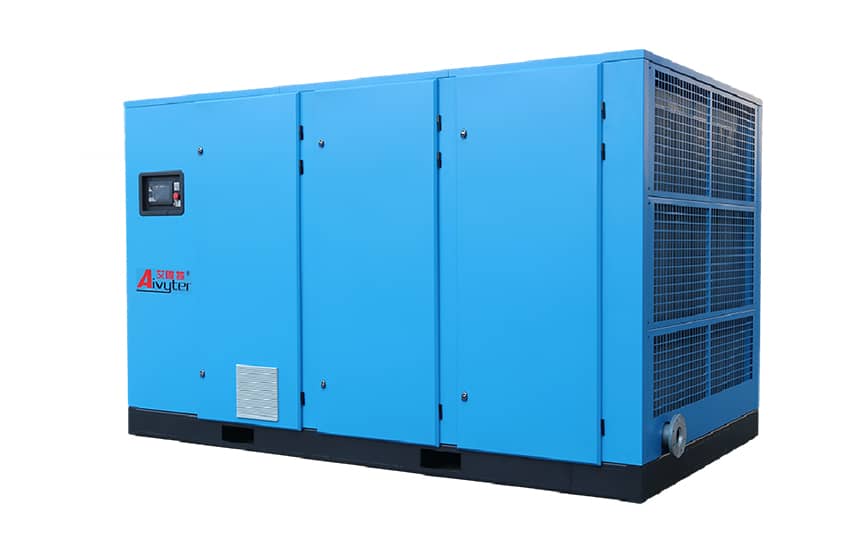
In the demanding environments of underground mining, large-scale civil engineering, and aggregate processing, compressed air is not just a utility—it is a production enabler. Rotary screw air compressors have replaced reciprocating units in most industrial settings due to their continuous duty cycle, lower vibration, and higher volumetric efficiency. When procurement managers evaluate a screw air compressor for sale, the decision must go beyond horsepower and tank size. This article provides a technical framework focusing on real-world performance, serviceability, and total integration into harsh operational sites, directly from a field perspective.
Understanding the specific load profiles of pneumatic tools, rock bolters, shotcrete machines, and air-driven conveyors is the first step. Unlike piston compressors that experience significant thermal stress during continuous operation, screw compressors use twin rotors to produce a constant, pulsation-free flow. For fleet managers in the industrial and mining sectors, reliability and parts availability often dictate the return on investment. Below, we break down the core specifications, industry-specific challenges, and solutions that define a sound purchasing decision.
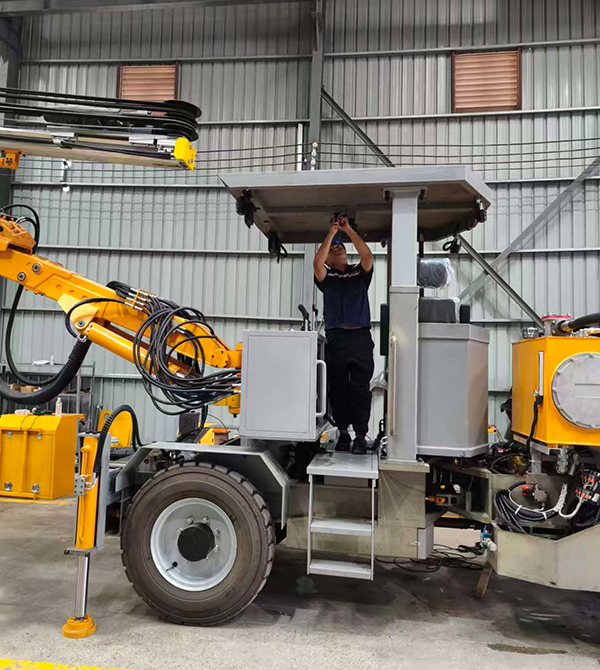
Critical Performance Metrics When Evaluating a screw air compressor for sale
Before shortlisting any equipment, engineering teams must verify the following parameters against their site conditions. These metrics directly affect productivity and energy bills.
- Free Air Delivery (FAD) @ specific pressure: Measured in m³/min or CFM at 7 bar, 10 bar, or higher. For mining applications, a drop of 0.5 bar can reduce drill penetration rates by 15%. Always request performance curves according to ISO 1217 (CAGI or PNEUROP standards).
- Discharge pressure consistency: Rotary screw compressors maintain pressure within ±0.1 bar with proper regulation. Look for units equipped with proportional inlet valves and electronic regulators.
- Ambient temperature & altitude rating: Construction sites in high-altitude zones (above 1500m) require derating calculations. Units without adequate cooling packages will experience premature oil degradation and rotor seizure.
- Air quality classes (ISO 8573-1): Mining instrumentation often demands Class 2 for solid particles and Class 3 for oil content. Matching the correct filtration stages (coalescing filters, dryers) is essential.
- Drive type: direct vs. gear-driven vs. variable frequency drive (VFD). VFD-equipped screw compressors reduce unloaded running hours by 30-50% in applications with fluctuating demand, such as multiple jumbo drills operating intermittently.
Experienced procurement teams also examine the air-end coating and bearing type. Stainless steel or cast iron rotors with coated profiles (e.g., PTFE or proprietary anti-friction layers) resist corrosion from humid mine air. High-quality taper roller bearings extend service intervals beyond 40,000 hours. A poorly designed airend will cause efficiency loss within two years, even with regular maintenance.
Industry Pain Points and Engineered Solutions with Modern Screw Compressors
1. Dust Ingestion and Filtration Failure
On a construction site for tunnel boring or aggregate crushing, airborne silica and particulate matter can enter the compressor intake, leading to abrasive wear on rotors and bearings. Standard panel filters quickly clog, increasing differential pressure and reducing volumetric efficiency. Solution: Two-stage heavy-duty air intake filters with a cyclone pre-separator (efficiency >99% for particles >10µm). Adding a filter restriction indicator alerts operators before pressure drop exceeds 25 mbar. Many ruggedized models available from Aivyter integrate such pre-filtration as standard on their mining-grade units.
2. High Ambient Temperatures and Cooling Inefficiency
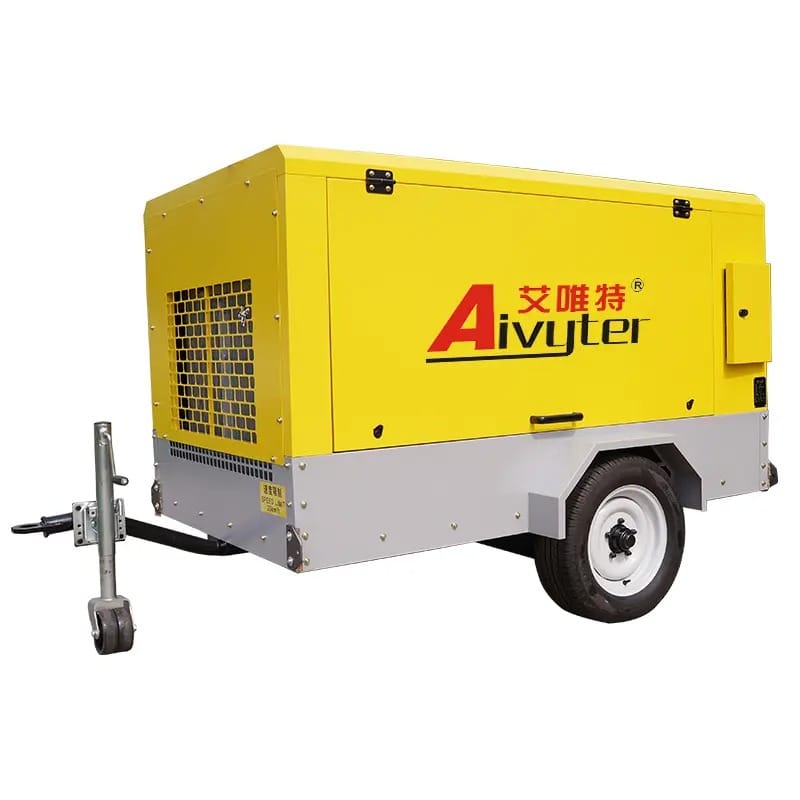
In deep-pit mines or steel fabrication plants, ambient temperatures often exceed 45°C. Standard screw compressors with undersized oil coolers will trigger thermal shutdowns or accelerate oil oxidation. Solution: Oversized plate-fin or shell-and-tube coolers with separate motor-driven fans (thermostatically controlled). Alternatively, water-cooled variants using mine service water provide stable heat rejection. When engineers inspect a screw air compressor for sale for hot climates, they should verify the maximum ambient rating (e.g., 55°C) and check for bypass thermostatic valves that maintain optimal oil viscosity.
3. Oil Carryover and Contamination of Pneumatic Systems
Residual oil aerosols (even at 3-5 ppm) can damage downstream instruments, clog control valves, and create explosive mixtures in certain mining environments. Solution: Double-stage separation: primary centrifugal separation inside the sump plus a high-efficiency coalescing filter. For oil-free requirements (e.g., food-grade or semiconductor ancillary lines), oil-free rotary screw compressors with water-injected or dry-running rotors are recommended. However, for standard mining and engineering tasks, high-efficiency oil separators (<2 ppm residual) combined with activated carbon filters suffice.
Matching Compressor Specifications to Mining and Construction Applications
Different operational phases require distinct flow and pressure profiles. Below is a practical breakdown based on actual project data from surface and underground operations.
- Underground development (drift round): Pneumatic drifters (e.g., 3-inch to 5-inch drills) need 17–24 m³/min at 6–8 bar. A single 160–200 kW screw compressor with an integrated receiver tank stabilizes pressure spikes.
- Tunneling with roadheaders: Dust suppression systems require 3–5 m³/min at low pressure (3–4 bar), but roof bolters and wet-mix shotcrete machines consume up to 12 m³/min at 7 bar. A modular setup with two smaller units offers redundancy.
- Open-pit mining: Large-scale rotary blasthole drills demand high pressure (10–15 bar) and flows from 25 to 50 m³/min. Two-stage screw compressors or multi-compressor manifolds with intelligent sequencing controllers are common.
- Civil engineering (bridge piling, bored piles): Pneumatic pile hammers and diaphragm wall grabs require 12–18 m³/min at 7–8 bar, but with high duty cycles (up to 24-hour shifts). Choose units with heavy-duty airends and larger oil sumps to minimize refill intervals.
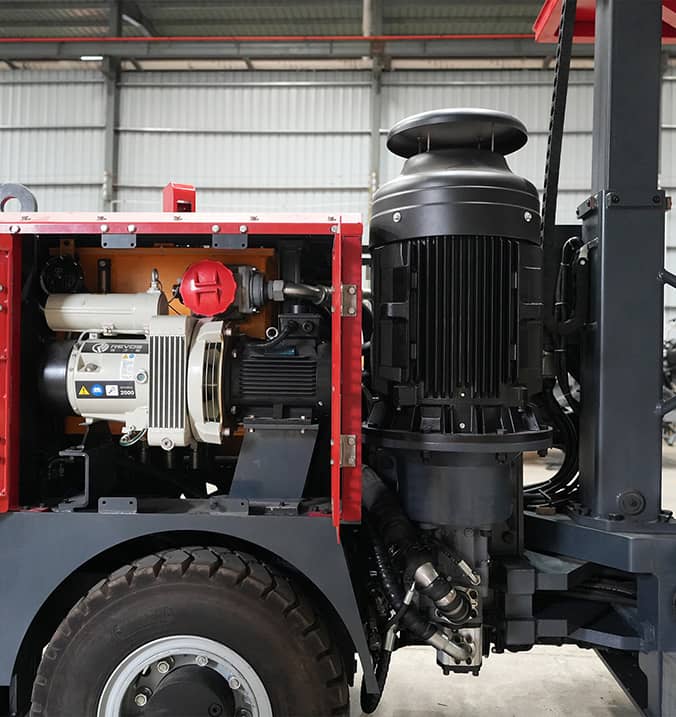
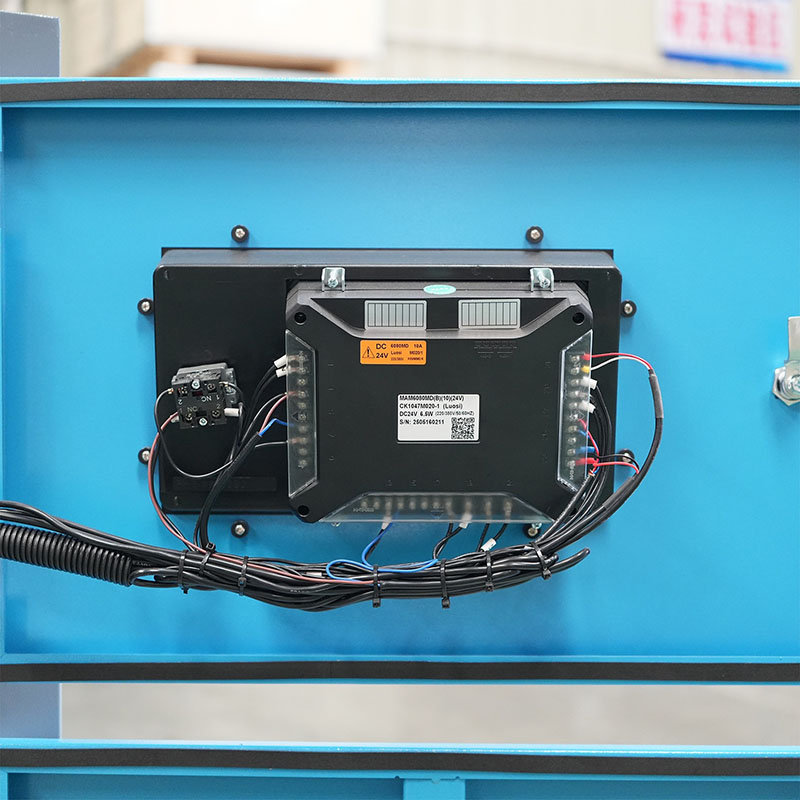
When evaluating a screw air compressor for sale for mixed fleets, compatibility with existing centralized control systems (Modbus, Profibus, or Ethernet/IP) is important. Modern compressors from established engineering manufacturers provide remote monitoring of parameters like discharge temperature, oil filter delta P, and running hours, allowing predictive maintenance.
Maintenance Strategies to Maximize Service Life
Even the most robust rotary screw compressor will underperform without a disciplined maintenance schedule. Based on field experience from hundreds of mine sites, the following intervals should be considered minimum standards.
- Oil and filter change: Mineral oils every 2000-3000 hours; synthetic oils (e.g., PAO or ester-based) every 6000-8000 hours depending on air temperature and humidity. Always use manufacturer-approved lubricants to avoid varnish formation.
- Air intake filter replacement: Every 500-1000 hours in dusty environments, or when restriction indicator shows 50 mbar above clean value. Secondary safety filters replaced every second primary change.
- Oil separator element: Replace every 4000-6000 hours or when pressure drop exceeds 0.8 bar at rated flow. A clogged separator increases energy consumption by 5-10%.
- Cooler cleaning: For air-cooled units, clean radiator fins monthly using low-pressure compressed air. Water-cooled heat exchangers require descaling every 12 months if water hardness is >150 ppm.
- Belt or coupling inspection: Check alignment and tension every 1000 hours. Misalignment leads to premature bearing failure and rotor noise.
Implementing a condition-based monitoring system (vibration sensors, thermal imaging quarterly) reduces unplanned downtime. Industry data shows that scheduled overhauls of the airend every 40,000-60,000 hours restore efficiency to near-original levels. Aivyter provides engineering support to set up such predictive programs, including remote access to compressor controllers for fleet managers.
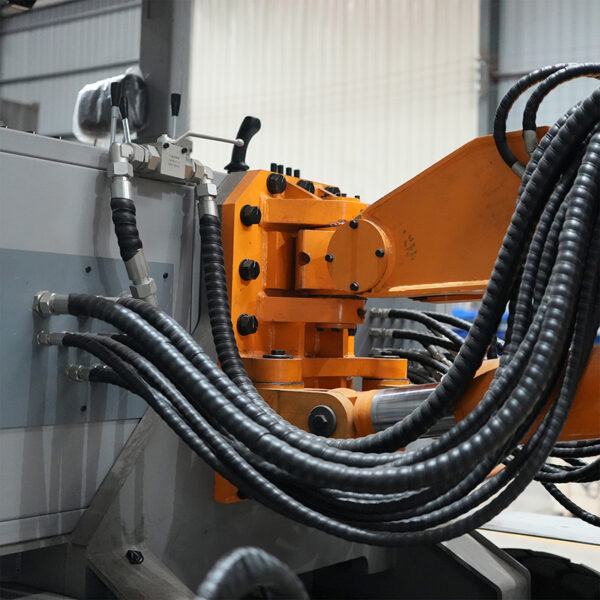
Why Choose a Partner with Deep Industrial Engineering Focus
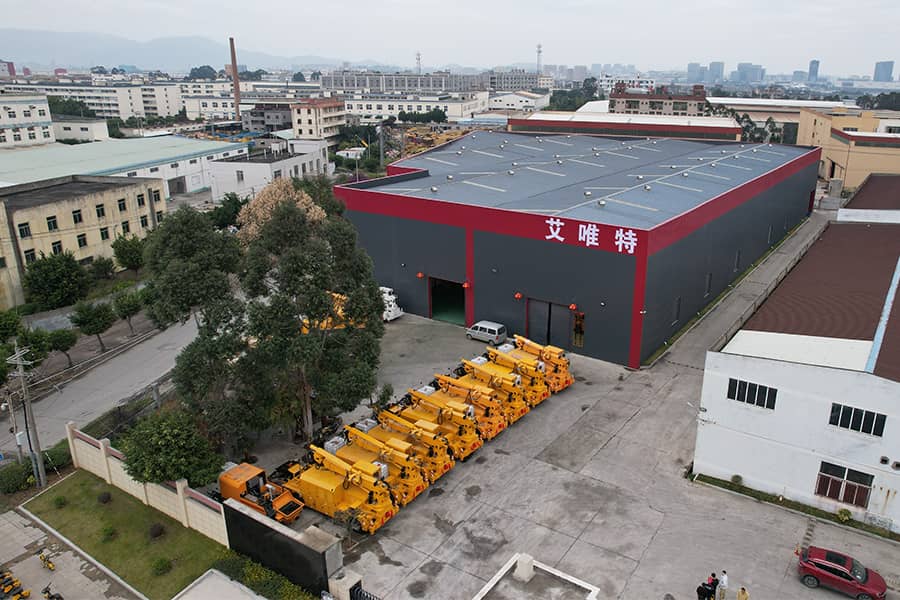
Selecting equipment from a supplier with mining and construction domain expertise ensures that the compressor matches site-specific challenges. Rather than generic packages, suppliers that offer customized cooling, filtration packages, and certified pressure vessels reduce integration headaches. Aivyter has delivered hundreds of rotary screw units to aggregate quarries, subway extension projects, and gold mines across varied climates, with proven designs including tropicalized enclosures and explosion-proof electrical options for hazardous zones.
Furthermore, after-sales logistics matter significantly. Lead times for critical spares like airend seals, gasket kits, and electronic controllers can determine how many days of production are lost. Suppliers that maintain regional parts hubs and provide detailed documentation (exploded views, torque specs, diagnostic flowcharts) empower site maintenance teams. When reviewing a screw air compressor for sale listing, always request the full parts catalogue and the mean time to repair (MTTR) data from previous installations.
Frequently Asked Questions (FAQ) About Industrial Screw Air Compressors
Q1: What is the typical lifespan of a rotary screw air compressor in a mining environment?
A1: With proper maintenance—including synthetic oil changes at 6000-hour intervals, regular filter replacements, and avoiding overheating—a quality industrial screw compressor can operate reliably for 80,000 to 100,000 hours before major airend overhaul. Many units in well-managed mines reach 15-20 years of service. Key factors affecting lifespan include ambient dust levels, power quality (voltage fluctuations), and adherence to startup/shutdown procedures.
Q2: How do I decide between an oil-injected and an oil-free screw compressor for construction?
A2: Oil-injected rotary screw compressors are more energy-efficient, quieter, and have lower initial acquisition cost, making them suitable for 90% of construction and mining tasks (drilling, conveying, bolting). Oil-free compressors are mandatory when compressed air directly contacts sensitive processes (e.g., breathing air systems or pharmaceutical production). For typical civil projects, oil-injected units with coalescing filters achieve air quality that meets ISO 8573-1 Class 2 for oil content (≤0.1 mg/m³), which is sufficient for pneumatic controls and shotcrete.
Q3: Can a variable frequency drive (VFD) screw compressor handle high inrush currents from motor starting?
A3: Yes, VFDs provide soft-start functionality, gradually ramping up the motor speed and eliminating inrush currents that cause voltage dips. This benefits remote mine sites with weak grid connections. Additionally, VFD units maintain tighter pressure regulation (±0.1 bar) compared to load/unload control (±0.5 bar), reducing energy waste by 20-35% in applications with variable air demand. However, for baseline constant loads (e.g., 24/7 continuous drilling), a fixed-speed unit remains cost-effective.
Q4: What are the signs that a screw airend requires immediate overhaul?
A4: Indicators include: (1) increased specific power consumption (kW per m³/min) by more than 15% from baseline, (2) abnormal high-frequency noise or metallic knocking, (3) elevated discharge temperature above 105°C even with clean coolers, and (4) frequent high oil consumption (more than 2 litres per 1000 operating hours). Vibration monitoring showing amplitude above 7.1 mm/s RMS on the drive end also signals bearing wear. Routine oil analysis detecting iron and copper particles confirms rotor or housing wear.
Q5: Does higher pressure always mean better performance?
A5: No. Over-pressurizing a system increases energy consumption disproportionately—for every 1 bar increase in pressure, power rises approximately 7-8%. For example, running a 10 bar compressor to supply tools rated for 7 bar wastes energy and accelerates wear on downstream regulators and hoses. Match the compressor’s rated pressure to the highest-demand tool plus a margin of 0.5 bar for pressure drops in the distribution network. Using a pressure reducer at point-of-use is inefficient. Always select a screw air compressor for sale with pressure rating tailored to your actual needs.
Ready to Upgrade Your Industrial Air Supply?
Choosing the correct rotary screw compressor directly impacts your project’s productivity, energy costs, and downtime risk. Whether you operate a deep-level mine, a highway tunnel project, or a large-scale precast concrete yard, the engineering team at Aivyter is ready to provide detailed airflow calculations, site-specific filtration solutions, and remote monitoring integration. Get in touch to request a customized quotation and technical datasheets for your next compressor procurement.
Send your inquiry now → Include your required flow (m³/min), working pressure, altitude, and any special electrical specifications for a prompt response from our application engineers.
about
Aivyter
We provides trusted air compressors and mining equipment, engineered for durability, efficiency, and demanding industrial applications.