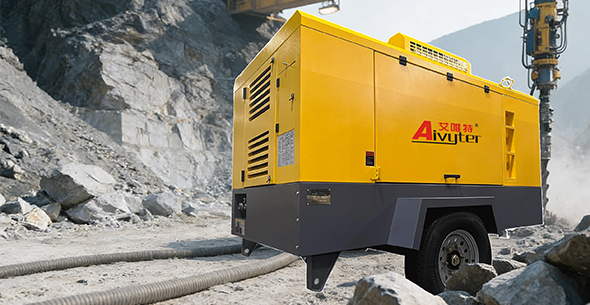
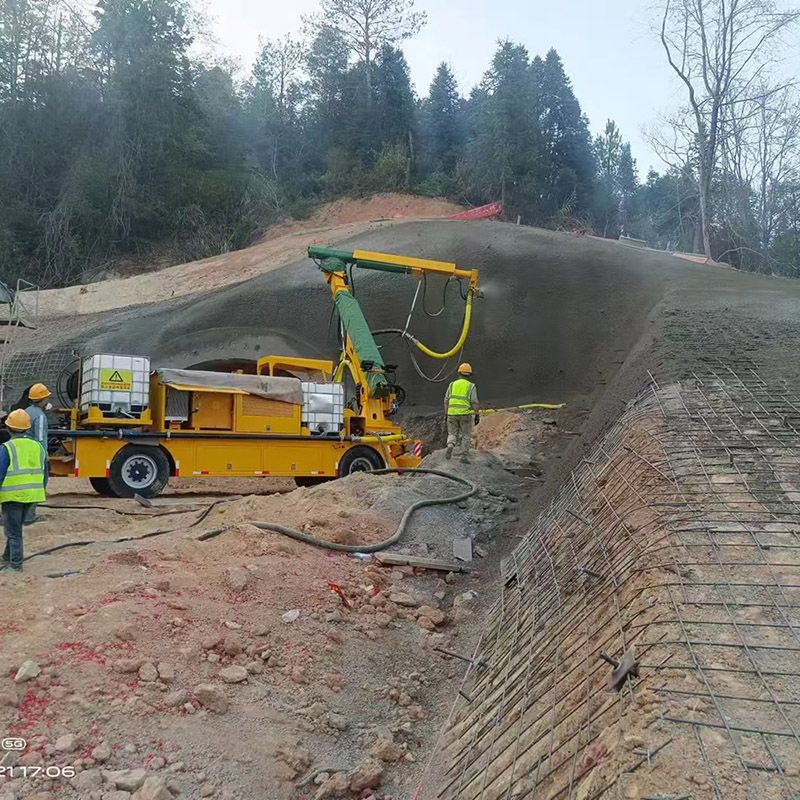
Heavy industries such as open-pit mining, civil engineering, and infrastructure development require heavy-duty, self-contained energy sources to power high-capacity pneumatic equipment. In remote locations where electrical grid infrastructure is absent or highly unstable, the diesel portable compressor serves as a primary source of mechanical energy. Unlike stationary factory installations, mobile units must withstand severe environmental challenges, varying altitude dynamics, and continuous variable-load operations.
Industrial operators rely on these mobile units to operate high-pressure pneumatic drills, blast hole rigs, sandblasting gear, and heavy demolition hammers. Brand manufacturers like Aivyter focus on engineering robust mobile air units that balance diesel engine combustion dynamics with high-precision rotary screw compression. Selecting the appropriate machinery requires a comprehensive understanding of thermodynamics, mechanical engineering parameters, and field environment variables.
Rotary Screw Mechanics in Mobile Air Systems
The core of a modern industrial air system is the rotary screw air end. This displacement mechanism consists of asymmetric male and female rotors housed within a precise, heavy-duty casing. As the diesel engine drives the male rotor, the helical lobes mesh, reducing the volume of the cavity between the rotors and the casing, which raises the pressure of the trapped air.
The Lubrication and Cooling Circuit
Most mobile applications utilize oil-injected rotary screw air ends. Synthetic oil is injected into the compression chamber to perform three distinct functions:
- Sealing: The oil film seals the clearance gaps between the spinning rotors, preventing compressed air from leaking back to the lower-pressure suction side.
- Cooling: Compression generates considerable thermodynamic heat. The injected oil absorbs this heat directly during the compression cycle, preventing thermal expansion of the rotors and maintaining safe operating temperatures.
- Lubrication: It protects the high-speed bearings and rotor contact surfaces from wear, ensuring mechanical longevity.
After discharge, the air-oil mixture enters a multi-stage separation vessel. Heavy oil droplets settle out through centrifugal action, while a fine coalescing filter element removes the remaining oil vapor, reducing downstream oil carryover to less than 3 parts per million (ppm).
Engine-Compressor Matching and Direct Coupling
A high-performance diesel portable compressor features a direct coupling system between the engine flywheel and the air end input shaft, utilizing a flexible coupling element. This direct drive eliminates the mechanical friction losses associated with belt-drive systems. Modern diesel powerplants are equipped with electronic control modules (ECMs) that communicate directly with the pneumatic regulator system. When the pneumatic demand drops, the system throttles the engine speed and adjusts the air intake valve simultaneously, preventing unnecessary fuel consumption and minimizing wear during idle periods.
Evaluating CFM and PSI for Industrial Applications
Selecting a mobile system requires a precise calculation of both volumetric flow rate and operating pressure. These two parameters dictate the operational capabilities of the pneumatic tools connected to the unit.
| Application Category | Required Pressure Range (PSI) | Required Volumetric Flow (CFM) | Pneumatic Tooling Examples |
|---|---|---|---|
| Light Construction | 90 – 125 | 100 – 250 | Handheld breakers, clay diggers, chipping hammers |
| Medium Construction & Sandblasting | 100 – 150 | 250 – 600 | Industrial abrasive blasters, small-diameter utility drills |
| Heavy Civil Engineering & Piling | 150 – 250 | 600 – 1100 | Large-diameter casing hammers, foundation drilling rigs |
| Deep Hole Water Well & Mining | 250 – 350+ | 900 – 1500 | Down-The-Hole (DTH) hammers, deep exploration drilling |
Understanding Volumetric Flow Rate (CFM)
Cubic Feet per Minute (CFM) represents the volume of free air drawn into the compressor inlet, expanded to standard atmospheric conditions, and discharged at a specified pressure. If a drilling operation requires a flow rate of 900 CFM to remove drill cuttings from a deep hole, utilizing a unit rated at only 750 CFM will lead to borehole clogging and stalled operations, regardless of the rated pressure.
Deciding Operating Pressure (PSI)
Pounds per Square Inch (PSI) measures the force of the compressed air. High-pressure drilling rigs demand elevated PSI levels to drive the heavy internal pistons of Down-The-Hole (DTH) hammers through hard granite or basalt formations. If the pressure falls below the requisite threshold, the impact energy of the hammer drops sharply, reducing drilling speed. Conversely, operating standard pneumatic breakers at excessive pressures accelerates component wear and compromises operator safety.
Performance Under Adverse Environmental Conditions
Industrial project sites are rarely climate-controlled. Mobile equipment must function efficiently in extreme ambient temperatures, dusty mining quarries, and high-altitude mountain environments.
High-Altitude Derating Factors
As altitude increases, atmospheric pressure and air density decrease. A diesel portable compressor operating at an elevation of 3,000 meters above sea level experiences two distinct derating challenges:
- Engine Power Loss: Naturally aspirated and even turbo-charged diesel engines experience decreased oxygen levels, leading to incomplete combustion and reduced horsepower output.
- Volumetric Efficiency Drop: Because the incoming air is less dense, the mass flow rate of the compressor decreases. Engineers must oversized the compressor capacity when planning high-altitude operations to compensate for these physical losses.
Dust and Particulate Filtration Systems
In quarrying and mining operations, ambient air is heavily laden with abrasive silica dust. If these particulates bypass the filtration systems, they will contaminate the compressor oil, causing rapid wear of the rotary screw rotors and bearing assemblies. Heavy-duty mobile units feature dual-stage air filtration systems. A cyclonic pre-cleaner removes up to 95% of airborne dust particles before the air reaches the primary dry-type cartridge filter. This multi-phase filtration safeguards both the diesel engine combustion chambers and the high-precision rotary screw air end.
Thermal Regulation and Cold-Start Systems
In high ambient regions, oversized cooling packages with dedicated oil coolers and engine radiators are necessary to prevent thermal shutdown. Conversely, in sub-zero alpine environments, the viscosity of the compressor fluid increases, making starting difficult. Modern designs integrate cold-start bypass valves that allow the engine to reach operating temperatures before loading the air end, preventing cold-start damage to the rotary components.
Primary Industrial Applications
Mobile compressed air is indispensable across several heavy-duty sectors, each presenting unique operating specifications.
Open-Cast Mining and Quarrying
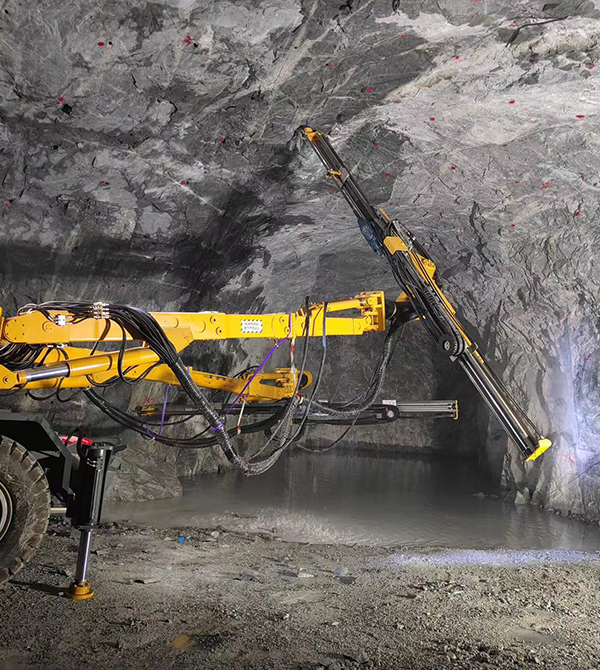
In open-pit mining operations, rotary blast-hole drilling rigs require high-pressure compressed air to power massive pneumatic drills and continuously blow pulverized rock dust out of the drill holes. These operations require continuous, 24/7 runtimes under heavy dust loads, demanding highly durable machinery supplied by reliable manufacturers like Aivyter.
Civil Infrastructure and Geotechnical Engineering
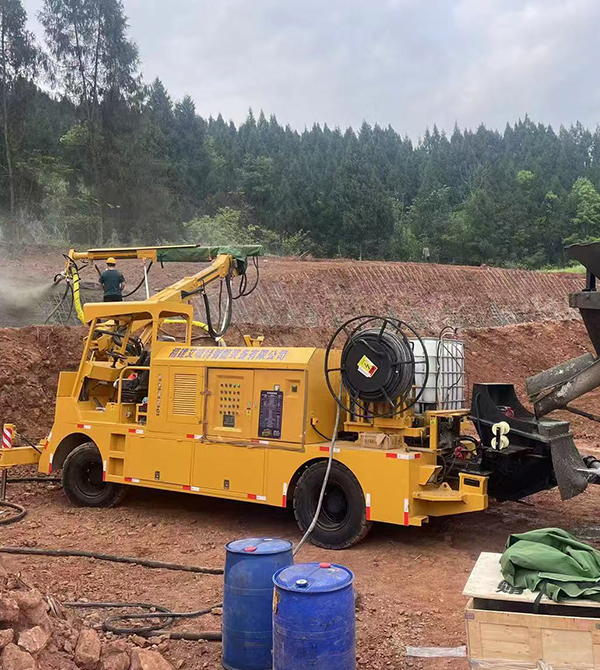
From micro-piling for structural foundations to soil nailing on unstable slopes, civil engineering works rely on pneumatic tools. When spraying wet or dry concrete mixtures (shotcreting) onto tunnel walls or slope faces, a steady, pulsation-free airflow is necessary to ensure uniform concrete adhesion and structural density.
Pipelining and Offshore Operations
Before new oil and gas pipelines are commissioned, they must undergo hydrostatic testing and dry pigging. High-flow mobile air compressors push cleaning pigs through miles of steel piping to purge moisture and weld slag, preventing internal corrosion. Marine environments require specialized corrosion-resistant paint, zinc anodes, and spark arrestors to comply with stringent offshore safety standards.
Operational Challenges and Engineered Solutions
Running a heavy-duty fleet of diesel-driven machinery involves balancing performance demands with environmental regulations and operational realities.
Acoustic Attenuation in Urban Zones
Local municipal codes enforce strict noise limits on construction machinery operating in residential and commercial districts. Standard diesel engines and high-volume cooling fans generate significant noise pollution. To address this, modern diesel portable compressor systems are built within acoustically attenuated enclosures. These canopies are lined with fire-resistant sound-absorbing foam, and utilize duct baffles and variable-speed cooling fans to keep noise emissions below 70 dB(A) at 7 meters, allowing compliant urban operations.
Condensation Management
As hot compressed air cools, water vapor condenses into liquid droplets. If this water enters pneumatic tools, it washes away lubricating grease, leading to internal rust and rapid tool degradation. High-quality mobile setups incorporate aftercoolers and water separators. The aftercooler lowers the discharge temperature of the air, forcing moisture to condense, which is then captured by a centrifugal water separator and discharged safely through an automatic drain valve.
Long-Term Preventive Maintenance Protocols
To secure a long service life and prevent unscheduled downtime on remote job sites, fleet maintenance personnel must adhere to a strict maintenance schedule.
Daily Pre-Start Checks
- Check engine oil, compressor fluid levels, and fuel levels.
- Inspect the air filter dust indicators and clean the pre-cleaner bowls.
- Drain accumulated water from the fuel-water separator and the main receiver tank.
- Inspect all pneumatic hoses, whip-checks, and couplings for signs of wear or damage.
Periodic Maintenance Intervals
- Every 250 Hours: Replace engine oil and filters, clean outer air filter elements, and inspect fan belt tension.
- Every 500 Hours: Replace fuel filters, inspect the compressor oil cooler core for dirt build-up, and clean the oil return line strainer.
- Every 1000 Hours: Replace the primary air filter elements, change the compressor oil, replace the oil separator element inside the receiver tank, and calibrate the pressure regulation system.
By utilizing high-quality replacement parts and fluids engineered by manufacturers like Aivyter, operators can prevent premature bearing failures and maintain optimal fuel efficiency throughout the lifecycle of the machinery.
System Configuration and Inquiry Requirements
Selecting the correct compressed air equipment requires matching the system’s output to the demands of your downstream tools. Operational variables such as altitude, ambient temperature range, and the number of tools running simultaneously must be factored into the final system design. If you are planning a high-pressure drilling project, a civil infrastructure contract, or a mining expansion, utilizing the correct machinery is vital to maintaining operational schedules.
Our engineering team specializes in configuring mobile rotary screw systems designed for harsh environments and demanding duty cycles. To obtain a detailed technical proposal, performance curves, and custom configurations tailored to your specific application, please send us your project requirements. Contact our engineering department directly to submit your detailed product inquiry.
Frequently Asked Questions
Q1: How do I choose between a single-stage and a two-stage rotary screw air end?
A1: Single-stage air ends are typically used for pressures up to 150 PSI. For high-pressure operations exceeding 200 PSI, a two-stage air end is recommended. Two-stage systems divide the compression process into two distinct phases, reducing the compression ratio per screw element, which improves volumetric efficiency, lowers discharge temperatures, and decreases internal load forces on the bearings.
Q2: Why is moisture removal so important, and does a standard compressor do this automatically?
A2: Standard compressors do not remove moisture automatically unless they are equipped with an integrated aftercooler and water separator. Compressed air naturally retains water vapor. When it cools inside the distribution hoses, the vapor condenses into liquid water. This water damages pneumatic tools, ruins sandblasting media, and causes internal pipe corrosion. For dry air applications, always specify an aftercooler option.
Q3: What causes a diesel portable compressor to overheat and shut down?
A3: Overheating is generally caused by one of three issues: low compressor fluid levels, a clogged or dirty oil cooler core that restricts heat dissipation, or a worn-out thermal bypass valve. Additionally, operating the unit in ambient temperatures that exceed its rated design limits or failing to clean dust and debris from the cooling package will cause rapid heat build-up.
Q4: How does a variable speed control system improve fuel efficiency in mobile compressors?
A4: Variable speed control systems monitor pressure changes in the air receiver tank. When air demand decreases, the system automatically lowers the engine RPM and adjusts the intake throttle valve. This prevents the engine from running at full speed when demand is low, reducing fuel consumption and minimizing engine wear compared to older, fixed-speed start-stop systems.
Q5: What safety features should be installed on mobile air hoses and couplings?
A5: All high-pressure air hoses must be equipped with safety whip-checks or cable restraints at every connection point. If a coupling fails or a hose ruptures, these cables prevent the high-pressure hose from whipping violently and injuring personnel. Additionally, safety velocity fuses should be installed at the manifold outlets to automatically shut off the air supply if a sudden surge in flow indicates a major downstream line break.
about
Aivyter
We provides trusted air compressors and mining equipment, engineered for durability, efficiency, and demanding industrial applications.