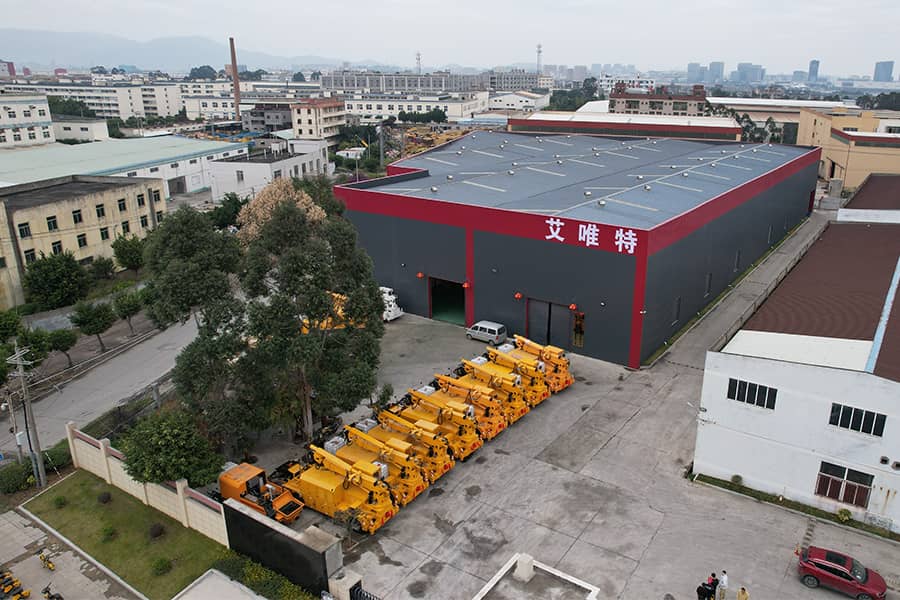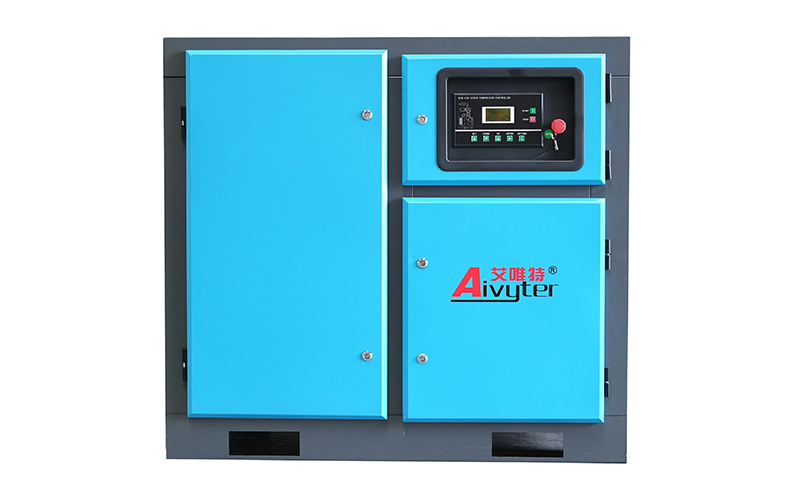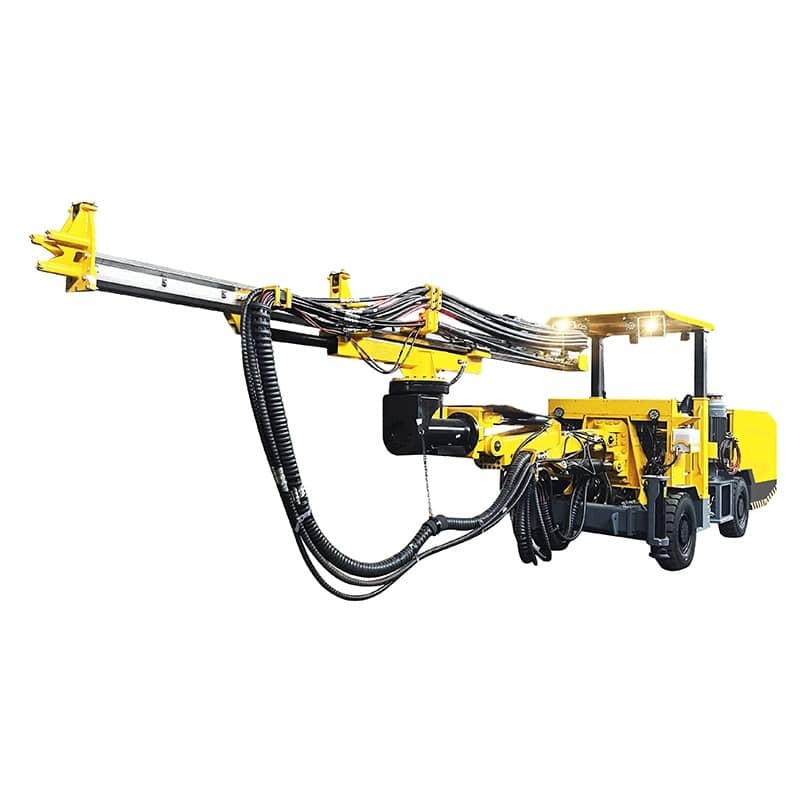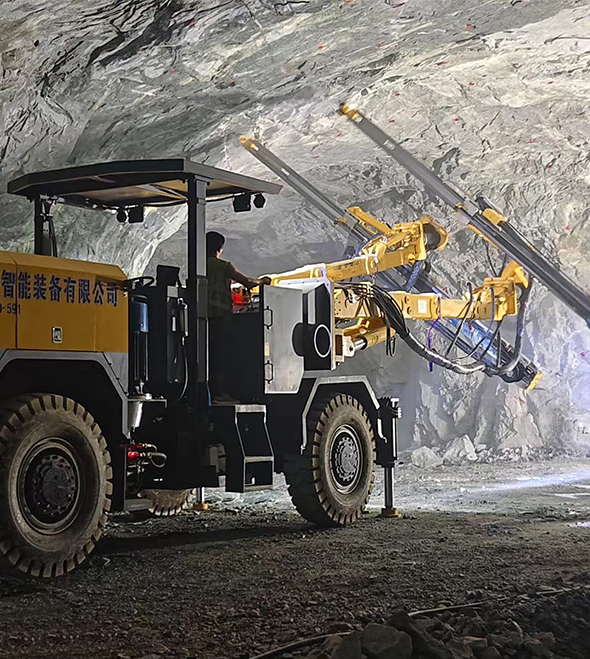
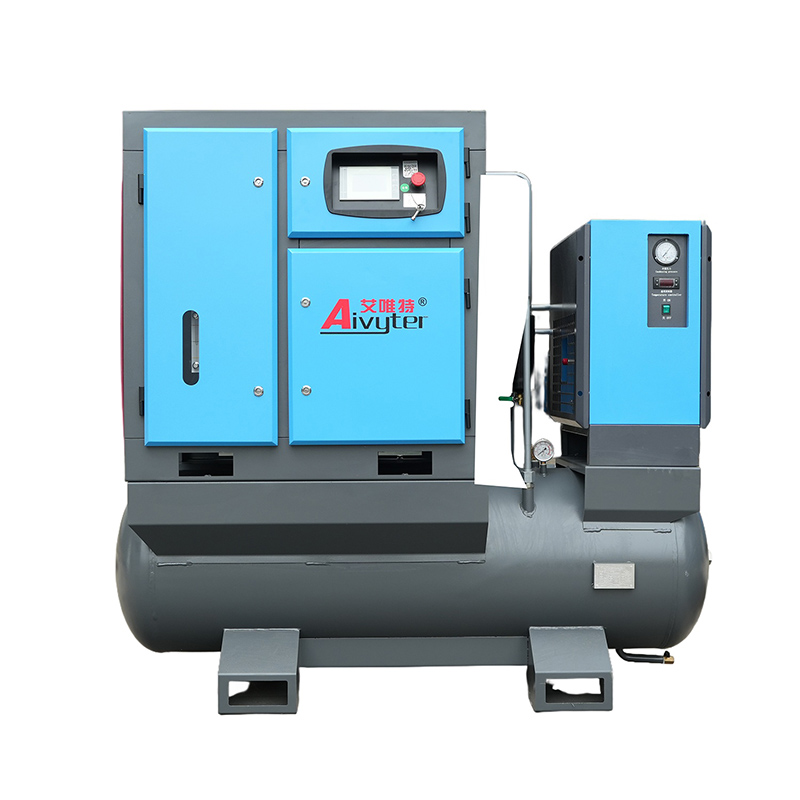
In heavy process industries—from deep-shaft mining to large-scale petrochemical facilities—the demand for reliable, high-pressure compressed air remains a cornerstone of productivity. Unlike standard shop air systems, high pressure screw compressor solutions operate under sustained mechanical stress, elevated thermal loads, and demanding duty cycles. For engineering and procurement teams, selecting the correct compression platform directly impacts plant uptime, energy cost, and maintenance logistics. This article dissects the core architecture, application-specific performance factors, and lifecycle advantages of modern high-pressure rotary screw technology, referencing proven installations in mining, tunneling, and upstream energy sectors.
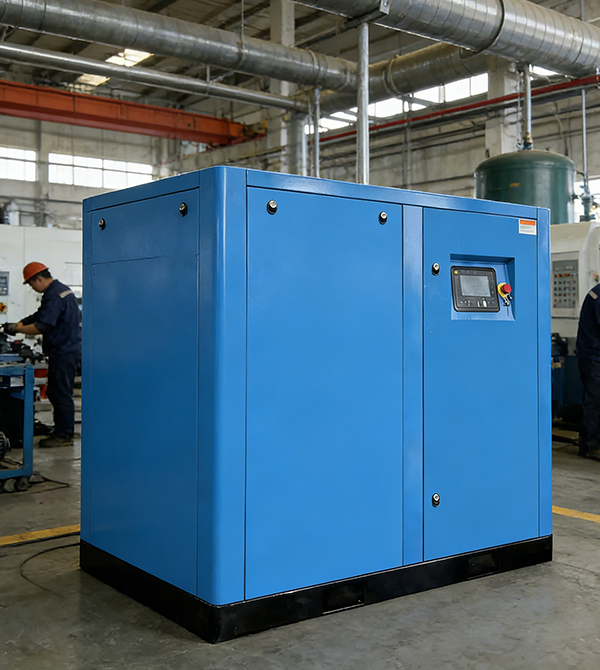
Industry Pain Points: Why Conventional Compression Fails Under High Pressure
Facility operators and project engineers frequently encounter four structural limitations when applying general-purpose compressors to high-pressure roles (typically 30 bar to 50 bar and beyond):
- Thermal runaway – Inefficient cooling designs lead to accelerated lubricant degradation and rotor seizure risks.
- Valve and seal fatigue – Standard elastomers and mechanical seals fail prematurely under cyclic pressure differentials.
- Energy inefficiency – Single-stage screw configurations lack volumetric efficiency above 20 bar, dramatically increasing specific power consumption (kW/m³/min).
- Restricted flow modulation – Without precision capacity control, systems suffer from excessive blow-off losses or unstable discharge pressure.
Addressing these pain points requires a purpose-built high pressure screw compressor design that integrates advanced materials, staged compression, and intelligent control logic—principles embedded in Aivyter’s industrial product line.
Technical Anatomy of a High-Pressure Rotary Screw System
True high-pressure screw compression diverges significantly from standard oil-injected designs. The core engineering differentiators include:
1. Two-Stage Compression Architecture
To achieve discharge pressures ≥30 bar while preserving efficiency, engineers employ two-stage compression with inter-stage oil cooling. The low-pressure (LP) rotor set compresses inlet air to an intermediate level (≈8–12 bar). Compressed air then passes through an inter-stage oil cooler and moisture separator before entering the high-pressure (HP) rotor stage. This arrangement reduces the pressure ratio per stage, lowers bearing loads, and enhances volumetric efficiency by 18–22% compared to single-stage designs.
2. Asymmetric Screw Rotor Profiles
Modern high-pressure rotors utilize proprietary asymmetric profiles (e.g., 4+6 or 5+6 lobe combinations) with optimized blow-hole areas. These profiles minimize internal leakage—the primary enemy of high-ratio compression. Materials range from ductile iron with nitride hardening to case-carburized alloy steel, depending on target pressure and gas composition. Aivyter’s product range incorporates fifth-generation rotor geometries tested for >50,000 hours of MTBF in continuous mining service.
3. High-Pressure Oil Separation and Sealing
Controlling oil carryover is critical. High-pressure vessels demand coalescing filter elements rated for differential pressures above 40 bar, accompanied by integral scavenge lines. For shaft sealing, tandem mechanical seals with buffer fluid systems or labyrinth seals with pressurized barrier air are mandatory to prevent process gas contamination. Many rotary screw air ends now feature integrated seal pressure monitoring, a feature available in Aivyter’s SGP-M series.
Critical Applications: Where the High Pressure Screw Compressor Excels
The true value of high-pressure screw technology emerges in specific industrial verticals that demand sustained high-volume air or inert gas at elevated pressures.
Mining and Exploration Drilling
Underground blasthole drilling, reverse circulation (RC) drilling, and in-pit grade control all rely on high-pressure air for hammer actuation and chip removal. A typical RC rig requires 30–35 bar at 25–35 m³/min. Here, high pressure screw compressor packages deliver a direct-drive, low-vibration alternative to reciprocating units. Field data from Western Australian iron ore sites indicate a 15% reduction in fleet fuel consumption after replacing piston compressors with two-stage screw units.
Tunnel Boring and Foundation Engineering
Large-diameter tunnel boring machines (TBMs) employ compressed air for face stabilization in soft ground. Air pressure must be modulated precisely (from 2 to 6 bar, but booster systems often require upstream high-pressure supply). Likewise, pile driving with air hammers demands bursts of 25–30 bar. The modular nature of screw compressors permits load/unload cycling with fewer thermal stress issues compared to reciprocating machines.
Petrochemical Gas Boosting and Nitrogen Generation
At refineries and offshore platforms, high pressure screw compressors function as boosters for instrument air networks or as feed-air sources for membrane nitrogen generators. When boosting from 10 bar to 40 bar, screw compressors offer pulsation-free flow, essential for sensitive analyzers. The absence of reciprocating torque spikes also simplifies foundation requirements on offshore modules.
Performance Metrics and Efficiency Optimization
Engineering procurement teams should evaluate high-pressure screw systems using the following key performance indicators (KPIs):
- Specific power (kW per m³/min at 30 bar) – Target ≤ 8.5 kW for efficient two-stage designs.
- Discharge temperature stability – Variation within ±5°C under 0–100% load step changes.
- Oil carryover – <3 ppm for downstream equipment protection.
- Start-up time to full pressure – ≤ 45 seconds for sequenced systems.
Advanced control strategies—including variable speed drive (VSD) integration on the LP rotor stage and sequential PID—can reduce part-load energy consumption by up to 28%. Furthermore, heat recovery from oil coolers (typically 70–80°C) can preheat boiler feed water or facility HVAC, improving total system thermal efficiency beyond 90%.
Aivyter provides site-specific engineering audits to match screw air end selection, inter-stage pressure settings, and aftercooler specs to each client’s altitude, ambient temperature, and duty cycle. Their high pressure screw compressor portfolio includes pressure ratings up to 45 bar and flows to 100 m³/min, all certified for ATEX Zone 2 and IECEx gas groups when configured for hydrocarbon service.
Comparison: Screw vs. Reciprocating for High-Pressure Duty
A persistent industry discussion revolves around screw versus piston compressor selection above 30 bar. The pragmatic evaluation is as follows:
| Parameter | High Pressure Screw | Reciprocating (Piston) |
|---|---|---|
| Flow continuity | Purely continuous, pulsation-free | Cyclic pulsation requires dampeners |
| Oil carryover | <3 ppm typical | 10–30 ppm without advanced filtration |
| Full-load efficiency | High at 100% duty | Slightly higher at constant load |
| Variable flow penalty | VSD reduces losses significantly | Poor part-load; bypass or unloading inefficient |
| Foundation requirement | Simple, minimal vibration | Heavy inertia base required |
| Service interval | 8000–10000 hours (rotor set) | 2000–4000 hours (valve/piston ring replacement) |
For operations requiring >15 m³/min continuous flow at 30–40 bar, screw technology offers lower total cost of ownership over a 10-year horizon, primarily due to reduced maintenance interventions and higher mechanical availability.
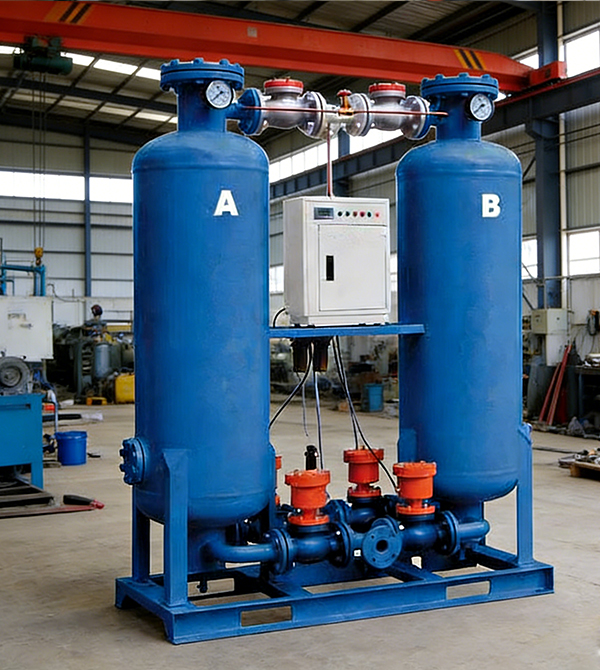
Selection Criteria for High-Pressure Screw Compressor Packages
When issuing a tender or evaluating vendor proposals, consider these non-negotiable specifications:
- Maximum allowable working pressure (MAWP) and ASME/PED certification – Vessel design factor of ≥3.5 is preferred.
- Lubricant type – Full-synthetic PAO or PAG-based fluids with high viscosity index for sustained film strength.
- Control philosophy – Modulating inlet valve plus load/unload with automatic blowdown for cyclic operations.
- Integration readiness – Modbus TCP/IP or Profibus connectivity for plant DCS/SCADA.
Reputable manufacturers like Aivyter provide full performance test certificates (ISO 1217 Annex C) documenting specific power, oil carryover, and discharge temperature at nameplate conditions.
Frequently Asked Questions (FAQ)
Q1: What is the maximum continuous pressure achievable with a high pressure screw compressor?
A1: Industrial two-stage oil-injected screw compressors reliably operate up to 45 bar continuous, with intermittent capability to 50 bar. For pressures exceeding 50 bar, three-stage screw or hybrid screw-reciprocating systems are sometimes specified. However, most mining and construction applications remain within 30–40 bar range.
Q2: How do I calculate the required pressure and flow for a large drill rig?
A2: Start with the downhole hammer manufacturer’s specifications. For a typical 6-inch DTH hammer at 1000 m altitude, minimum pressure is 22 bar; optimal is 28–32 bar. Flow requirement (m³/min) = hammer volume × blow frequency × safety factor (1.25). Always consult the compressor supplier’s application engineering team for altitude correction.
Q3: Can a high pressure screw compressor operate in oil-free classification?
A3: True oil-free screw compressors (Class 0 ISO 8573-1) use dry-running rotors with timing gears. However, dry screw technology rarely exceeds 15 bar due to internal leakage. For pressures above 20 bar, oil-injected screw compressors with high-performance coalescing filters achieve oil carryover <0.01 mg/m³, suitable for most process uses except direct breathing air. For certified oil-free high pressure, a water-injected screw design is possible but not common above 30 bar.
Q4: What maintenance intervals are typical for the high pressure screw air end?
A4: Under standard conditions (clean ambient air, <35°C, oil analysis every 2000 hours), the screw air end and bearings should be inspected at 20,000 operating hours. Many operators perform a rotor set refurbishment at 40,000–50,000 hours. Regular oil and filter changes every 4000 hours (or 6 months) remain the primary lifecycle cost driver.
Q5: How does Aivyter’s warranty and field support compare for high-pressure screw compressors?
A5: Aivyter offers a standard 24-month warranty on the screw air end and 12 months on auxiliary components, with extended coverage available through service contracts. Their global field service network includes trained engineers for on-site rotor alignment, high-pressure seal replacement, and performance optimization audits.
Ready to Upgrade Your High-Pressure Air System?
Selecting the right high pressure screw compressor directly influences drilling productivity, plant reliability, and energy budgets. Whether you require a fixed-speed unit for continuous mine dewatering or a VSD-controlled package for variable tunnel ventilation, Aivyter’s engineering team provides pressure-flow simulations, lifecycle cost calculations, and on-site commissioning support. Contact our industrial specialists today to discuss your project parameters, request a technical datasheet, or schedule a plant audit.
→ Send inquiry now – Get a custom solution proposal within 48 hours.
about
Aivyter
We provides trusted air compressors and mining equipment, engineered for durability, efficiency, and demanding industrial applications.