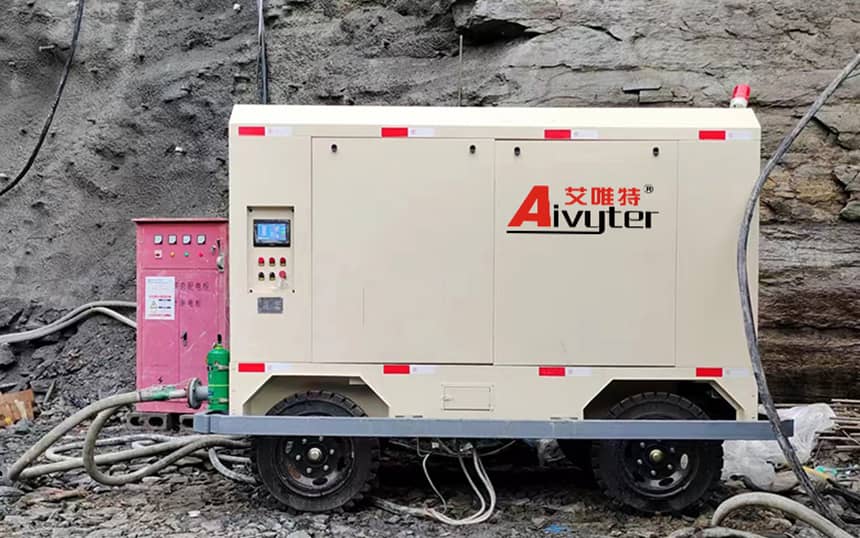
Compressed air is often classified as the fourth utility in industrial production, engineering construction, and mining sectors. Unlike water or electricity, which are sourced directly from municipal grids, compressed air must be generated on-site with high-performance machinery. Sourcing this equipment requires deep knowledge of mechanical systems, pneumatic demands, and air-treatment standards. For purchasing managers and plant engineers, finding verified channels to procure these systems is a priority. This is why selecting professional air compressor stores is about more than purchasing a physical unit; it is about establishing a reliable supply chain for engineering support and customized solutions.
Manufacturers like Aivyter provide high-efficiency systems designed to meet industrial specifications, ensuring that sourcing platforms can deliver reliable machinery to end-users. Evaluating these sourcing channels requires a systematic approach to system parameters, machinery design, and post-purchase engineering support.
Evaluating the Industrial Compressed Air Ecosystem
Flow Rates vs. System Pressure Dynamics
A common error in system procurement is confusing flow rate with system pressure. Flow rate, measured in Cubic Feet per Minute (CFM) or Cubic Meters per Minute (m³/min), determines the capacity of the system to perform work over time. Operating pressure, measured in Pounds per Square Inch (PSI) or Bar, determines the force capability of the compressed air. Industrial equipment must balance these two variables to prevent pressure drops and system starvation.
When assessing equipment at local or international distribution channels, buyers should map out the aggregate CFM consumption of all pneumatic tools and machinery operating simultaneously. A safety factor of 20% to 25% is standard to account for system leaks, future expansion, and piping resistance. Professional distributors provide detailed load-profile calculations to match these requirements rather than simply suggesting a model based on horsepower alone.
Lubricated vs. Oil-Free Air End Engineering
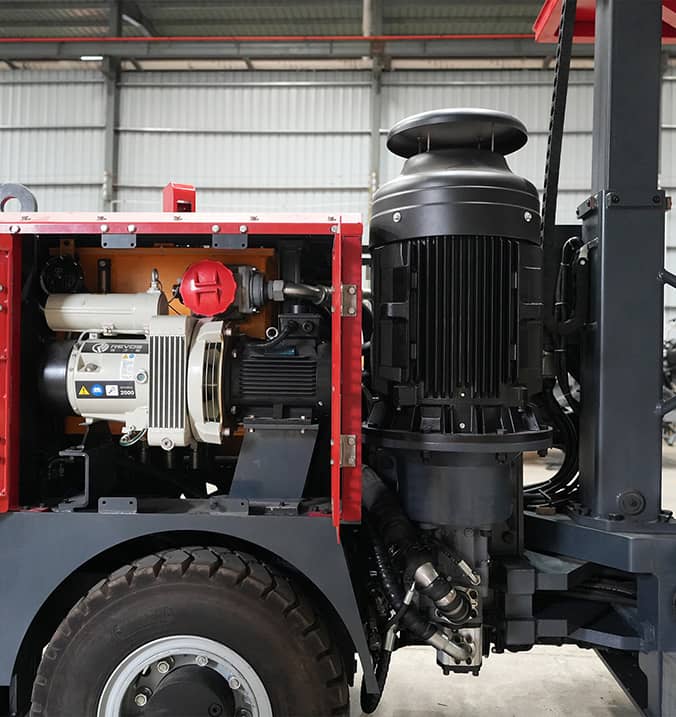
The choice between lubricated and oil-free systems depends heavily on the specific application. Lubricated rotary screw compressors utilize oil to seal the rotors, dissipate heat, and lubricate moving parts. This oil must then be separated from the compressed air using high-efficiency coalescing filters and separation vessels before the air enters the distribution network. These systems are highly durable and suitable for heavy machinery, structural construction, and mining operations.
Oil-free systems utilize advanced coatings, tight clearances, or water injection to maintain compression seals without lubricants in the compression chamber. These units are necessary for cleanroom environments, pharmaceutical manufacturing, and food packaging, where even micro-gram oil contamination can halt production lines.
Key Selection Criteria for Industrial Sourcing Channels
Procuring heavy-duty machinery from standard retail outlets is rarely sufficient for industrial-scale operations. True commercial-grade air compressor stores are characterized by their engineering capabilities and product diversity. Industrial buyers should evaluate potential distributors using specific operational parameters:
- Engineering and System Design Support: Distributors should offer comprehensive system engineering, including piping design, pressure drop analysis, and air-receiver sizing.
- Testing and Verification Equipment: High-quality suppliers provide flow audits and data logging to measure actual air demand over a multi-day cycle.
- Component Sourcing and Inventory: The supplier must maintain an active inventory of preventative maintenance parts, such as air-oil separators, intake filters, and synthetic lubricants.
- Compliance and Quality Certifications: Ensure the equipment meets global standards, such as ASME pressure vessel certifications, CE compliance, and ISO quality management systems.
A supplier that acts as a solutions provider rather than a simple product vendor helps prevent mismatches between air supply and terminal equipment requirements.
Engineering and Construction Site Requirements
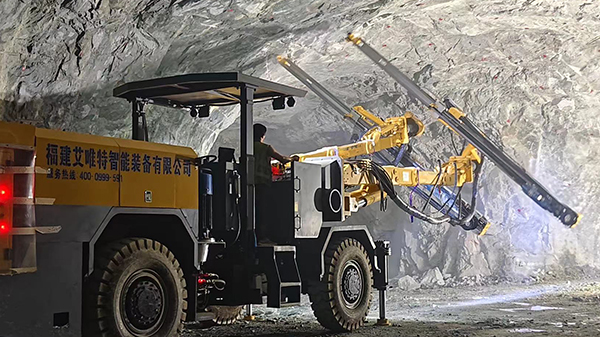
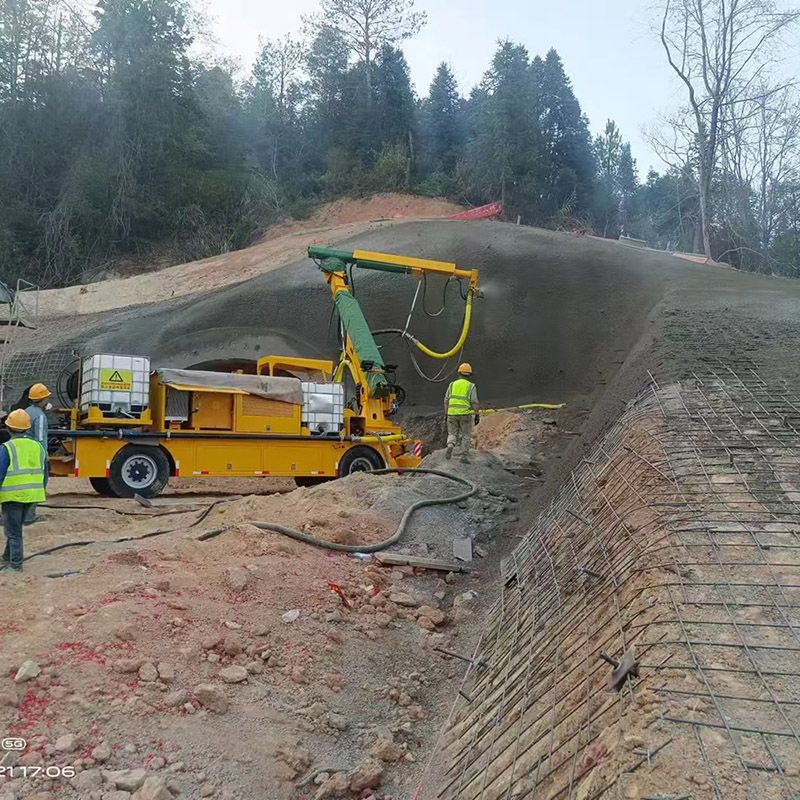
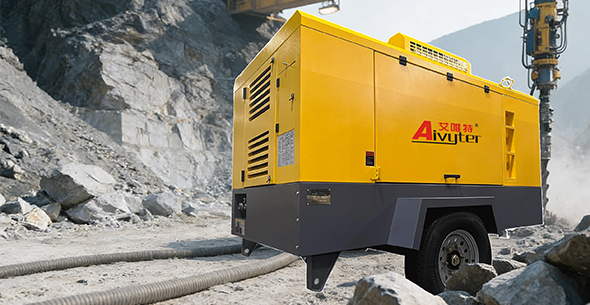
Civil engineering and mining operations operate under harsh environmental conditions. Equipment used in these sectors must withstand high ambient temperatures, heavy airborne dust, and vibration. Portable diesel-driven rotary screw compressors are the standard for these environments, powering pneumatic drills, concrete pumps, and blast-cleaning systems.
Air filtration is a major consideration in these sectors. Heavy-duty dual-stage intake air filters are required to prevent abrasive silica dust from entering the screw air end, which can cause premature wear on the rotor profiles. Water separators and heavy-duty aftercoolers are also integrated directly into portable units to handle temperature fluctuations, preventing moisture condensation in downstream hoses and pneumatic tools.
Sourcing Oil-Free Systems for Purity-Sensitive Sectors
For applications where clean air is non-negotiable, standard compressed air is insufficient. In pharmaceutical synthesis, electronic chip manufacturing, and high-purity chemical processing, the compressed air must meet ISO 8573-1 Class 0 certification. This standard guarantees that the air contains zero oil aerosols, liquids, or vapors.
To meet these strict standards, manufacturers like Aivyter engineer specialized dry-scroll or water-lubricated oil-free screw compressors. Purchasing these units through specialized air compressor stores ensures that the entire system—including desiccant dryers, sub-micron particulate filters, and stainless-steel piping networks—is engineered to preserve air purity and prevent rust or particulate contamination.
Addressing Common Operational System Issues
Industrial compressed air systems often experience performance issues that stem from poor installation, incorrect component sizing, or inadequate treatment of moisture. Understanding these issues helps plant managers address system performance issues early.
- Moisture Accumulation in Air Lines: When air is compressed, its moisture-carrying capacity decreases, leading to condensation. This water rusts downstream pipes, ruins pneumatic valves, and spoils product batches. Installing refrigerated or desiccant air dryers with auto-drains resolves this issue.
- System Overheating: Inadequate ventilation or fouled heat exchangers cause oil temperatures to rise, triggering automatic thermal shutdowns. Sourcing from professional air compressor stores ensures the equipment is designed with appropriately sized cooling fans and accessible oil coolers for easy maintenance.
- Excessive Pressure Drop: When terminal pressure is significantly lower than receiver pressure, it is usually due to undersized piping or clogged filter elements rather than compressor failure. Proper piping layout design solves this system flow issue.
Integrating Variable Speed Drive (VSD) Technology
Traditional fixed-speed compressors run at a constant speed, loading and unloading to match air demand. During the unloaded state, the motor continues to run and consume substantial energy without producing compressed air. Variable Speed Drive (VSD) systems address this issue by using an inverter to match the motor’s rotational speed directly to real-time air consumption.
Evaluating VSD systems through modern air compressor stores allows industrial operators to reduce energy waste during periods of low demand, such as partial shifts or weekend operations. Integrating VSD technology also lowers inrush starting currents, reducing thermal stress on motor windings and mechanical components.
Preparing Specifications for B2B Procurement
When sourcing heavy-duty compressed air systems, procurement departments should draft detailed requests for quotations (RFQs). Providing precise details prevents mismatches and ensures comparable bids from different suppliers. The following parameters should be clearly defined in any procurement document:
- Required Volumetric Flow Rate: Specify in CFM, m³/min, or L/min under normal operating conditions.
- Target Operating Pressure Range: Define the minimum pressure required at the furthest point of use.
- Electrical Grid Specifications: Specify voltage, phase, and frequency (e.g., 380V/50Hz/3Ph or 460V/60Hz/3Ph).
- Ambient Environmental Conditions: Detail maximum and minimum ambient temperatures, relative humidity, and altitude of the installation site.
- Air Purity Classification: Identify the target ISO 8573-1 air quality class for particles, water dew point, and oil content.
Engaging directly with specialized manufacturing engineers, such as the support team at Aivyter, helps ensure that these mechanical specifications are aligned with practical system layouts before placing an order.
Frequently Asked Questions
Q1: What is the difference between single-stage and two-stage rotary screw compressors?
A1: A single-stage compressor compresses air to the final target pressure within one set of rotors. A two-stage compressor divides the compression ratio across two separate rotor assemblies, cooling the air between stages. This interstage cooling reduces the power required to compress the air, improving system efficiency under heavy duty cycles.
Q2: How does dew point affect compressed air quality?
A2: The pressure dew point (PDP) is the temperature at which water vapor begins to condense into liquid water at the current system pressure. A lower dew point indicates drier air. Refrigerated dryers typically achieve a PDP of +3°C (+37°F), while regenerative desiccant dryers can achieve a PDP of -40°C (-40°F) or lower, which is necessary for freezing environments and cleanroom applications.
Q3: How often should the air-oil separator be replaced in a lubricated screw compressor?
A3: Under normal operating conditions, air-oil separators are replaced every 4,000 to 8,000 running hours, or when the pressure drop across the separator filter exceeds 1 Bar (14.5 PSI). Regular monitoring of this pressure differential prevents high energy consumption and oil carryover into downstream lines.
Q4: Can oil-free scroll compressors replace rotary screw systems in heavy industrial applications?
A4: Scroll compressors are generally suitable for low to medium flow applications (typically under 40 CFM) requiring silent operation and absolute oil-free air, such as medical clinics or laboratories. For high-volume heavy industrial applications, oil-free rotary screw or centrifugal designs are better suited due to their higher capacity.
Q5: Why is receiver tank sizing important for intermittent demand cycles?
A5: A receiver tank acts as a buffer storage vessel. It dampens pressure pulsations, cools the air to precipitate initial moisture, and prevents the compressor from frequent loading and unloading cycles (short-cycling). Short-cycling causes rapid mechanical wear on valves and contactors while wasting energy during start-up cycles.
For custom engineering consultations, product specifications, and system design requests, please contact our support team directly to submit your formal Inquiry.
about
Aivyter
We provides trusted air compressors and mining equipment, engineered for durability, efficiency, and demanding industrial applications.