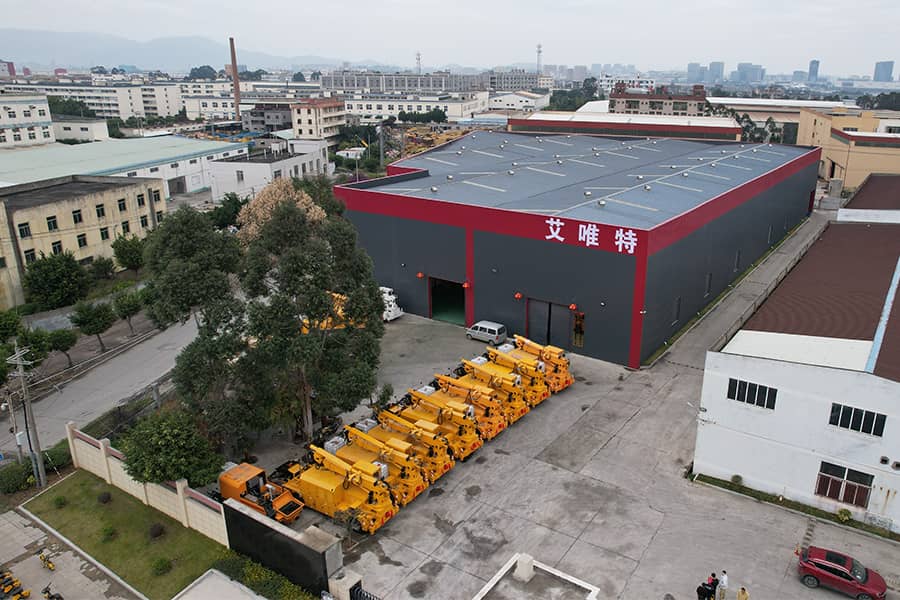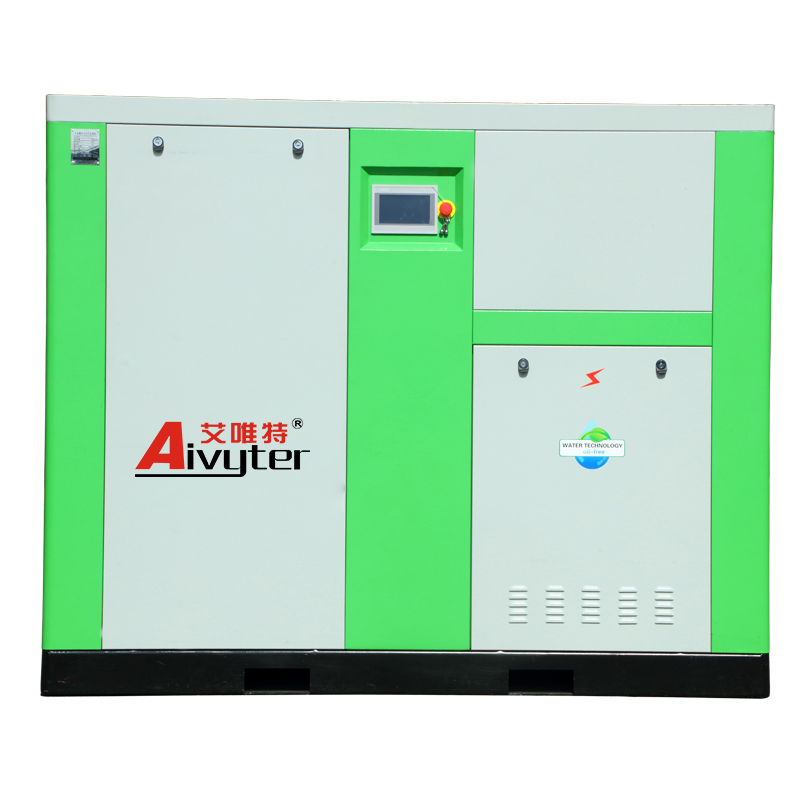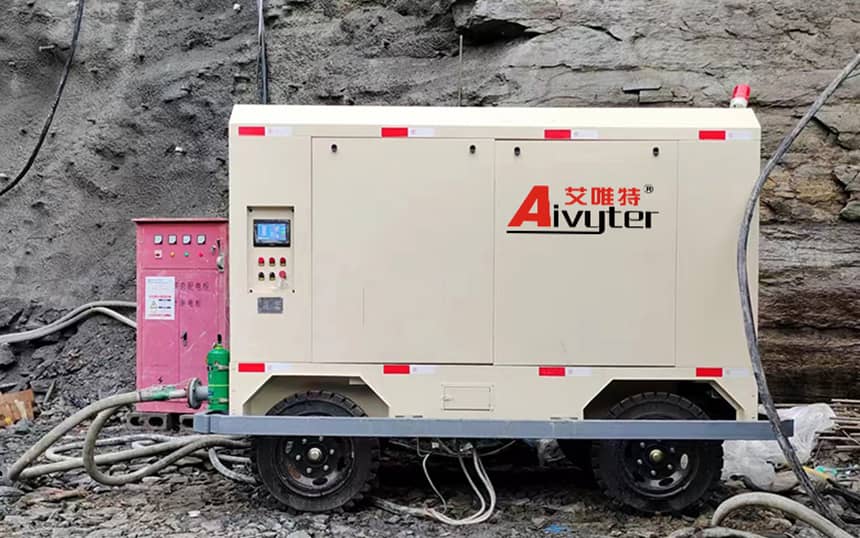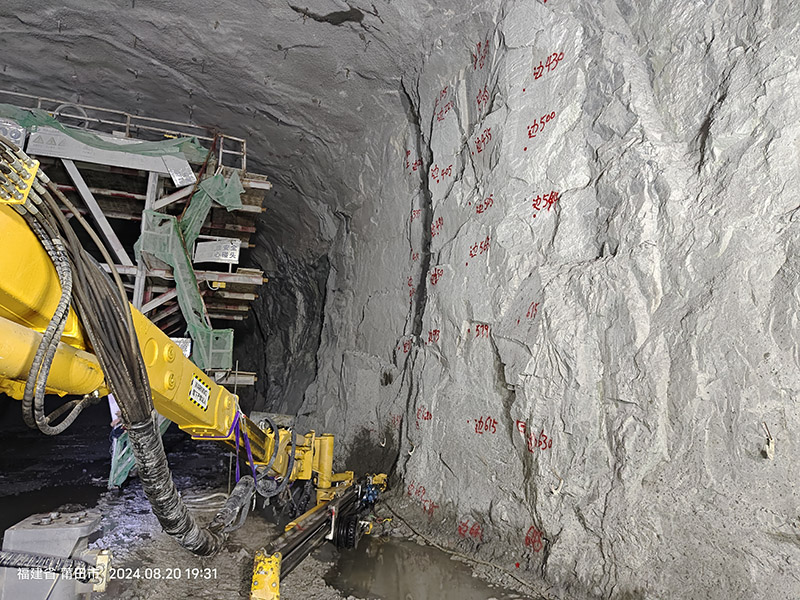
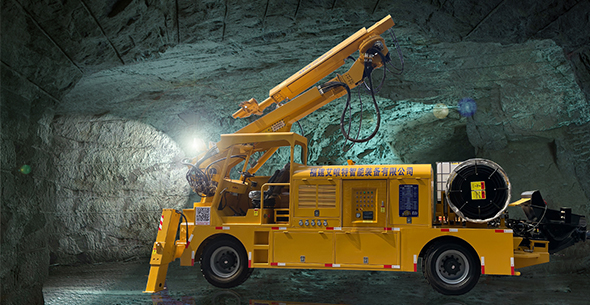
For mine operators and project developers, the decision to partner with an underground drilling rig factory goes far beyond component sourcing. It determines the consistency of drill string performance, the availability of custom‑engineered solutions, and the long‑term viability of spare parts logistics. Based on firsthand audits of manufacturing facilities in Europe and Asia, this article dissects the critical capabilities that define a world‑class production plant for underground drilling equipment.
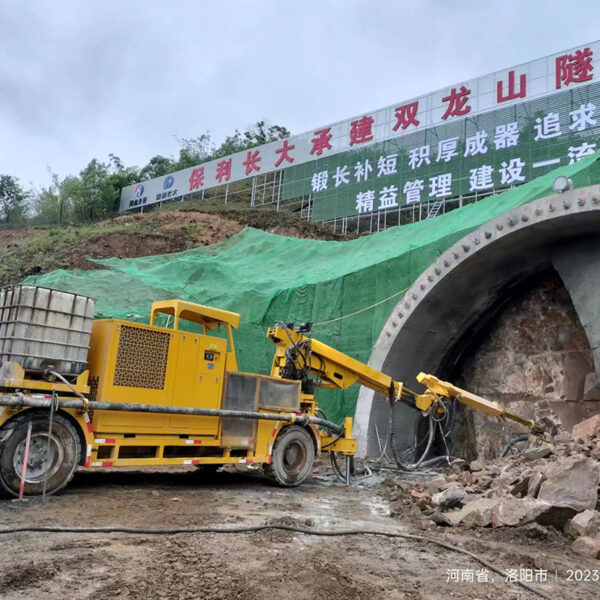
1. Metallurgical Foundations and Machining Tolerances
A reputable underground drilling rig factory begins with vertical integration of critical components. The drifter housing, for instance, is typically produced from high‑strength ductile cast iron (GJS‑600) to withstand impact energies exceeding 300 J. Precision machining centers must hold bore alignment tolerances within 0.02 mm to ensure efficient energy transfer from piston to shank. Factories that invest in 5‑axis CNC machining and robotic welding for booms reduce the risk of stress‑induced cracking during high‑frequency percussion. Suppliers like Aivyter employ coordinate measuring machines (CMM) on every tenth drifter assembly to validate geometric specifications before the unit enters the test bench.
2. Quality Assurance Beyond ISO 9001: Hydraulic and Assembly Protocols
The reliability of a rig depends on contamination‑free hydraulics and proper torqueing of structural fasteners. Leading factories operate clean‑room assembly areas for hydraulic manifolds, with particle counts below NAS 7. After assembly, each rig undergoes a 24‑hour simulated duty cycle on a dedicated test stand, measuring pressures, flow rates, and thermal behavior. Data from the underground drilling rig factory of Aivyter shows that this testing protocol catches 96% of potential seal or valve issues before shipment, a critical factor when equipment is destined for remote sites with minimal maintenance infrastructure.
3. Engineering Customization for Variable Ground Conditions
No two mines are identical. A flexible underground drilling rig factory must accommodate modifications ranging from narrower chassis for vein mining to explosion‑proof electrical systems for gassy coal seams. This requires an in‑house engineering team capable of finite element analysis (FEA) on modified booms and real‑time controller reprogramming. Factories with modular design platforms can deliver a customized jumbo within 16–20 weeks, compared to 36 weeks for a full redesign. Recent projects in the Southern African platinum belt required a 15% reduction in rig width; the factory response—redesigned axle mounts and hose routing—was validated using FEA and delivered without delaying the mine’s development schedule.
4. Strategic Sourcing and Component Lifecycle Management
An underground drilling rig factory does not operate in isolation; its supply chain resilience directly affects your uptime. Top‑tier manufacturers source hydraulic pumps from certified partners (e.g., Rexroth, Kawasaki) but also maintain buffer stocks of high‑wear items such as shank adapters, guide tubes, and rotation bushings. They also publish clear lead times: a typical factory with a robust inventory can ship critical spares within 72 hours. Conversely, factories that rely on just‑in‑time imports may face 4‑week delays. Procurement audits should verify the factory’s vendor quality agreements and the traceability of raw steel certifications (EN 10204 3.1).
5. Scalable Production and Global Project Support
For major mining houses managing simultaneous expansions, a factory’s production capacity becomes a strategic parameter. A modern facility with 15,000 m² of assembly space and a workforce of 200+ skilled technicians can typically output 40–50 rigs per year, including jumbos, bolters, and production drills. More importantly, the factory’s ability to provide on‑site commissioning teams and regional service hubs matters. Aivyter maintains a dedicated project management cell that coordinates with mine planning teams to synchronize rig deliveries with decline development milestones, reducing storage costs at site.
6. Addressing Industry Pain Points Through Factory Design
6.1 Counterfeit Component Infiltration
Mines operating in remote regions sometimes fall victim to counterfeit filters or hydraulic parts. A trusted underground drilling rig factory mitigates this by embedding RFID tags in genuine spares, allowing site stores to authenticate components before installation. Some factories now offer direct‑shipment programs that bypass local distributors, ensuring part integrity.
6.2 Rapid Design Iterations Based on Field Data
Wear patterns on drill rods and stabilizers vary with rock type. Factories with closed‑loop feedback systems—collecting MWD data from customer sites—can adjust heat treatment recipes for shanks or modify drill bit geometries. For example, after receiving data from high‑silica mines in Scandinavia, one factory introduced a tungsten‑carbide button grade with 12% higher impact resistance, directly reducing bit changes per shift.
6.3 Training and Technology Transfer
When a mine invests in a new fleet, the factory’s role often includes training local maintenance teams. Factories equipped with VR simulators and hands‑on disassembly workshops reduce commissioning times and improve first‑year availability. Aivyter’s factory offers a 3‑week certification program covering drifter overhaul and hydraulic troubleshooting, which has been shown to reduce emergency service calls by 40% in the first two years of operation.
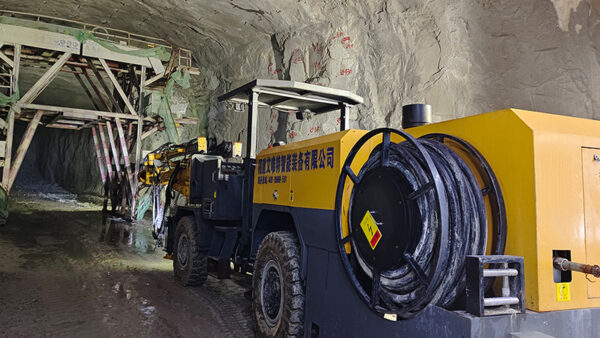
7. How to Audit an Underground Drilling Rig Factory
Before finalizing a supply agreement, conduct a technical walkthrough focusing on these areas:
- Heat treatment line: Are critical parts (shanks, pistons) case‑hardened in‑house? What surface hardness (HRC) is achieved?
- Test benches: Can they simulate full‑load conditions (e.g., 200 bar pressure, 3,500 blows/min) for 48 hours?
- Non‑destructive testing (NDT): Is ultrasonic or magnetic particle inspection performed on welds and high‑stress castings?
- Documentation: Are hydraulic schematics, parts lists, and EC declaration of conformity delivered with each rig?
- Spare parts philosophy: Does the factory guarantee availability of wear parts for 10 years? What is the average fill rate?
These criteria separate genuine manufacturing partners from mere assembly shops.
8. Conclusion: The Factory as a Strategic Asset
The choice of an underground drilling rig factory is a long‑term commitment that influences safety, productivity, and operating costs. By prioritizing factories with metallurgical expertise, rigorous testing, and agile engineering, mining companies ensure that their drilling fleets deliver consistent advance rates in the most challenging environments. The next time you evaluate a proposal, look beyond the brochure—look at the production line, the quality records, and the people who build the machines.
Frequently Asked Questions (FAQs)
Q1: What is the typical lead time for a fully customized underground drilling rig from a factory?
A1: For a standard jumbo with minor modifications, lead times range from 12 to 18 weeks. Highly customized designs—such as extreme low‑profile rigs or battery‑electric conversions—may require 24–30 weeks, including engineering validation and prototype testing. Reputable factories provide a detailed project schedule during the quotation phase.
Q2: How do I verify that a factory’s quality management is effective?
A2: Request recent third‑party audit reports (e.g., from DNV, TÜV) and check if the factory holds industry‑specific certifications like ISO 3834 (welding) or ATEX/IECEx for explosive environments. Also ask for test records of the last five rigs shipped to similar mining conditions.
Q3: Can an underground drilling rig factory support legacy equipment from other brands?
A3: Some factories offer reverse engineering services to produce spare parts or even complete booms for older rigs. However, this requires precise 3D scanning and material analysis. Factories with a dedicated aftermarket division are better equipped to handle mixed‑fleet support.
Q4: What is the minimum order quantity (MOQ) when dealing directly with a factory?
A4: While MOQs vary, most factories are willing to negotiate single‑rig orders for new customers, especially if there is potential for repeat business. However, pricing and warranty terms may be more favorable for fleet‑level commitments (3+ rigs).
Q5: How does a factory’s location affect total landed cost?
A5: Freight costs, import duties, and logistics time must be factored in. A factory in a region with established mining equipment supply chains (e.g., Central Europe, China) may offer competitive ex‑works prices, but you must add shipping and potential customs delays. Some factories mitigate this by holding regional stock or offering delivered‑duty‑paid (DDP) terms.
Q6: What kind of warranty does a typical underground drilling rig factory provide?
A6: Standard warranties cover structural components (booms, carriers) for 24 months and hydraulic/drifter components for 12 months, with exclusions for normal wear items like drill bits and seals. High‑confidence factories may offer extended warranties if the mine agrees to use original spare parts and follow prescribed maintenance schedules.
about
Aivyter
We provides trusted air compressors and mining equipment, engineered for durability, efficiency, and demanding industrial applications.