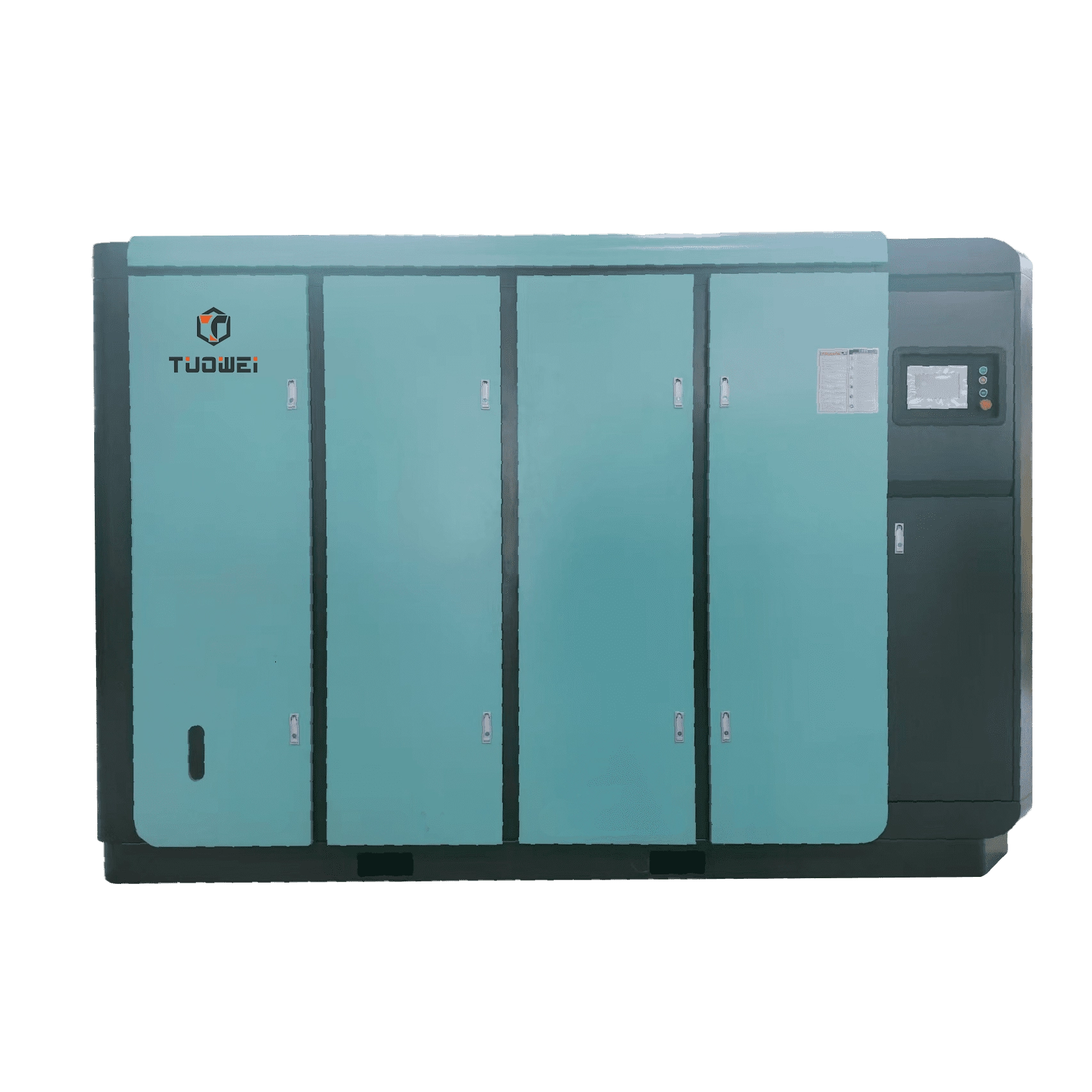
Industrial pneumatic applications require precise pressure management and continuous volume output. Heavy industries, ranging from deep-hole mineral exploration to petro-chemical processing, rely on stable high-pressure air sources. A reliable high compressor serves as the central power unit for these systems, converting electrical or diesel energy into stable pneumatic force. Industrial facilities must carefully evaluate the mechanical architecture of these units to ensure continuous operations under severe conditions.
Understanding the balance between air displacement, system thermal dynamics, and component wear is key to implementing an efficient air system. Selecting the wrong equipment leads to premature wear, energy waste, and system downtime. This analysis provides an engineering overview of the mechanical principles, operational demands, and selection criteria for high-pressure compression systems.
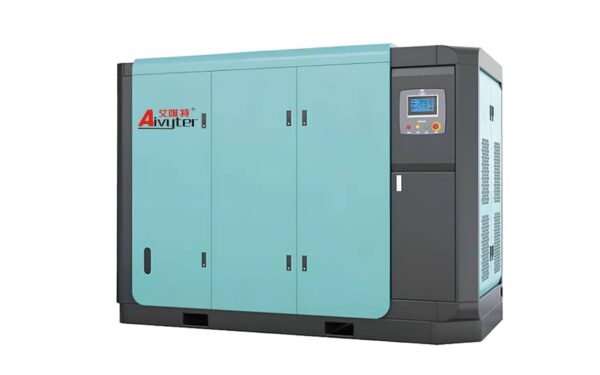
1. Mechanical Principles of High-Pressure Screw Compression
Unlike standard low-pressure rotary screw units, a heavy-duty high compressor relies on specialized design configurations to handle elevated compression ratios. Standard units typically operate up to 8 or 10 bar, whereas high-pressure industrial applications regularly demand pressures between 20 and 40 bar.
Asymmetrical Rotor Profiles and Tight Clearances
Rotary screw compression occurs as male and female rotors mesh within a heavy-cast casing. For high-pressure operations, rotor geometry is designed with an asymmetrical profile, often a 5:6 lobe ratio. This specific configuration reduces internal blow-by (air slipping back across the rotor threads) which otherwise increases at higher pressures. Machining tolerances are kept within micron levels, ensuring that the air film barrier remains intact without physical rotor-to-rotor contact.
Multi-Stage Compression and Interstage Cooling
Attempting to compress air to 40 bar in a single stage produces excessive heat, causing thermal expansion of the rotors and rapid degradation of the lubricating fluid. To manage this thermal challenge, engineers utilize multi-stage designs. The process involves:
- First-Stage Compression: Ambient air is drawn in and compressed to an intermediate pressure level, typically between 6 and 8 bar.
- Interstage Heat Dissipation: The heated air is routed through an intercooler, which reduces the temperature and increases the air density.
- Second-Stage Compression: The cooled, denser air is drawn into the smaller second-stage screw rotor chamber, where it is compressed to the final target pressure.
This multi-stage method brings the overall cycle closer to an isothermal compression model, reducing the overall power consumption of the motor.
Bearing Assemblies and Thrust Management
The discharge end of the rotor shafts experiences extreme axial forces as the highly compressed air exerts back-pressure on the system. Standard radial bearings cannot withstand these forces. Manufacturers like Aivyter integrate heavy-duty tapered roller bearings and angular contact bearings to counteract these forces and maintain precise alignment of the rotor shafts. Proper bearing selection prevents axial rotor movement, which is a major cause of casing wear and volumetric efficiency loss.
2. Industry-Specific Operational Scenarios
Modern industrial operations subject pneumatic systems to continuous duty cycles under varying environmental stresses. Analyzing these applications highlights why standard utility air systems are insufficient.
Mining and Deep-Well Exploration
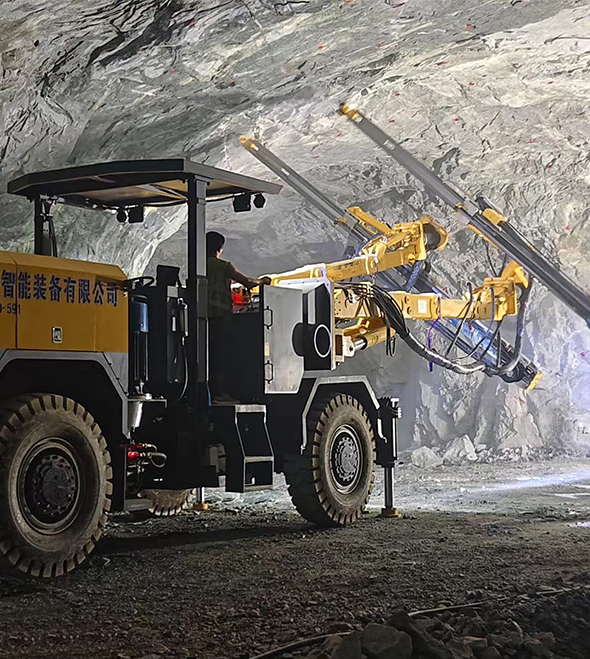
In the mining sector, down-the-hole (DTH) drilling is used to extract mineral cores and drill water wells. The pneumatic hammer at the end of the drill string requires high-pressure air to fracture hard rock formations. Utilizing a robust high compressor ensures that constant pressure is maintained at the drill bit, preventing structural delays during exploration. The compressed air must also serve as the medium to flush drill cuttings out of the borehole, which requires a high volumetric flow rate alongside elevated pressure.
Pipeline Testing and Commissioning
Oil, gas, and chemical pipelines must undergo integrity verification before being put into service. This process often involves high-pressure pneumatic testing to detect weld defects or joint leaks. The air system must provide a steady, pulse-free stream of pressurized air over hours or days. Pressure fluctuations from the air source can compromise test telemetry, making stable screw-compression systems highly preferred over reciprocating alternatives.
Industrial Manufacturing and PET Blowing
The production of polyethylene terephthalate (PET) containers requires rapid, high-pressure air injection to stretch and mold plastic preforms. These packaging lines operate at high speeds, demanding thousands of duty cycles per hour. The compressed air must be free of oil mist and moisture to prevent product contamination. High-pressure rotary screw units, paired with precise filtration trains, supply the clean, dry air needed for high-volume manufacturing lines.
3. Addressing Engineering Bottlenecks and System Heat
Operating a high-pressure air system presents mechanical challenges that must be addressed at the system design stage to prevent premature component failure.
Managing High Thermal Loads
The laws of thermodynamics dictate that compressing air generates heat. In high-pressure operations, thermal energy can accumulate rapidly. If the oil temperature rises above optimal limits (typically 90°C to 100°C), its viscosity drops, reducing its sealing and lubricating capabilities. To address this, modern systems utilize large oil coolers and variable-speed cooling fans. These fans adjust their speed based on real-time fluid temperatures, keeping the lubricant within its ideal operational viscosity window.
Condensation and Moisture Separation
As air is compressed to high pressures, its capacity to hold water vapor decreases. When the air is cooled in the aftercooler, large quantities of liquid water condense out of the air stream. If this water is allowed to enter downstream piping, it can wash away lubricants in pneumatic tools, cause internal corrosion, and ruin product batches. High-pressure systems require integrated moisture separators with electronic auto-drains to continuously eject condensate without wasting pressurized air.
| System Component | Operational Function | Engineering Benefit |
|---|---|---|
| Intercooler | Cools compressed air between stages | Increases volumetric efficiency and lowers second-stage heat |
| Centrifugal Separator | Removes bulk liquid water after cooling | Prevents liquid carryover into desiccant dryers and pipes |
| Synthetic Lubricant | Seals rotor clearances and dissipates heat | Resists thermal breakdown under high shear conditions |
| ASME Receiver Tank | Stores pressurized air and dampens pulses | Reduces compressor cycling and provides steady system pressure |
4. Key Selection Parameters for Procurement Leads
Selecting an industrial high compressor requires analyzing more than just horsepower. Procurement teams and engineering leads must examine specific performance metrics to match the unit with the facility’s demand profile.
Free Air Delivery (FAD)
FAD measures the actual volume of compressed air delivered to the discharge port, calculated back to inlet conditions. It is a common mistake to size a system based on theoretical rotor displacement rather than FAD. If the FAD is lower than the peak demand of the pneumatic machinery, system pressure will drop, leading to operational delays.
Variable Frequency Drive (VFD) vs. Fixed Speed
In facilities where air demand fluctuates throughout the shift, a fixed-speed compressor is inefficient. When demand drops, a fixed-speed unit runs in an unloaded state, consuming up to 70% of its loaded power while producing no air. Variable Frequency Drive (VFD) technology, such as that offered by Aivyter, adjusts motor speed in real time to match fluctuating demand, reducing energy consumption during low-load periods.
Acoustic Attenuation and Space Constraints
High-pressure screw air ends generate significant high-frequency noise. For indoor manufacturing plants, choosing a unit with an acoustic enclosure is vital for workplace safety. Additionally, the physical footprint of the compressor skid should align with the floor layout, allowing adequate space around the unit (typically 1 to 1.5 meters) for routine filter and oil changes.
5. System Integration and Auxiliary Equipment Support
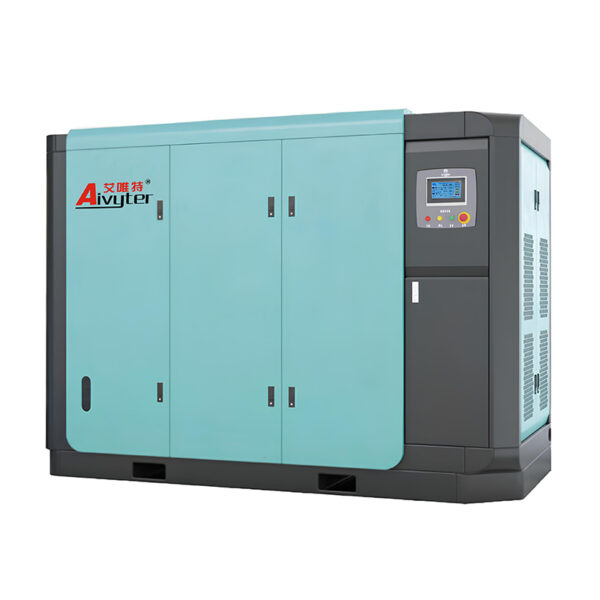
The operational performance of the high compressor depends on its integration with auxiliary components. A complete high-pressure air system includes filtration, storage, and drying components designed to handle the target pressure.
- High-Pressure Air Receivers: Storage tanks must be certified to handle working pressures with an appropriate safety margin. These tanks act as buffers, allowing the compressor to transition smoothly between load and unload states.
- Desiccant Air Dryers: While standard refrigerated dryers lower the pressure dew point to around 3°C, high-pressure applications often require desiccant dryers that achieve dew points of -40°C or lower. This level of dryness is necessary to prevent pipe freezing in outdoor applications.
- Coalescing Filtration: High-efficiency particulate and oil-removal filters must be placed in series. These filters remove microscopic oil aerosols down to 0.01 micron, protecting downstream processes and keeping downstream piping clean.
Frequently Asked Questions
Q1: What are the primary differences between single-stage and multi-stage high-pressure screw compressors?
A1: Single-stage units compress air from intake pressure to discharge pressure in one continuous cycle. This design results in high heat generation and reduced volumetric efficiency because the air does not cool during compression. Multi-stage units divide the process into distinct phases. By routing the compressed air through an intercooler between stages, the air density is restored before it enters the next compression chamber. This approach improves mechanical efficiency and reduces wear on the rotor assemblies.
Q2: Why is moisture control more demanding in high-pressure air applications compared to standard systems?
A2: The moisture-carrying capacity of compressed air decreases significantly as working pressure rises. When air is compressed and subsequently cooled, large volumes of liquid water drop out of suspension. If this condensation is not managed immediately, it can cause corrosion inside piping networks, damage high-pressure control valves, and compromise downstream industrial processes. High-pressure configurations address this by utilizing multi-stage centrifugal separators, advanced desiccant dryers, and zero-loss automated drain valves.
Q3: How does lubricating oil choice impact the operation of high-pressure rotary screw air compressors?
A3: High-pressure operations subject fluid lubricants to intense thermal and mechanical stress. Standard mineral oils can quickly oxidize under these conditions, leading to carbon deposits and varnish on the rotors and internal chambers. High-pressure systems require synthetic lubricants with high shear stability and excellent viscosity indexes. These fluids maintain a sealing barrier between the rotors and provide superior thermal dissipation, maintaining performance across extended operating hours.
Q4: What role does a Variable Frequency Drive (VFD) play in a high-pressure air system?
A4: A VFD modulates the rotational speed of the compressor motor to match the real-time demand for compressed air. In systems with fluctuating air consumption, fixed-speed compressors must repeatedly load and unload, which leads to high energy waste and increased mechanical strain on the drive coupling. By adjusting the motor speed dynamically, a VFD maintains a stable discharge pressure, reduces energy consumption during low-demand periods, and limits electrical inrush current during start-up.
Q5: What are the key criteria when selecting between air-cooled and water-cooled high-pressure systems?
A5: Air-cooled systems rely on motorized fans to push ambient air across heat exchangers. These units are simpler to install and ideal for remote or mobile operations such as mining and field drilling, though they require adequate ventilation. Water-cooled systems utilize water-to-air heat exchangers. They are highly efficient at managing extreme thermal loads and are preferred for large indoor industrial facilities with existing cooling water infrastructure, as they maintain stable operating temperatures regardless of ambient room conditions.
Industrial Engineering Consultation and Custom Specifications
Industrial facilities requiring reliable high-pressure compressed air systems must ensure that their equipment is configured to meet specific flow, pressure, and environmental parameters. Selecting the proper equipment prevents unplanned downtime and ensures long-term operational efficiency. To obtain detailed performance profiles, engineering drawings, or customized configurations for your specific project, submit your application requirements directly to our engineering department. Contact the engineering team at Aivyter to discuss your specific project parameters and obtain tailored engineering drawings.
about
Aivyter
We provides trusted air compressors and mining equipment, engineered for durability, efficiency, and demanding industrial applications.