Mining companies face harsher operating conditions than ever before. As shallow deposits deplete, operators must drive declines deeper into the earth. At these depths, ground pressure spikes, ambient rock temperatures rise, and manual excavation exposes crews to unacceptable safety hazards.
To remain profitable under these conditions, underground mines must shorten cycle times and eliminate production bottlenecks. This shift has elevated the multi boom jumbo rig from an optional piece of heavy machinery to an essential capital investment for major extraction and tunneling projects.
Modern equipment manufacturers like Aivyter engineer these high-performance rigs to deliver faster round advance rates, consistent blast profiles, and superior operator safety. Understanding how this equipment functions allows project managers to maximize their return on capital.
What is a Multi Boom Jumbo Rig?
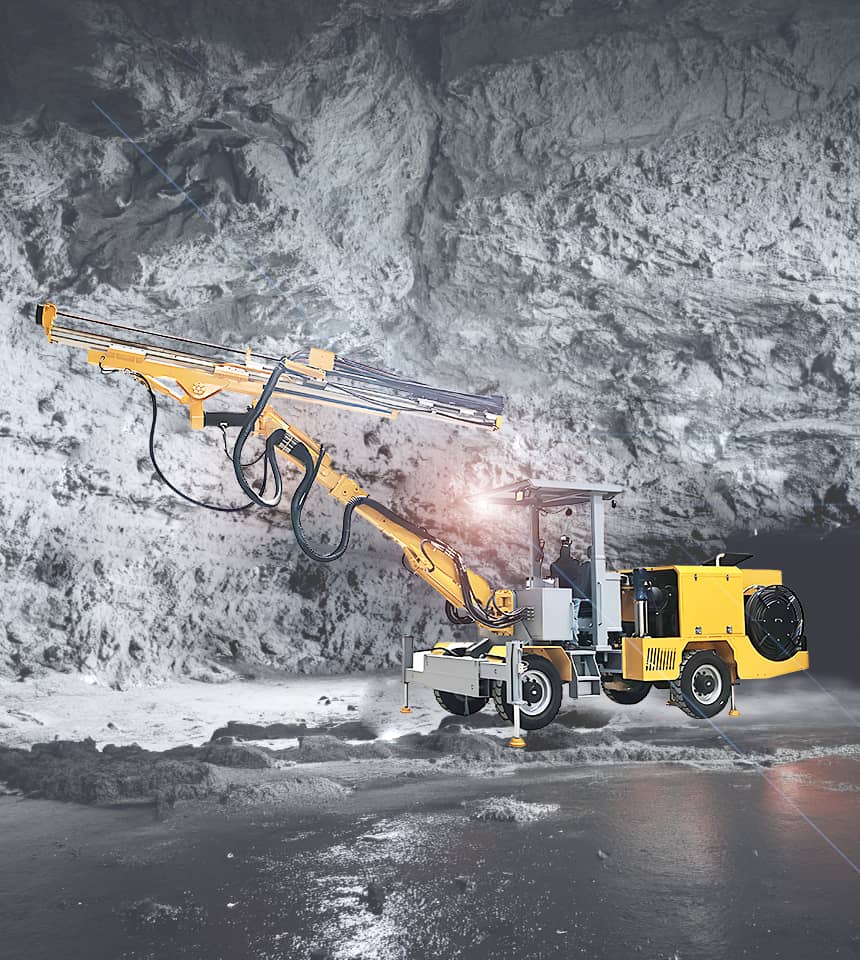
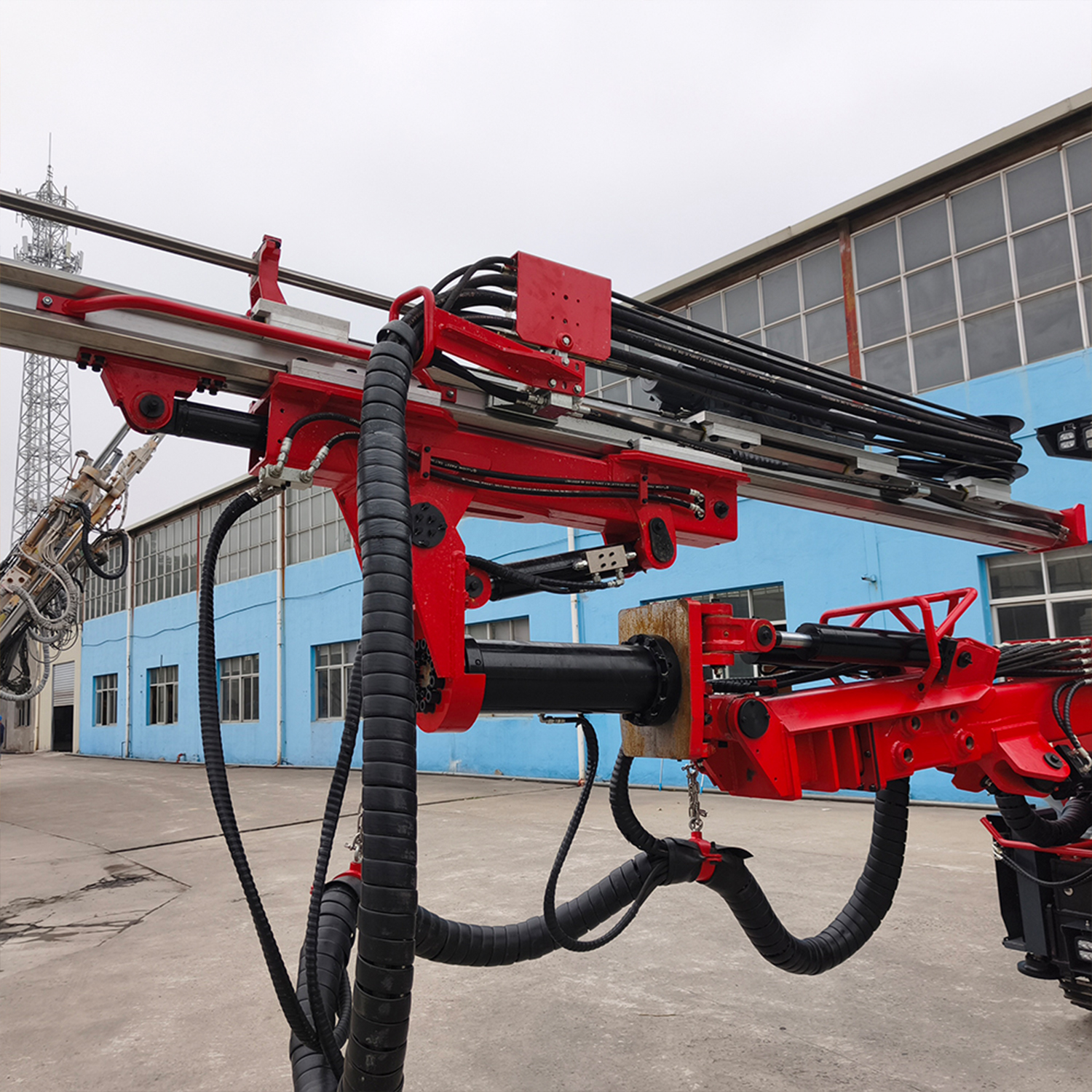
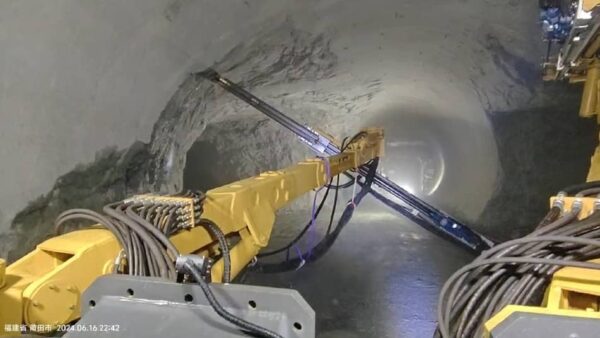
A multi boom jumbo rig is an underground drill jumbo equipped with two, three, or four heavy-duty booms designed to drill blast holes, bolt holes, and service holes into rock faces simultaneously. It serves as the primary tool in drill-and-blast development cycles for mining and civil tunneling excavation projects.
Unlike single-boom units intended for narrow-vein drives, a multi-boom system covers expansive face cross-sections in a single setup. Each boom carries a hydraulic rock drill, also known as a drifter, which generates rapid percussive blows and rotation torque to penetrate hard rock formations at rates exceeding two to three meters per minute.
Modern rigs integrate computerized positioning systems that coordinate boom movements automatically. This enables simultaneous drilling of the cut holes, production holes, and perimeter contour holes without mechanical interference.
Key Components and Structural Anatomy
To understand the performance advantages of this machine, one must examine its core mechanical and hydraulic sub-assemblies.
- Articulated Booms: High-tensile steel booms engineered with multi-directional rotation, extension cylinders, and parallel holding capabilities to maintain steady hole alignment across the entire face.
- Hydraulic Drifters: High-frequency rock drills that transmit percussive energy directly into the drill string, optimized to match specific rock hardness characteristics.
- Heavy-Duty Feed Beams: Rigid aluminum or steel guide feeds that transfer feed force smoothly while dampening vibrations during high-speed penetration.
- Utility Basket Boom (Service Platform): An auxiliary telescopic boom that lifts personnel for face charging, scaling loose rock, or installing ground support while the primary booms operate.
- Carrier Chassis: Heavy four-wheel-drive articulated carriers powered by clean diesel or electric powertrains to navigate steep declines up to 14 degrees.
- Ergonomic Operator Cabin: Fully enclosed, climate-controlled operator cabs certified for FOPS (Falling Object Protective Structures) and ROPS (Roll-Over Protective Structures).
Mining Cycle Time Reduction: The Core Business Value
In underground mining, profitability depends on the rapid repetition of the excavation cycle: drill, blast, muck, support. The drilling phase often dictates the pace of the entire shift. Deploying a multi boom jumbo rig delivers direct mining cycle time reduction by dividing face coverage across synchronized drilling arms.
A single-boom jumbo drilling an 80-hole pattern on a 50-square-meter face can tie up the heading for three to four hours. A dual-boom or triple-boom unit completes the identical pattern in 60 to 90 minutes. This 40% to 60% reduction in drilling time clears the heading hours earlier for the charging crew.
When operations consistently save two hours per round, they achieve extra advance cycles each week. Over a fiscal year, this compounding effect adds hundreds of linear meters to heading advancement without adding extra shifts or personnel.
Precision Drilling and Overbreak Control
Controlling rock excavation profiles represents one of the largest hidden financial levers in underground development. Drilling off-target results in two costly failures: underbreak and overbreak.
Underbreak forces crews to bring equipment back to re-blast rock outcroppings that encroach on the mine haulage envelope. This halts development hauling and disrupts ventilation. Overbreak creates an even more severe, ongoing operational expense.
When drill holes diverge outward beyond the planned design line, blasting shatters extra rock outside the required tunnel dimension. That surplus rock must be loaded, hauled to the surface, and crushed as waste. Worse, the enlarged void requires expensive extra layers of shotcrete and additional rock bolts to stabilize the perimeter.
An automated face drilling rig utilizes electronic parallel holding and digital angle indicators to achieve precise overbreak control. Modern jumbos keep blast deviation under 2%, saving thousands of dollars per blast round in haulage fuel, wear on load-haul-dump (LHD) buckets, and sprayed concrete volumes.
Safety Engineering: Removing Personnel from the Danger Zone
The unsupported rock face, often called the “hot face,” represents the most hazardous area in an underground mine. Loose rock slabs, toxic post-blast fumes, and unexploded remnants pose continuous risks to miners on foot.
A primary goal of underground mining automation is to remove workers from this active blast zone. A multi boom jumbo rig accomplishes this by housing the operator inside an armored cabin positioned well back from the unsupported perimeter.
Advanced rigs built by companies like Aivyter incorporate remote radio controls. Operators can position feeds, collar drill holes, and clear blocked steels using dual joysticks from inside an air-filtered, sound-dampened station. Reducing physical contact with heavy drill rods and eliminating manual face scaling directly lowers lost-time injury (LTI) incident rates.
Automation and Industry 4.0 Integration
Drill jumbos have evolved past simple manual hydraulic levers. Modern headings rely on intelligent computerized platforms that turn the drill into a data-gathering node connected to the mine control room.
Automated Drill Plans and Navigation
Mine engineers draft computer-aided drill plans that dictate the exact depth, angle, and diameter of every single blast hole. Operators upload these files straight into the jumbo control system via underground Wi-Fi or USB memory drives.
Once the machine parks at the face, optical or laser sensors verify its position relative to mine survey markers. The operator selects the active plan, and the computer guides each boom to its coordinate points automatically. The system eliminates the need for manual face painting and visual guess-work.
Measure While Drilling (MWD)
While the drifter penetrates the rock, sensors on the feed beam track penetration rate, torque, flushing pressure, and feed force millisecond by millisecond. This process is known as Measure While Drilling (MWD).
MWD data automatically flags hidden fault planes, wet seams, and void pockets. Geotechnical teams use these real-time 3D logs to adjust explosive quantities and determine support bolt placement before crews re-enter the drift.
Electrification: Battery Electric Vehicles (BEV) at the Face
Ventilation consumes up to 40% of the electrical operating budget in deep underground mines. Diesel equipment emits particulate matter and heat that require massive cooling plants and large ventilation shafts to clear.
The industry is transitioning rapidly toward battery-electric multi boom jumbo rigs. These rigs travel from heading to heading using an onboard lithium-ion battery pack. Once parked at the drilling face, technicians plug the machine directly into the underground mine electrical grid.
The electric powertrain drills with high efficiency, produces zero direct diesel emissions, and radiates a fraction of the thermal heat. This transition cuts ventilation electrical demands, lowers maintenance costs on diesel filters, and creates a cleaner, safer work environment for underground staff.
Evaluating Total Cost of Ownership (TCO)
Purchasing an advanced multi-arm underground drill jumbo demands substantial upfront capital. However, procurement teams must evaluate the purchase through a full Total Cost of Ownership (TCO) model rather than comparing initial sticker prices alone.
- Direct Labor Savings: A single skilled technician operating an automated three-boom machine matches or exceeds the output of multiple dual-boom crews running manual units.
- Consumable Optimization: Computer-controlled anti-jamming and smooth feed control extend drill rod life, shank adapter service intervals, and button bit longevity.
- Shotcrete Consumption Reduction: Minimizing overbreak saves up to 20% on downstream dry-mix and wet-mix shotcrete requirements over the project lifecycle.
- Component Lifespan: High-grade components like those used in Aivyter jumbos run thousands of impact hours before requiring drifter overhauls, reducing shop downtime.
When evaluated over a standard five-year extraction contract, an automated multi-boom system delivers a dramatically lower cost-per-linear-meter of advance than smaller, manual machines.
Selecting the Right Rig for Your Operation
Not every mine requires a four-boom production giant. Matching the equipment to underground tunnel dimensions is critical to avoiding poor mobility or restricted coverage.
Examine the operational matrix below to identify the right machinery footprint for your planned drives:
- Tunnel Cross-Sections 15 m² to 45 m²: Dual-boom compact jumbo. Delivers the agility required for tight ramp declines while doubling the drilling rate of single-boom units.
- Tunnel Cross-Sections 45 m² to 110 m²: Standard two-boom or three-boom rig with service platform. The industry workhorse for medium to large mine access drives and civil transit tunnels.
- Tunnel Cross-Sections Exceeding 110 m²: Three-boom or four-boom rig with heavy feeds. Engineered for high-speed highway tunnels, hydroelectric caverns, and deep mine main haulage trunk roads.
Frequently Asked Questions
Q1: What is the difference between a single boom and a multi boom jumbo rig?
A1: A single-boom rig features one drill arm, making it suitable for narrow development drives and small-scale operations. A multi boom jumbo rig incorporates two to four drilling booms, allowing simultaneous drilling across large headings. This coverage dramatically shortens cycle times and accelerates advance rates on large projects.
Q2: How does a multi boom jumbo rig help with overbreak control?
A2: These machines utilize computerized angle sensors, laser profiling, and automated parallel feed guidance. By locking drill feeds onto precise survey lines, the rig prevents holes from angling out into waste rock. This keeps blasts strictly within planned cross-sections, lowering mucking and shotcrete costs.
Q3: Can one operator run all booms on an automated face drilling rig?
A3: Yes. On automated models equipped with digital drill patterns and collision-prevention systems, a single operator can supervise multiple booms from the cabin. The system positions and drills holes automatically, requiring the technician only to monitor performance and handle rock bit swaps.
Q4: Why are mining operations shifting to battery-electric multi-boom rigs?
A4: Battery electric jumbos eliminate diesel exhaust emissions and dramatically reduce heat generation in dead-end headings. They operate plugged into existing electrical substations during drilling cycles, significantly cutting mine ventilation power costs and machine maintenance downtime.
Q5: What maintenance factors are most critical for high-frequency hydraulic drifters?
A5: Hydraulic rock drills require clean oil filtration, steady accumulator nitrogen pressure, and disciplined lubrication of shank adapters. Replacing worn bushings and seals according to the manufacturer’s impact-hour schedule prevents costly piston failures and keeps penetration rates optimal.
Upgrade Your Underground Advance Rates
Excavation efficiency directly shapes the profitability of your mining or tunneling asset. The right equipment combination accelerates heading advances, controls blast profiles, and protects your operational workforce.
Aivyter builds reliable, high-performance tunneling excavation equipment engineered to perform inside demanding underground environments. Our engineering team can analyze your heading profiles, rock conditions, and target cycles to recommend the right drill jumbo configuration.
Contact our mining application specialists today to request technical specifications, calculate your project ROI, or receive a formal equipment quotation for your upcoming project.
about
Aivyter
We provides trusted air compressors and mining equipment, engineered for durability, efficiency, and demanding industrial applications.