Underground mining and tunneling projects require different types of machinery for drilling, excavation support, and related construction activities. Due to limited working space and changing geological conditions, equipment selection often depends on project requirements, tunnel dimensions, and operating conditions.
Common underground mining equipment includes drilling machinery, ground support equipment, and compressed air systems. Machines such as drill jumbo, shotcrete spraying machine, and screw air compressor serve different roles during underground development.
Understanding the function of different mining equipment helps contractors evaluate suitable solutions for specific mining and tunneling applications.
Which Machines Are Used for Underground Rock Drilling?
Rock drilling is an important stage in many underground mining and tunneling projects. Before excavation can continue, drilling equipment is often used to prepare holes according to the planned excavation requirements.
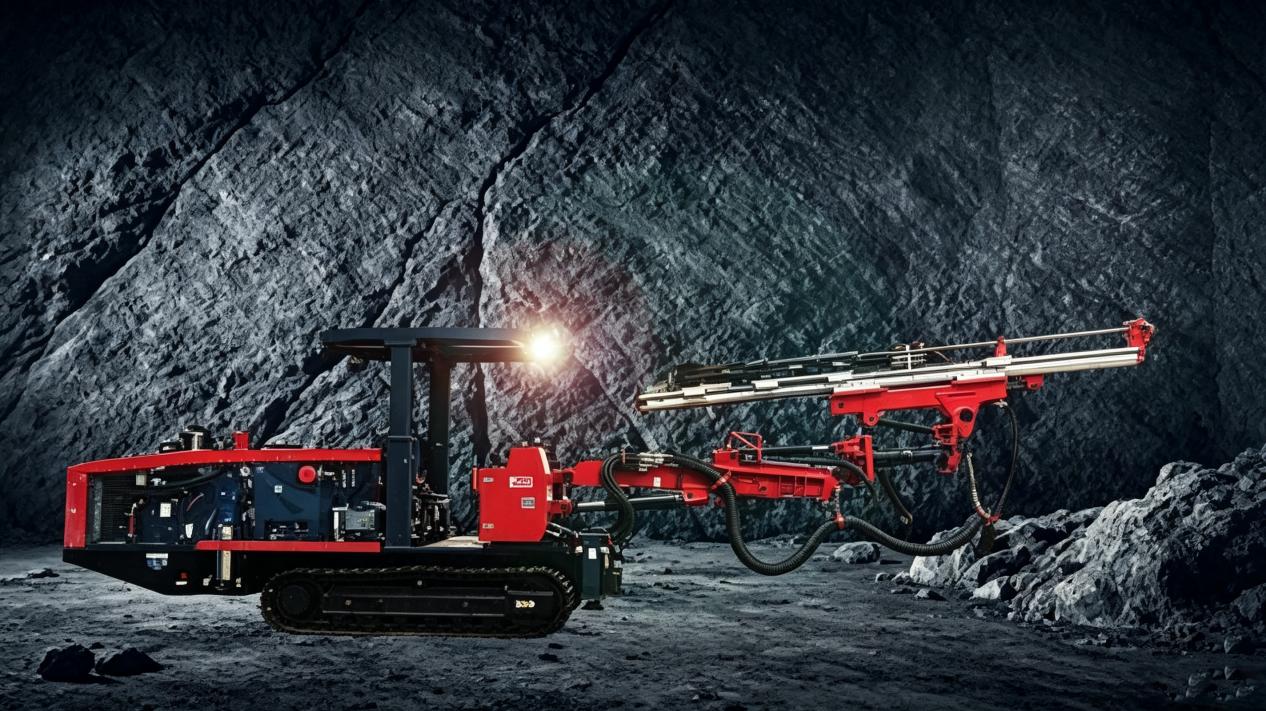
A drill jumbo is commonly used in underground drilling operations where accurate positioning and mobility are required. The machine is designed to work at underground faces and complete repeated drilling tasks in environments where available space may be limited.
A typical drill jumbo integrates several main systems, including:
- Hydraulic drilling components
- Boom structures
- Mobile carrier systems
- Rock drilling tools
These components work together to position drilling equipment and perform drilling operations according to project requirements.
An underground drilling rig may be configured differently depending on tunnel size, excavation layout, and drilling needs. Single-boom and double-boom configurations are available for different working conditions, allowing contractors to consider equipment options according to the specific project environment.
When selecting drilling equipment, common considerations include:
- Tunnel dimensions
- Required drilling coverage
- Rock characteristics
- Underground working conditions
The suitable drilling solution depends on how the equipment fits into the overall excavation plan.
How Is Ground Support Equipment Used in Underground Projects?
After excavation activities, underground areas may require additional support depending on geological conditions and project requirements.
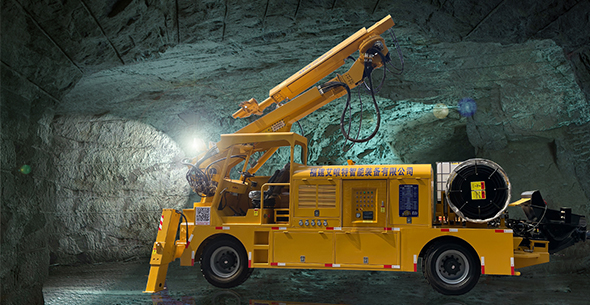
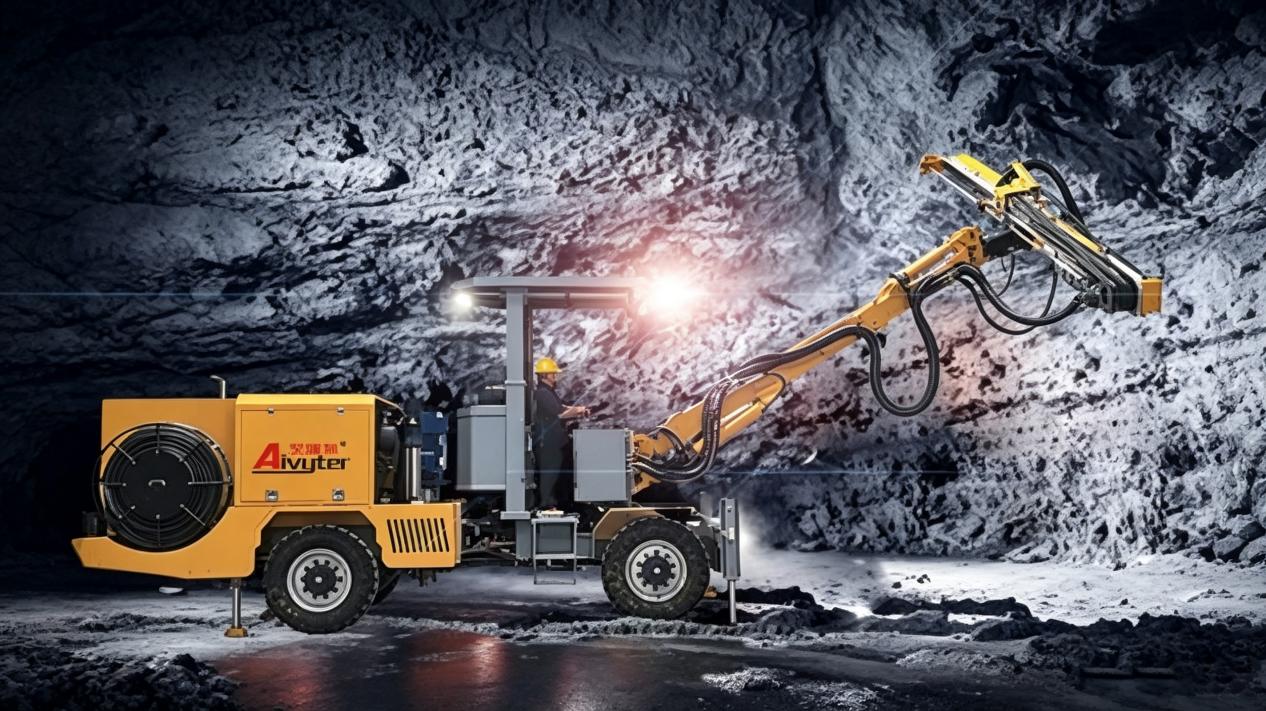
A shotcrete spraying machine is used to apply concrete material onto underground surfaces where sprayed concrete support is needed. It is commonly found in mining development and tunneling applications.
Compared with manual spraying methods, mechanical shotcrete equipment can provide a more controlled approach for applying concrete materials in underground working areas.
Typical applications include:
- Underground tunnel construction
- Mining development areas
- Rock surface support
- Underground infrastructure projects
The configuration of a shotcrete spraying machine may vary according to factors such as spraying distance, tunnel dimensions, concrete requirements, and site conditions.
In underground operations, support equipment is usually selected together with excavation methods to meet the requirements of each project stage.
Why Are Compressed Air Systems Considered in Underground Operations?
Compressed air systems are another important part of many industrial and underground applications.
A screw air compressor provides compressed air for equipment and processes that require a stable air supply. In mining and tunneling environments, compressor selection is usually related to airflow demand, working pressure, operating conditions, and equipment requirements.
When choosing an air compressor system, contractors may evaluate:
- Required airflow capacity
- Pressure requirements
- Continuous operating conditions
- Installation environment
An industrial air compressor can support applications where compressed air is needed during operation. For underground projects with changing work locations, portable compressor configurations may also be considered according to site requirements.
The right compressor setup depends on how the air supply system matches the needs of the equipment and working environment.
Which Supporting Systems Help Maintain Underground Operations?
Besides drilling and ground support machinery, underground projects often involve supporting systems that help maintain equipment operation and workflow organization.
For example, compressed air systems can support equipment requiring airflow, while mobility-focused machinery designs may help operators work in areas with limited access.
When evaluating supporting equipment, contractors often consider:
Working Space
Underground tunnels and excavation areas may have restrictions on equipment size and movement. Machinery dimensions and operating range need to fit the available space.
Site Conditions
Dust, humidity, temperature changes, and geological variations can influence equipment selection and maintenance requirements.
Operation Requirements
Different projects may have different drilling schedules, excavation methods, and support needs. Equipment configuration should be considered according to the actual application.
How Do Different Machinery Types Support Underground Development?
Although underground machines perform different tasks, they are usually considered as connected parts of the overall construction process.
A typical underground workflow may involve:
Drilling Equipment
A drill jumbo prepares drilling operations at the working face according to project requirements.
Excavation Activities
The prepared area continues through the selected excavation process based on site conditions.
Ground Support Equipment
A shotcrete spraying machine may be used to apply concrete support material when required.
Auxiliary Systems
A screw air compressor provides compressed air support for applications that require continuous airflow.
Considering these equipment categories together helps contractors understand how different machines contribute to underground mining and tunneling operations.
What Factors Should Be Considered When Selecting Underground Mining Equipment?
Selecting suitable underground mining equipment requires evaluating the relationship between machinery, site conditions, and project requirements.
Several factors may influence equipment decisions:
Geological Conditions
Rock structure, hardness, and underground conditions can affect drilling methods and support requirements.
Tunnel Dimensions
Available working space influences equipment size, mobility, and operating flexibility.
Project Requirements
The excavation method, construction schedule, and equipment workload should be considered when evaluating machinery options.
Maintenance Planning
Equipment service requirements, spare parts availability, and maintenance arrangements can affect long-term operation.
By considering these factors, contractors can identify machinery options that are more suitable for specific underground mining and tunneling projects.
FAQ
What machines are commonly used in underground mining?
Common equipment includes drill jumbos, shotcrete spraying machines, and compressed air systems.
What is a drill jumbo used for underground?
A drill jumbo is mainly used to prepare drilling holes during underground excavation operations.
Why is shotcrete equipment used in tunneling?
Shotcrete machines apply concrete material to underground surfaces for support applications.
What does a screw air compressor do in mining projects?
A screw air compressor provides compressed air support for equipment requiring stable airflow.
How should underground mining machinery be selected?
Selection depends on geological conditions, tunnel size, project requirements, and maintenance needs.
about
Aivyter
We provides trusted air compressors and mining equipment, engineered for durability, efficiency, and demanding industrial applications.