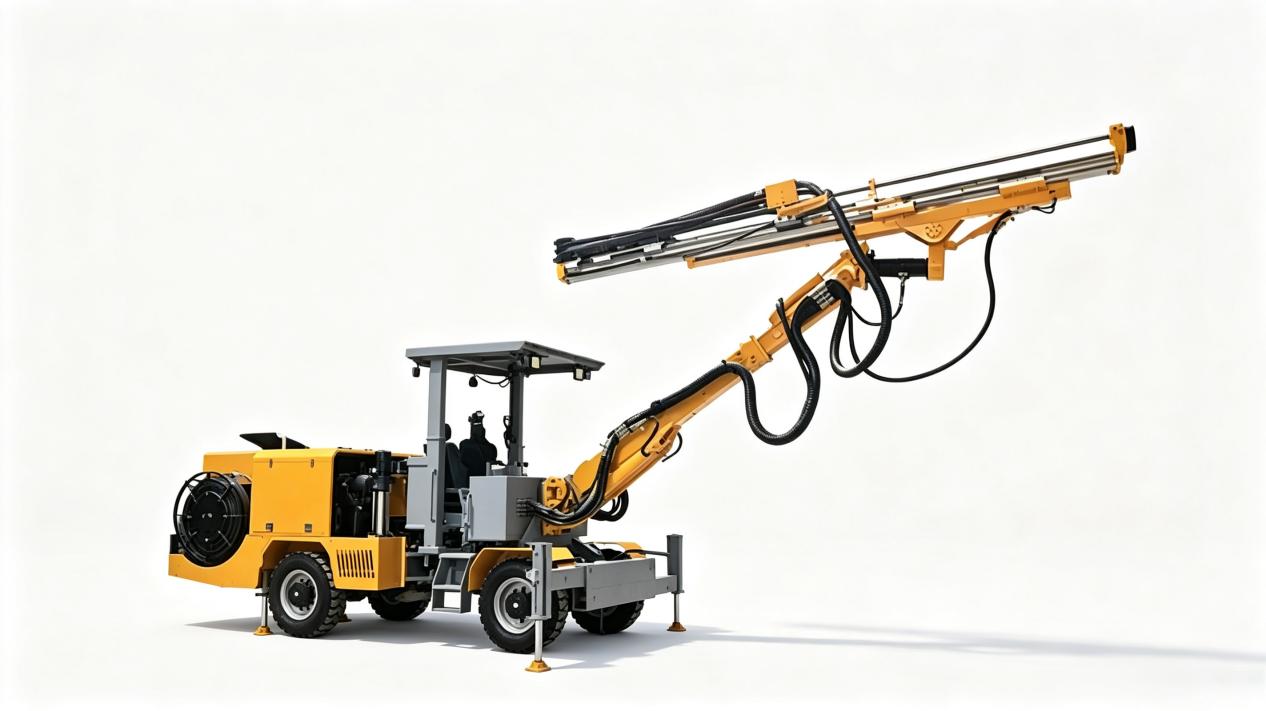
Underground drilling projects can encounter changes in rock structure as excavation moves from one section to another. Variations in rock hardness, fractures, tunnel dimensions, and working space can affect the required drilling work. An underground drilling rig therefore needs to be matched with the actual conditions at the working face rather than evaluated by one specification alone.
The drilling system, boom arrangement, hydraulic controls, carrier design, and available drilling range all have a role. The appropriate combination depends on the project, the required hole specifications, the tunnel profile, and the conditions encountered during excavation.
Why Do Geological Conditions Affect Drilling?
Rock properties influence how the drilling system interacts with the working face. Changes in hardness or rock structure can affect the required drilling parameters, while fractured sections may require closer attention to hole positioning.
The excavation profile also matters. A rig working in a narrow tunnel has different positioning requirements from one operating in a larger section. Machine dimensions and boom reach need to correspond with the available space.
For an underground rock drill rig, geological conditions and the physical working environment are therefore closely connected.
How Does the Drilling System Respond to Rock Variations?
The drilling system directly performs the rock drilling work, making its specifications relevant when ground conditions vary. Hole diameter and drilling requirements should be established before comparing suitable equipment.
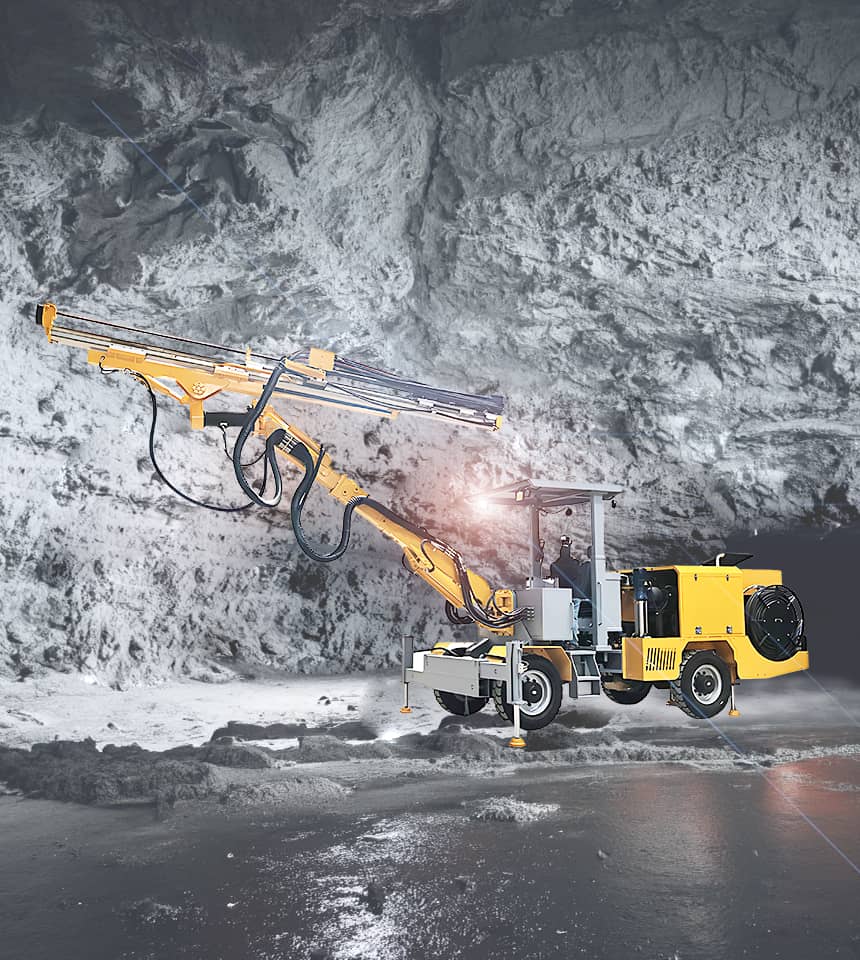
Different models in the underground drilling range provide different drilling diameter ranges. For example, the AZT1-6500 is listed with a drilling diameter of 43–102 mm, while the AZK-125 covers 45–115 mm. These specifications provide a reference for matching the drilling system with the required hole size.
The figures do not indicate that either machine is suitable for every geological formation. Instead, they show why drilling requirements should be considered alongside the characteristics of the rock and the intended application.
How Does Boom Arrangement Relate to Working Conditions?
Rock conditions and excavation dimensions often affect the drilling layout. A change in tunnel profile can alter the positions that the drilling system needs to reach.
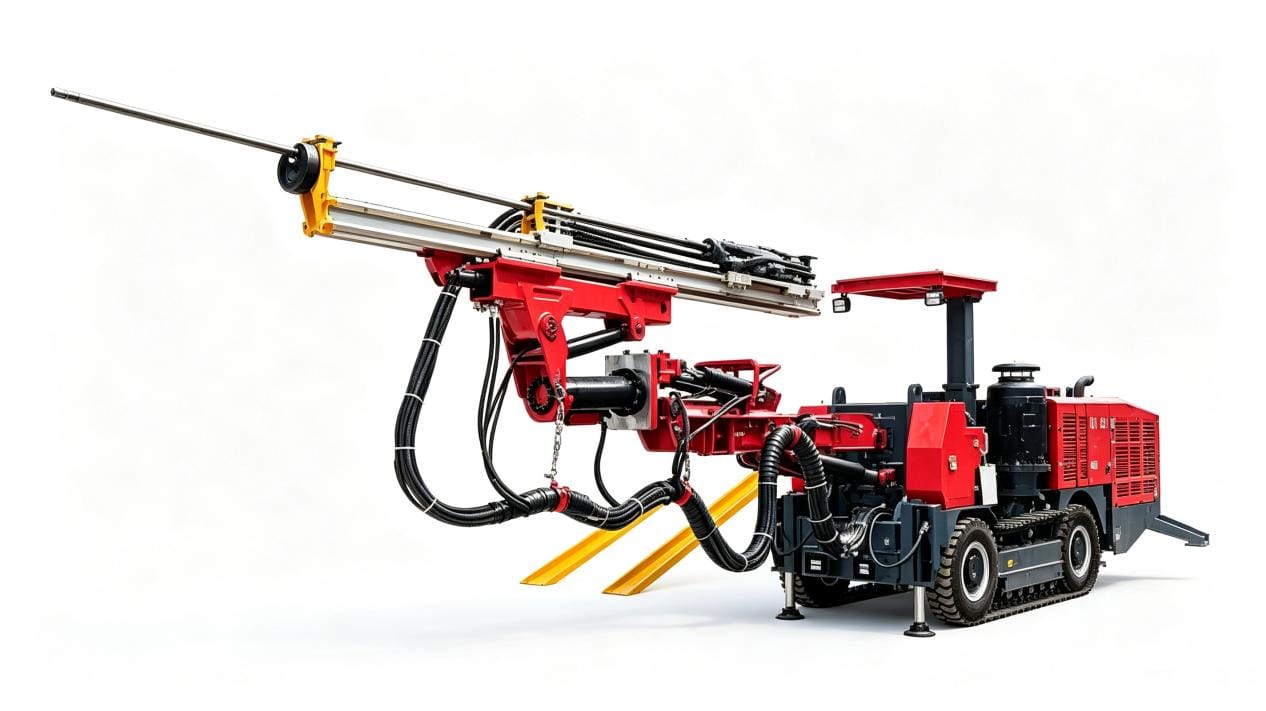
Single-boom and double-boom drill jumbos provide different working arrangements. A single-boom setup may suit a narrower drilling area, while a double-boom arrangement can provide access to multiple positions across a wider face.
The product range includes models designed for different cross-section requirements. The AZK-125 is listed for cross sections from 2 × 2 m to 5 × 4 m, while the AZT1-6500 is listed for approximately 3 × 3 m to 5.05 × 6.5 m.
This makes boom arrangement and machine dimensions relevant when geological changes are accompanied by changes in excavation size.
What Role Does Hydraulic Control Play?
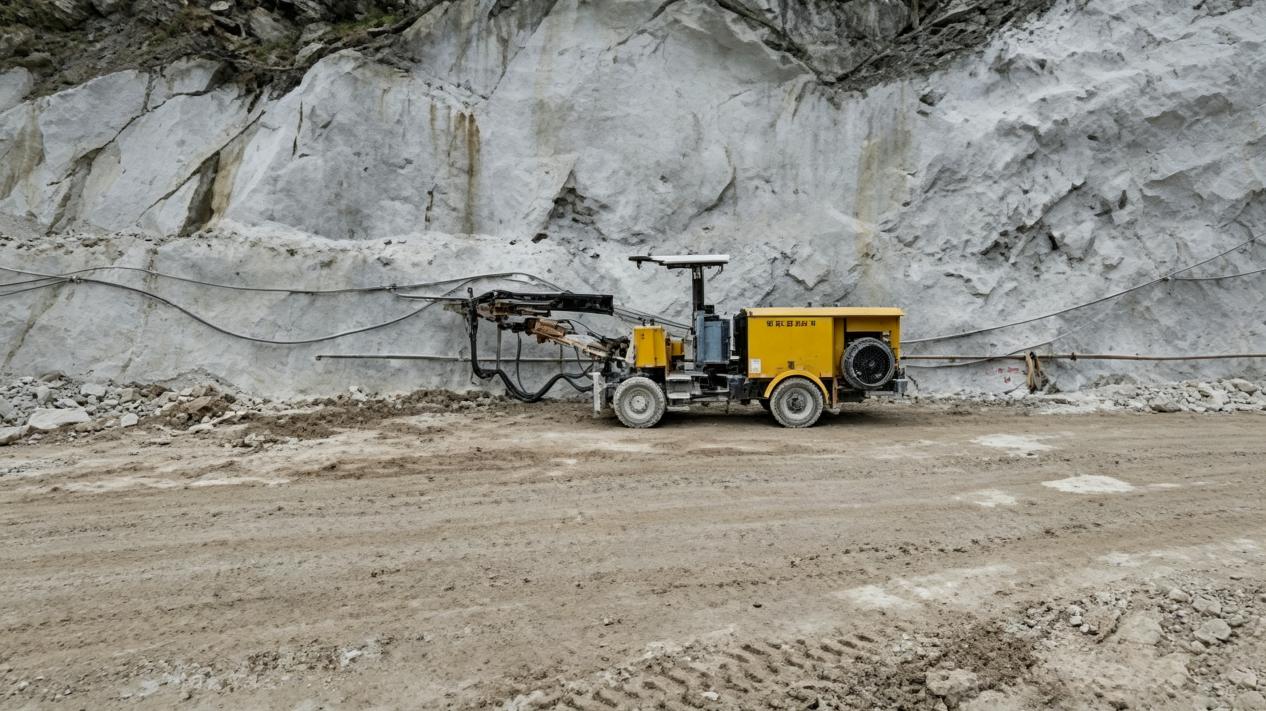
Hydraulic systems connect several functions involved in underground drilling. Boom movement, drilling, propulsion, and positioning can depend on the hydraulic arrangement used by the rig.
The AZT1-6500, for example, uses a hydraulic system for functions including propulsion, impact, and rotation, while its specifications include a hydrostatic drive walking system.
Hydraulic control becomes relevant when the drilling position changes from one part of the working face to another. It supports the physical movements required to place the drilling mechanism where it is needed.
Hydraulic performance should therefore be assessed together with the drilling system and boom arrangement instead of being treated as a separate measure of geological suitability.
How Does Machine Size Affect Underground Drilling?
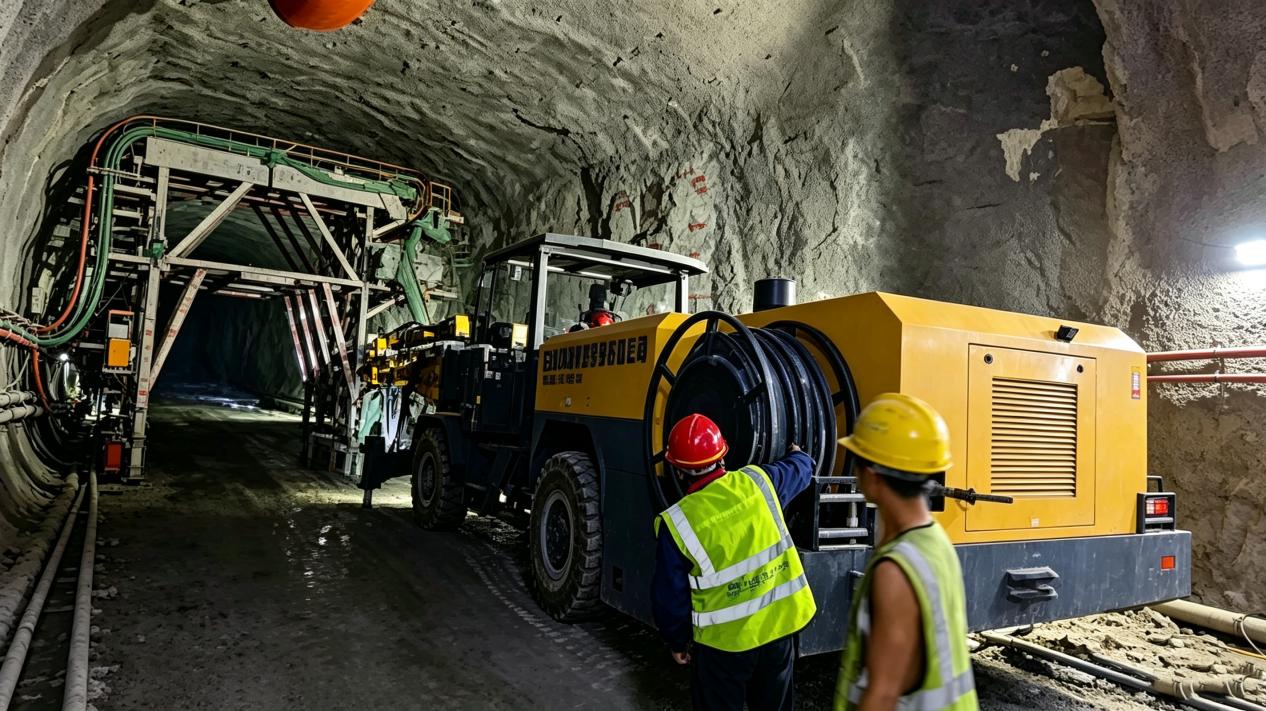
Geological variations can occur alongside changes in tunnel geometry. A drilling rig with suitable drilling specifications still needs enough room to enter, turn, and position itself at the working face.
Important dimensions can include:
- Overall machine size
- Turning radius
- Ground clearance
- Boom reach
- Available working space
The AZT1-6500, for example, lists a minimum turning radius of 3,450 mm inside and 5,510 mm outside, with 330 mm ground clearance. The AZK-125 lists a turning radius of 2,397/4,280 mm.
These dimensions illustrate why equipment needs to be considered in relation to the tunnel profile and access conditions.
Why Does Mobility Matter When Conditions Change?
A drilling rig may need to travel between different working faces during an underground project. Access routes can vary in width and slope, making carrier and transmission characteristics relevant to equipment operation.
The AZT1-6500 uses a hydrostatic drive walking system and lists a climbing capability of up to 15°, with a running speed of up to 7.2 km/h.
These specifications can be reviewed against the site’s access routes and movement requirements. They should not be treated as universal requirements because underground layouts and operating conditions vary between projects.
What If Geological Conditions Change During Excavation?
Actual ground conditions can differ from initial expectations. When the rock structure changes, the drilling requirements may also need to be reviewed.
Several questions can help identify whether the current setup remains appropriate:
- Is the required hole diameter still within the machine’s drilling range?
- Does the boom provide enough coverage for the current face?
- Can the machine be positioned safely within the available space?
- Are the access routes suitable for the carrier?
- Does the existing drilling system correspond with the work now required?
These checks focus on the relationship between the actual working face and the equipment already being used.
How Can Different Drill Rig Configurations Support Different Sites?
Underground projects do not all have the same excavation dimensions or drilling requirements. Aivyter’s product range includes different underground drilling arrangements, including face drilling rigs, single-boom drill jumbos, and double-boom drill jumbos.
For example, the AZK-125 is positioned for narrow tunnels and working areas, while the AZT1-6500 is designed for small and medium-sized underground metal mines and tunneling applications.
The practical approach is to match the drilling range, boom arrangement, machine dimensions, and mobility characteristics with the conditions expected at the working site.
What Should Be Reviewed When Ground Conditions Vary?
Geological conditions should be considered together with the drilling task and the physical working environment.
Rock structure affects the drilling requirements.
Hole diameter needs to correspond with the planned drilling work.
Tunnel dimensions influence machine size and boom coverage.
Hydraulic controls support drilling, positioning, and movement.
Carrier characteristics affect access between working areas.
Looking at these factors together gives contractors a clearer basis for assessing an underground mining drill rig. The goal is not to assume that one machine can handle every geological condition, but to determine whether its available specifications correspond with the rock, tunnel profile, drilling requirements, and operating environment of the project.
FAQ
Can one underground drilling rig work in different rock conditions?
It depends on the machine’s drilling range, configuration, and the requirements of each working area.
Why does drilling diameter matter?
The drilling diameter needs to correspond with the hole specifications required for the application.
Does geology affect boom arrangement?
It can, particularly when changes in rock conditions are accompanied by changes in excavation layout.
Why is machine size important underground?
The rig needs to fit through available access areas and reach the required drilling positions.
What should be checked when rock conditions change?
Review the hole requirements, drilling range, boom coverage, machine dimensions, and site access.
about
Aivyter
We provides trusted air compressors and mining equipment, engineered for durability, efficiency, and demanding industrial applications.